Glacier National Park
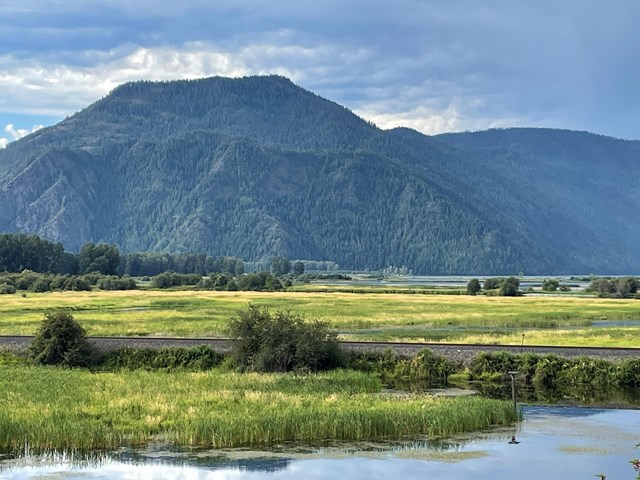
A showcase of melting glaciers, alpine meadows, carved valleys, and spectacular lakes. With over 700 miles of trails, Glacier is a paradise for adventurous visitors seeking a landscape steeped in human culture. Relive the days of old through historic chalets, lodges, and the famous Going-to-the-Sun Road.
Alerts
- ClosureNPS ↗Going-to-the-Sun Road Temporary Closure
Going-to-the-Sun Road is closed between Avalanche and Jackson Glacier Overlook due to winter weather conditions on the alpine section of the road.
Fees & passes
| Type | Cost | |
|---|---|---|
| Private Vehicle(Winter Rate - $25.00, November 1 to April 30) This is an entrance fee for all persons traveling in a single, private, non-commercial vehicle (car/truck/van). The pass is good for seven days and is non-transferable. Visitors can enter the park at any time, if the entrance station is not staffed, a self-registration area is available for purchasing a 7-day park pass. | $35 | |
| Per Person(Winter Rate - $15.00, November 1 to April 30) This is a per person entrance fee for a visitor traveling on foot, bicycle, or for individuals traveling together in a vehicle as a non-commercial, organized group. The pass is good for seven days and is non-transferable. | $20 | |
| Motorcycle(Winter Rate - $20.00, November 1 to April 30) Valid for 7 days. Admits up to 2 private, non-commercial motorcycles with up to 4 total passengers. | $30 | |
| NonresidentEach non-US resident aged 16 and older visiting Glacier National Park must pay a $100 nonresident fee (in addition to the standard entrance fee), unless admitted with an Annual or America the Beautiful Pass. This includes nonresidents entering as part of a commercial tour group, commercial use authorization (CUA) group, or concessioner tour group. | $100 | |
| Commercial tours · by vehicle capacity | ||
| SedanEntrance fees are based on the seating capacity of the vehicle (driver not included). Commercial Sedan entrance fee is $25, plus $20 per person, 16 years of age or older. The pass is good for seven days and is non-transferable. | $25 | |
| VanEntrance fees are based on the seating capacity of the vehicle (driver not included). Commercial Van entrance fee is $75 regardless of occupancy. The pass is good for seven days and is non-transferable. | $75 | |
| Mini-busEntrance fees are based on the seating capacity of the vehicle (driver not included). Commercial Mini-bus entrance fee is $100 regardless of occupancy. The pass is good for seven days and is non-transferable. | $100 | |
| Motor CoachEntrance fees are based on the seating capacity of the vehicle (driver not included). Commercial Motor Coach fee is $200 regardless of occupancy. The pass is good for seven days and is non-transferable. | $200 | |
| Passes | ||
| Annual Entrance - ParkNew in 2024, all passes will have one signature line for a single passholder. This pass is valid for one year from the month of entry and admits the purchaser and passengers in a single, private, non-commercial vehicle, or the pass holder and his/her immediate family (spouse, children, parents) when entry is by other means (foot, bicycle) into the park. | $70 | |
Entrance fees at Glacier National Park differ depending on the season. Winter rates are typically less than summer rates. Rates also vary depending on mode of transportation (i.e. vehicle, motorcycle, foot/bicycle).
Hours
| Glacier National Park | Daily · All Day |
When to go
July draws the most visits here and February the fewest, averaged over 2021 to 2025.
Campgrounds
| Kintla Lake Campground | 13 sites | |
| Kintla's summer season is typically late May to early September. Weather dependent, there is a primitive camping season from early September to the end of… · 13 first-come | ||
| Logging Creek Campground | 7 sites | |
| $15 a night · Logging Creek Campground is closed for the 2026 season. · 7 first-come | ||
| Quartz Creek Campground | 7 sites | |
| $15 a night · Quartz Creek Campground is typically open for the season at the end of June and closes for the season in late October. · 7 first-come | ||
| Rising Sun Campground | 83 sites | |
| $30 a night · Rising Sun is typically open early June to early September. | ||
| Many Glacier Campground | 111 sites | |
| Many Glacier Campground's typical summer season is from early June to mid-September. | ||
Show all 13 campgroundsHide
| Sprague Creek Campground | 25 sites | |
| $30 a night · Sprague Creek Campground is generally open from late May to late September. · 25 reservable | ||
| St. Mary Campground | 157 sites | |
| St. Mary operates year-round. All sites require reservations during the spring, summer, and fall. | ||
| Two Medicine Campground | 105 sites | |
| Two Medicine Campground's summer season is typically from late May to mid-September. | ||
| Avalanche Campground | 91 sites | |
| $30 a night · Avalanche Campground's summer season typically runs from mid-July to mid-September. | ||
| Apgar Campground | 211 sites | |
| In the spring and fall the campground converts to primitive status. From November 1 through March 31, the campground is open for winter camping. | ||
| Bowman Lake Campground | 48 sites | |
| Bowman Lake Campground's typical summer season is from mid-May to early September. · 48 first-come | ||
| Fish Creek Campground | 189 sites | |
| $30 a night · Fish Creek Campground's summer season typically runs from about mid-May to early September. | ||
| Cut Bank Campground | 14 sites | |
| $20 a night · The Cut Bank Campground opens late May through mid-September. · 14 first-come | ||
Every campground here has its own page on Campsite Atlas, with site counts, hookups, rig limits and booking windows. All of them on one page → How park camping works
Visitor centers
- Apgar Visitor Center ↗Passport stamp
Apgar Visitor Center is located 2 miles east of the West Glacier entrance to the park. Rangers are on duty to assist with trip planning. The visitor center is the hub for the park's shuttle system on the west side of the park.
- St. Mary Visitor Center ↗Passport stamp
The St. Mary Visitor Center is located just inside the east entrance of the park near the community of St. Mary, Montana. Rangers are on duty inside to assist with trip planning. A park film is shown throughout the day.
- Logan Pass Visitor Center ↗Passport stamp
The Logan Pass Visitor Center sits atop the Continental Divide at 6,646 feet. The visitor center houses exhibits on the plants and animals found in the sub-alpine region of the park.
Explore
Things to do
- Beavers
The North American beaver is the second largest rodent in the world behind the Capybara of South America. Found throughout the U.S. and Canada, these semiaquatic ecosystem engineers constuct dams and lodges that affect the hydrology and ecology of…
Opens on the Park Service site - Wolverines
A mid-sized carnivore in the weasel family, the wolverine is active throughout the year in cold, snowy environments to which it is well-adapted. Wolverines are rarely seen and inhabit remote terrain.
Opens on the Park Service site - Mountain Goats
The mountain goat is one of the park's most inconic creatures. It is the only living member of its genus and is more closely related to caprines (the chamois of Europe and the gorals and serows of Asia) than to domesticated goats.
Opens on the Park Service site - Listen to Glacier's Podcast1-30 Hours
Rangers recommend Glacier's podcast, Headwaters: a podcast about how Glacier is connected to everything else!
Opens on the Park Service site - Red Foxes
Red foxes are found throughout the northern hemisphere. In Glacier, they are adapted to a wide range of habitats, from open grasslands to dense forests.
Opens on the Park Service site - Bighorn Sheep
Bighorn sheep live in a variety of habitats throughout the year. During the summer, they can be found in meadows, fellfields, and on mid-elevation slopes bordered by cliffs and ledges.
Opens on the Park Service site
Show all 12Hide
- Gray Wolves
The subspecies of gray wolves (Canis lupus) found in Glacier is called the northern Rocky Mountain gray wolf (C. l. irremotus). There are three color variants: gray, white, and black.
Opens on the Park Service site - Elk
Glacier provides a summer range for a significant number of elk, while most winter at lower elevations outside the park. The subspecies occuring in Glacier is the Rocky Mountain elk (C. c. nelsoni).
Opens on the Park Service site - Deer
Two types of deer are commonly seen thorughout Glacier: the northwestern white-tailed deer (O. v. ochrourus) and the Rocky Mountain mule deer (O. h. hemionus). Both will flee when in danger.
Opens on the Park Service site - All about birding in Glacier National Park
Glacier provides a wonderful opportunity to birdwatch, with plenty of spaces for birders of all ages to sit, listen, and observe the sights and sounds of nature.
Opens on the Park Service site - White-Tailed Ptarmigan
The white-tailed ptarmigan is a medium to large chicken-like member of the grouse family. They are completely white in winter and barred grayish-brown in summer with white wings and tails and feathered feet.
Opens on the Park Service site - Mountain Bluebird
The mountain bluebird is a small bird with a round head and a straight, thin bill. Adult males are bright sky-blue, somewhat paler underneath. Adult females have duller blue wings and tails with gray breasts, crowns, throats, and backs.
Opens on the Park Service site
Films
National Park Service productions, public domain.
Webcams
 Lake McDonald - 1
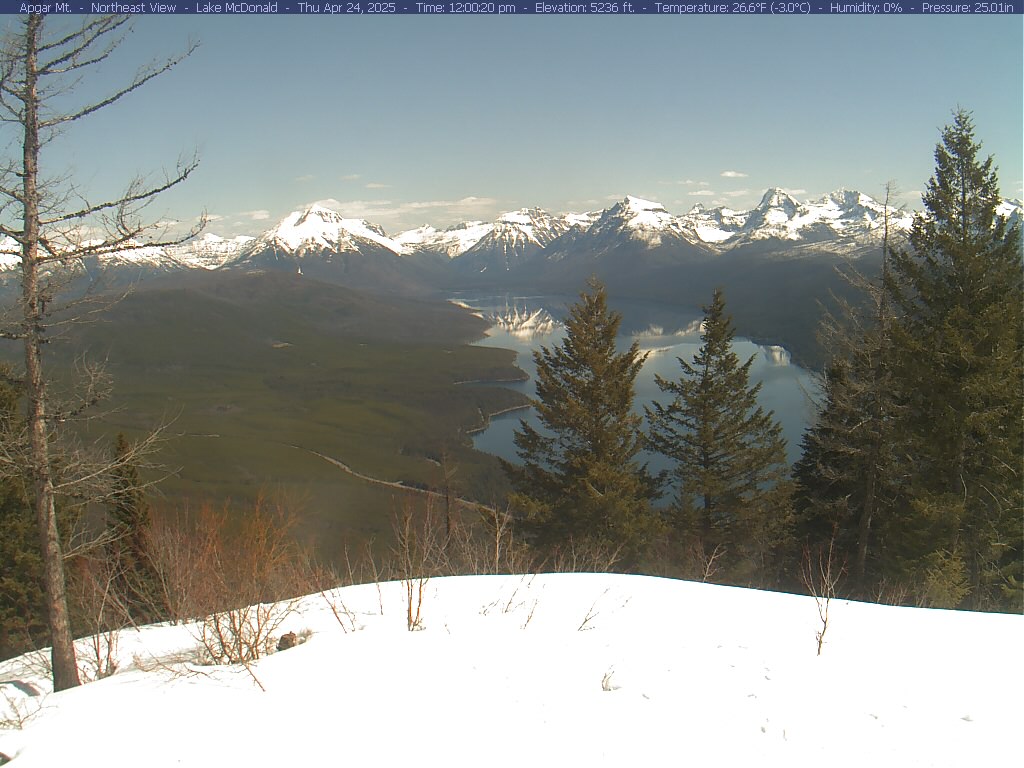 Apgar Mountain
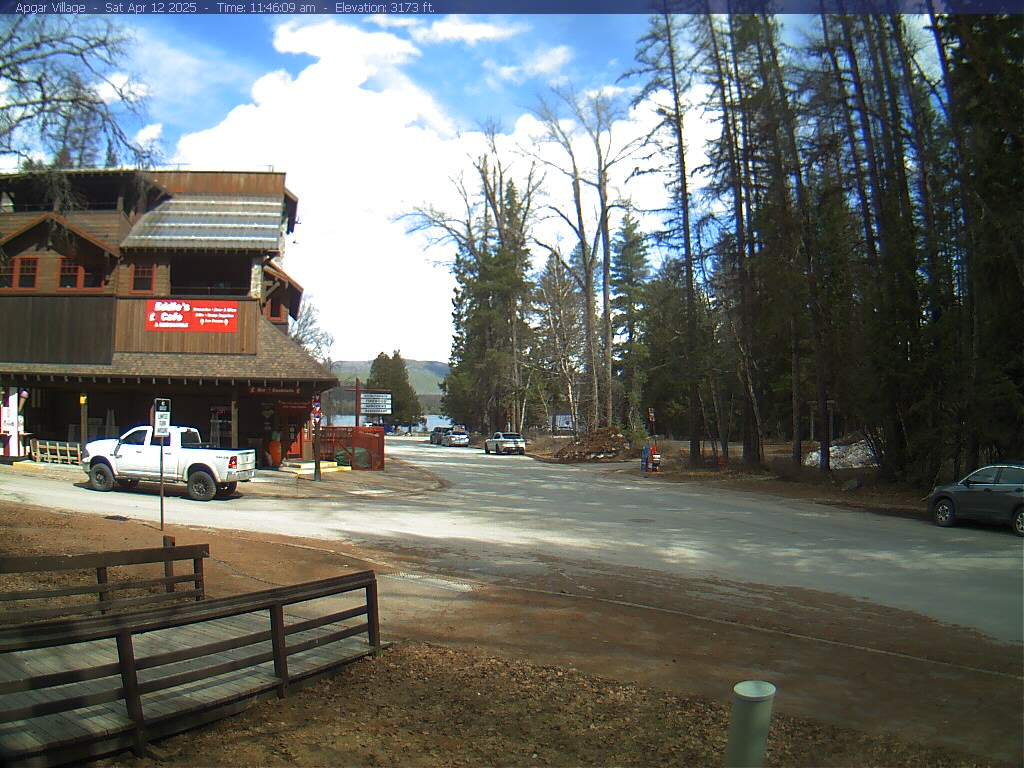 Apgar Village
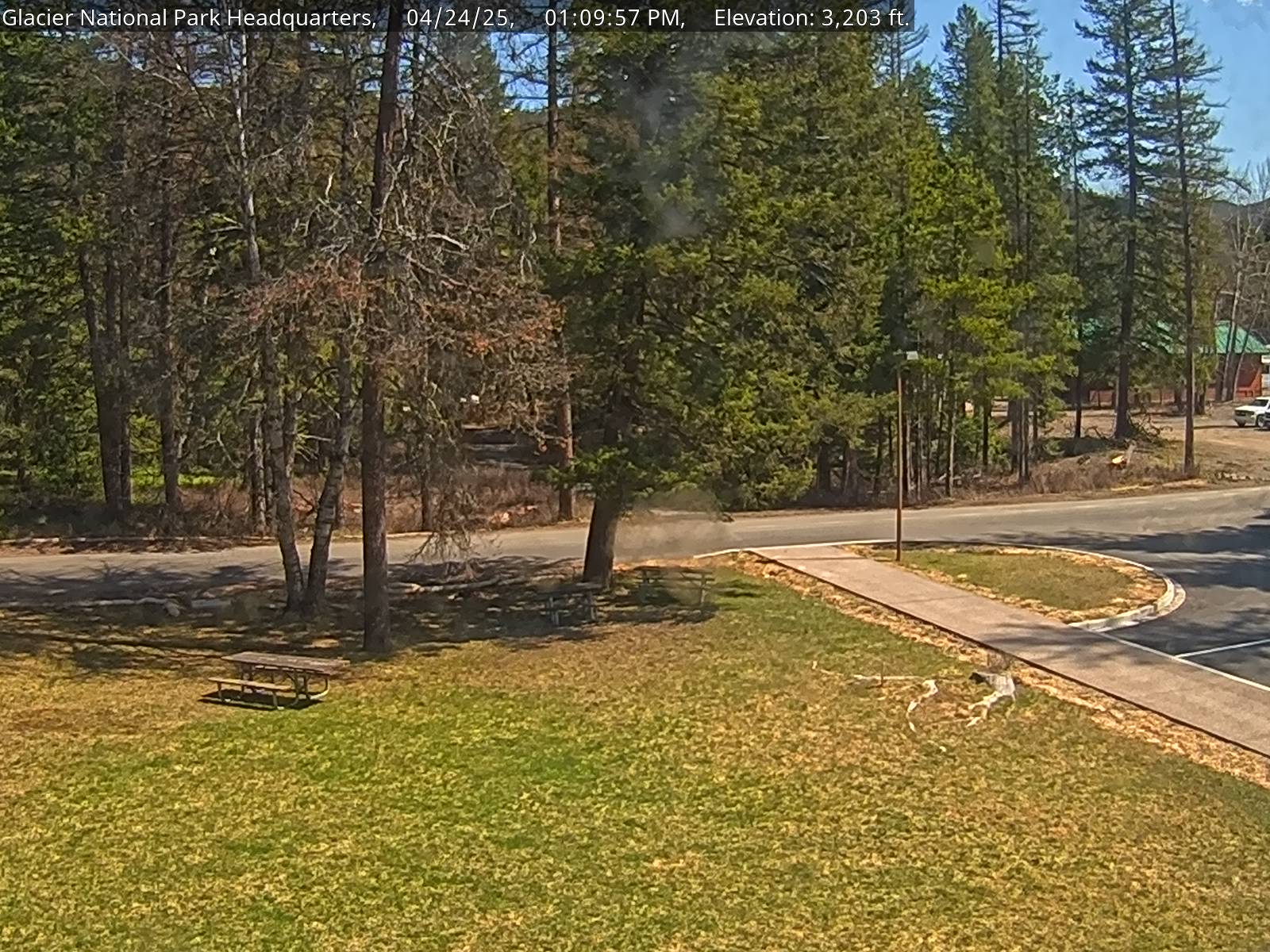 Park Headquarters
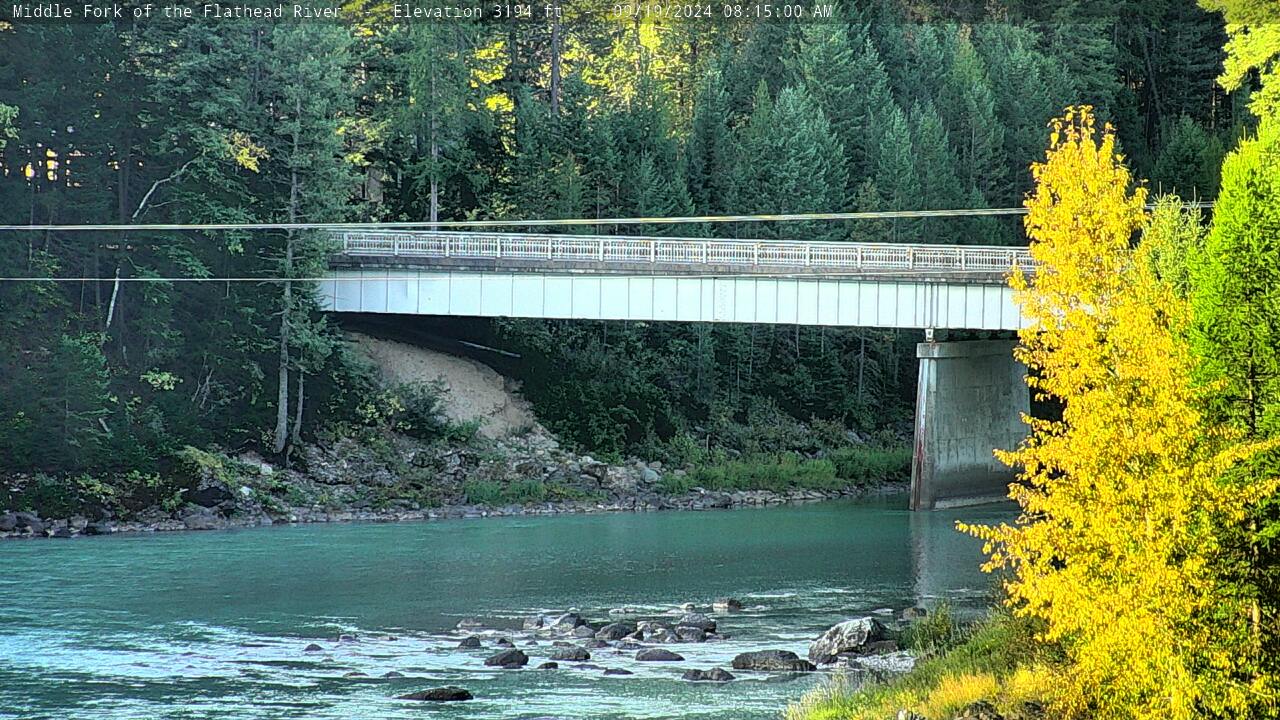 Middle Fork of the Flathead River
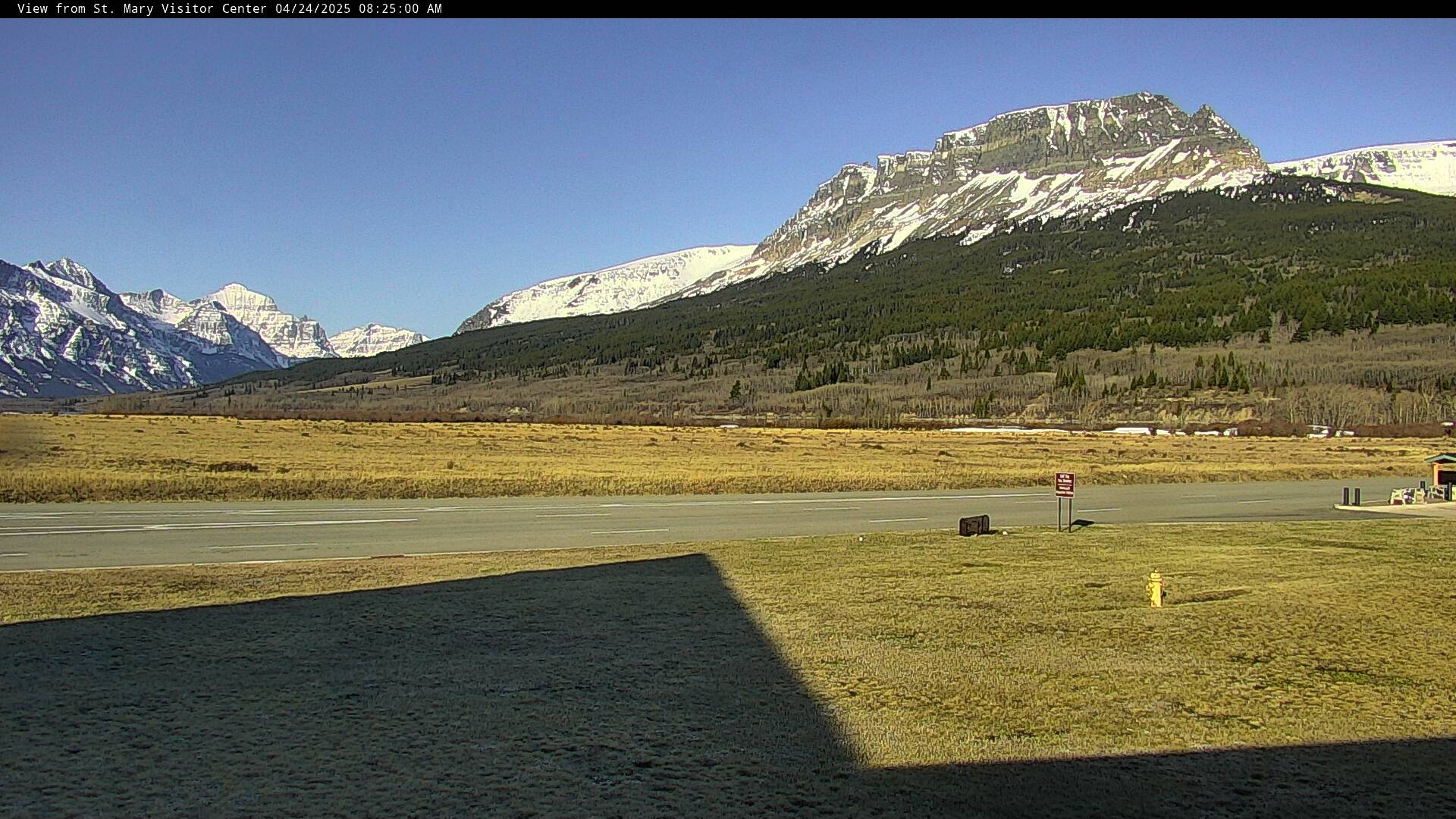 St. Mary Visitor Center
Camera images load live from the National Park Service and partner agencies
News
- Temporary Closure in Alpine Sections of Going-to-the-Sun Road ↗2026-10-09
WEST GLACIER, Mont. – With temperatures drastically lowering, Glacier National Park is expecting rain and possible snowfall this weekend. Beginning at 7 p.m. on Friday, Oct.
- Tularemia Detected in St. Mary Lake Area of Glacier National Park ↗2026-09-17
WEST GLACIER, Mont. – Park officials have confirmed that a beaver discovered between Upper and Lower St. Mary Lakes in Glacier National Park recently tested positive for tularemia, a rare but serious bacterial disease.
- Glacier National Park Announces Reopening of the Alpine Sections ↗2026-09-09
WEST GLACIER, Mont. – Going-to-the-Sun Road has reopened after park officials made the proactive decision to close it at 5 p.m. on September 6, 2026, due to heavy rain and possible rockfall that made the road…
- Glacier National Park Provides Updates On the 2026 Shuttle System and Logan Pass Parking ↗2026-09-08
WEST GLACIER, Mont. – Glacier National Park today announced that shuttle service and three-hour time limit for parking at Logan Pass will end for the season.
Map
Interactive map by the National Park Service
Historic landmarks nearby


.jpg/960px-Two_Medicine_Camp_Store_(5635326006).jpg)
Public land nearby
Distances are approximate. Wilderness Atlas publishes a center point and an acreage for each area rather than a boundary, so each area is treated here as a circle of the same size and the figure is the gap to that circle.
Guidebooks for Glacier National Park
We earn a small commission if you buy through these links. It does not change what we list.
- Moon Montana and Wyoming: with Yellowstone, Grand Teton and Glacier National ParksCarter G. Walker, 2022Find at Bookshop.org
Local history books for Glacier National Park
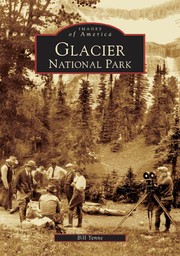
Titles come from Open Library's catalog, matched by subject.
Reference
Wildlife
Seen this monthMountain Goat 10× · American Black Bear 8× · Bighorn Sheep 7× · Dusky Grouse 5× · Brown Bear 4× · Hoary Marmot 3× · Moose 3× · Ruffed Grouse 2×Research-grade observations within 25 km, last 30 days, via iNaturalist
Full checklist: 242 birds, 63 mammalsHide
Raptors & owlsAmerican Kestrel · Bald Eagle · Barred Owl · Boreal Owl · Broad-winged Hawk · Burrowing Owl · Cooper's Hawk · Ferruginous Hawk · Golden Eagle · Great Gray Owl · Great Horned Owl · Long-eared Owl · Merlin · Northern Harrier · Northern Hawk Owl · Northern Pygmy Owl · Northern Saw-whet Owl · Osprey · Peregrine Falcon · Prairie Falcon · Red-tailed Hawk · Rough-legged Hawk · Sharp-shinned Hawk · Snowy Owl · Swainson's Hawk · Turkey Vulture · Western Screech-Owl
Waterfowl & wadersAmerican Coot · American White Pelican · American Wigeon · Barrow's Goldeneye · Black-crowned Night-Heron · Blue-winged Teal · Bufflehead · Canada Goose · Cinnamon Teal · Common Goldeneye · Common Loon · Common Merganser · Double-crested Cormorant · Eared Grebe · Eurasian Wigeon · Great Blue Heron · Greater Scaup · Green-winged Teal · Harlequin Duck · Hooded Merganser · Horned Grebe · Lesser Scaup · Long-tailed Duck (Oldsquaw) · Northern Pintail · Pacific Loon · Pied-billed Grebe · Red-breasted Merganser · Red-necked Grebe · Red-throated Loon · Ring-necked Duck · Ross' Goose · Ruddy Duck · Sandhill Crane · Snow Goose · Trumpeter Swan · Tundra Swan · Western Grebe · Wood Duck · Yellow-billed Loon
Shorebirds & seabirdsAmerican Avocet · Baird's Sandpiper · Black Tern · Black-bellied Plover · Bonaparte's Gull · California Gull · Caspian Tern · Common Snipe · Common Tern · Franklin's Gull · Glaucous Gull · Glaucous-winged Gull · Greater Yellowlegs · Herring Gull · Killdeer · Lesser Yellowlegs · Long-billed Curlew · Long-billed Dowitcher · Marbled Godwit · Pectoral Sandpiper · Red-necked Phalarope · Ring-billed Gull · Semipalmated Plover · Solitary Sandpiper · Spotted Sandpiper · Western Sandpiper · Willet · Wilson's Phalarope
Gamebirds & dovesBand-tailed Pigeon · Dusky Grouse · Mourning Dove · Ring-necked Pheasant · Rock Pigeon · Ruffed Grouse · Sharp-tailed Grouse · Spruce Grouse · White-tailed Ptarmigan
WoodpeckersAmerican Three-toed Woodpecker · Black-backed Woodpecker · Downy Woodpecker · Hairy Woodpecker · Lewis’s Woodpecker · Northern Flicker · Pileated Woodpecker · Red-naped Sapsucker · Williamson's Sapsucker
Hummingbirds & swiftsBlack Swift · Black-chinned Hummingbird · Broad-tailed Hummingbird · Calliope Hummingbird · Rufous Hummingbird · Vaux's Swift
Also on the checklistAmerican Crow · American Dipper · American Goldfinch · American Pipit · American Redstarat · American Robin · American Tree Sparrow · Bank Swallow · Barn Swallow · Bay-breasted Warbler · Belted Kingfisher · Black-billed Magpie · Black-capped Chickadee · Black-headed Grosbeak · Black-legged Kittiwake · Blue Jay · Bohemian Waxwing · Boreal Chickadee · Brewer's Blackbird · Brewer's Sparrow · Brown Creeper · Brown-headed Cowbird · Canvasback · Cape May Warbler · Cassin's Finch · Cassin's Vireo · Cedar Waxwing · Chestnut-backed Chickadee · Chestnut-collared Longspur · Chipping Sparrow · Clark's Nutcracker · Clay-colored Sparrow · Cliff Swallow · Common Nighthawk · Common Raven · Common Redpoll · Common Yellowthroat · Cordilleran Flycatcher · Dark-eyed Junco · Dusky Flycatcher · Eastern Kingbird · European Starling · Evening Grosbeak · Fox Sparrow · Gadwall · Golden-crowned Kinglet · Gray Catbird · Gray Jay · Gyrfalcon · Hammond's Flycatcher · Harris’s Sparrow · Hermit Thrush · Horned Lark · House Finch · House Wren · Indigo Bunting · Lapland Longspur · Lazuli Bunting · Le Conte's Sparrow · Least Flycatcher · Lincoln's Sparrow · Loggerhead Shrike · Macgillivray's Warbler · Mallard · Mccown's Longspur · Mountain Bluebird · Mountain Chickadee · Northern Goshawk · Northern Mockingbird · Northern Parula · Northern Rough-winged Swallow · Northern Shoveler · Northern Shrike · Northern Waterthrush · Olive-sided Flycatcher · Orange-crowned Warbler · Ovenbird · Pine Grosbeak · Pine Siskin · Red Crossbill · Red-breasted Nuthatch · Red-eyed Vireo · Red-winged Blackbird · Redhead · Rock Wren · Rose-breasted Grosbeak · Rosy-Finch · Ruby-crowned Kinglet · Rufous-sided Towhee · Rusty Blackbird · Sage Thrasher · Savannah Sparrow · Say's Phoebe · Snow Bunting · Song Sparrow · Sora · Steller's Jay · Surf Scoter · Swainson's Thrush · Tennessee Warbler · Townsend's Solitaire · Townsend's Warbler · Tree Swallow · Varied Thrush · Veery · Vesper Sparrow · Violet-green Swallow · Warbling Vireo · Western Bluebird · Western Kingbird · Western Meadowlark · Western Tanager · Western Wood-Pewee · White-breasted Nuthatch · White-crowned Sparrow · White-throated Sparrow · White-winged Crossbill · White-winged Scoter · Willow Flycatcher · Wilson's Warbler · Winter Wren · Yellow Warbler · Yellow-headed Blackbird · Yellow-rumped Warbler
Small mammalsColumbian ground squirrel · beaver · bushy-tailed wood rat · chipmunk (red tailed) · chipmunk (yellow pine) · deer mouse · golden-mantled ground squirrel · hoary marmot · least chipmunk · long-tailed vole · masked shrew · meadow vole · montane heather vole · montane shrew · muskrat · northern bog lemming · northern flying squirrel · northern pocket gopher · northern water shrew · pika · porcupine · pygmy shrew · red squirrel · red-backed vole · richardson's ground squirrel · snowshoe hare · thirteen-lined ground squirrel · vagrant shrew · water vole · western jumping mouse · white-tailed jackrabbit · yellow-bellied marmot
PredatorsGrizzly bear · badger · black bear · bobcat · coyote · fisher · gray wolf · least weasel · long-tailed weasel · lynx · marten · mink · mountain lion · red fox · river otter · short-tailed weasel · striped skunk · wolverine
Hoofed mammalsbighorn sheep · elk · moose · mountain goat · mule deer · white-tailed deer
Batsbig brown bat · hoary bat · little brown bat · long-eared bat · long-legged bat · silver-haired bat
Also on the checklistracoon
Activities
Activity guides for this park Camping in the national parks · Canoeing and kayaking in the national parks · Fishing in the national parks · Hiking in the national parks · Horseback riding in the national parks · Rock climbing in the national parks · Skiing in the national parks · Stargazing in the national parks
All 41 activitiesHide
Weather & climate
Glacier's weather is highly variable and can be extreme. Expect warm, sunny summer days but be ready for any type of conditions. In the winter, temperatures can fall well below freezing and typically the park receives considerable amounts of snow. Glacier's geography, straddling the Continental Divide, sets the stage for clashes of two very different climates. Warm, wet Pacific air moves in from the west, and cold, dry Arctic air flows from the northeast. They meet at the Divide.
Questions people ask
How much does it cost to enter Glacier?
Entrance is $35 per private vehicle, $30 per motorcycle, and $20 per person on foot or bike. (Winter Rate - $25.00, November 1 to April 30) This is an entrance fee for all persons traveling in a single, private, non-commercial vehicle (car/truck/van).
Source: National Park Service
Which passes work at Glacier?
The $80 America the Beautiful pass covers the entrance fee here, and a Glacier-only annual pass is $70.
Source: Is the pass worth it
Can I pay the entrance fee in cash?
No. Glacier takes cards only at the entrance.
Source: National Park Service
Do international visitors pay more at Glacier?
Yes. Visitors who are not US residents, age 16 and up, pay a $100 surcharge on top of the entrance fee, or carry the $250 Non-Resident Annual Pass.
Source: The nonresident fee, explained
When is entrance to Glacier free?
Next on October 27, Theodore Roosevelt's birthday. 2 fee-free days are left this year, for US residents only.
Source: Free entrance days
Do I need a reservation to enter Glacier?
No. There is no timed-entry or entrance reservation at Glacier. Camping and some tours have their own reservations.
Source: National Park Service
Is Glacier open year-round?
Yes. The grounds are open 24 hours a day, year-round.
Source: National Park Service
Can I camp in Glacier?
Yes. The Park Service lists 13 campgrounds in Glacier: Kintla Lake, Logging Creek, Quartz Creek, Rising Sun, and Many Glacier, and more. 8 take reservations through Recreation.gov.
Which Glacier campgrounds have showers, hookups, or a dump station?
Showers: Rising Sun, St. Mary, Apgar, and Fish Creek. Dump station: Kintla Lake, Rising Sun, Many Glacier, St. Mary, Two Medicine, Apgar, Bowman Lake, and Fish Creek.
Source: Campgrounds
Do camping fees at Glacier include the entrance fee?
No. Camping is charged per night on top of the entrance fee or a pass; Logging Creek is $15 a night.
Source: Campgrounds
Is anything closed at Glacier right now?
1 active alert as of October 14, 2026: Going-to-the-Sun Road Temporary Closure.
Source: Alerts
How busy is Glacier?
3,136,557 recreation visits in 2025, number 28 of 387 units that report visitation.
Source: Most visited parks
Follow this park
- Alerts feed (RSS)
- Every active Park Service alert for this unit, one item each, rebuilt with the nightly data refresh.
- Add dates to your calendar (.ics file)
- Fee-free entrance days that apply here and each published hours exception, as all-day events.
More in Montana