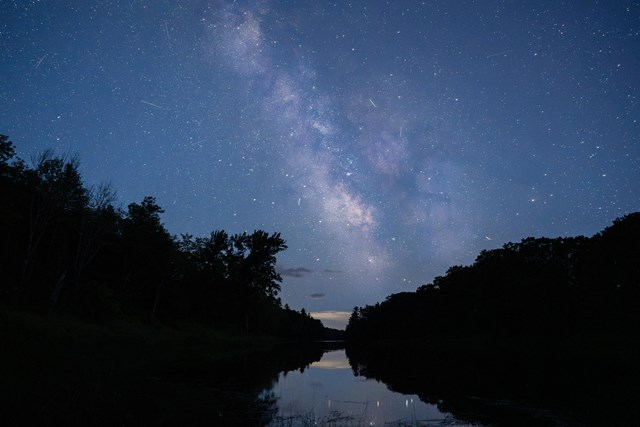
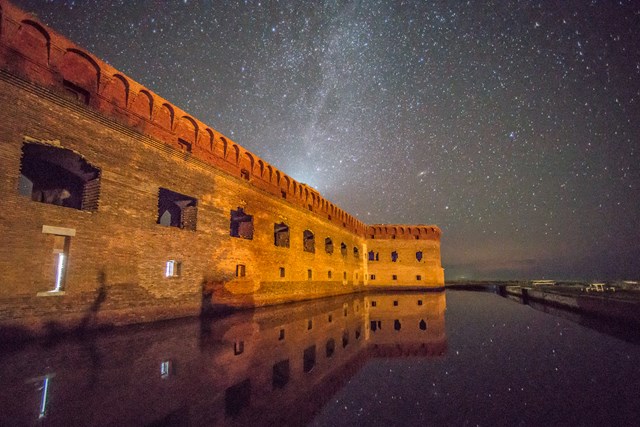
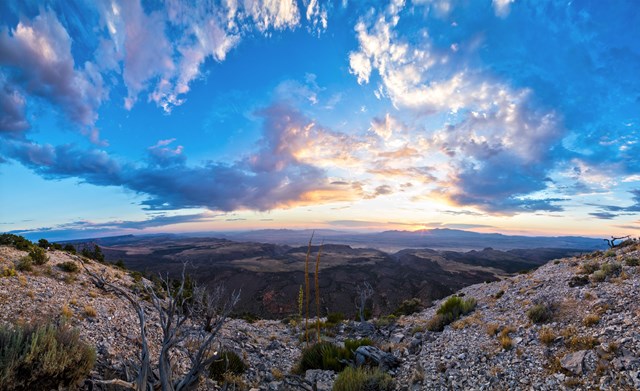
The Milky Way is still there. The streetlights got in the way. The Park Service lists 110 units with stargazing, and those with a Dark Skies badge have formal certification for protecting what most cities have lost. But a badge cannot clear clouds or switch off the moon. A clear night around a new moon at a good park beats a full-moon night at the darkest one.
The ten below are chosen for the sky *and* the view from the ground: a desert you can reach in winter, a canyon rim you can visit after dinner, a high basin worth the extra layer. The directory, with its certified-dark-sky badges, follows the guide.
The ten best national parks for stargazing
01Big Bend
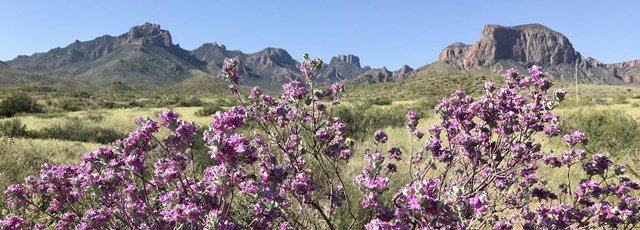
Big Bend fees, hours and alertsThe Park Service calls Big Bend the darkest national park night sky in the lower 48. It is easy to believe once the last headlight disappears on the long drive into West Texas. The park earned International Dark Sky Park status in 2012; the Chisos rise out of the desert and the nearest major city is nowhere near the horizon. Bring a chair to a spot away from the developed areas and give your eyes time to catch up. Late fall through spring trades the summer heat for nights you actually want to spend outside.
02Great Basin
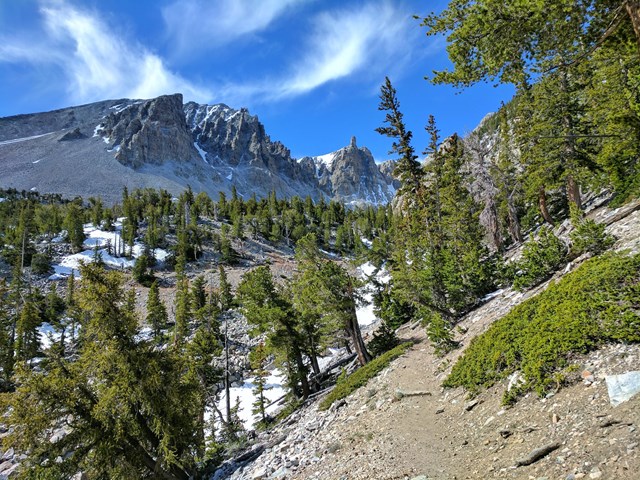
Great Basin fees, hours and alertsGreat Basin has the rare luxury of options: low sagebrush with an open horizon, high country beneath Wheeler Peak, and astronomy rangers who will teach you where to look. On a clear, moonless summer night, the Park Service says the Milky Way and thousands of stars are visible. It also recommends waiting up to 30 minutes for your eyes to adjust. That is a useful correction to the habit of stepping out of a car, looking up for twelve seconds, and declaring a sky overrated. Summer gives the high-country visitor a better shot at accessible roads; winter has Orion and the Pleiades, if you are dressed for it.
03Death Valley
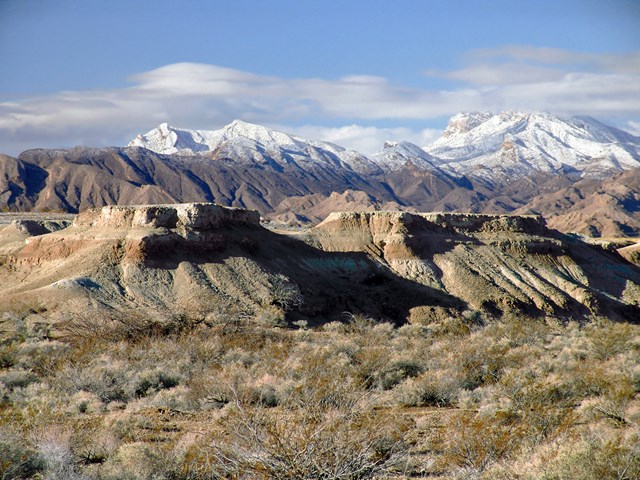
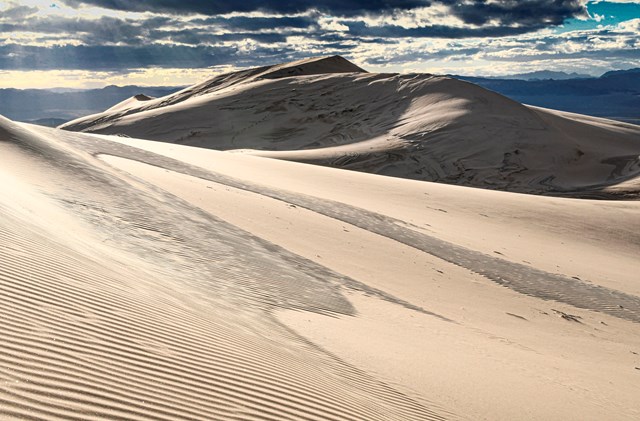
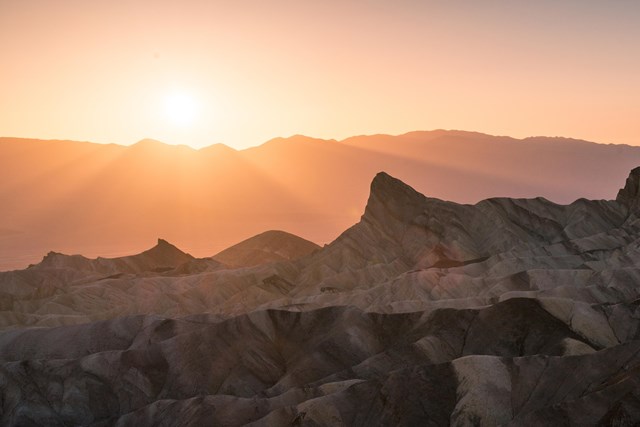
Death Valley fees, hours and alertsDeath Valley holds a Gold Tier dark-sky designation, but the practical advantage is a desert night you can enjoy when much of the mountain West is under snow. The Park Service suggests new-moon visits for faint stars and winter ranger programs for company. Its full-moon walks make the opposite case: the moon washes out the Milky Way, then lights the salt flats and dunes well enough to walk by. Pick which night you want. They are different trips.
04Bryce Canyon
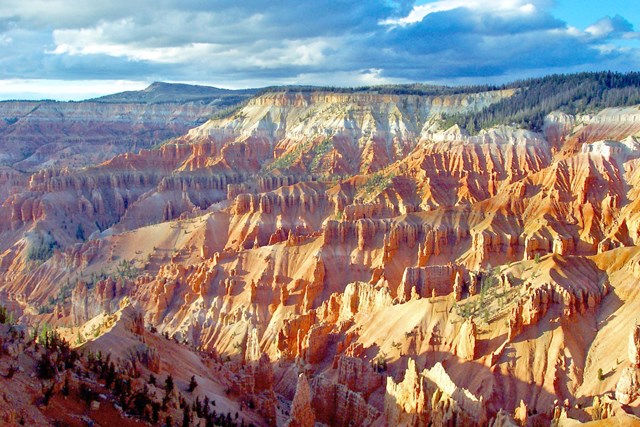
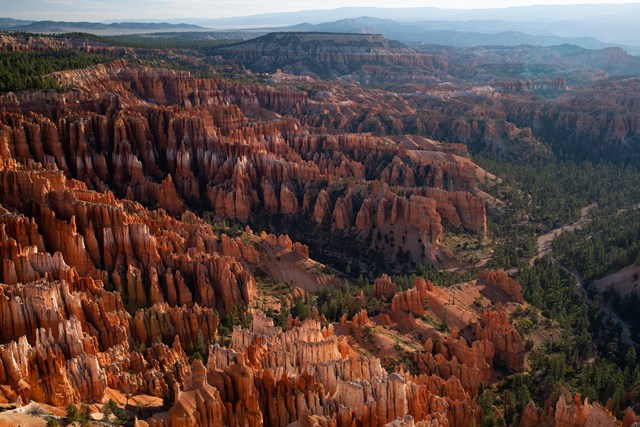
Bryce Canyon fees, hours and alertsAt Bryce, altitude does part of the work. The plateau's clean air and dark horizon made the park an International Dark Sky Park in 2019, and the hoodoos give the foreground something to do while you wait for the stars. The Park Service runs both dark-sky programs and full-moon hikes, a helpful reminder that astronomy is not only a contest to see the faintest object. Bring a layer even after a hot day below the rim; this is a high plateau, not a warm desert floor.
05Canyonlands
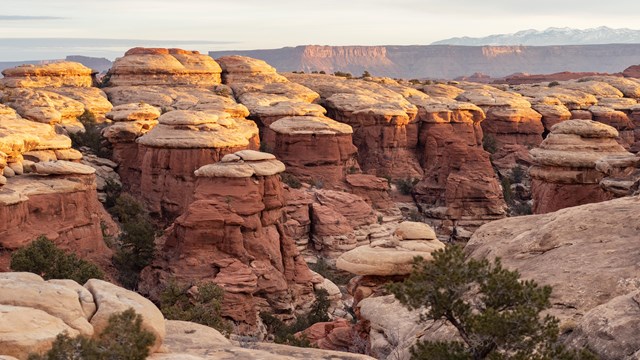
Canyonlands fees, hours and alertsThe Milky Way over Grand View Point is the photograph that sells the trip. What the photograph cannot show is how surprising a moonless night feels in a place with so little stray light. The park asks visitors to check clouds and the moon phase, use a red light, and give their eyes a chance. Island in the Sky is the accessible first choice for a night-sky stop; choose your viewing spot in daylight so the drive back is the only navigation you have left to do in the dark.
06Black Canyon of the Gunnison
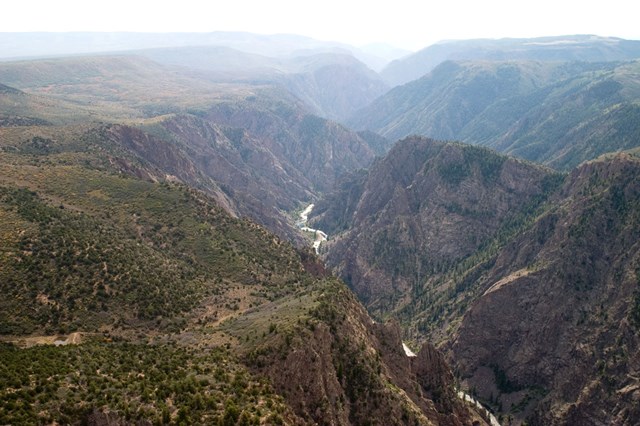
Black Canyon fees, hours and alertsA 2015-certified dark-sky park with a useful feature: it does not close at night. South Rim overlooks such as Chasm View, Dragon Point and Sunset View are listed by the Park Service as places to watch, with summer astronomy programs if you prefer a telescope and a ranger to a solitary turnout. Stand back from the edge. The canyon is dramatic enough by daylight, when you can see where it drops.
07Joshua Tree
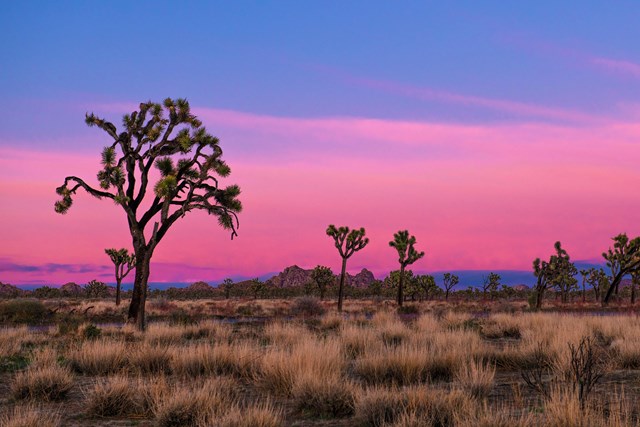
Joshua Tree fees, hours and alertsJoshua Tree is the first dark-sky park many Southern Californians reach without turning the trip into an expedition. The boulders and branching silhouettes look especially good under a summer Milky Way, but desert heat makes fall through spring the kinder season for sitting out. The park's night-sky advice is clear on two things: protect your night vision with red light, and do not turn a roadside turnout or parking lot into an illegal overnight campsite. Watch, then drive out or sleep in an actual campground.
08Arches
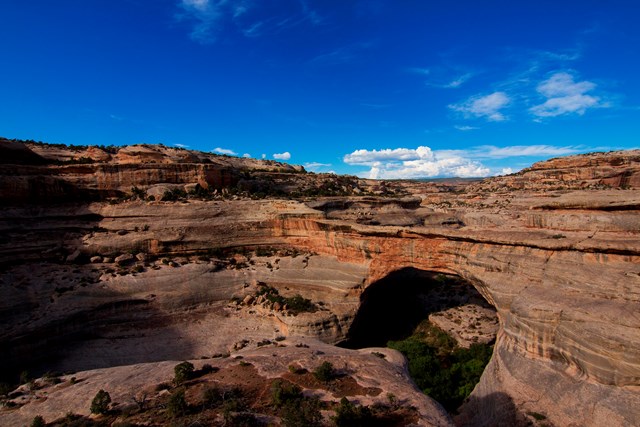
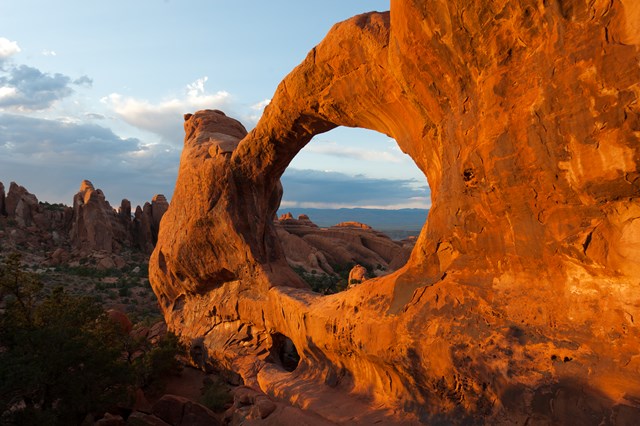
Arches fees, hours and alertsAn arch is a frame; at night the subject changes. The Park Service names Panorama Point among its stargazing locations and advises checking moonrise as well as the moon's phase: even a bright moon is irrelevant while it is below the horizon. A visit can start with the rocks at sunset and end with the sky, without pretending the whole park is equally easy to navigate by red headlamp. Stay on established routes and make the return walk familiar before dark.
09Grand Canyon
Grand Canyon fees, hours and alertsThe canyon is a black shape until your eyes learn to separate rim from sky. Grand Canyon's dark-sky designation is deserved, and the Park Service encourages self-guided viewing as well as ranger events. The South Rim gives you accessible overlooks and a night you can fold into a regular park visit; do the actual walking and edge-finding in daylight. The stars are much easier to enjoy when you are not using a phone flashlight to find the car.
10Mesa Verde
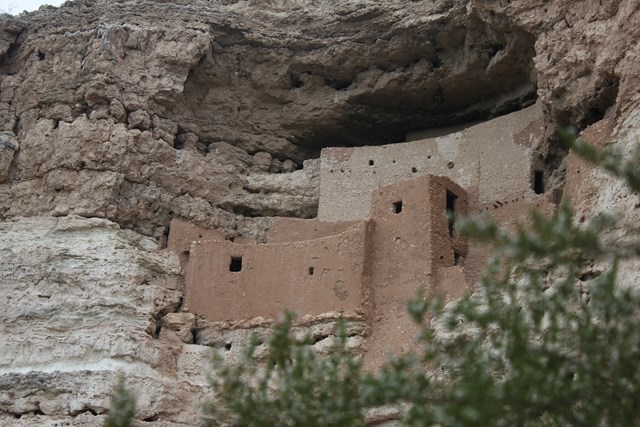
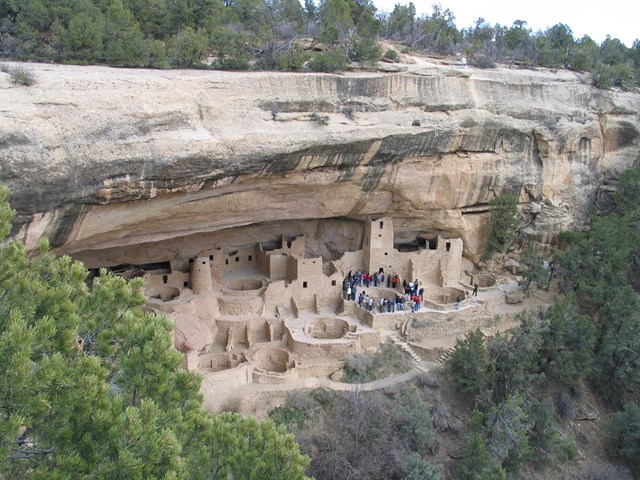
Mesa Verde fees, hours and alertsThe world's 100th International Dark Sky Park, certified in 2021, puts dark skies above a landscape whose human history already demands attention. Point Lookout makes a fine night-sky frame; ranger programs add telescope time when they are on the calendar. Check current tour and road hours separately from night-sky access rather than assuming a daytime cliff-dwelling itinerary gives you the same access after dark.

Plan the night, not just the park
Start with the moon. For the Milky Way and faint stars, choose dates near a new moon, or hours before moonrise or after moonset. For moonlit rock and a walk by natural light, do the opposite. Black Canyon's astronomy guidance explains the trade plainly: summer faces the bright center of our galaxy; in winter we face its quieter edge. A full moon changes the subject of the evening.
Then look at clouds and access. A forecast matters more than a park's reputation. Check sunset, moonrise, cloud cover, road closures and the park's current ranger schedule before you drive. The Dark and clear tonight map does that arithmetic for you, scoring every federal campground and certified dark-sky place on cloud cover, moon phase, night lights and air quality; 70 and up is a good night. Arrive while you can still see the path, choose a safe viewing spot, and allow roughly half an hour for your eyes to adapt. One careless white headlamp resets the process for everyone nearby.
Treat a meteor shower as a bonus, not a guarantee. The Perseids recur in August and the Geminids in December; NPS notes that the moon and weather change the show from year to year. Find the annual peak dates for the year you travel, then check the moon phase. Meteors cross broad swaths of sky, so a reclining chair beats staring through a telescope at one patch.
Pack for being still. Warm layers, a chair or blanket, water and a red-light headlamp earn their space. Binoculars help with star fields; the naked eye is enough to start. Stay on marked ground, leave wildlife alone, and let the night sound like night. The fastest way to spoil a dark-sky park is to illuminate it for a better photograph.
Astronomy programs worth making a night of
Grand Canyon Star Party. The park runs an annual telescope gathering, though locations and programs can change. Check the park schedule for the next edition, its rim locations, weather changes and any cancellation. Past South Rim events included volunteer astronomers, evening talks and constellation tours. It is a way to learn the sky from people who brought the telescopes.
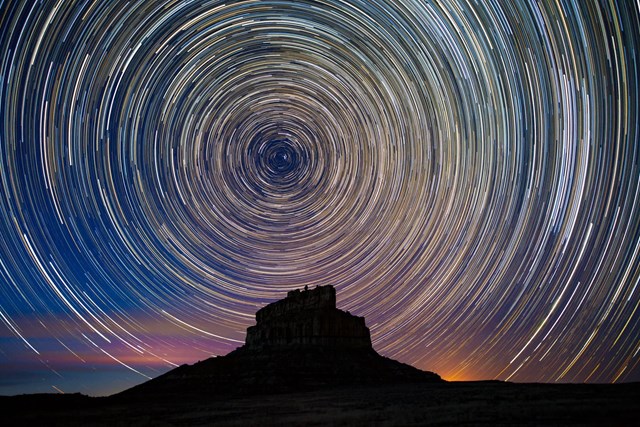
Chaco's Night Sky Program. Chaco Culture has included astronomy in its public interpretation since 1991. The program connects contemporary sky viewing with the Chacoan people's knowledge of the sun, moon and stars. Its 2013 dark-sky certification is a later chapter in the same effort. Check the current program calendar before a remote drive.
Great Basin after dark. Great Basin has long used "Half the Park Is After Dark" for its night-sky programming. The phrase is memorable; the trip still depends on whether a ranger event actually runs on your night. The program schedule changes by season. Pair the park's live calendar with the moon and weather checks above.
Build the night around a real event. A telescope program may be seasonal, staffed only on certain nights or called off by clouds. Search the park's current events page for "night sky" or "astronomy," confirm the location and plan your drive in daylight. You can always look up on your own; you cannot improvise a ranger's telescope at a closed visitor center.
Why the darkness has a badge
A dark sky is not just a lucky accident of geography. Parks have to manage their own lights while nearby towns and development press outward. Big Bend's 2012 designation followed measurements and lighting changes; Mesa Verde's 2021 certification recognizes continuing protection, not a one-time photograph. The Park Service also studies sky brightness across the system. That little badge in the directory marks active work to keep a resource visible, one most people lost without noticing exactly when.
All 110 parks with stargazing and astronomy
Below are Park Service units that list stargazing. Some have formal dark-sky certification and others do not. Open a park listing for fees, hours and alerts; certification is a useful first filter, not permission to skip the weather forecast.
Free to enter Charges an entrance feePoints are the Park Service reference point for each unit, not a boundary.