Cross-country skiing can be a glide down a set track or a hard-earned route through fresh snow, and the parks hold both. The Park Service lists 49 units with cross-country skiing, but a listing hides what matters most on the day: whether a road is groomed, how you get to its trailhead and whether the terrain asks for navigation or avalanche skills. Acadia's historic carriage roads can offer volunteer-set tracks after enough snow. Grand Teton has a groomed winter road beneath the range, but also unmarked routes and seasonal wildlife closures. Yellowstone's inner destinations require oversnow transportation. Crater Lake's rim can be deep, ungroomed and exposed. These are not variations of the same maintained Nordic center, and treating them that way is how a ski day goes wrong.
Start with the kind of snow day you actually want. The ten below cover the range, from a ticketed Vermont Nordic center to a caldera rim that demands a permit and three days.
The ten best parks for cross-country skiing
01Acadia: carriage roads if the snow and ground cooperate
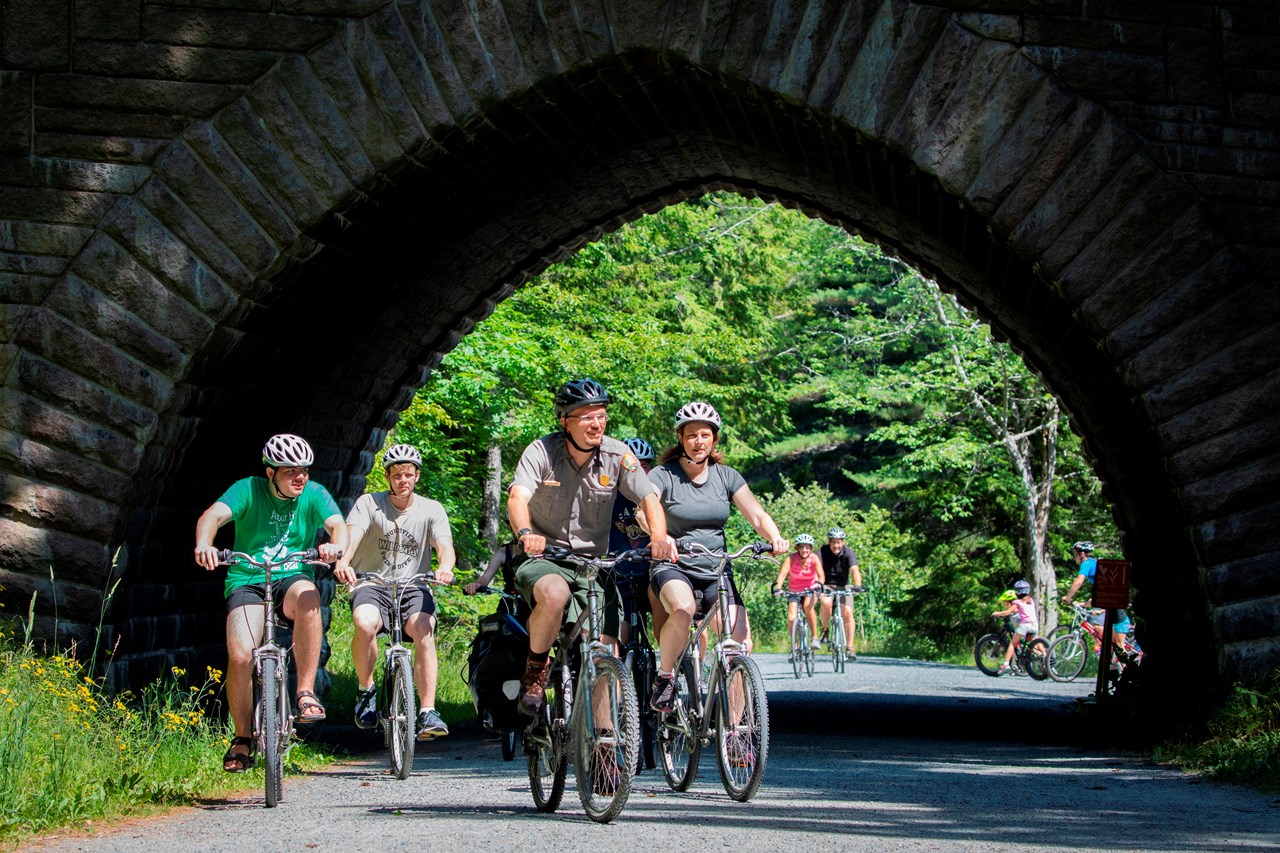
Acadia fees, hours and alertsAcadia has roughly 45 miles of historic carriage roads through forest, over stone bridges and past lakes. They are shared multi-use routes, not ski-only corridors. According to the NPS carriage-road guide, volunteers groom portions and set ski tracks when snowfall exceeds six inches and the roadbed is frozen. Six inches in one weather report does not guarantee a full network of smooth tracks: check the current Friends of Acadia grooming report and park access before picking a loop.
Choose a start point based on plowed winter parking and actual groomed sections. If the surface is thin or the track breaks, bring the skill and equipment to handle ungroomed stretches, or choose another outing. Walkers and snowshoers share the roads, but the park asks them not to trample prepared ski tracks.
02Grand Teton: a groomed road below serious mountains
Grand Teton fees, hours and alertsGrand Teton gives a skier a choice between the more approachable groomed Teton Park Road and much less controlled winter travel in the mountains. The NPS skiing guide points to the groomed-road option, but warns that other winter trails may be neither marked nor flagged. A groomed road is not evidence that nearby forest or slope is prepared too.
Wildlife need space in winter. The park lists seasonal closures along the Snake River bottom and other areas, some running roughly December through April, subject to alerts and extensions. Check the current map and avoid following tracks into a closed zone. Farther into avalanche terrain, NPS calls for a beacon, probe and shovel and the ability to use them, with a current Bridger-Teton forecast. A skier who only wants a steady glide should stay on suitable road terrain and turn back when snow, weather or navigation demands more.
03Yellowstone: plan winter transport as carefully as the ski
Yellowstone fees, hours and alertsYellowstone allows skiing and snowshoeing on unplowed roads and trails, but says only a few trails are groomed. Mammoth, Tower and northeast-area opportunities can be reached from the North Entrance; West Yellowstone has its own area trails. To reach Old Faithful or Canyon ski routes in winter, the NPS ski guide says visitors need a guided snowcoach or snowmobile tour, or a permit through the non-commercial snowmobile access program. A summer road map can be misleading when the road is not open to ordinary cars.
Even a named trail passes through a wild park. NPS warns of changing weather, wildlife, thermal areas, open streams, deep snow and avalanche terrain. Keep out of hydrothermal ground rather than following an inviting patch of bare earth, and yield to vehicles on open road sections. Before choosing a route, confirm winter access, current trail conditions, the return transportation and your daylight margin.
04Crater Lake: ungroomed snow around a caldera
Crater Lake fees, hours and alertsCrater Lake describes marked and unmarked routes through forest, along West Rim Drive and toward Vidae Falls on East Rim Drive. None are groomed, according to the NPS winter-ski page. Powder, ice, slush and deep snow can all occur, and skiers may need to break trail. A first visit should use a short park-described route with a clear turnaround, not an assumption that an unplowed road is a maintained ski track.
The full 31-mile circuit around the lake is a different undertaking. NPS describes it as a demanding multi-day trip, typically around three days in clear weather, with avalanche paths and a required backcountry permit. Skiing is prohibited inside the caldera, along Highway 62 and in parking lots, and skiers should not use the road to Rim Village. Check current road access and weather before driving up, and use park maps rather than improvising a descent toward the lake.
05Rocky Mountain: choose a gentle forest route, not any slope
Rocky Mountain fees, hours and alertsRocky Mountain offers cross-country skiing in snow-covered forest and open country. Its winter recreation guide says the west side generally has deeper snow and terrain better suited to cross-country skiing, while skiing is possible elsewhere in the park. It also directs visitors to current snow-depth, trail-condition and avalanche information. A general invitation to ski does not mark or groom every route.
Choose a trail whose grade, snow cover and return distance suit the group. The west side's deeper snow can be appealing, but it can also slow a beginner who expected a compacted track. This is an alternative for skiers who want to select a modest forest outing; it is not a substitute for a live grooming report or a winter map.
06Glacier: quiet roads between avalanche paths
Glacier fees, hours and alertsGlacier keeps most of its winter routes unmarked and unplowed, and that is the appeal. The NPS ski page describes trails and routes for all skill levels, then spends most of its words on what can hurt you: avalanches are the major danger, travel on frozen lakes is strongly discouraged, and cross-park trips are for experienced, well-equipped parties only. Snowmobiles are not permitted anywhere in the park, so the quiet is real.
There are no ski rentals inside the park; outfitters in surrounding communities handle gear. Most winter routes are not marked, so carry a real map, check for area and trail closures, and look at the current avalanche forecast before committing to anything steeper than a road grade. Glacier in winter is as close as the Lower 48 gets to having a national park to yourself, and it prices that solitude in self-reliance.
07Bryce Canyon: rim trails above the hoodoos
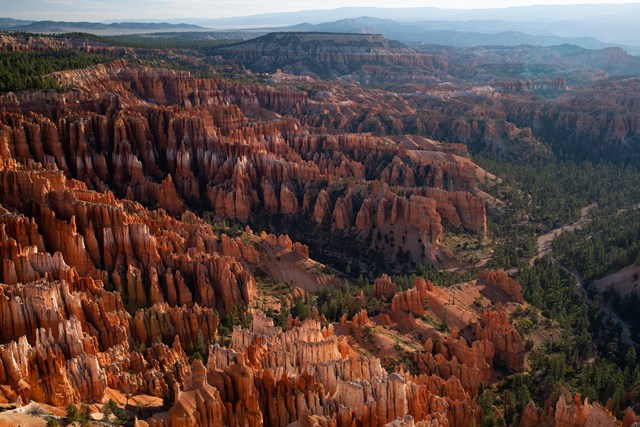
Bryce Canyon fees, hours and alertsBryce Canyon forbids skiing off the rim into the canyon itself, which turns out to be no loss. The park's winter guidance lists routes above the rim: sections of the Rim Trail along the Main Amphitheater, the Bristlecone Loop, the Paria Ski Loop, and the unplowed Fairyland Point and Paria View roads, which close to vehicles for the season but stay open to skiers and snowshoers. Bryce Canyon City maintains groomed ski trails just outside the park, and Ruby's Inn in town rents skis and snowshoes.
The main park road closes temporarily at mile 3 after snowstorms so plows can clear the higher southern drive, so check current conditions before aiming for the far end. The reward for timing it right is one of the stranger sights in winter recreation: fresh tracks along a rim with red rock amphitheaters dropping away beside you.
08Sleeping Bear Dunes: a groomed trail with a Lake Michigan view
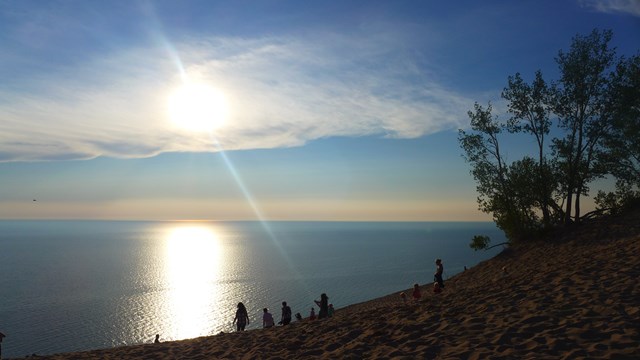
Sleeping Bear Dunes fees, hours and alertsSleeping Bear Dunes is the rare park where you can count on a set track. The park's winter page says the Sleeping Bear Heritage Trail is groomed for both classic and skate skiing, with conditions updated through the Friends of Sleeping Bear Dunes. Other park ski trails are not groomed but are usually well tracked by previous skiers, which is its own kind of reliability on a popular weekend.
The Heritage Trail is a paved multi-use path in summer, so its winter grades stay gentle: this is where you bring someone for a first ski day, not where you test yourself. Ranger-led snowshoe hikes run in winter for the non-skiers in the group. For a groomed glide through dunes country within sight of Lake Michigan, nothing else on this list competes.
09Voyageurs: borrow the skis, ski the border lakes
Voyageurs fees, hours and alertsVoyageurs removes the two usual excuses. In winter the park runs an equipment program out of the Rainy Lake Visitor Center, renting cross-country skis, boots and poles for $10 for adults and $5 for children 16 and under, with snowshoes alongside. The Echo Bay Ski Trail near Kabetogama Lake offers three tracked loops through mixed forest and past beaver-made wetlands, from a gentle first loop to rockier, more demanding terrain farther out. The park posts a weekly winter ice and trail conditions report through the season.
One caution matters here more than anywhere: Voyageurs is a lake park, and frozen water is its winter highway for snowmobiles and ice roads, not for skiers. Stick to the staked, maintained routes and treat any lake crossing as a decision, not a shortcut.
10Marsh-Billings-Rockefeller: the only national park with a Nordic center
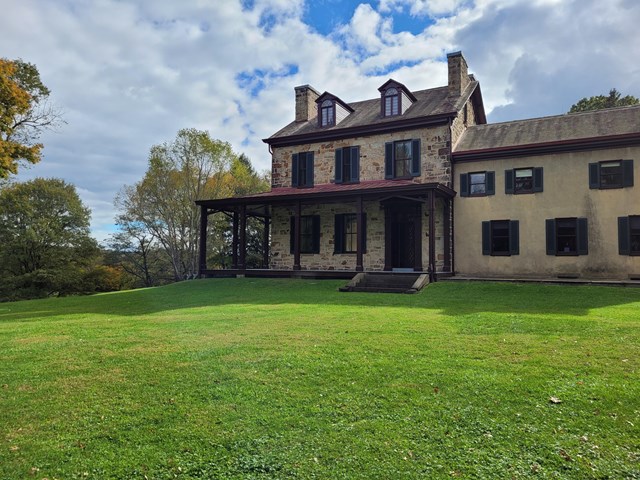
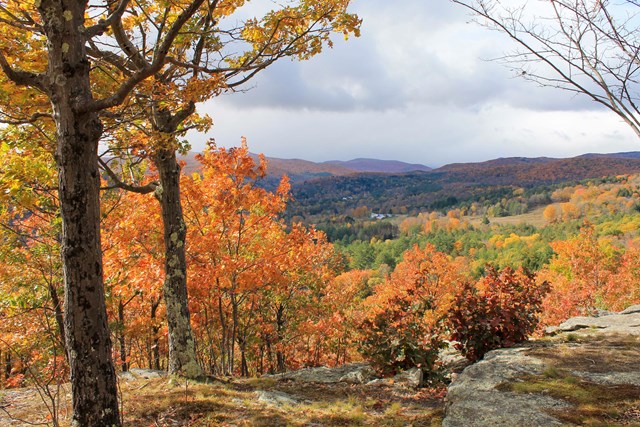
Marsh - Billings - Rockefeller National Historical Park fees, hours and alertsMarsh-Billings-Rockefeller in Vermont is the outlier that proves what the other nine are not. The Woodstock Inn & Resort Nordic Center holds an easement on the park's carriage roads and grooms over 12 miles of park trails as part of its larger network, and skiing them requires a day ticket or season pass sold at the Nordic Center on Route 106. About 4 miles of main carriage-road corridors stay free for walkers on a multi-use basis, provided they keep out of the ski tracks.
This is the pick when the group wants guaranteed grooming, a warm lodge, rentals and a lesson rather than a winter adventure. It is also a fitting home for it: the park tells the story of American conservation and managed forest, and a maintained ski trail through that working landscape is very much in character.






When to go
November and December are the wait-and-see months. High parks like Crater Lake, Yellowstone and Lassen can hold skiable snow by Thanksgiving, while lower parks like Acadia and Cuyahoga Valley may see their first real cover weeks later. Early-season skiing means thin cover, hidden rocks and streams that have not frozen; patience is cheaper than new bases.
January and February are the reliable core of the season almost everywhere on this list. Grooming programs run at full strength, rental operations keep regular hours, and the days are short enough that an honest turnaround time matters more than ambition.
March and April bring the best weather and the worst assumptions. Long sunny days make the big routes tempting, but warm snow is heavy, afternoons turn to slush and avalanche danger often peaks in spring. Start early, watch the forecast and treat a firm morning crust as the gift it is.
How to plan a park ski day
- 1
Check five things separately: road access, actual grooming, snow depth, weather and the avalanche forecast. A park winter page can explain a route but cannot promise it is ready this morning.
- 2
Match the route to the weakest skier. A groomed road and an unmarked trail can share a trailhead; only one of them forgives a beginner.
- 3
Carry the winter kit: map, warm layers, food, water, headlamp and a way to turn back with daylight to spare. Tell someone where you are going.
- 4
Respect the closures. Winter wildlife closures protect animals at their most stressed, and set ski tracks are ruined by boots and snowshoes. Keep off both.
- 5
Make an honest call in avalanche terrain. If a route crosses it, either bring qualified partners, equipment and the forecast, or choose less exposed terrain. There is always a lower-angle option.
The long history of skinny skis in the parks
Cross-country skiing is the oldest form of the sport, and it reached America as transportation, not recreation. The most famous proof is John "Snowshoe" Thompson, a Norwegian immigrant who carried the mail over the Sierra Nevada between California and Nevada for two decades starting in 1856, hauling packs of up to a hundred pounds on homemade ten-foot skis through whatever winter threw at the range. Settlers from Scandinavia brought the same practical skiing to the Midwest, where farm kids skied to school long before anyone sold a lift ticket.
Downhill skiing took over the American imagination in the 1930s and boomed after the Second World War, and the national parks went along: rope tows and ski areas operated inside several parks, and rangers patrolled on skis because it was the only way to move. Nordic skiing never disappeared, but it lived at the margins until the 1970s, when a back-to-nature wave and Bill Koch's 1976 Olympic silver medal, the first cross-country medal ever won by an American, set off a revival. Suddenly the skinny ski was a statement: quieter, cheaper, closer to the land.
The parks turned out to be the natural home for that idea. As downhill ski areas consolidated around resorts, the parks offered what resorts could not: carriage roads, unplowed scenic drives and frozen valleys with no base lodge at the end. Today the Park Service keeps the whole spectrum alive, from a groomed and ticketed Nordic center in Vermont to a caldera rim in Oregon where your permit and your judgment are the only infrastructure. The gear has changed since Thompson's ten-foot planks. The bargain has not.
All 49 parks with cross-country skiing
Below is every Park Service unit that lists cross-country skiing. Click through for each park's fees, hours and alerts. The cards are not a live trail report: use each park's current winter conditions, access map and grooming information before setting out.
Free to enter Charges an entrance feePoints are the Park Service reference point for each unit, not a boundary.