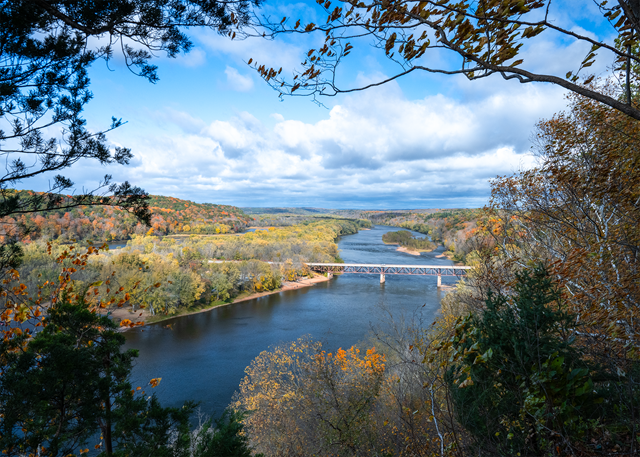
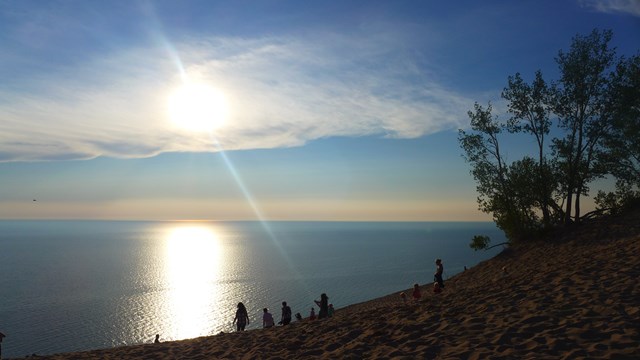
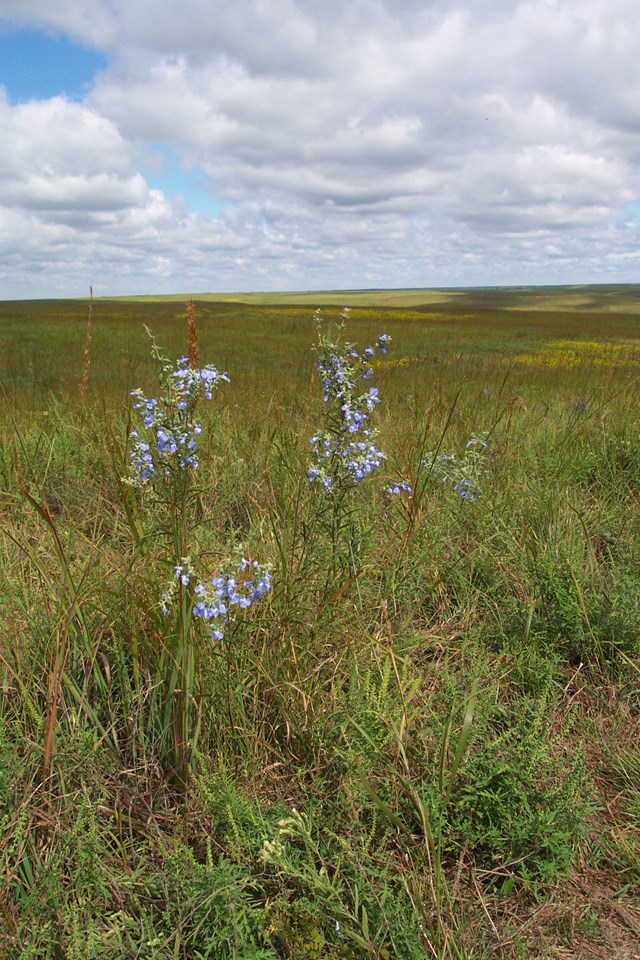
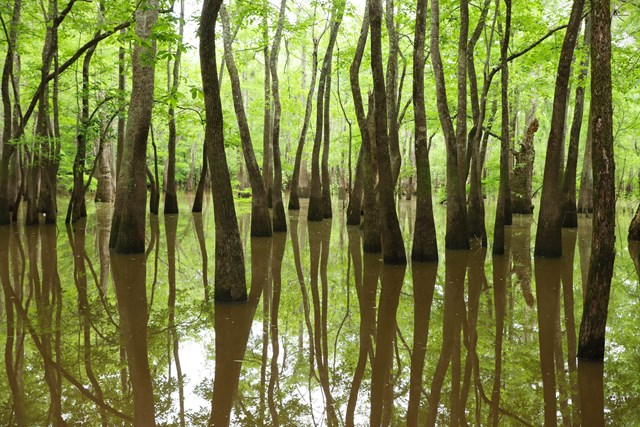
The Park Service lists 144 units with fishing, from roadside trout streams to salmon rivers with brown bears standing in them. There is no single license valid in every national park. Four license patterns apply across the system, and the right one decides whether the ranger's visit is friendly. Start with the ten parks worth planning a trip around, then choose the right water and paperwork.
The ten best fishing parks
01Yellowstone
Yellowstone fees, hours and alertsThe most storied trout water in America - the Madison, the Firehole, the Lamar, Yellowstone Lake - run under the park's own permit, pattern 2 above. The fishing is as good as the paperwork is peculiar: dawn on the Madison with elk in the mist, and a regulations book thick enough to need its own index. Read it before you wade; this is also grizzly country, and some areas close for bears.
02Glacier
Glacier fees, hours and alertsNo license, serious conservation regime - pattern 3. The lakes hold westslope cutthroat and lake trout, the east-side streams run through some of the prettiest valleys in the Rockies, and the bull-trout release rule is absolute.
03Katmai
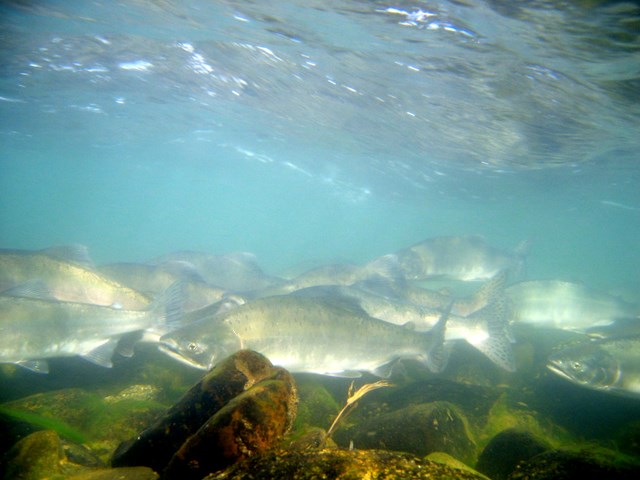
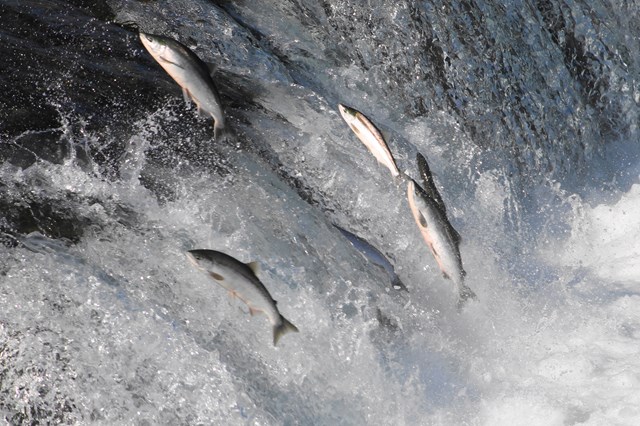
Katmai fees, hours and alertsThe salmon fishery at the center of the food web. Brooks Falls is the famous address - the bears have their own webcams - but anglers come for the same run: sockeye by the millions, rainbow trout the size of footballs feeding behind them, Arctic grayling in the clear tributaries. Access is by floatplane from King Salmon, the park lists authorized guides in its commercial directory, and the bear rules are not negotiable: if a bear wants your fish, the bear gets your fish.
04Everglades
Everglades fees, hours and alertsTwo fisheries in one park. The freshwater interior holds bass and panfish along the canals; the saltwater maze out of Flamingo and Everglades City holds snook, redfish and tarpon among the mangrove islands. One Florida license does not cover both - pack the pair, and a chart, and a tide table. Winter through spring is the prime season.
05Olympic
Olympic fees, hours and alertsThe steelhead park, run on the most granular rulebook in the system: the park publishes its own drainage-by-drainage chart, and every river fishes differently. In the 2026 season most rivers run June 1 to late October or mid-November on artificial, barbless, single-hook gear, catch-and-release except for two adipose-clipped hatchery steelhead in many zones; the Elwha is closed outright; the high lakes allow bait; river mouths run on state rules; and the winter steelhead regulations are issued each November in coordination with the state and the tribes. Wild fish go back, everywhere, always.
06Rocky Mountain
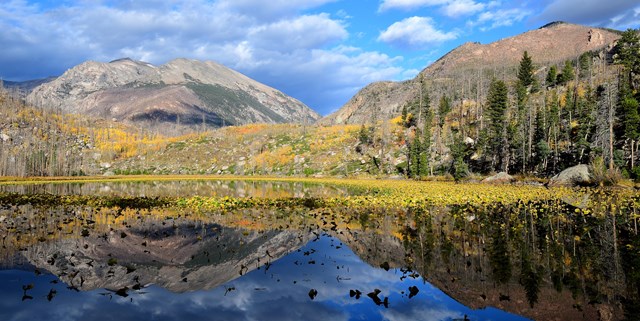
Rocky Mountain fees, hours and alertsHigh-country trout fishing with a conservation story: the park has been restoring native cutthroat since the 1970s, and its streams and alpine lakes - brookies and cutthroat under the peaks, Grand Lake and the Colorado River headwaters on the west side - fish under a Colorado license and the park's one-rod rule. The scenery is the fee.
07Lake Mead
Lake Mead fees, hours and alertsThe desert striper factory. Lake Mead's striped bass have been famous for decades - topwater boils at dawn - with catfish, largemouth and crappie filling out the card, and an either-state license arrangement (pattern 4) that makes the paperwork the easiest thing about fishing in 110-degree heat. Summer is hot; the fish do not care.
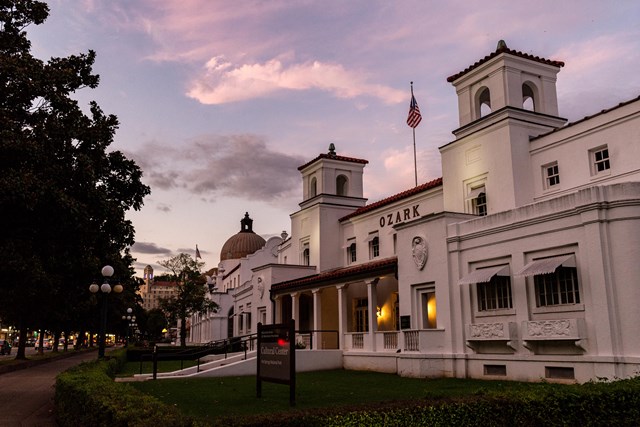
08Ozark National Scenic Riverways
Ozark National Scenic Riverways fees, hours and alertsThe smallmouth river. The Current and Jacks Fork are spring-fed Ozark streams that fish as good as they float - smallmouth bass in the riffles, goggle-eye in the shade - and the float-and-fish combo, canoe or tube with a rod in hand, is the local art form. Missouri permit in pocket, trout permit if you're chasing the stocked rainbows and browns.
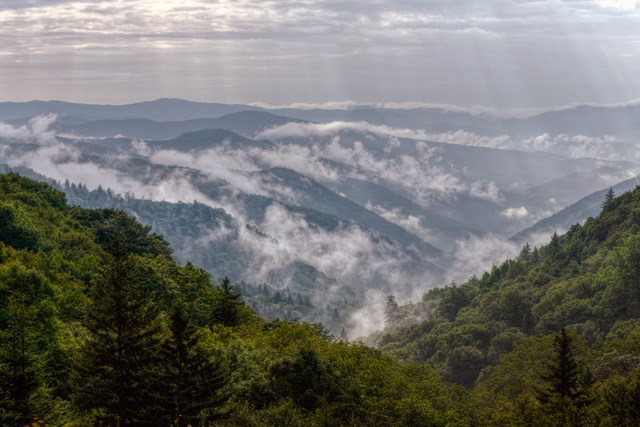
09Great Smoky Mountains
Great Smoky Mountains fees, hours and alertsThe native brook trout cathedral, covered under pattern 1: nearly 3,000 miles of streams, wild rainbows in the lower elevations, and native brookies holding on in the high, cold headwaters where they survived the logging era. One license from either state covers the whole park. Spring and fall are the hatches.
10Denali
Denali fees, hours and alertsThe easy entry on the wild end: grayling fishing along the park road. The Teklanika and Savage rivers and the roadside ponds hold Arctic grayling - sail-finned, eager, beautiful - in water you can reach by shuttle bus, with the highest mountain on the continent for a backdrop. The fishing is simple; the paperwork runs through the state, so check the park's fishing page for the current rules before you go.







The license rules: four patterns cover the system
The default: your state license, plus the park's rulebook
Most fishing parks run on the surrounding state's fishing license, with the park's own regulations layered on top - and the overlay is what surprises people. Gear restrictions, drainage-by-drainage seasons, mandatory-kill rules: the state license gets you legal, and the park's rulebook keeps you that way.
What the pattern looks like in practice: at Great Smoky Mountains, a license from either Tennessee or North Carolina covers you anywhere in the park (16 and older, and licenses are not sold in the park), fishing is year-round from 30 minutes before sunrise to 30 minutes after, and the water is nearly 2,900 miles of streams where the brook trout is the only native trout. At Rocky Mountain, a Colorado license (16 and older) is all the paperwork - no separate park permit - but the park doesn't honor the state's second-rod stamp, and its rules serve a native-cutthroat restoration program running since the 1970s. The Everglades runs two fisheries on two Florida licenses: a freshwater license for the interior canals, a saltwater license for the mangrove backcountry, with kids under 16 exempt. At Ozark National Scenic Riverways, you need a Missouri fishing permit - plus a trout permit if you're fishing for trout - bought from the state, not in the park. And in Alaska, Katmai puts it in one sentence: visitors fishing on their own are welcome with the proper equipment and licenses.
The park that sells its own permit: Yellowstone
Yellowstone honors no state's license and sells its own: anglers 16 and older buy a park fishing permit - $40 for three days, $55 for seven, $75 for the season, through Recreation.gov. Kids 15 and under fish free alongside an adult with a permit, or solo with a free signed permit of their own. The season runs from the Saturday of Memorial Day weekend through October 31, with the Firehole, Gibbon and Madison opening May 1 and the Gardner River and lower Madison fishable year-round.
Then comes the rulebook, which is the point of the permit: lead-free tackle, barbless hooks, no bait of any kind (and fly-fishing only on the Firehole, Madison and lower Gibbon), felt soles banned, and the mandatory-kill rules that fund the park's native-fish fight - every lake trout from Yellowstone Lake must be killed, every rainbow, brook trout or hybrid in the Lamar River drainage must be killed, and every smallmouth bass in the park must be killed and reported. All native fish - cutthroat, grayling, whitefish - go back unharmed, parkwide.
The park that asks for no license at all: Glacier
Glacier is the friendly outlier: no fishing license required anywhere inside park boundaries. The season runs from the third Saturday in May through November 30, bull trout must be released immediately, and only artificial flies and lures are allowed outside a couple of listed bait exceptions.
The fine print is what makes Glacier the best illustration of the whole system: license-free never means rule-free. Waterton Lake fishes under Parks Canada regulations. Lower Two Medicine Lake answers to the Blackfeet Nation. The North Fork of the Flathead follows Montana's rules, though you still need no license when fishing it from park lands - while the Middle Fork of the Flathead requires a Montana license outright. Four jurisdictions in one park, and the park's fishing page untangles them.
The border waters
Parks that straddle state lines negotiate. The Smokies accept either state's license, as above. At Lake Mead and Lake Mohave, a valid license from Nevada or Arizona covers the whole lake - Nevada licenses anglers 12 and older, Arizona 10 and older - and Nevada sells an Interstate Boundary Water License built for the shared Colorado River waters. Glacier's Waterton, Two Medicine and Flathead exceptions, above, are the international and tribal versions of the same idea.
Freshwater: four trips worth choosing on purpose
01Amistad
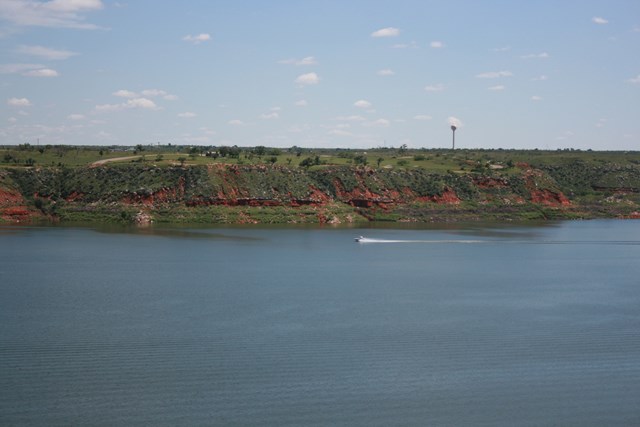
Amistad fees, hours and alertsThe Rio Grande drew a line through Amistad National Recreation Area, and the fish do not respect it. Largemouth and white bass, stripers and catfish make this a reservoir trip, not a wade-in stream trip. Numbered buoys RG1 to RG28 mark the border in the main river channel. Texas license requirements cover the U.S. side; Mexican waters have different requirements and limits. Check the park's ramp and water-level notices before hauling a boat across Texas. A low lake can close the launch even when the fishery is open. Bank anglers should use a lawful shore away from harbors and swimming areas.
02Voyageurs
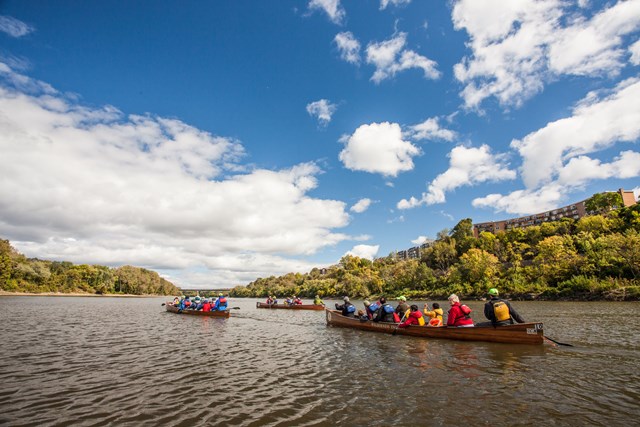
Voyageurs fees, hours and alertsFour large lakes and 26 smaller named interior lakes give Voyageurs more ways to fish than a quick look at a map suggests. Walleye and northern pike lead the big-water pitch; an interior lake may need a boat and a portage, not a drive to a dock. Buy a Minnesota fishing license, check the park's lake-specific bait exceptions, and never move or dump bait between waters. Wind on Rainy Lake can also change your return plan. Pick the lake before picking the lure.
03Curecanti
Curecanti fees, hours and alertsAt Curecanti, Blue Mesa's lake trout and the Gunnison River below Crystal Dam ask for different trips. The reservoir rewards a boat and a close eye on wind and launch conditions. The river's Gold Medal and Wild Trout Water includes special rules, including catch-and-release for rainbow trout. Colorado requires a fishing license for anglers 16 and older. Check the exact reach and current state limits before keeping anything; a rule from the reservoir is no help at the river.
04Everglades
Everglades fees, hours and alertsThe Everglades makes you decide what kind of water you mean. Bass and panfish inhabit the freshwater interior; mangrove channels lead toward the salt. Florida uses separate freshwater and saltwater licenses, and NPS closes certain freshwater waters near Royal Palm, Shark Valley and the Main Park Road to fishing. There is a second decision after the catch: the park's bass-mercury warning distinguishes waters north and south of the Main Park Road, with stricter advice for children and pregnant people. Read the current health advisory before planning dinner.



Saltwater: from surf to kelp
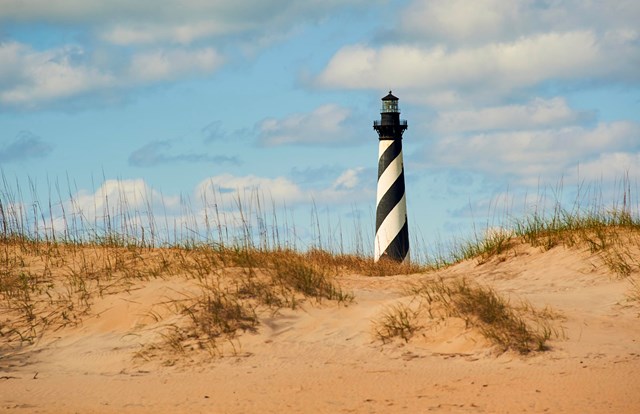
01Cape Hatteras
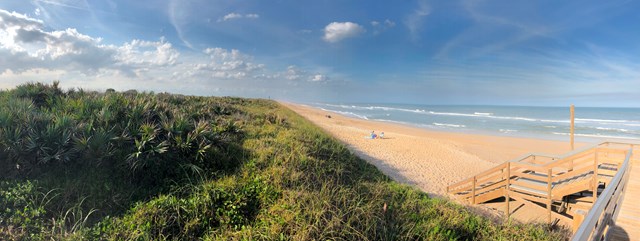
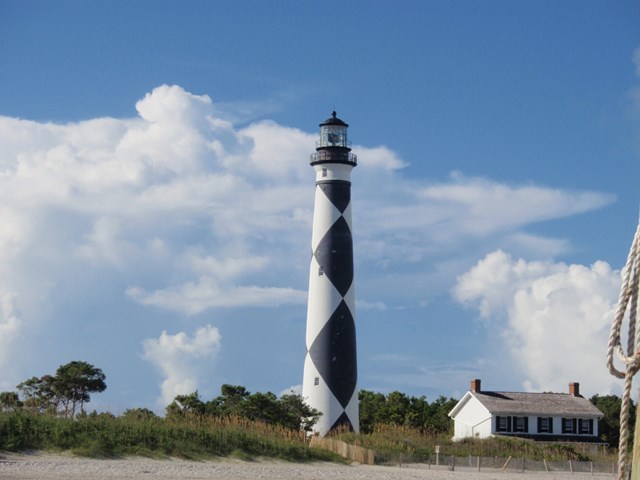
Cape Hatteras fees, hours and alertsAt Cape Hatteras, Cape Point is the surf-fishing address: red drum in season, bluefish and Spanish mackerel when the schools come through. North Carolina's coastal fishing license gets the angler legal; a separate park permit is needed to drive on the beach. Tide, nesting closures and the day's open ramps decide where the truck goes. You can fish on foot without pretending a four-wheel-drive is tackle.
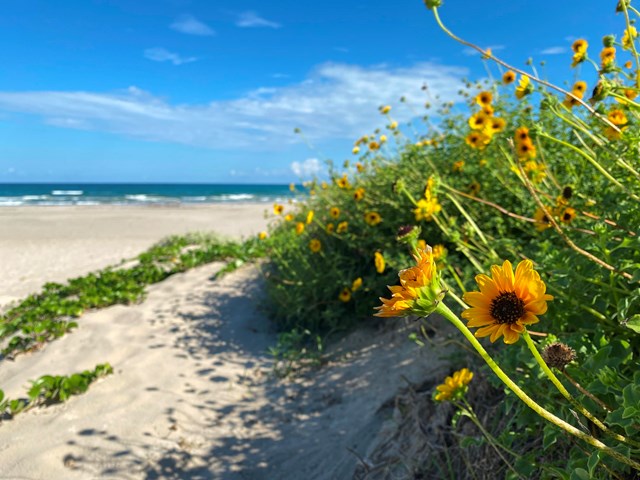
02Padre Island
Padre Island fees, hours and alertsPadre Island trades crowded piers for long stretches of surf. Pompano, whiting, redfish and speckled trout are the draw, with Big Shell and Little Shell farther down-island for properly equipped vehicles. A Texas fishing license covers the angler. Before driving beyond the easier first miles, check beach conditions, tides, fuel and the park's current vehicle guidance. Empty beach is lovely until the sand keeps your car.
03Channel Islands
Channel Islands fees, hours and alertsThe kelp forests off Channel Islands hold calico bass, halibut and white seabass, but the map matters as much as the rod. California fishing regulations apply, and thirteen marine protected areas around the islands restrict or prohibit take. A day boat from the mainland can put you near the kelp; it cannot make a closed zone open. Check the park's current protected-area chart and the operator's fishing plan before paying for the crossing.
04Cape Cod
Cape Cod fees, hours and alertsRace Point gives Cape Cod its striper reputation: tidal water, summer nights and a fall run that can justify the early alarm. Massachusetts requires a saltwater permit; check its current fee rather than relying on a printed figure. Driving onto the outer beach requires a separate seashore permit, a vehicle inspection and an open route. A shore angler can skip the truck paperwork and still catch the tide.
Cape Cod fees, hours and alerts
Two more coastal choices: Glacier Bay and Kenai Fjords offer fishing trips along Alaska's coast. Some charter waters near Gustavus and Seward are outside park boundaries; verify your charter's route and Alaska license rules.

Fly fishing: five waters, five rulebooks
01Yellowstone
Yellowstone fees, hours and alertsThe Firehole, Madison and lower Gibbon have fly-only reaches, but Yellowstone requires its own park fishing permit regardless of your tackle. Its native fish go back; certain nonnative fish must be killed in designated waters. Check species identification, seasons and the park's current map before tying on. A graceful cast is not a license.
02Grand Teton
Grand Teton fees, hours and alertsThe Snake River beneath Grand Teton is a fine reason to bring a fly rod and a Wyoming fishing license. Specific river reaches close seasonally, and cutthroat release rules vary by date and water. A float plan and a legal bank approach are separate questions. Check the current park and Wyoming maps before you choose a launch.
03Rocky Mountain
Rocky Mountain fees, hours and alertsAt Rocky Mountain, high lakes and headwater streams promise cutthroat, but the park also closes some waters for native-fish recovery. A Colorado fishing license is required for anglers 16 and older. Barbless hooks apply to catch-and-release waters; wet gear may need disinfection when changing drainages. Pick an open water before hiking to it.
04Great Smoky Mountains
Great Smoky Mountains fees, hours and alertsGreat Smoky Mountains accepts either a North Carolina or Tennessee license throughout the park. Its streams fish year-round in open waters during daylight hours, using a single-hook artificial fly or lure under the park rules. The native brook trout hangs on in the colder headwaters. The license is flexible; the tackle rule is not.
05Glacier
Glacier fees, hours and alertsGlacier generally asks for no license inside its boundary, an attractive invitation with important exceptions: the Middle Fork of the Flathead requires a Montana license when fished from park lands or bridges. Bull trout must be released. Check the particular riverbank and seasonal closures, then bring the fly box. The boundary is less scenic than the river, but it decides the paperwork.


When to go: a fishing year in four moves
Spring: work with the thaw. Lower streams wake before alpine lakes; check the park's open dates rather than assuming one statewide opener covers federal waters. Yellowstone has early-open reaches, while the regular season starts around Memorial Day weekend. Spring runoff can make a river difficult even when fishing is lawful.
Summer: trade crowds for time of day. Go at first light on a warm lake or surf beach. Higher-elevation water may come into its own later, but access and fire restrictions can shift. On big reservoirs, wind and launch conditions matter as much as the bite. Keep an eye on temperature when releasing trout.
Fall: follow the runs, not a promise. Coastal fish, trout and salmon move on different calendars. Check the current regulation by species and reach before traveling for a run. Cape Hatteras and Cape Cod can be excellent surf bets, but tide and weather have the final say.
Winter: choose an open water. Some Yellowstone reaches stay fishable year-round, but others close. The Everglades' cooler, drier season can make a boat trip easier; northern high lakes may be inaccessible. Read the current park alert before you buy anything nonrefundable.
How to fish the parks
- 1
Sort the license by pattern first. State license plus park rulebook (most parks), Yellowstone's own permit, Glacier's license-free waters, or a border-water arrangement - the park's fishing page says which one applies, and it is the first thing to read.
- 2
Read the park's rulebook, not just the state's. Lead-free tackle and mandatory-kill rules at Yellowstone, artificial-only water at Glacier, barbless single hooks at Olympic - parks layer these on top of state law, and rangers enforce them.
- 3
Check seasons by drainage, not by state. Yellowstone opens Memorial Day weekend, Glacier the third Saturday in May, and Olympic runs each river on its own chart line.
- 4
Bears outrank you. In Alaska and the Yellowstone backcountry, give up the fish, dispose of entrails away from shore and camp, and read the bear-safety page before the fishing page.
- 5
Clean, drain and dry. Aquatic invasive species rules bite everywhere - Yellowstone bans felt soles and inspects every boat including float tubes, and Glacier and Rocky run their own inspection and disinfection regimes.
A short history of fishing in the parks
When Yellowstone was new, managers saw fishless waters as opportunities to add angling. Brook trout went into the upper Firehole, rainbow trout into the upper Gibbon, and brown and lake trout into other park lakes in 1889 and 1890. The aim was an accessible sport fishery, including water a visitor could reach from a hotel or camp. The park later counted more than 310 million fish planted between 1881 and 1955, both native and nonnative. By today's standards, that is an astonishing amount of ecological editing.
The change was gradual. Park managers learned that moving fish into waters without them altered food webs, while introduced fish could compete with natives. The lake trout discovered in Yellowstone Lake in the 1990s became the conspicuous case: predators of the native cutthroat trout that had supported birds and bears as well as anglers. Suppressing lake trout has since become a long-running conservation effort, not an excuse to catch anything by any method.
That history sits in your tackle box now. Yellowstone's mandatory removal of certain nonnative fish and release of native fish, Glacier's bull-trout protection, and Rocky Mountain's cutthroat restoration are not fussy footnotes. They are the modern answer to an old mistake. Fishing survived in the parks; the idea that every fish belongs in every lake did not.
All 144 parks with fishing
The full list is below. Click through for each park's fees, hours, alerts and campgrounds.
Free to enter Charges an entrance feePoints are the Park Service reference point for each unit, not a boundary.