Camping with a horse is the national parks' oldest way to travel and its most logistics-heavy modern one. The Park Service lists 30 units with horse camping, which ranges from full equestrian campgrounds with corrals and mounting ramps to a single beach site where the neighbors are genuinely wild horses. The reward is the same as it was a century ago: the backcountry at four miles an hour, with your gear carried by someone who enjoys the trip.
The ten parks below are where the infrastructure and the country come together. Rules matter more here than in any other camping category - health papers, certified weed-free feed, trail restrictions - so each entry says what the park expects. The full directory follows.
The ten best national parks for horse camping
01Great Smoky Mountains
Great Smoky Mountains fees, hours and campgroundsThe horse-camping capital of the East: five designated drive-in horse camps scattered across the park - Cataloochee, Big Creek, Round Bottom, Tow String and Anthony Creek - with picnic tables, fire rings and hitch-friendly parking, opening onto about 550 miles of trails designated for horse use. Check the current Round Bottom status before booking; the camp has been closed on recent schedules. That mileage is the point: the Smokies' network of old logging roads and ridge trails was practically built for saddle travel, from valley-floor ambles to all-day climbs. The camps book on Recreation.gov like any other, the spring and fall seasons are glorious, and the June fireflies will entertain the non-riders you brought.
02Big South Fork
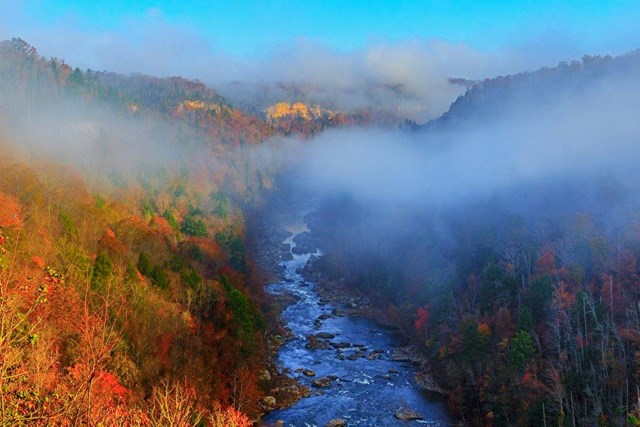
Big South Fork fees, hours and campgroundsAsk an Eastern equestrian where to take a horse for a week and the answer comes back Station Camp: Big South Fork's big equestrian campground on the Tennessee side, purpose-built for horse people with corrals, wash racks and direct access to the gorge country's trail network - hundreds of miles of horse-legal routes through sandstone arches, river gorges and big forest. The riding is the best east of the Rockies, full stop, and the campground culture is its own scene: rigs circling the loops, tack drying on fences, trail beta traded over fences at dusk. Reservations through Recreation.gov, and fall weekends book like concert tickets.
03Theodore Roosevelt
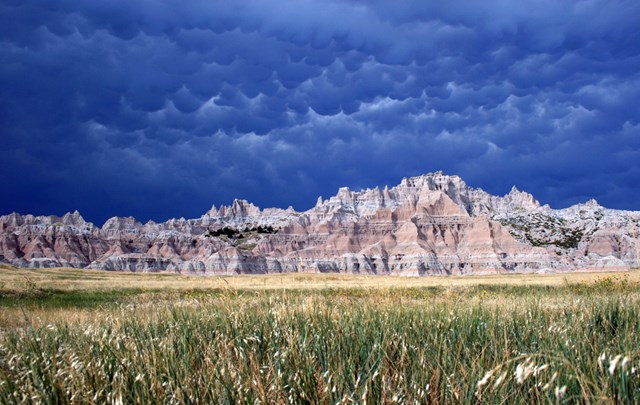
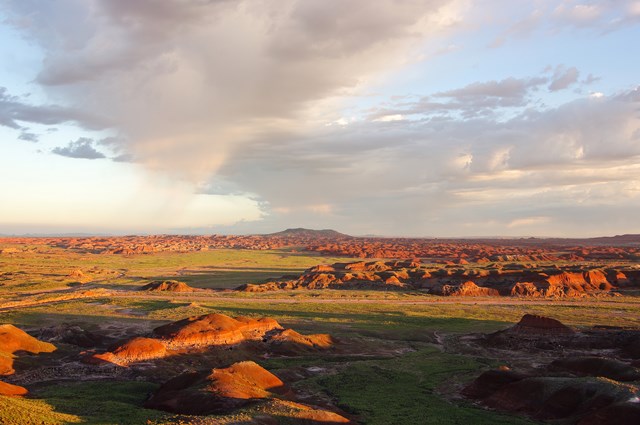
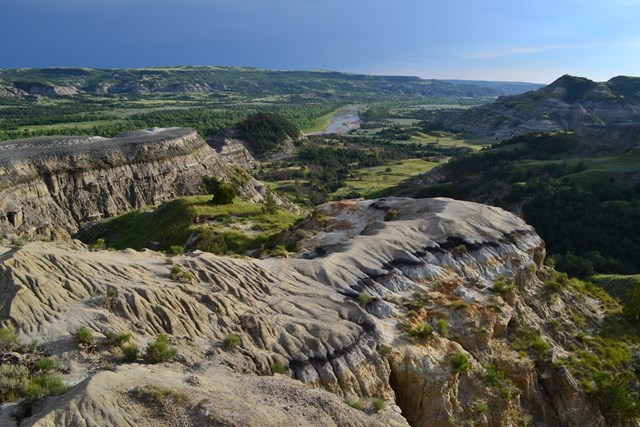
Theodore Roosevelt fees, hours and campgroundsThe badlands are horse country - the park is named for a rancher - and the Roundup Group Horse Campground in the South Unit is one of the few places in the system where you can ride straight from camp into genuine badlands: painted buttes, bison on the skyline, and the Little Missouri winding through cottonwoods. The Maah Daah Hey trail country waits nearby, the wildlife is at eye level from a saddle, and the whole experience channels the ranch years that made the president. Group camp, so bring your crew and your corrals, and book ahead through Recreation.gov.
04Assateague
Assateague fees, hours and campgroundsThe poetic entry: two horse-camping sites on a barrier island where the horses run free and yours gets a vacation too. The verified mechanics, per the park's own pages: the two sites open from fall through spring, when the island's insects and crowds ease, take up to six people and six horses each, come with hitching posts, potable water, fire rings and restrooms, and cost $80 per site per night on Recreation.gov, bookable up to six months out. Riding the surf line at dawn, with wild ponies watching from the dunes, is one of the great equestrian experiences in the country - on the park's terms: proof of a current negative Coggins test is required for each horse, certified weed-free hay or processed complete feed only, and stay at least 40 feet from the wild horses, farther from the saddle. Portable corrals are allowed; capacity is the catch, so book early.
05Mammoth Cave
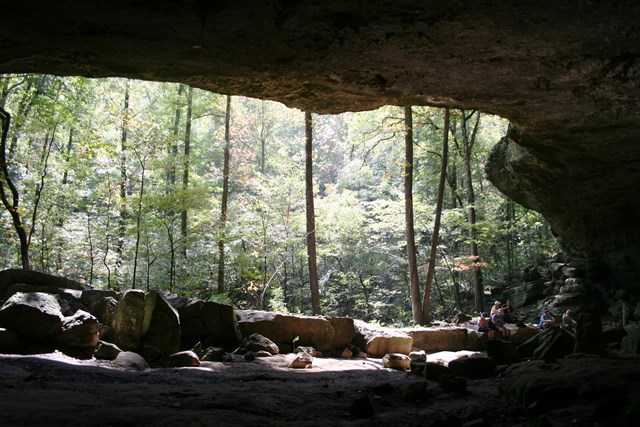
Mammoth Cave fees, hours and campgroundsKentucky karst country from the saddle: about 60 miles of wooded backcountry trails open to horses roll over the ridges and hollows above the world's longest cave, with the Green River looping below. The park calls itself an exceptional destination for riders, and for once the brochure undersells - the trails are well-built, the footing is kind, and the private horse camp just outside the boundary handles stalls, hookups and the full-service version of the trip. The park also has its own developed option: Maple Springs sites 1 through 4 take horse campers with picket areas. The Green River Ferry has an 8-ton limit, and a long trailer may need the road route regardless of weight. Pick the campsite before you choose the road.
06Glacier
Glacier fees, hours and campgroundsThe crown of the stock-use world: Glacier's backcountry was designed for horse travel, its trail crews still move by mule string, and the park maintains stock campsites and corrals across a million acres of the best mountain country in America. Private stock users can camp at designated stock sites with a backcountry permit; day riders book the concession corrals at Many Glacier, Lake McDonald and Apgar. The feed rules here are the strictest on this list, per the park's private-stock page: hay may not be fed at trailheads or wilderness campgrounds, grazing is not permitted, and transporting hay into or through the park is prohibited except straight through on US Highway 2 - so you pack grain or pellets free of noxious weed seeds, and in grizzly country that feed hangs from a bear pole like your own food. The passes open when the snow says, usually July. There is no finer place on the continent to see mountains from a saddle.
07Grand Canyon
Grand Canyon fees, hours and campgroundsMule trips are the canyon's famous ride, but bringing your own stock is the connoisseur's version: the North Rim allows private horses and mules on designated trails, with stock camping arranged through the backcountry office - which means your own animal, your own pace, and the canyon without the mule-train schedule. The rules are serious (this is a vertical mile of trail with mule-jam traffic), the permits are limited, and the experience is the real thing: a canyon seen over your own horse’s ears rather than through a tour schedule.
08Redwood
Redwood fees, hours and campgroundsLittle Bald Hills Backcountry Camp is the rare redwood-country horse camp: a backcountry site with corrals, set in the oak-and-prairie hills above the big trees, on a trail system that drops from the ridgetops into the fog belt where the world's tallest trees grow. The ride down is the point - from dry hills into cathedral forest in a few miles - and the camp makes it an overnighter instead of a day trip. Permits through the park's backcountry system; the coast range weather is free.
09Joshua Tree
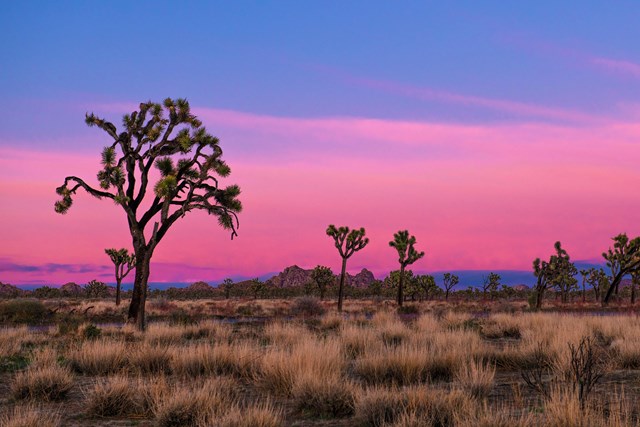
Joshua Tree fees, hours and campgroundsBlack Rock Equestrian Campground gives horse people their own corner of the high desert: a dedicated equestrian camp at the park's northwest edge, reservable on Recreation.gov, with corrals and direct access to the trails around Black Rock Canyon - joshua trees, juniper, and the best winter riding weather in the system. The season runs opposite the rest of this list: October to May, when the desert is kind and everywhere else is mud. Summer horse camping here is the desert's way of saying no.
10Sequoia and Kings Canyon
Sequoia & Kings Canyon fees, hours and campgroundsThe pack-station parks: these adjoining Sierra parks keep the High Sierra's mule tradition alive, with pack stations running everything from day rides to multi-day drop camps into the high country, and wilderness stock camping for private parties with permits. The country is the argument - granite basins, giant sequoia groves, passes over 11,000 feet - and the stock tradition is the oldest in the system, older than the roads. The season is short and high: July into September, snow willing.






When to go: a horse-camping year
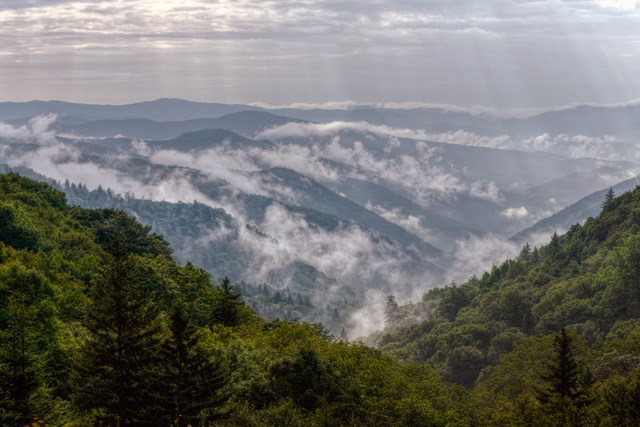
Spring belongs to low country. Great Smoky Mountains opens its horse camps at different times in spring. Rain and thaw can change which trails are sensible for stock, so check the park's trail report along with the campground reservation. In the desert, spring can be a better choice than summer heat.
Summer opens the high country. Alpine stock routes in Glacier and the Sierra wait on snowmelt, often well after lower campgrounds are open. Ask about current trail, bridge and creek-crossing conditions; the calendar alone will not tell you whether a pack animal can pass. Arrange backcountry stock sites and permits before loading the trailer.
Fall is the second prime season. Assateague's horse-camping season begins in fall, when the island's insect pressure eases. The Smokies' fall colors attract riders too, but its camp closing dates vary. Reserve first, then check the current park rule on feed and proof of horse health.
Winter is for carefully chosen destinations. Joshua Tree's Black Rock area is more inviting in cool months than midsummer. At northern parks, snow or closed access roads can end a stock trip long before the official calendar does. Match the animal, route and overnight facilities to the day's conditions, not a brochure photograph.
How to camp with a horse in the parks
- 1
Check papers and feed park by park. There is no single rulebook, so take the verified examples on this list as the shape of what to look up. Assateague requires proof of a current negative Coggins test for each horse and limits feed to certified weed-free hay or processed complete feed. Glacier goes further: no hay fed at trailheads or wilderness camps, no grazing, no hay transported into the park at all beyond driving through on US-2, and all feed packed in as weed-seed-free grain or pellets and hung from bears. The Smokies' five drive-in camps have different opening dates and fees; only Big Creek has drinking water for people. Check Round Bottom's status before planning around it. Before hauling to any park, read its stock-use page plus the destination state’s animal-health rules; both change, and the ranger at the gate will not grade on a curve.
- 1
Reserve the right kind of horse site. Front-country horse camps book on Recreation.gov like regular campsites; backcountry stock camping needs a backcountry permit and often a specific stock-designated site. Day riding may also be limited to designated trails, and an overnight stock site must be confirmed separately. At Mammoth Cave, only Maple Springs sites 1-4 are developed horse camps. At Theodore Roosevelt, Roundup takes one reserved group at a time; the number of available sites matters more than the map suggests.
- 1
Practice the trail right-of-way before you need it. On shared trails, hikers and bikers should give stock room and follow the park’s posted right-of-way rules. Your horse’s reaction to a bike or bridge is a training question, not a park rule. The camping guide covers the reservation windows; the park's stock-use page covers the rest.
A short history of horse camping in the parks
Horses carried people into the landscapes that became national parks long before the paved access roads. Yosemite's early tourist routes were built as trails for saddle and pack travel as visitors ventured beyond the valley floor. What we now call an overnight stock trip was once the ordinary way to reach a distant camp. The difference was who could afford the guide, animal and time.
At Yellowstone, Howard Eaton sold weeks-long saddle tours from 1883 to 1921. His guests arrived by rail, rode through the park, slept in canvas tents and ate meals prepared from a traveling camp kitchen. It was not solitary wilderness travel: some tours carried several dozen guests and enough animals to move people and gear. In 1923 the Park Service named a 157-mile trail for Eaton, a measure of how thoroughly horse travel had shaped the park's early tourist experience.
Today the pack animal still makes remote camps possible, but a modern horse trip has a different contract with the land. Permits, designated stock camps and rules against invasive weed seed are there because a feed sack or an improvised campsite can change a place. The horse remains a fine way to cover a long trail. The easy assumptions about where it may graze and camp are gone.
All 30 parks with horse camping
Below are Park Service units that list horse camping. A park may offer a stock trail, an overnight stock site or a developed horse camp; check its current rule before reserving. The West has backcountry stock sites, the East has purpose-built horse camps, and Assateague has the beach.
Free to enter Charges an entrance feePoints are the Park Service reference point for each unit, not a boundary.