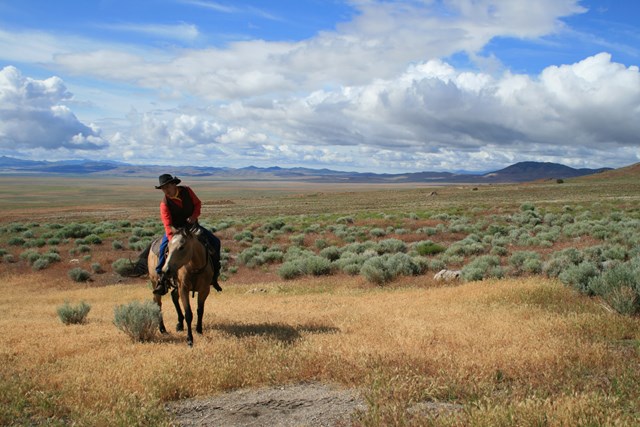
A horse in a park can mean a guided two-hour ride, a carriage on a historic road, your own animal on a designated backcountry trail, or an overnight stock trip. The Park Service lists 88 units with horse trekking, but that does not mean 88 rental stables. The choice that matters first is whether the park supplies the animal and guide or expects you to bring and care for your own stock.
Those choices have different reservations, health paperwork, trail maps and costs. Bryce Canyon separates guided amphitheater rides from private-horse time slots. Great Smoky Mountains has both concession stables and hundreds of miles of designated private-stock trails. Acadia's carriage roads are shared public routes. Big South Fork is built for longer horse-country trips. At Grand Canyon, the in-park ride is by mule, while some advertised horse rides nearby happen outside the park boundary. The full Park Service list follows these examples.
Five ways to ride
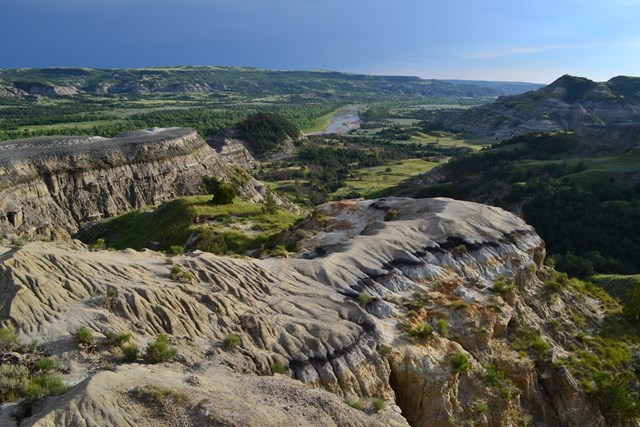
01Bryce Canyon: book a guided ride or reserve a private slot
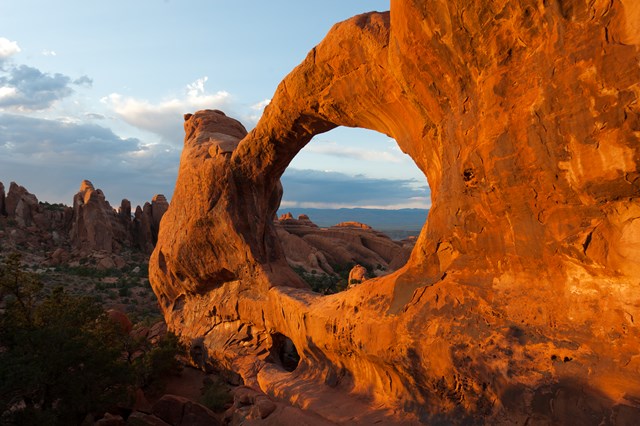
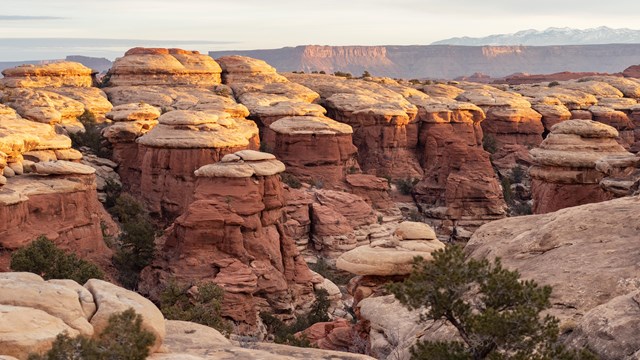
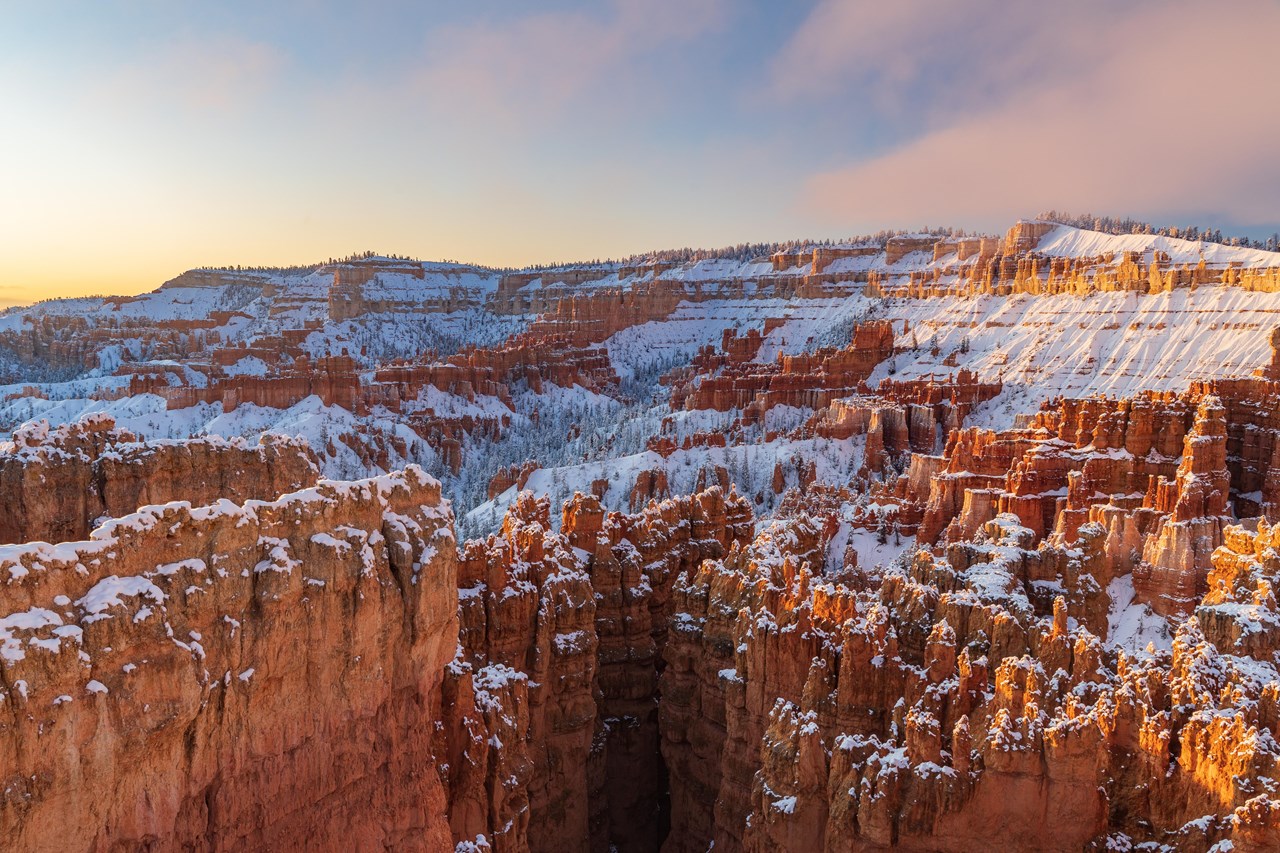
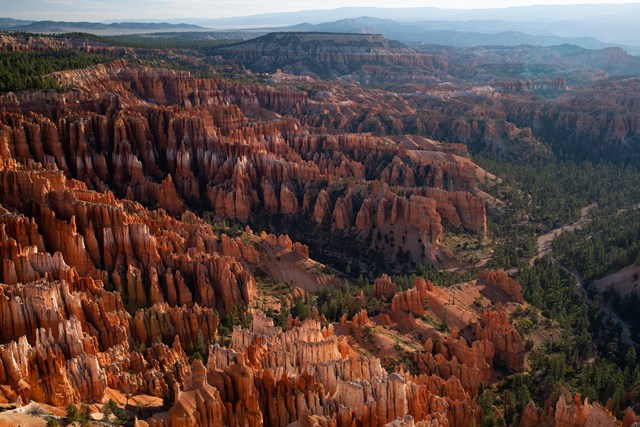
Bryce Canyon fees, hours and alertsBryce Canyon National Park uses horses and mules to take visitors below the rim among the hoodoos. The NPS riding page identifies Canyon Trail Rides as the park concessioner for guided two- and three-hour amphitheater rides along a dedicated horse trail and the Peekaboo Loop. These generally operate in the warmer months, roughly April through October, as weather permits. Check the concessioner's current schedule, rider age or weight restrictions, price and cancellation terms before buying a spot. A ride ticket supplies an animal and guide; it does not authorize an independent ride later that day.
If you bring your own horse or mule, a separate private-stock reservation is required for a particular date and time before entering the park. NPS says there are no walk-ins. The park limits private stock to horses and mules on specified mapped routes, and does not authorize overnight pack trips or stock camping in its backcountry campgrounds. Its page describes afternoon slots from about May through October, with limited rider capacity, and directs reservations through Recreation.gov. Confirm that system's current inventory and applicable park entrance fees rather than assuming a guided-ticket booking covers private use.
Private riders have further obligations: certified weed-free feed for at least 48 hours before arrival and during the visit, proof of ownership, appropriate cleanup in paved areas, and stock kept attended. Know the trailer/loading location and trail map before driving in. The park's 4.5 miles of historic foot-and-horse trails are a specific opportunity, not blanket permission to ride off route across the amphitheater.
02Great Smoky Mountains: three stables or your own trail network
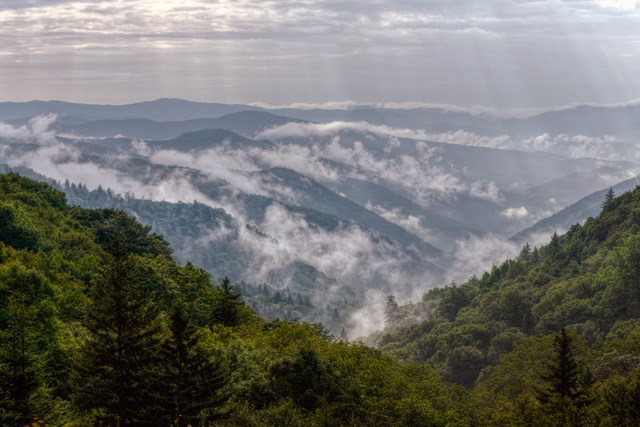
Great Smoky Mountains fees, hours and alertsGreat Smoky Mountains National Park lists three concession riding stables for guided horseback trips on scenic park trails. The NPS horse-riding guide describes a mid-March-through-late-November season, with rides from about 45 minutes to several hours. The stable sets the particular departures, rider age and weight conditions, and weather cancellation policy. Ask which trail and duration the ticket actually covers; a carriage or wagon ride offered at some stables is a different seated experience from riding your own mount.
Private riders can use about 550 miles of designated horse-open hiking trails, not every trail in the park. Get the official horse-use map and check closures, stream crossings, washouts and conditions. NPS discourages riding into the backcountry in early winter through spring, when trails can be especially vulnerable and conditions difficult. Overnight stock camping brings its own permit and site rules; a day-use route does not imply a nearby legal horse camp. Bring the right equipment and feed plan for your animal rather than assuming a concession stable services outside horses.
The guided-versus-private split makes the Smokies a practical choice for different parties. A first-time visitor can compare authorized stable rides; an experienced owner can build a longer trip from the approved trail network. Either way, check today's route and weather, not only general park information.
03Acadia: share the carriage roads
Acadia fees, hours and alertsAt Acadia National Park, 45 miles of historic carriage roads wind around mountains and lakes. Most are available to horses, according to the NPS horseback-riding page, either with your own animal or on a carriage trip through Wildwood Stables. The distinction matters: a horse-drawn carriage passenger is not in a saddle, and a private rider needs a map of the specific roads where horses are allowed. Do not assume every road or park trail is open because the system is famous for carriage travel.
These roads are shared with walkers and cyclists. Yield, control your horse and choose a time and route suited to its comfort around other users. NPS points to Brown Mountain parking and Wildwood Stables for trailer space; Wildwood charges for parking. Avoid blocking a lot with a trailer, clean up after the horse there, and check any seasonal thaw or maintenance closures before setting off. In winter, the park asks riders to keep horses out of cross-country ski tracks. A reserved carriage tour has its own operator schedule, while private horse travel depends on open shared roads.
Acadia is a good choice for a gentler landscape outing if the roads are suitable on the day. The historic bridges and car-free road design are the appeal, but etiquette is the cost of sharing them. Match the actual ride to the group: guided carriage seat, your own horse, or a walking trip if nobody is bringing stock.
04Big South Fork: bring a horse for longer routes
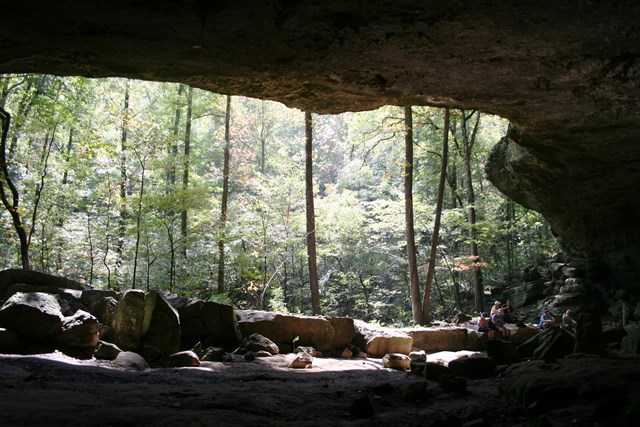
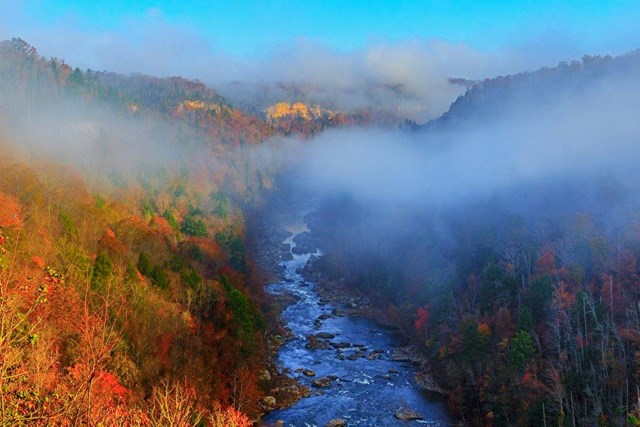
Big South Fork fees, hours and alertsBig South Fork National River & Recreation Area has more than 212 miles of horse trails through forest, stream crossings and sandstone terrain. The NPS route guide says red blazes mark horse trails and offers shorter outings as well as multi-day routes. This is a destination for someone prepared to bring and manage stock, read trail conditions, choose a legal route and arrange an equestrian camp. The large mileage is not evidence of an on-demand rental at every trailhead.
For overnight trips, NPS describes horse facilities at Station Camp and Bear Creek with tie-outs, water and electrical hookups, restrooms and showers in their operating season, generally April through October. Bandy Creek Stables can board horses for campers nearby; Charit Creek Lodge is reachable by foot, bicycle or horse and offers stalls, with advance reservations encouraged. Confirm current facility availability, trail status and whether an individual site can accommodate your party and animals. A long ride through a stream valley needs a water-level and turnaround plan, not just a trail length.
The park requires proof of a negative Coggins test for horses brought into either its Tennessee or Kentucky areas, carried by the handler. Stock may use designated horse or multi-use trails and specified roads; private-land and other jurisdictions can interrupt a route. Keep horse camps and temporary ties away from water under the park's rules and avoid tying to trees or historic structures where damage would occur. A good multi-day plan starts with land status, animal health and an actual booked horse camp.
05Grand Canyon: an in-park mule is not a Tusayan horse
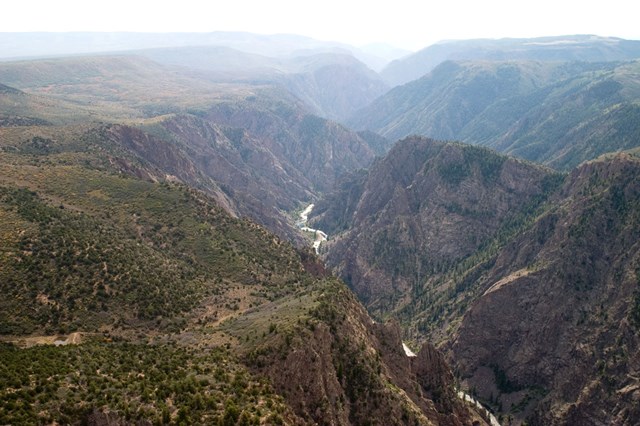
Grand Canyon fees, hours and alertsGrand Canyon National Park has iconic South Rim mule trips. The NPS mule-trip page says reservations may be made as far as 15 months ahead, and Phantom Ranch overnight trips use an online lottery. Riding requires meeting the current age, height, weight and instruction conditions, and demand can make day-before cancellations an unreliable backup. Check the operator's precise route, duration, season, rider eligibility and weather policies before treating a mule ride as a casual add-on.
The same NPS page lists horseback and wagon trips near Tusayan, just outside the park's South Entrance in Kaibab National Forest. They may be worthwhile, but are not the same as an in-park mule trip and should not be labeled one in a plan. Verify which side of the boundary the operator uses and whether the outing actually descends into the canyon, follows a rim forest route or stays at a stable. A canyon view in a brochure does not identify the land manager or itinerary.
A mule ride is also not a shortcut around the park's backcountry closures, changing trail conditions or permit rules. Check current canyon access and the trip operator before committing to a date. If your aim is a horse specifically, distinguish the nearby national-forest product from the park's mule concession.


Before reserving or loading a trailer
Ask first: Who supplies the animal? A concession ride, private-stock day ride, horse-drawn carriage and multi-day pack trip have different authorizations. For a guided product, verify the operator is currently authorized, the departure and route, rider limits, fare, and cancellation or weather terms. For private stock, check the park's current map, advance reservation or permit, trailer parking, weed-free feed, health paperwork, manure rules and overnight facilities. Some routes cross land outside NPS jurisdiction.
Do not infer open trail conditions from the existence of a long trail network. High water, washed-out approaches, seasonal maintenance and fire or wildlife closures can change the ride. Choose a distance, terrain and schedule suitable for both rider and animal, and give other trail users room. Check the park's current route and operator rules for your particular trip.
All 88 parks with horse trekking
These Park Service activity cards do not promise a horse rental or bookable guided trip at every unit. Use each park's current stock guidance and operator listing to plan the right kind of ride.
Free to enter Charges an entrance feePoints are the Park Service reference point for each unit, not a boundary.