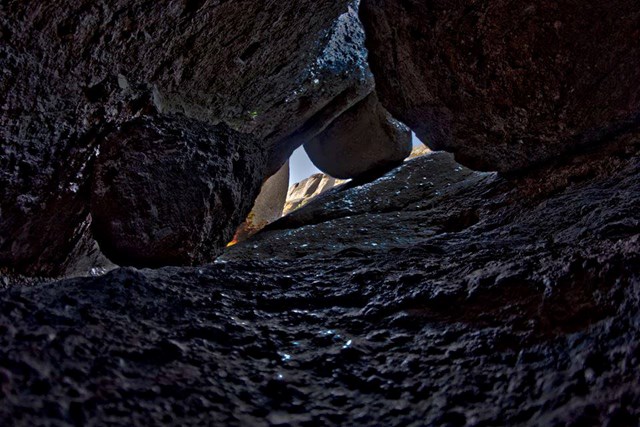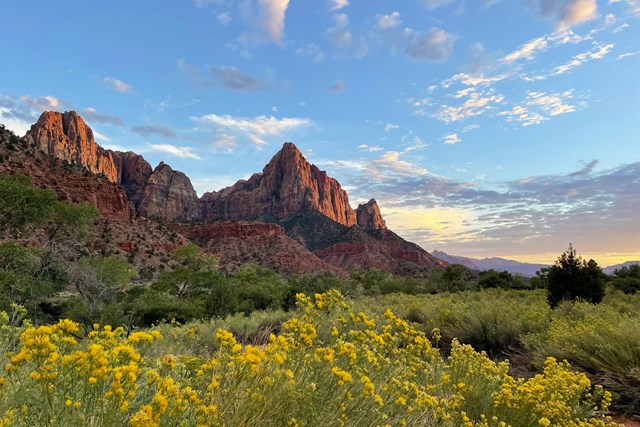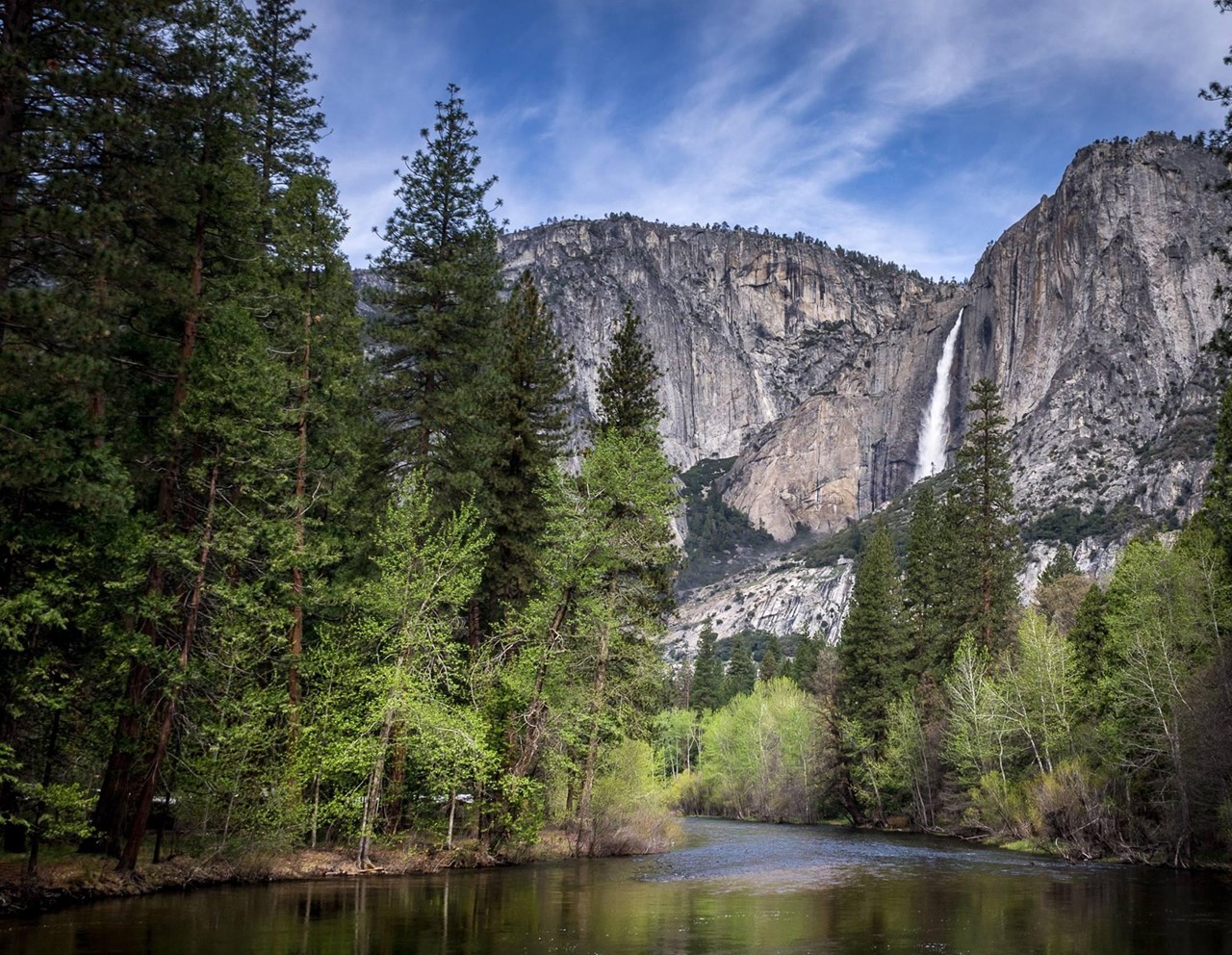
A granite wall over Yosemite Valley, a Joshua Tree crack, a short sea cliff in Maine and a column on Devils Tower are all "climbing," but they are not the same trip. The Park Service lists 39 units with climbing. Before choosing a particular face, check its current access and conditions.
Choose by the terrain, access and obligations you can actually manage. Some climbing takes a free registration, some an overnight wilderness permit, some a group reservation. Wildlife closures and cultural protections can remove a route from the day's options. For the technical decision, use a current guidebook or qualified local guide, inspect conditions and gear yourself, and stay within your skills. The five parks below explain the planning differences; the full Park Service list follows.
Five very different climbing days
01Yosemite: distinguish a day route from a night on the wall
Yosemite fees, hours and alertsYosemite National Park is known for El Capitan's enormous granite, but the park also has Valley cracks and Tuolumne domes that demand very different time, approach and equipment. A photograph of a multi-day wall is not a plan for a first outdoor climb. Read the NPS climbing guidance, then select a route for the party's ability and likely daylight, including a descent and retreat option.
All climbers who stay overnight on a big wall need a free, self-registered wilderness climbing permit. NPS says there is no quota for these permits. That is distinct from a day at a crag and from a wilderness backpacking itinerary; camping at the base of Half Dome has its own wilderness-permit requirement, while camping on the summit is prohibited. Leave enough time for permit steps, waste management and packing out what you bring. The park does not maintain climbing routes or guarantee a rescue, and a fixed anchor is not a park safety certification.
Peregrine nesting can close particular climbing areas. NPS directs climbers to check current notices at Camp 4, El Capitan Bridge and other park information points. Confirm the specific formation shortly before the approach. A route that was open in a guidebook last year may be closed now, and heat, storms or an approaching dark descent can change the best choice even when the rock is legally available.
02Joshua Tree: abundant routes, specific protection rules
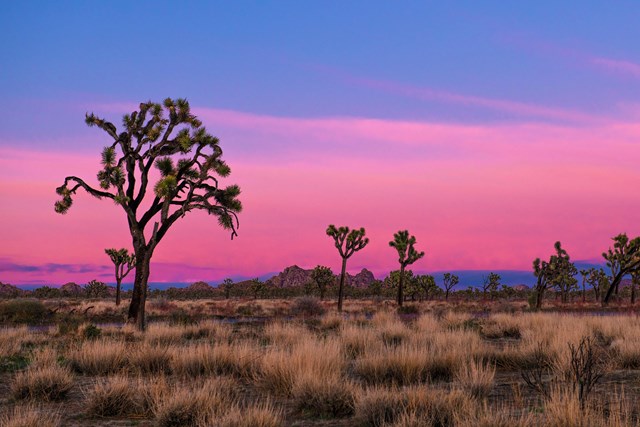
Joshua Tree fees, hours and alertsJoshua Tree National Park describes more than 8,000 climbing routes and roughly 2,000 boulder problems on its monzogranite. That abundance makes choosing a formation and a realistic objective important. Routes can involve abrasive rock, cracks, delicate approaches and desert heat; the existence of thousands of climbs says nothing about the safety of one anchor or the shade on your chosen face.
The park climbing page points to area closures for wildlife or cultural protection. It also states that NPS does not inspect, maintain or repair bolts and other climbing equipment. Placing, replacing or removing a fixed anchor requires a permit. Do not assume that an existing bolt is sound or that a worn anchor can be replaced as an impromptu service project. Check the current closure map and park climbing-management rules before choosing the crag.
A permitted commercial guide can help a newer climber choose terrain and manage a lesson. NPS says guides working in the park must be authorized and meet specified training, insurance and first-aid standards. Ask an operator whether it holds current park authorization, not only whether an individual guide has a professional certificate. Carry enough water, watch temperature and daylight, and avoid trampling fragile soil on the approach just to shorten the walk.
03City of Rocks: grades and ownership within a compact landscape
City Of Rocks National Reserve fees, hours and alertsCity of Rocks National Reserve in Idaho has more than 600 routes on granite formations. The NPS climbing page describes routes from roughly 30 to 600 feet and grades from beginner-friendly 5.6 to difficult 5.14, with both sport and traditional climbing. That range is an invitation to choose carefully, not a claim that any party can arrive and climb whatever is visible from the road. A current guidebook and someone who understands the protection style will narrow the options.
Climbing an established route or scrambling does not require a climbing permit under the park's general rule. Installing a permanent anchor does require a permit. Nesting raptors can close individual rocks seasonally; some private land and areas along the California Trail are also restricted. Check the exact rock's current status and stay on a lawful approach. Nearby Castle Rocks has additional routes, but it is a separate place: do not transfer a City of Rocks description to an adjacent land manager without checking its rules.
04Acadia: a sea cliff with tide and group limits
Acadia fees, hours and alertsAcadia National Park offers granite climbing above the Atlantic at Otter Cliff and Great Head, as well as routes away from the shore. The NPS climbing page describes Otter Cliff's roughly 60-foot sea cliffs, often approached by rappel, and warns that high tide or surf makes both Otter Cliff and Great Head more dangerous. Consult the tide, swell and weather for the planned climbing window, not merely the drive in. A line that works at low tide may have a very different belay or escape under rising water.
From the Friday before Memorial Day through Labor Day, organized groups of six to twelve people, including guides and instructors, must reserve a climbing permit at Otter Cliff. An individual climber's plan and a commercial group outing are not automatically governed by the same booking step. NPS maintains certain fixed top anchors at Otter Cliff and requires their use instead of trees for several climbs, but tells climbers to evaluate those anchors before use and report concerns. Elsewhere, locally maintained fixed protection or rappel stations are not a substitute for inspection. Confirm current park closures and group rules before bringing students or a large party to a crowded sea cliff.
05Devils Tower: mandatory registration, voluntary June pause
Devils Tower fees, hours and alertsAt Devils Tower National Monument in Wyoming, the rock's columns and the place's cultural meaning both shape a visit. The NPS climbing guidance requires free registration at the Tower Trail kiosk before climbing or scrambling above the boulder field; climbers return the appropriate card portion after the climb. Observe posted route closures, including seasonal falcon-nesting restrictions. Registration is a legal requirement, not a paid reservation for a guide.
A second rule is deliberately different. Throughout June, NPS asks visitors to voluntarily refrain from climbing the Tower or scrambling inside the Tower Trail loop out of respect for the American Indian tribes for whom the month and site are culturally significant. Call it a voluntary closure, not an enforced blanket ban and not an invitation to ignore the request. Plan a different climbing destination in June if you can. The park says most Tower routes rely on traditional protection rather than bolts, and warns that many accidents occur on rappel. Inspect anchors and plan the descent with as much care as the ascent; a route grade alone is not a complete risk assessment.




Plan for the exact formation
Find the current park climbing page and check the route or formation closure, not just the entrance gate. Ask whether your group size or overnight plan needs a permit or registration; those are separate from entrance fees. Confirm approach ownership, seasonal wildlife protection, fixed-anchor rules and whether a hired guide is authorized. Then assess weather, tide, rock conditions and daylight, and have a retreat plan that does not rely on rescue arriving quickly.
Existing bolts, slings and rappel stations deserve inspection. Do not place or replace permanent hardware unless the park permits it. Stay off restricted cultural and nesting areas, use established approaches, and pack out waste. For terrain that involves slot canyons and water instead of a climbing crag, canyoneering is a separate activity with different route and permit hazards. Gear overlap does not make the access rules interchangeable.
All 39 parks with climbing
Below is every Park Service unit that lists climbing. Use a current park climbing notice and route-specific information before choosing a climb.
Free to enter Charges an entrance feePoints are the Park Service reference point for each unit, not a boundary.