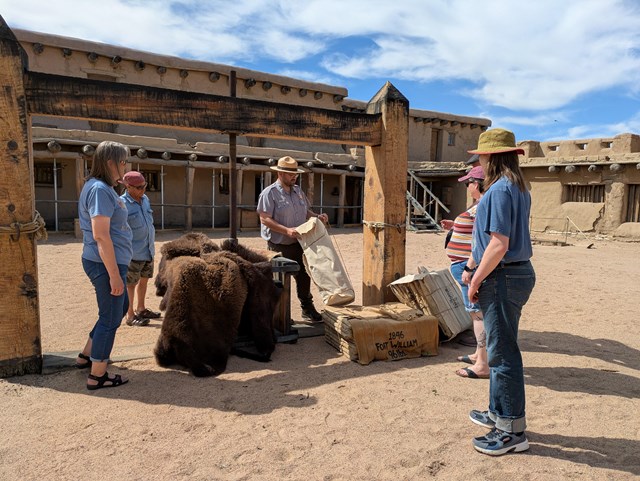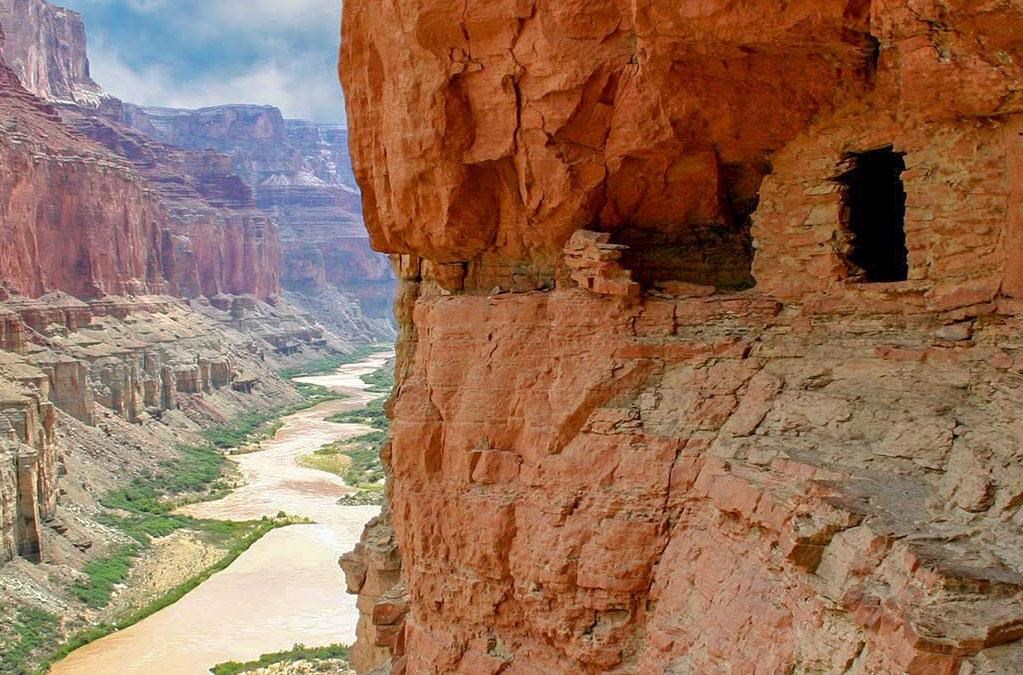
The object in a case has stopped moving. A working loom, a piece of clay in an artist's hand or a tortilla coming off a griddle still has a story unfolding in front of you. The strongest park demonstrations put that work, and the person doing it, at the center. At Desert View, tribal artists speak about their own traditions against the backdrop of Grand Canyon. At Lowell, the sound of power looms makes an industrial building comprehensible in a way a photograph cannot.
The Park Service lists 70 units with cultural demonstrations. Some programs are regular, some belong to festivals and many depend on the artist or interpreter being there that day. These ten are worth building a visit around if the calendar lines up. Ask who is presenting, what the program covers and whether you may photograph the work. An artist is not part of an exhibit; a good conversation begins by respecting that distinction.
The ten best cultural demonstrations in the national parks
01Grand Canyon
Grand Canyon fees, hours and alertsThe view from Desert View Watchtower is not the whole reason to go. Grand Canyon's Cultural Demonstration Program invites artists and cultural practitioners from tribes with ties to the canyon to share work and knowledge in person. Weaving, carving, pottery, silversmithing, dance and storytelling have all been part of the program. The park says its purpose is to elevate the demonstrators' own voices. Let them tell you what a material, design or practice means rather than asking the tower to explain it for them.
The program began in 2014, but one thread goes further back: Hopi potter Nampeyo demonstrated at Hopi House in the early twentieth century, and the park records a descendant demonstrating there generations later. That continuity is more interesting than treating each visit as a show arranged for tourists. Admission to the demonstrations is free; who is present changes with the schedule. Check the Desert View program before making the long drive from the South Rim village.
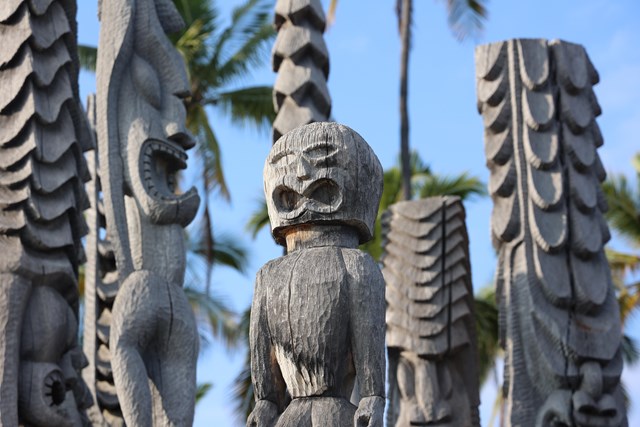
02Puʻuhonua o Hōnaunau
Puʻuhonua o Hōnaunau fees, hours and alertsAt Puʻuhonua o Hōnaunau, cultural practitioners show how knowledge can live in materials you might otherwise walk past. The park describes weaving with coconut fronds and lauhala, traditional clothing and Hawaiian games among its demonstrations. There is room to participate too: ask at the visitor center about kōnane and find the game board. This is not a generic craft table placed next to an old site. It connects a living practice to the landscape and community that give the historical park its meaning.
The annual cultural festival brings practitioners together for a broader program, but do not confuse a festival date with a promise that every activity runs every day. Ask what is happening during your visit and how to address or photograph a demonstrator respectfully. The difference between watching somebody braid a leaf and understanding why that technique matters is often one well-asked question.
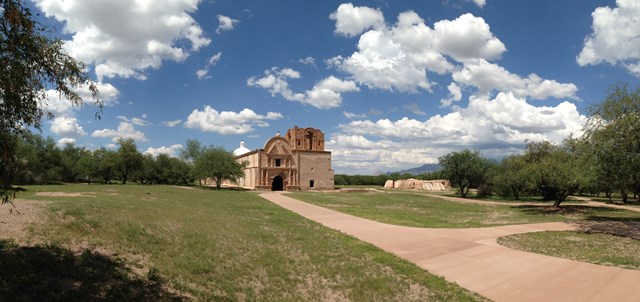
03Tumacácori
Tumacácori fees, hours and alertsThe grounds of Mission San José de Tumacácori can be a place to see O'odham basket weaving, tortilla making, leatherwork, paper flowers or ironwork, depending on the people scheduled. Tumacácori identifies its demonstrators and invites visitors to check the calendar for the particular craft. That matters here: a basket maker's work and a cook's work tell different parts of the borderlands story, and neither should be reduced to an anonymous "old-time" skill.
Give yourself time to talk with the artisan before walking the mission grounds. The sounds and smells of a demonstration add something that the surviving buildings cannot supply on their own. The park's program is seasonal and the roster changes, so arrive with a specific interest but leave room for the artist who is actually there. A craft carried in a family or community has a present tense, even at a historic site.
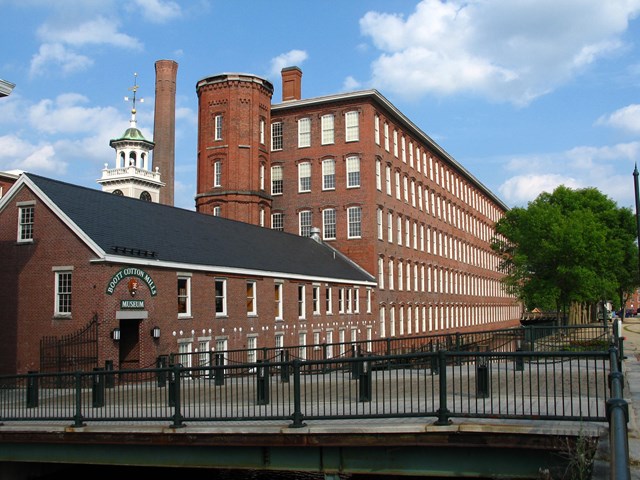
04Lowell
Lowell fees, hours and alertsYou hear Lowell before you understand it. The Boott Cotton Mills Museum's weave room contains more than eighty historic power looms from the 1920s, and operating machines still make cotton cloth. That noise is a small fraction of what mill workers lived with. An interpretive demonstration lets you see how yarn became fabric while the surrounding museum puts the workers, investors and immigrant families back into the story. The machines are impressive; the human cost of keeping them running is the point.
The museum charges admission and demonstrations depend on its operating season and staff. Check the weave-room schedule, not just the general park hours. If you want to try a related activity yourself, Lowell has separate hands-on workshops; those are not the same thing as operating the historic looms. Give the museum enough time that the sound can settle into its history.
05Nez Perce
Nez Perce fees, hours and alertsA Nez Perce National Historical Park announcement from 2019 described moccasin making and beadwork demonstrations at the Spalding Visitor Center. It is a record of a past event, not a current summer program. Check the park's calendar for a new artist-led event before planning a visit around one.
This is an event-led choice, not a claim that the same artist sits at a workbench every day. Look for a current program at Spalding, and consider a longer park visit if one is scheduled. The park includes places spread across a large region; the visitor center named on the event notice is where you need to go. A map of the whole park alone will not get you to the right room.
06Hopewell Furnace
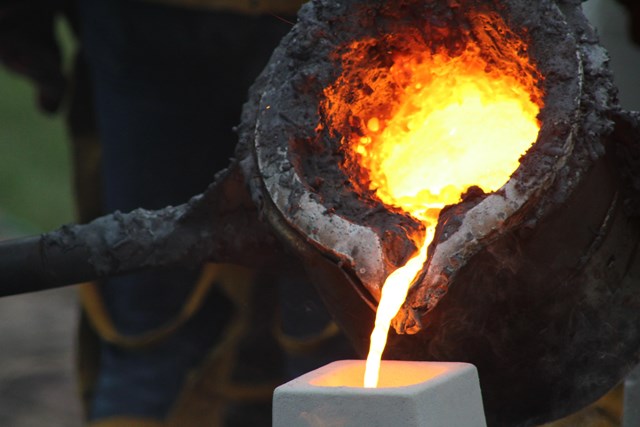
Hopewell Furnace fees, hours and alertsThe iron plantation at Hopewell Furnace has a particular advantage: interpreters can show the work that gave the place its reason to exist. Rangers and volunteers demonstrate historic skills such as blacksmithing, fiber arts and baking. The park also schedules aluminum casting into molds, using historic methods to explain the molder's craft. That is aluminum in a demonstration, not a claim that the old iron furnace is smelting again.
A casting or living-history program makes the village easier to read. You see tools, labor and the coordination behind an operation that otherwise risks looking like a collection of picturesque buildings. Check the event calendar before traveling for a specific demonstration; staffing and scheduled days matter. If one is not running, the furnace landscape is still worth a walk, but it is a different visit. Plan for the event you want rather than hoping for a plume of smoke when you arrive.
07Puʻukoholā Heiau
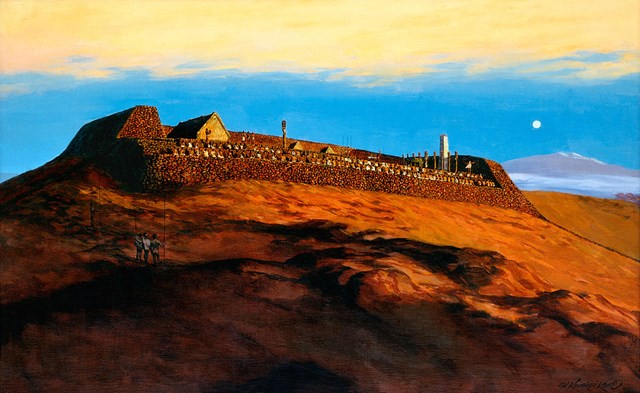
Puʻukoholā Heiau fees, hours and alertsPuʻukoholā Heiau lists cultural demonstrations and hands-on activities in its visitor center during the week, with its calendar and staff able to say what is offered. The park's indoor displays include traditional-style objects, but an encounter with a cultural practitioner gives that history a speaking voice. It also lets a visitor ask about making, use and meaning rather than guessing from an object behind glass.
The demonstration is one part of a visit to a site associated with Kamehameha I and a history much larger than a single skill. Begin at the visitor center to find out who is present; then go out to the heiau with the context they supplied. If the schedule has shifted, take in the site without pretending a display is a substitute for the person who would have led the program. The calendar is the best way to make the two parts meet.
08Fort Vancouver
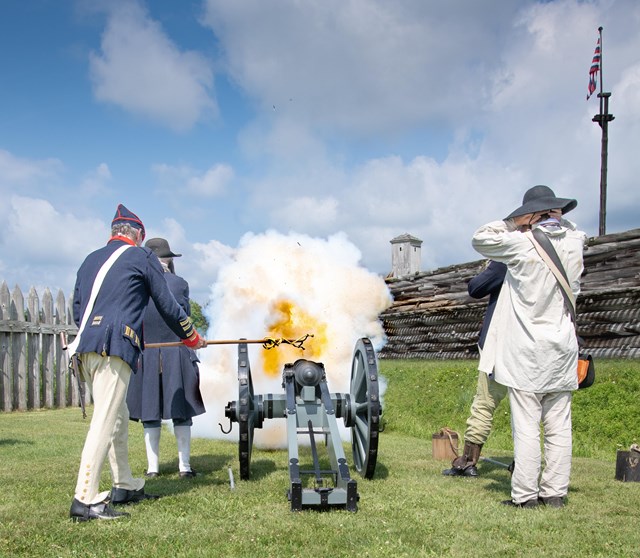
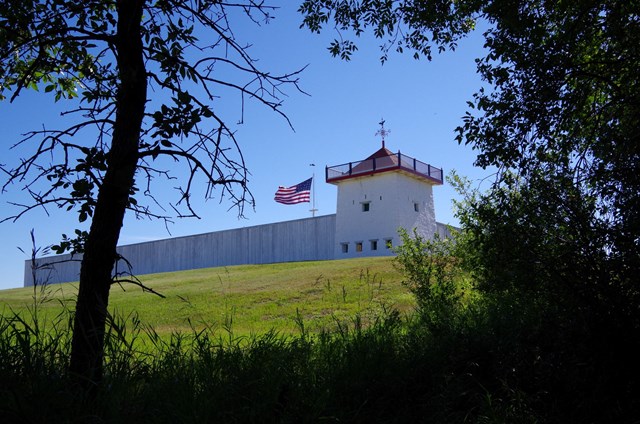
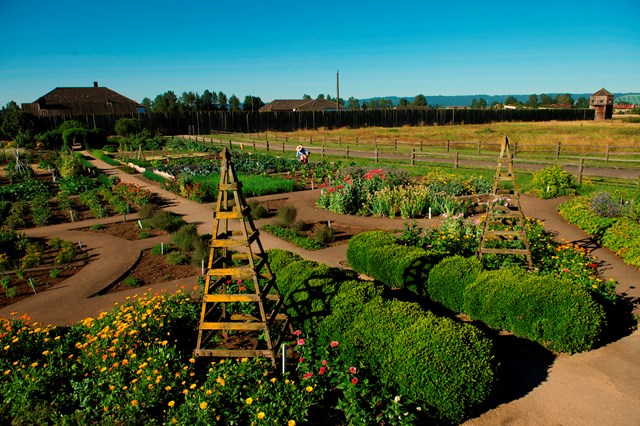
Fort Vancouver fees, hours and alertsAt Fort Vancouver, an interpreter at work can turn the reconstructed Hudson's Bay Company fort from a set of rooms into a busy place. The park points visitors to indoor activities that include watching a blacksmith work, and its history programs have used living-history interpretation to show skills that supported the trading post. Ask what is running on your date rather than counting on the smithy from a photograph or a past event notice.
This is a good choice if you want a demonstration that sends you back through the rest of the site with sharper eyes. A tool made at the forge belongs to a larger system of trade, labor and colonial power; the fort's buildings can help you trace it. Leave time for that connection. The work deserves more than a few seconds of video before you hurry on to the next room.
09Hubbell Trading Post
Hubbell Trading Post fees, hours and alertsAt Hubbell Trading Post, the shop and the demonstration can belong to the same conversation. The park has listed Navajo rug-weaving demonstrations and rug-and-jewelry events. Watching a weaver work at a vertical loom gives you a better idea of the decisions behind a textile than any price tag can. It also keeps the maker in the story rather than treating a rug as a relic without a living practice.
Hubbell is an operating trading post, and the specific artist program depends on its event calendar. Check for an event, then give the artist space to talk about their own work instead of assuming every design has a single meaning. If buying is possible, ask where the sale goes and whether it supports the demonstrator directly. The best souvenir here is not proof you visited; it is an informed choice about the work you saw.
10Sitka
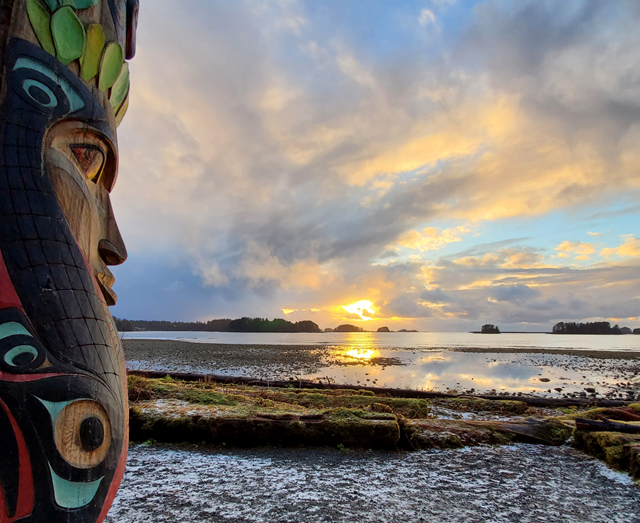
Sitka fees, hours and alertsThe coastal trail and carved poles bring many visitors to Sitka, but the park's demonstrating-artists program can add a voice to the art on display. The visitor center holds Tlingit and Haida work, and a conversation with a present-day artist is a better entry point than silently assigning every pole a story of your own. Check who is scheduled and what they plan to demonstrate before making that the anchor of your day.
Sitka's art and history are not a single past moment. Pair the visitor center with the trail and other historic places in town, leaving time for the artist rather than fitting them into a gap between sights. An event calendar matters here because the chance to speak with a maker depends on that maker actually being there. The poles remain when the schedule is empty; the visit is simply different.

When to go: plan around the practitioner
Spring brings changing rosters. Some parks start their demonstration calendars as visitor seasons expand. At Tumacácori, craft days are tied to its published program rather than to the mission's daily opening hours. Check the named craft and the artist before you travel. If the event is the reason for a longer journey, call to confirm it near departure.
Summer carries the broadest festival season. Puʻuhonua o Hōnaunau's cultural festival and Nez Perce's summer series show how much a particular date can add. Grand Canyon's Desert View program also offers encounters during the visitor season. A special event can have more participants than an ordinary day, but more visitors too. Go early enough to talk without treating the person at work like a stage set.
Fall changes both access and schedules. A mill museum can close its regular demonstration season while the surrounding park remains accessible; a historic site may shift to occasional weekend events. Lowell's weave room and the outdoor programs at other sites each keep their own calendar. Never use the general park-hours page as evidence that the specific person or machine will be working.
Winter rewards smaller, intentional visits. A visitor-center demonstration or an urban historic-site program may fit when outdoor festivals are over, but it can depend on staffing. Look at the current calendar, then plan the rest of the park as a satisfying visit on its own. If a program is canceled, you still have the place; you do not have the conversation you came to hear.
How to make the visit count
- 1
Find the actual program. The park name is not a ticket to see every craft mentioned here. Check the event title, artist, location and date. At Nez Perce, a past Spalding program does not tell you what is happening elsewhere in the park tomorrow.
- 2
Ask before photographing or recording. A demonstration is a person at work, and some practices or parts of a conversation may not be for your camera. Follow the maker's lead. Listen first, then ask a question about a material or technique that you can see.
- 3
Know the difference between making and interpretation. Lowell's working looms explain industrial production; a cultural practitioner at Desert View speaks for their own practice. Hopewell's aluminum casting models an old method without claiming the original iron furnace is operating. Let each program be what it says it is.
- 4
Allow room for a schedule change. Artist travel, staffing and weather can move an event. Confirm it shortly before leaving and plan a second way to experience the site, whether the Desert View landscape, Tumacácori's mission grounds or Lowell's museum exhibits.
- 5
Spend with care. If the artist offers work for sale, ask whether and how to buy from them. Grand Canyon's program recognizes demonstrators' time and supplies; your purchase should be a choice about the maker's work, not an assumed obligation for a conversation. Credit the artist when you tell the story later.
A short history of showing the work
Demonstrating a craft at a park is older than the modern event calendar. The Grand Canyon records Hopi potter Nampeyo working at Hopi House in the early twentieth century. The practice was not frozen there: the park now points to a descendant who has demonstrated in the same building. The two moments show both continuity and change, which is more truthful than a timeless scene staged for visitors.
Interpretation took other forms as industrial places entered the park system. At Lowell, keeping power looms running gives visitors an audible measure of factory labor. At Hopewell Furnace, molding and casting can explain a trade without pretending a historic iron-making operation is still producing. These demonstrations require an honest account of what is original, what is reconstructed and who did the work.
Today's strongest programs move the person doing the work from the margins to the center. Grand Canyon's Desert View program, begun in 2014, explicitly seeks to elevate tribal voices. At Tumacácori and Puʻuhonua o Hōnaunau, practitioners can answer for their own techniques and traditions. The park provides a place to meet. The knowledge belongs to the people who carry it.
All 70 parks with cultural demonstrations
Below are Park Service units that list cultural demonstrations. Browse the parks, then open the current events calendar for the particular artist, craft, location and date; a park listing does not mean someone is demonstrating every day.
Free to enter Charges an entrance feePoints are the Park Service reference point for each unit, not a boundary.