.JPG/1280px-The_front_of_a_canoe_with_the_murky_Buffalo_River_and_glimmering_Roark_Bluff_ahead_(ba99f71e-4317-4e13-a37f-c3303610944b).JPG)
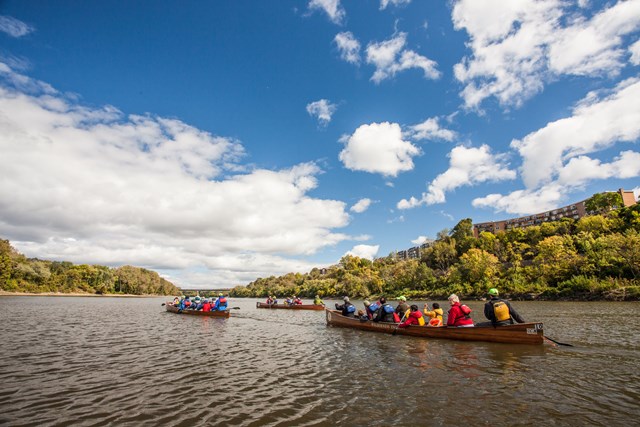
Paddling is the Park Service's umbrella word for everything that moves by arm power: canoes, kayaks, rafts, paddleboards, packrafts. One hundred thirteen units list it, which makes it the biggest water category in the system - and the one that hides the best trips. The famous parks guard their signature water with lotteries and seasonal releases, and the obscure ones will hand you a wilderness river for the price of reading the rules.
This is the page for the whole fleet. The ten trips below lean toward the journeys - the multi-day rivers and big-commitment floats that justify the word "trip." If you are looking for a craft-specific guide, the canoeing, kayaking and paddleboarding pages each pick their own ten. The full directory follows.
The ten best paddling trips in the parks
01Grand Canyon
Grand Canyon fees, hours and alertsThe river trip every other river trip is measured against: 226 miles from Lees Ferry to Diamond Creek, 12 to 25 days through the biggest ditch on the continent, with rapids that have their own names and lawyers could not improve the camping. Private trips run on a weighted lottery - the Park Service abandoned the old 25-year waiting list for it in 2006 - and your odds improve every year you enter and lose. Commercial outfitters sell the same river with a guide, a kitchen and a one-year-ahead booking window instead of a lottery. Either way, you will spend the off-season thinking about it. There is no second place.
02Gauley River
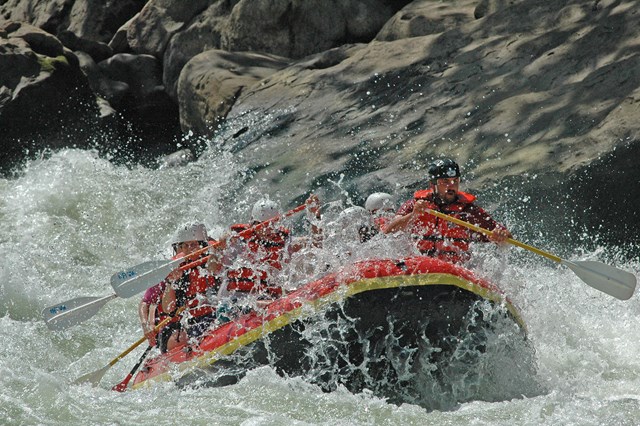
Gauley River fees, hours and alertsFor about six weeks each fall, the Army Corps pulls the plug on Summersville Dam and the Gauley becomes what paddlers widely consider one of the best whitewater rivers in the country, a verdict the Park Service passes along on its own Gauley page. The 2026 season runs September 11 to October 17, with releases on a published schedule, and the Upper Gauley's five named Class V rapids fill with rafts from every outfitter in the East. The Upper is expert water; the Lower Gauley is the merely-serious version; the whole thing happens in a sandstone gorge that turns color in mid-season. It is the closest thing American paddling has to a holiday, and it ends on a Sunday in October whether you got there or not.
03Dinosaur
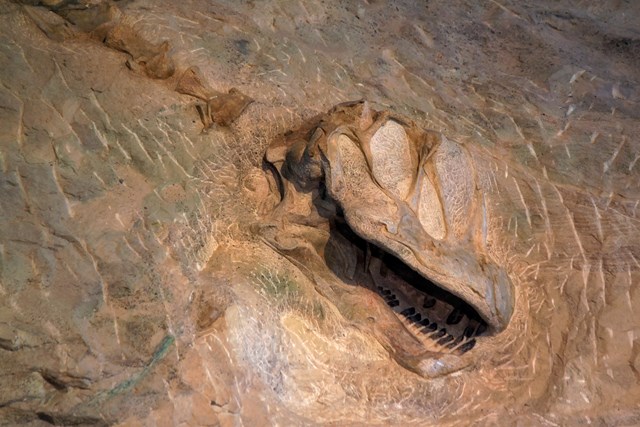
Dinosaur fees, hours and alertsTwo classic rivers meet here, and they could not be less alike. The Green comes out of the Gates of Lodore in red rock, a four-day run through billion-year-old canyon walls with named rapids and beach camps. The Yampa comes in wild - the last big undammed river in the Colorado system - and rises and falls on snowmelt alone, which makes its 47 park miles a different trip every year. Both book through the Recreation.gov permit lottery in winter, and both fill. The quarry with the dinosaur bones is a five-minute walk from the put-in road, which remains the best pre-trip briefing in paddling.
04New River Gorge
New River Gorge fees, hours and alertsThe New is among the oldest rivers on the continent - old enough that it was here before the Appalachians finished rising and simply sawed through them - and the gorge it cut is now the newest national park in the East. The Lower New runs 13-plus named rapids through the deepest part of the canyon, finishing under the famous steel arch bridge; the Upper New is the family float on the same water. Outfitters line Fayetteville, half-days and full-days run all season, and fall Gauley releases a few miles west mean September in this county is the whitewater capital of America.
05Gates of the Arctic
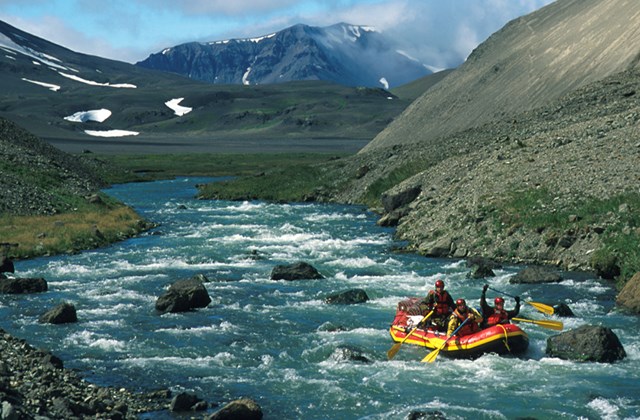
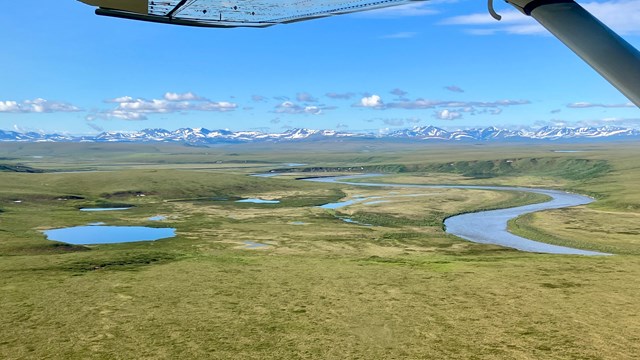
Gates of the Arctic fees, hours and alertsNo roads, no trails, no visitor center you can drive to - and several of the finest wilderness floats left on Earth. The standard trip flies a bush plane into the headwaters of the Noatak, the John or the North Fork of the Koyukuk and paddles out for one to three weeks through the Brooks Range, with caribou, grizzlies and total silence as the entertainment. The water is mostly moderate; the commitment is not. There is no rescue shortcut, no outfitter at the take-out and no cell service, which is precisely the sales pitch. If the Grand Canyon is paddling's cathedral, this is its monastery.
06Canyonlands
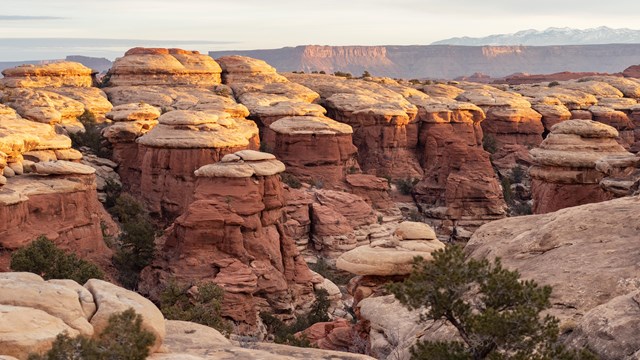
Canyonlands fees, hours and alertsThe flatwater trip the desert hides: put in at Mineral Bottom and drift the Green River through Stillwater Canyon to the Confluence, 60-plus miles of silent, current-pushed canoeing between canyon walls, with the dollhouse spires of the Maze over one rim. Every river trip in the park needs a permit, but there is no lottery and no daily launch limit: overnight permits open on Recreation.gov four months ahead of each season (December 14 for the April-to-October window, June 15 for the winter one) and must be reserved at least two days before launch. The calendar splits two permit types - flatwater (Stillwater or Meander Canyon) and Cataract Canyon, same $36 reservation fee plus $25 per person overnight - so a trip that continues through the Confluence into the rapids books under Cataract, not flatwater. Moab outfitters handle shuttles and canoe rentals. Know which permit type you are before you drive out.
07Obed
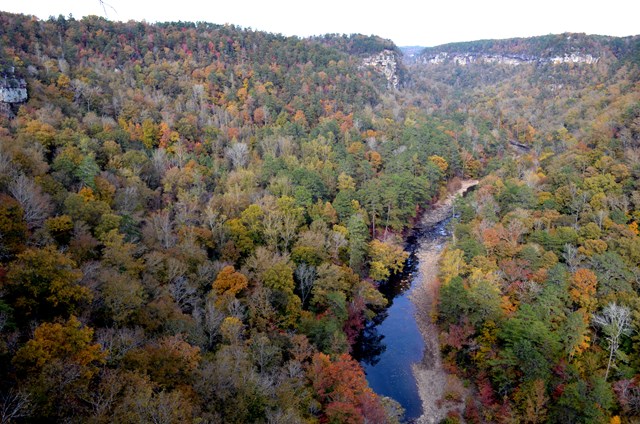
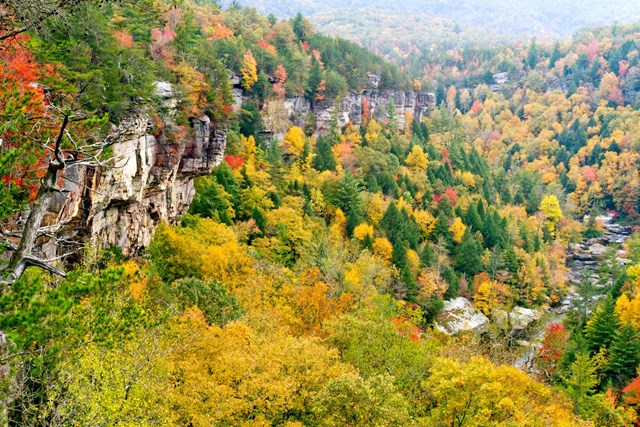
Obed fees, hours and alertsEast Tennessee's climbing park doubles as its sleeper whitewater run. Clear Creek and the Obed River cut through the Cumberland Plateau in boulder-strewn Class III and IV drops, runnable in the rainy season and empty even when they are perfect. This is creek boating for paddlers who own the skirt and the skills, but not quite the DIY dead-end it looks like: the park lists one authorized river guide service, Ace Kayaking School (active for 2026), and the visitor center in downtown Wartburg keeps word on local paddlers who often run shuttles - call 423-346-6294 before assuming you are hitchhiking your own shuttle. What there is not: a raft fleet or a livery row. What there is: sandstone gorges, fall color, and a river you will have to yourself on a Tuesday in November. The same cliffs above the waterline hold some of the best sport climbing in the South, which makes it a two-sport weekend.
08Big South Fork
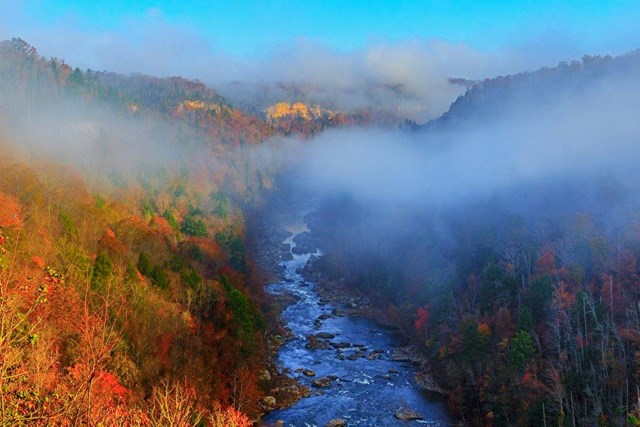
Big South Fork fees, hours and alertsThe Cumberland Plateau's other gorge, where the Big South Fork of the Cumberland River runs Class III and IV water through a sandstone canyon full of natural arches, and the take-outs have names like Angel Falls. Spring rains power the main run; summer drops it to a swim-and-scratch level. The park straddles the Tennessee-Kentucky line with outfitters on both sides, and it pairs its rapids with more arches than anywhere outside Utah, visible from the riverbanks between drops. Sheltowee Trace hikers wave from the rim.
09North Cascades
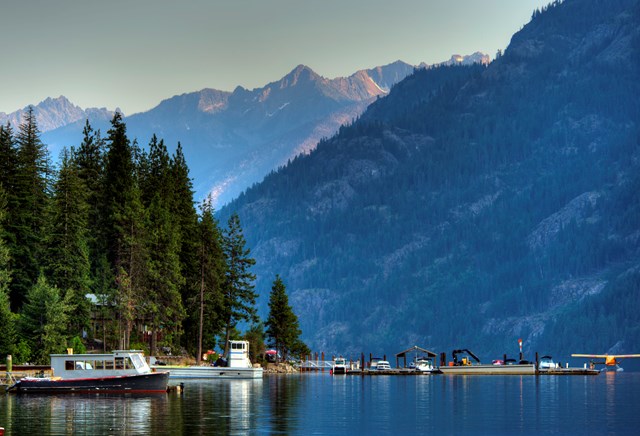
North Cascades fees, hours and alertsThe paddling here is lake water with a mountain problem: Ross Lake stretches 23 miles toward the Canadian border in a fjord-blue trench, with paddle-in campsites, a floating resort at the far end, and waterfalls coming down the walls. Diablo Lake below it runs the color of glacier flour, which it is. The catch is access - most of Ross Lake's shoreline is reached by boat or trail, not road, so the paddle starts where the hike ends. It is the best mountain-lake canoeing in the Northwest, and the North Cascades crowds stay on the trails while you take the water.
10Wrangell-St Elias
Wrangell-St Elias fees, hours and alertsAmerica's largest national park, and its rivers run accordingly: the Kennicott, Nizina, Chitina and Copper drain a chunk of Alaska bigger than Switzerland, and packrafting them has become the park's signature modern trip - hike in with a six-pound boat, float out through iceberg-dotted glacial lakes and braided grey rivers. Guided packraft trips run out of McCarthy, and the classic routes string glaciers, canyons and a bush-plane pickup into a long weekend. It is Alaska-scale adventure that does not require expedition skills, just expedition judgment and a guide who has both.




How the big park paddling permits work
The bucket-list rivers are scarce by design, and each allocates its scarcity differently.
The weighted lottery. Grand Canyon's private permits run through an annual weighted lottery - enter every February, and each year you do not win, your odds improve for the next one. Dinosaur's Green and Yampa permits run through Recreation.gov's own lottery in winter. Cancellation dates reappear online without warning; the diligent check daily in spring.
The seasonal release. Gauley does not do permits at all - it does scheduled water. The Corps publishes release dates each August, the outfitters sell seats for those weekends, and the river runs for about six weeks whether or not you are ready.
The plain reservation. Canyonlands, and most other overnight river trips in the system, simply book on Recreation.gov like a campsite: a calendar, a fee, a confirmation number. They go fast on holiday weekends and sit open on Tuesdays.
The guided end-run. Every hard-to-get river on this page also has commercial outfitters holding their own allocations. A seat on a guided trip costs money instead of lottery luck, and for the Grand Canyon it is how most people will ever get there. The parks that currently require reservations for anything - entry, camping, permits - are tracked on the reservations page.
A short history of paddling the parks
The park system's first river protection fights were paddling fights. The Echo Park dam controversy of the 1950s - a plan to flood Dinosaur National Monument's canyons for storage - was beaten back by a coalition that put voters in boats and let the rivers make the argument; the dam died in 1956, and the modern conservation movement dates itself from the win. A decade later the logic had flipped from defending to designating: Ozark National Scenic Riverways in 1964, the Wild and Scenic Rivers Act in 1968, and Buffalo National River in 1972.
The boats democratized next. Royalex and plastic hulls in the 1970s and 80s made whitewater survivable for mortals, the raft industry grew up on the Colorado and the Gauley, and the packraft showed up in the 2000s to open the Alaska parks to anyone willing to carry a boat in a backpack. The Park Service's role never changed: keep the river running, keep the campsites clean, and let the current do the talking.
All 113 parks with paddling
Every Park Service unit with paddling in the official record is below, from 25-day canyon expeditions to an hour on a city river. The big trips are booked in winter and floated in summer; plan backward from the permit, not the vacation.
Free to enter Charges an entrance feePoints are the Park Service reference point for each unit, not a boundary.