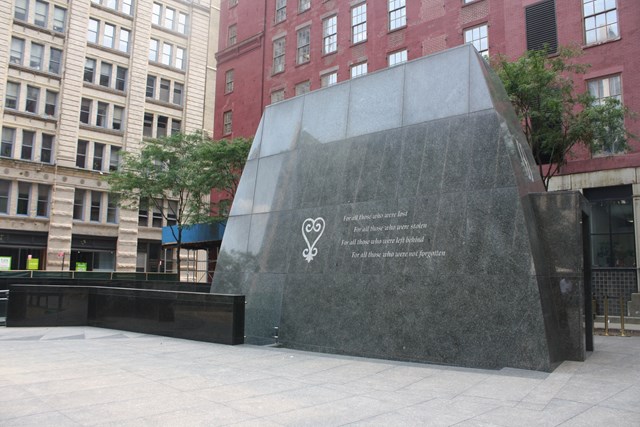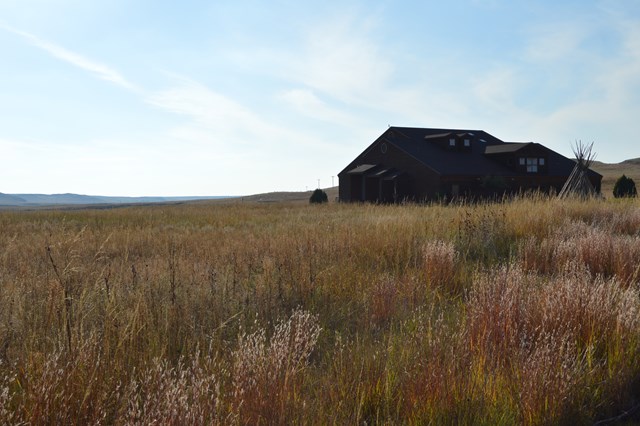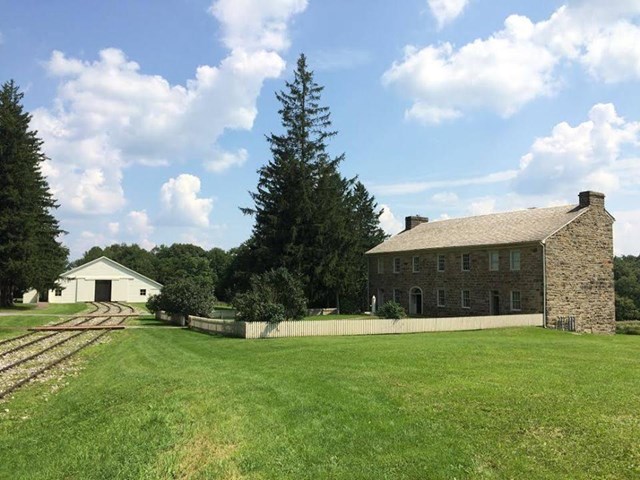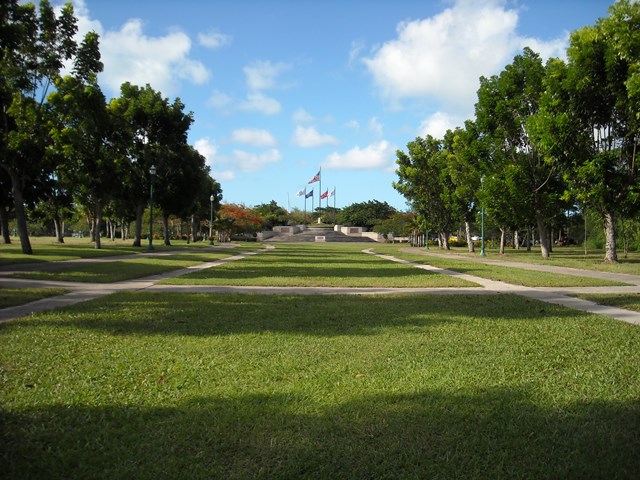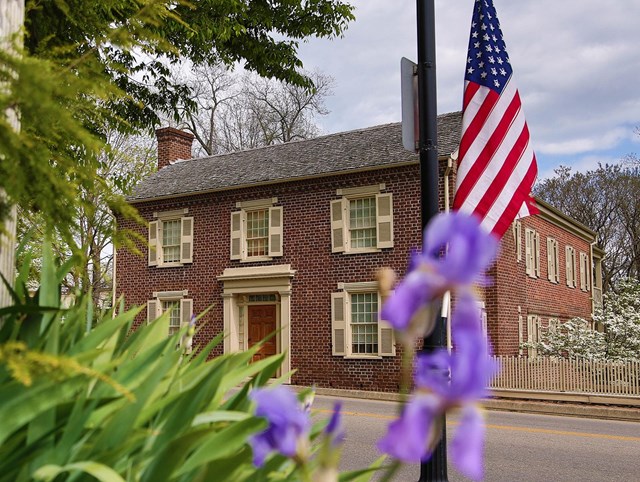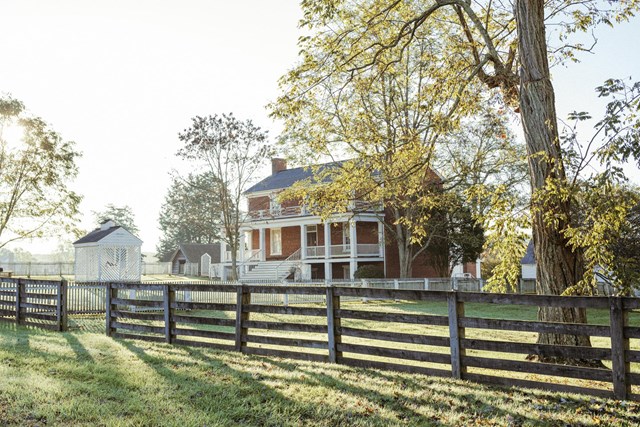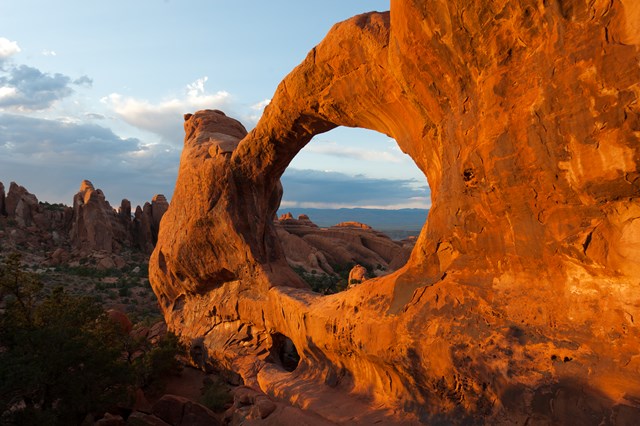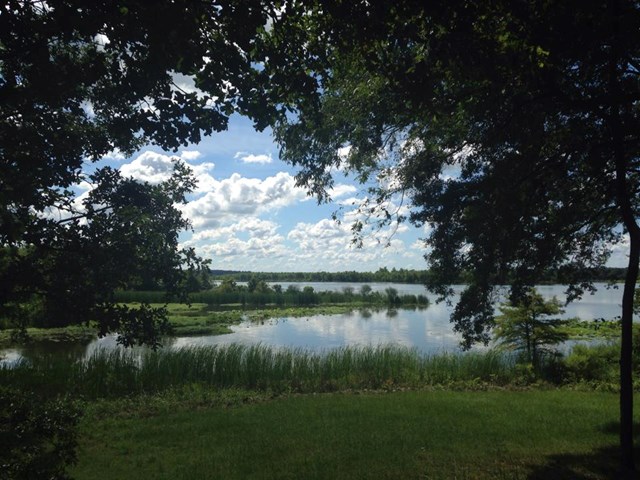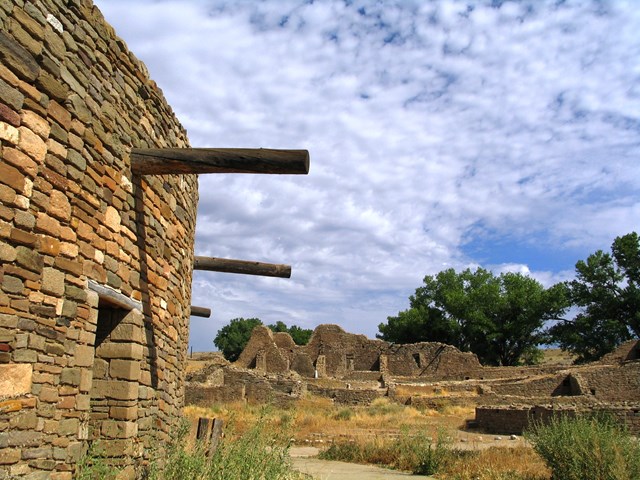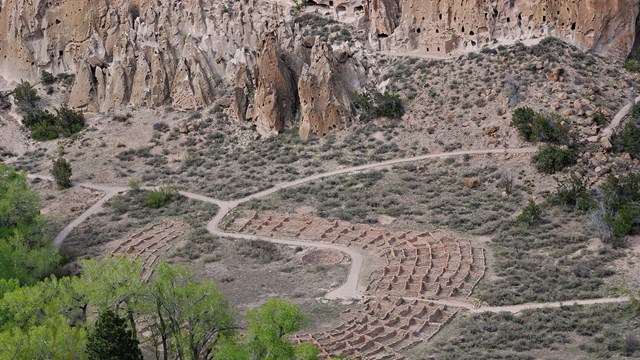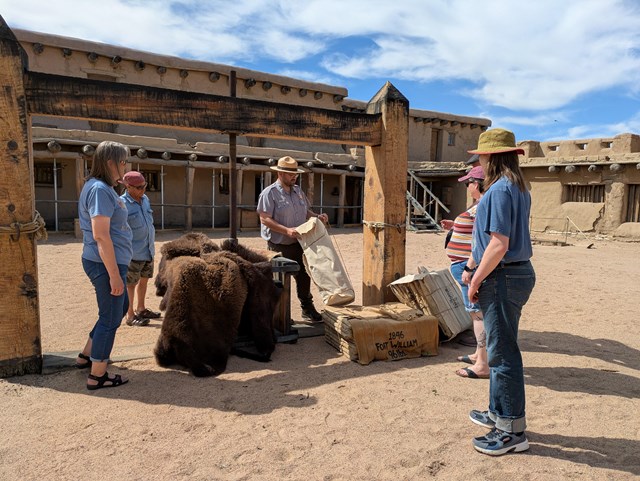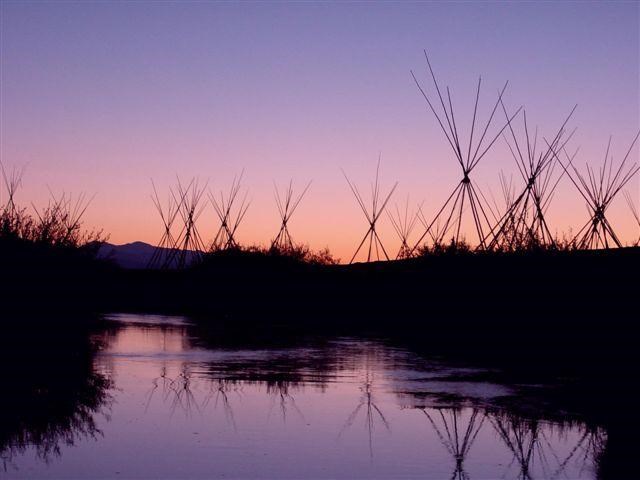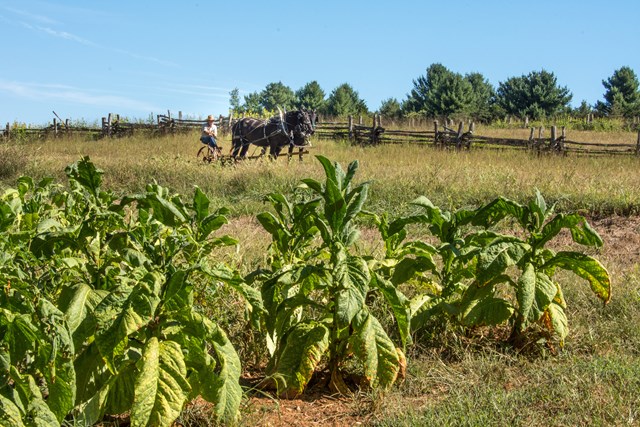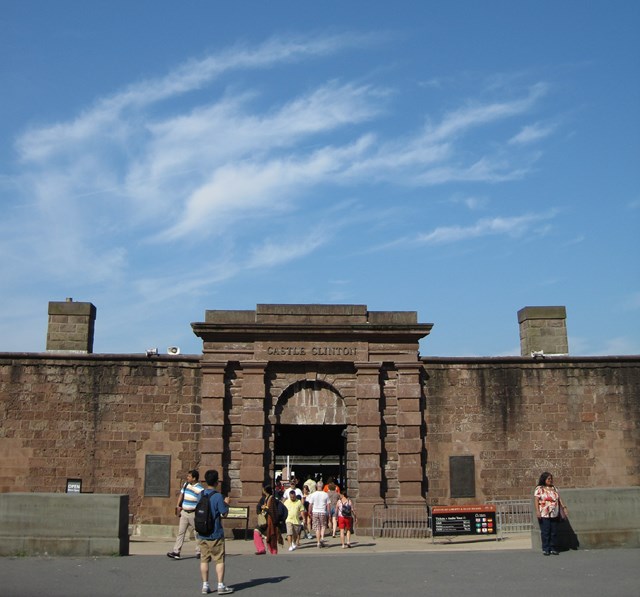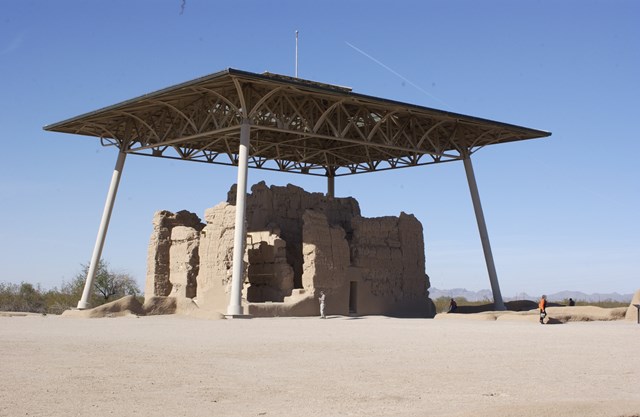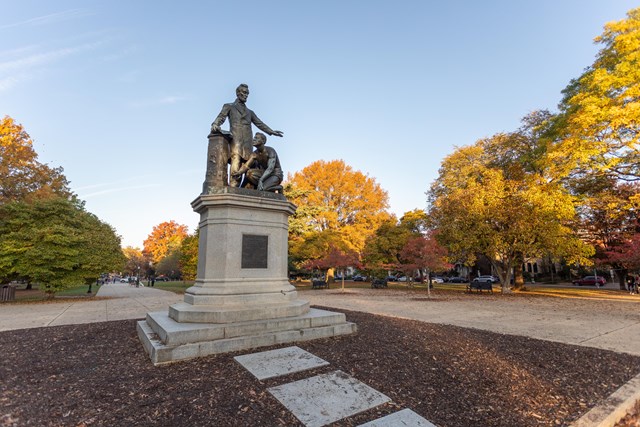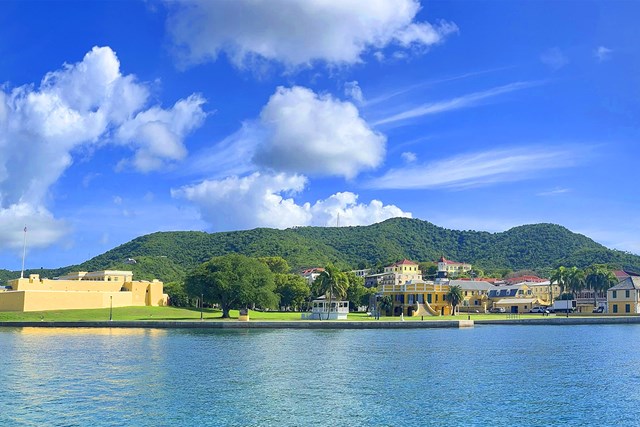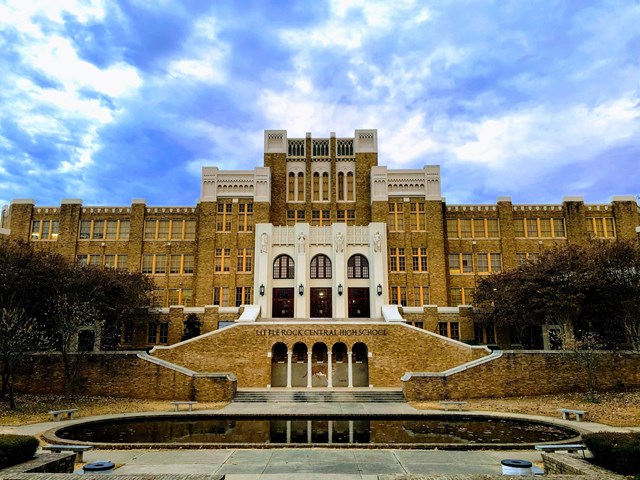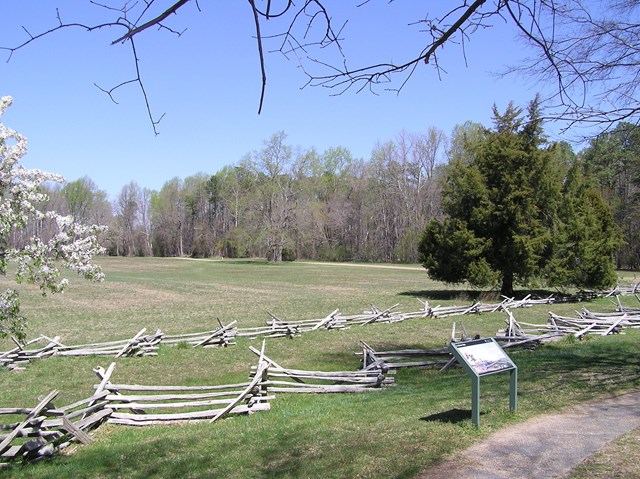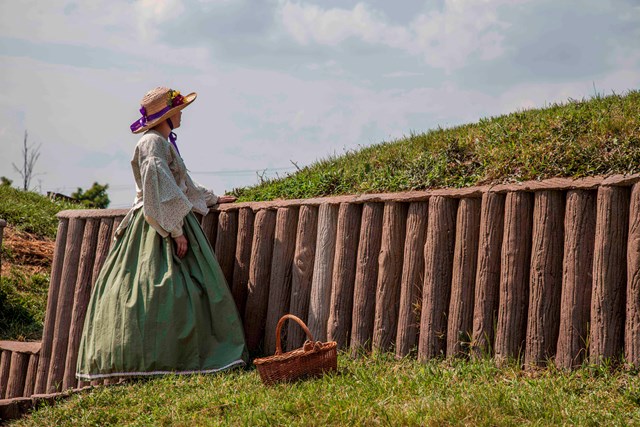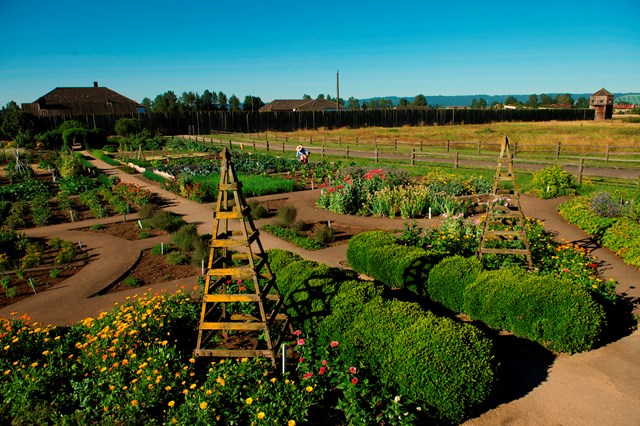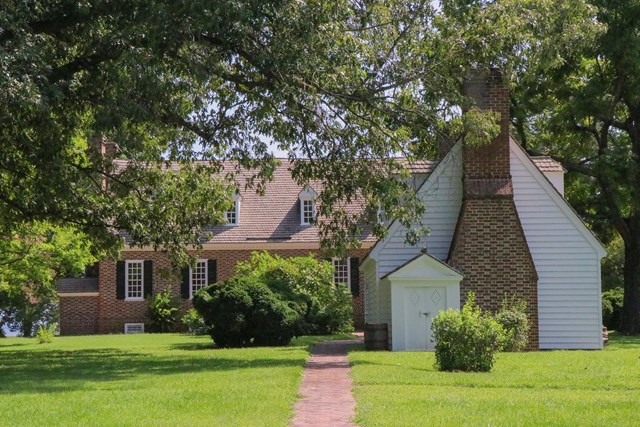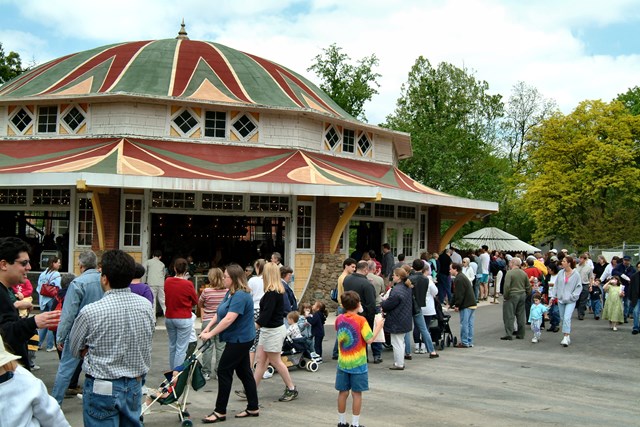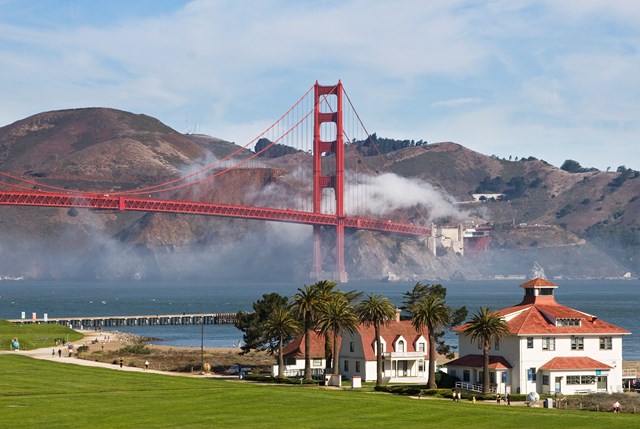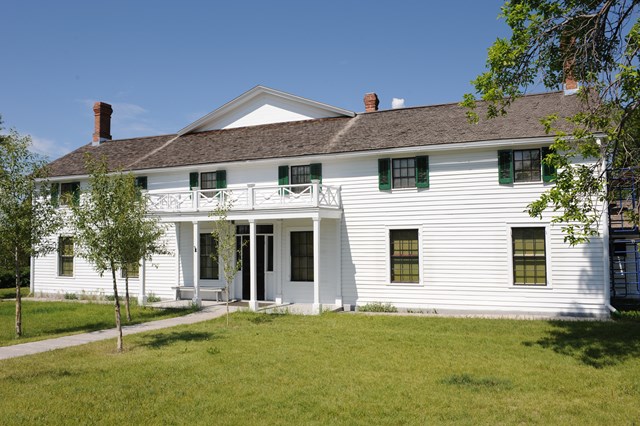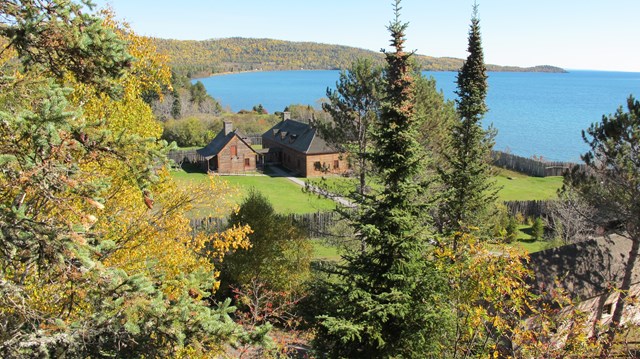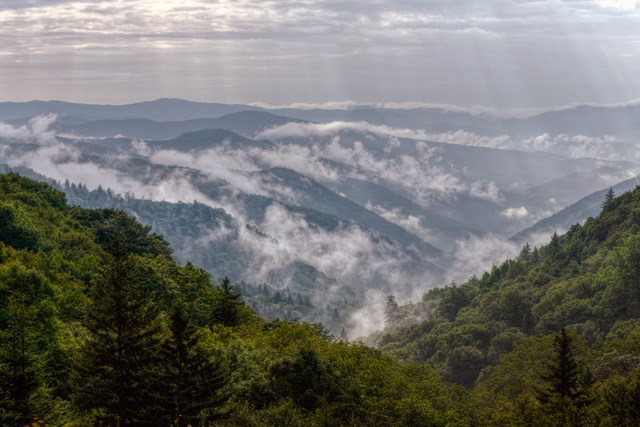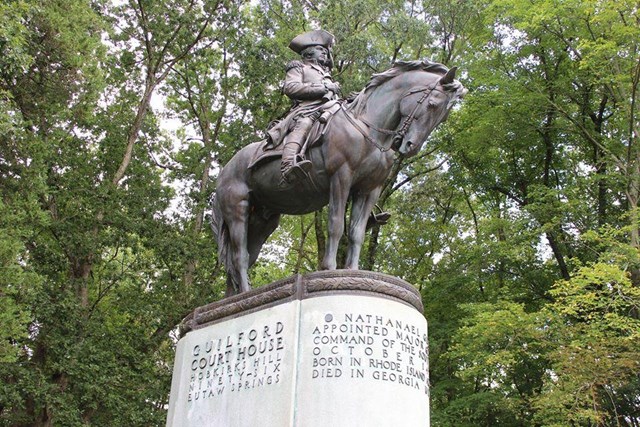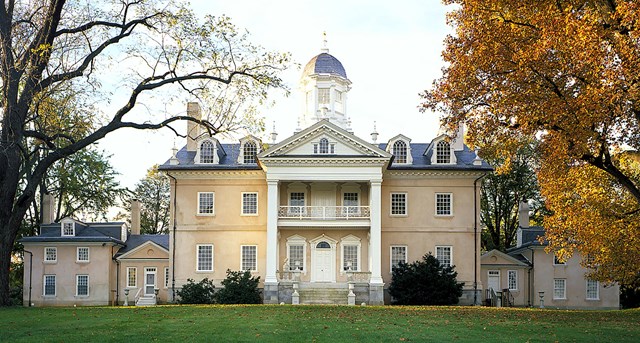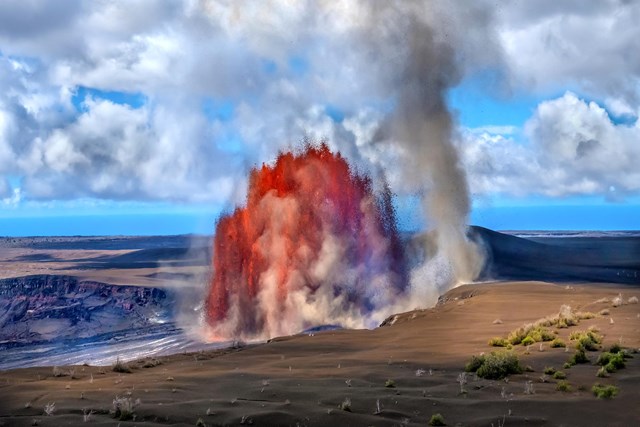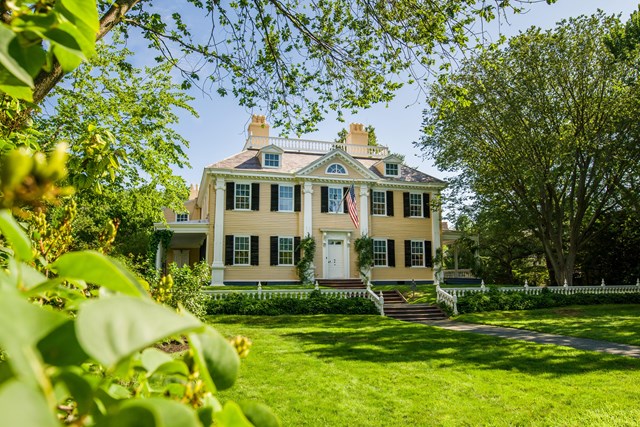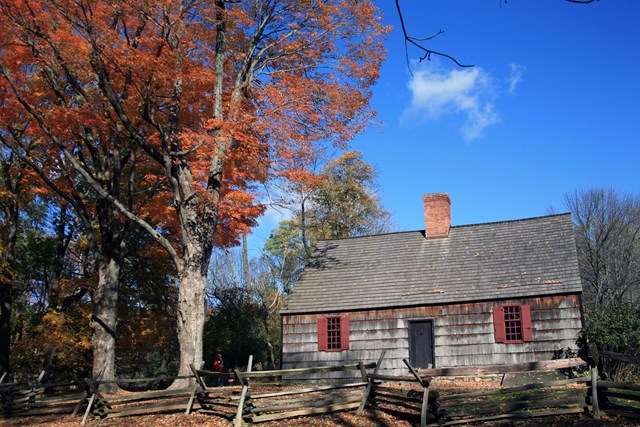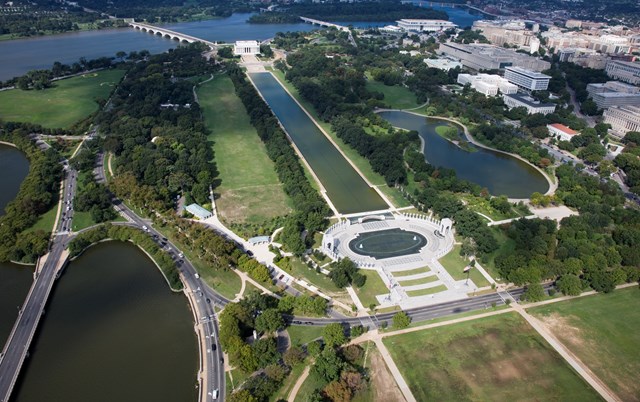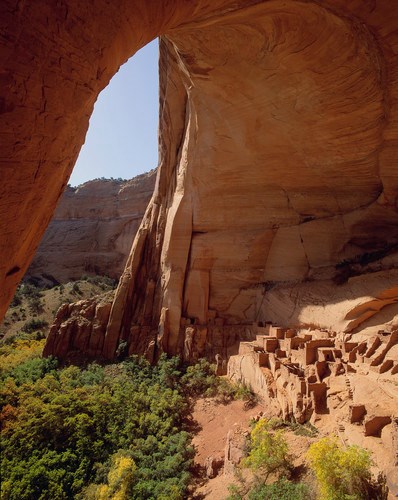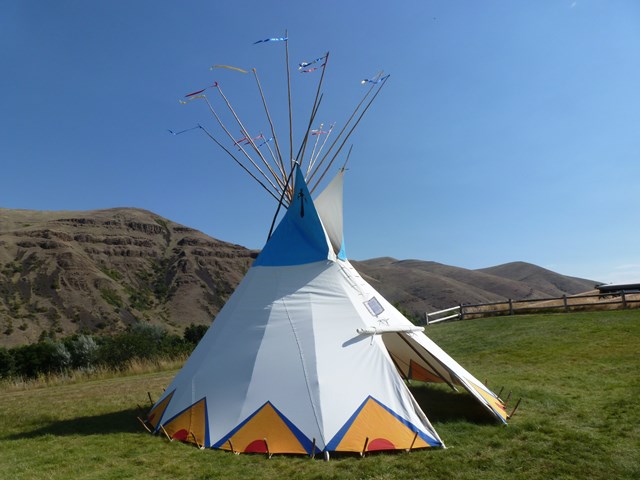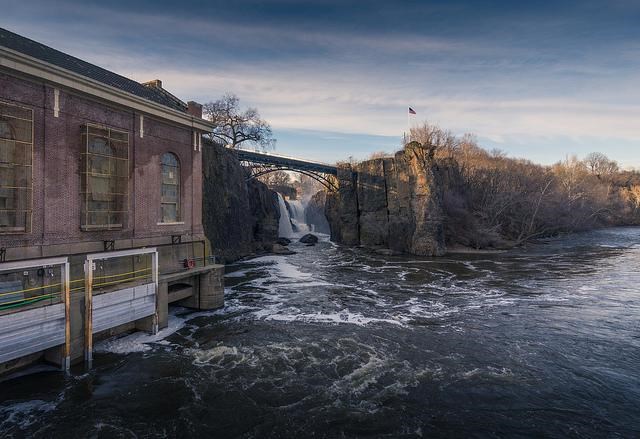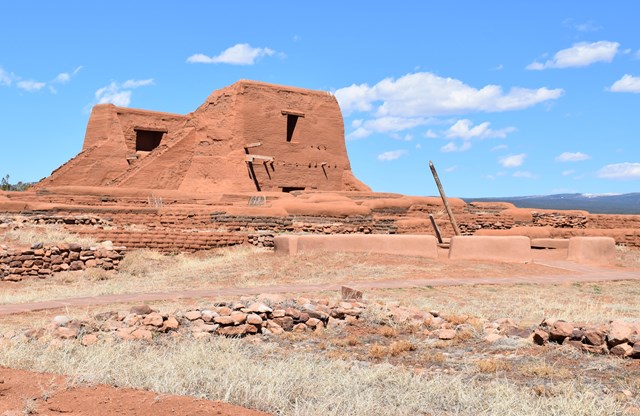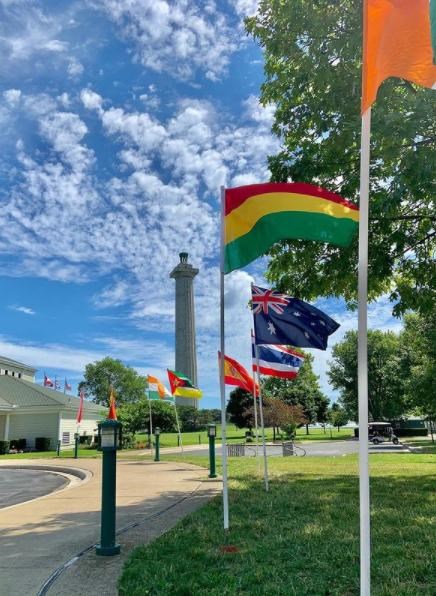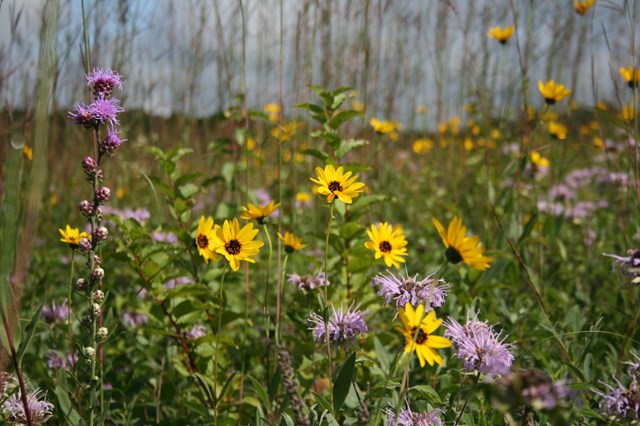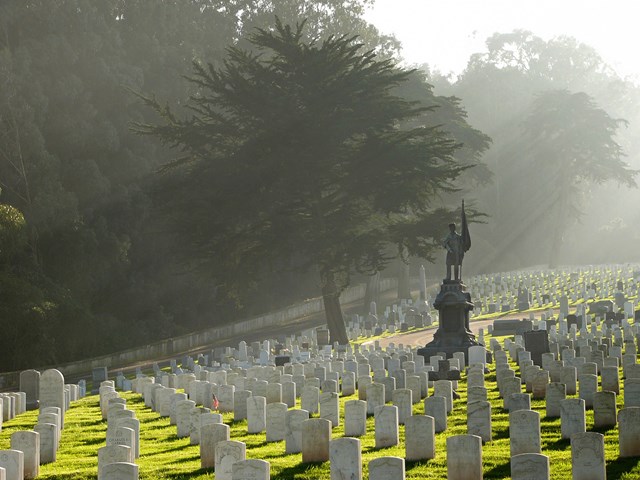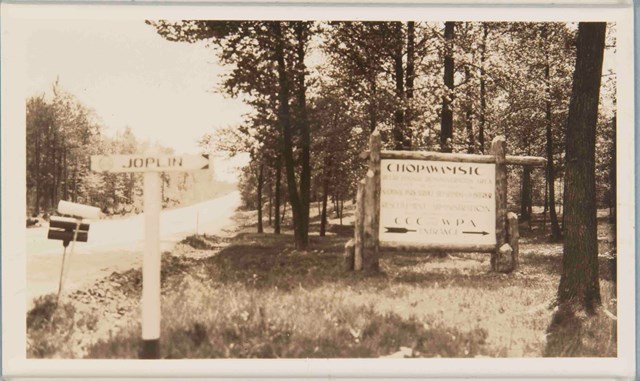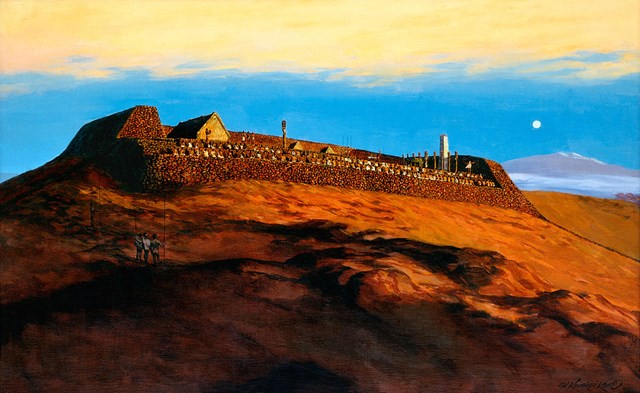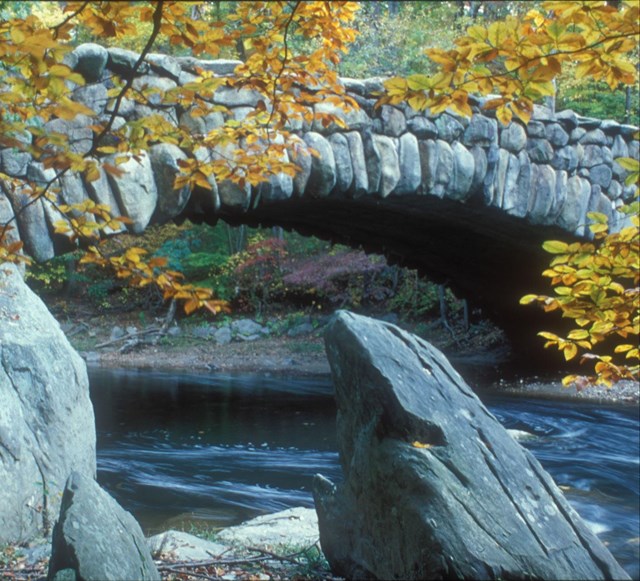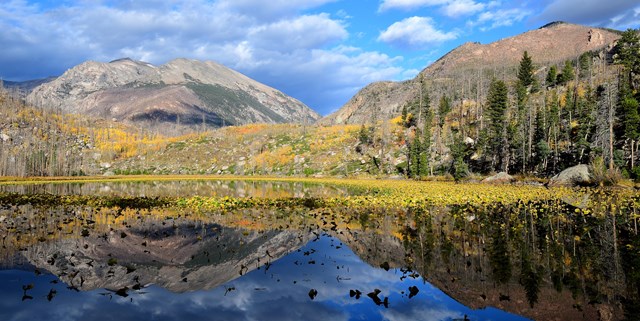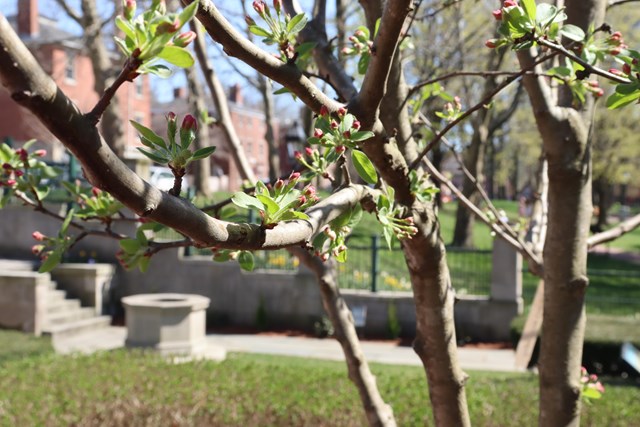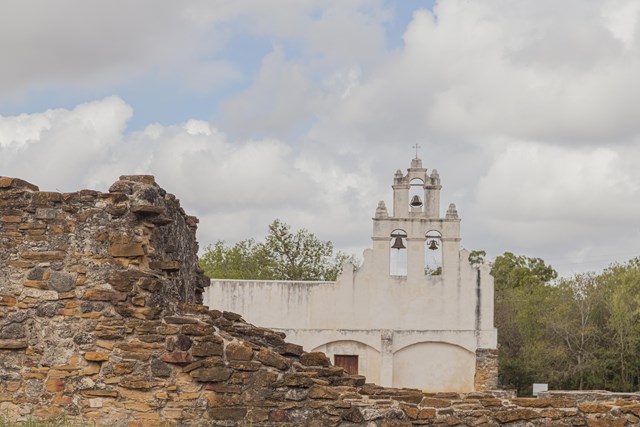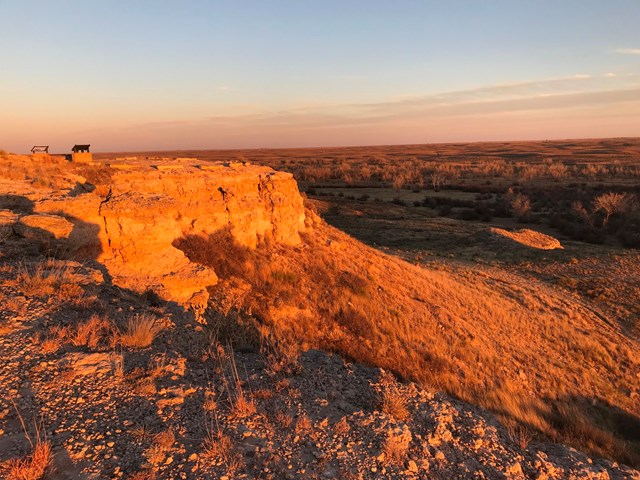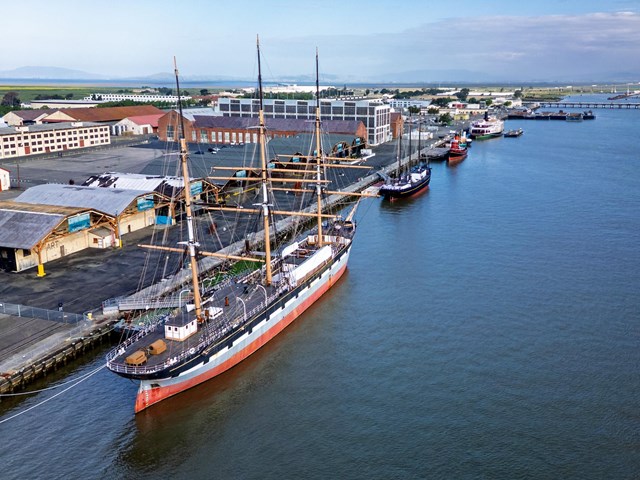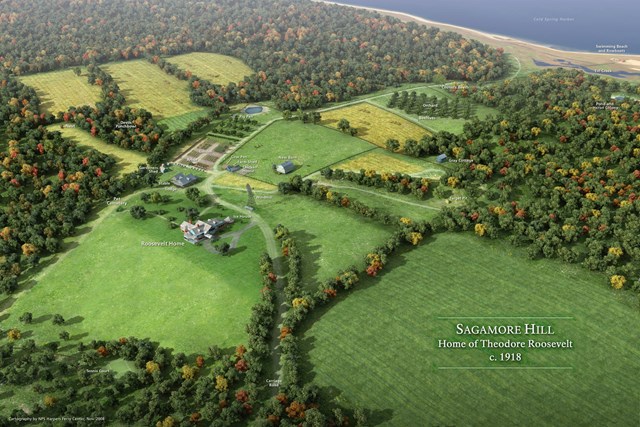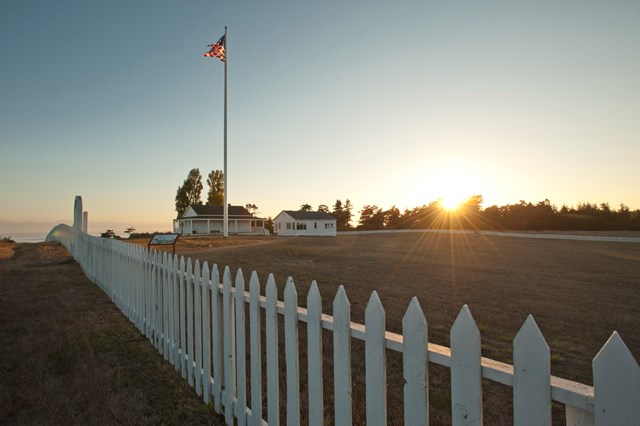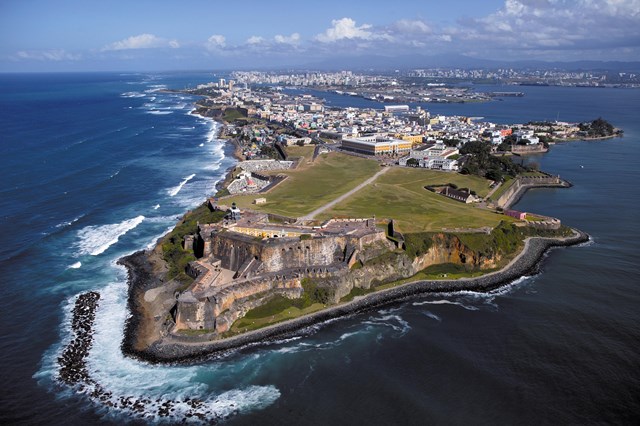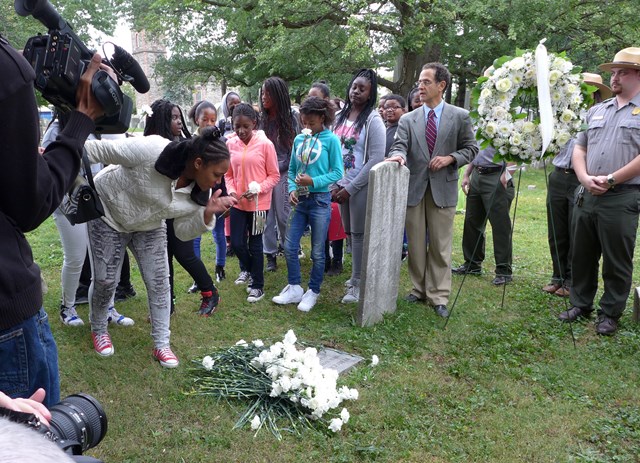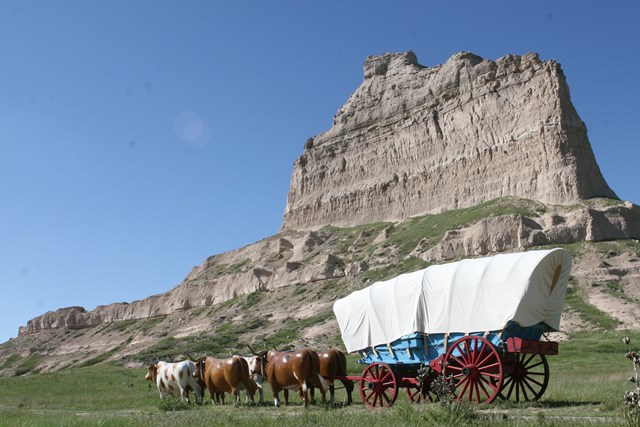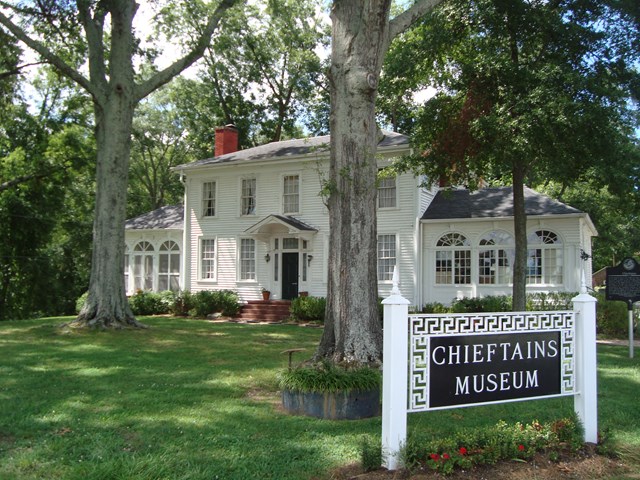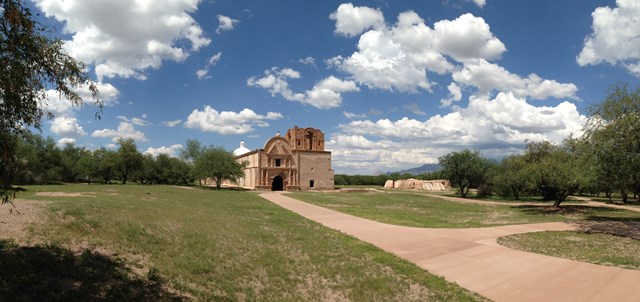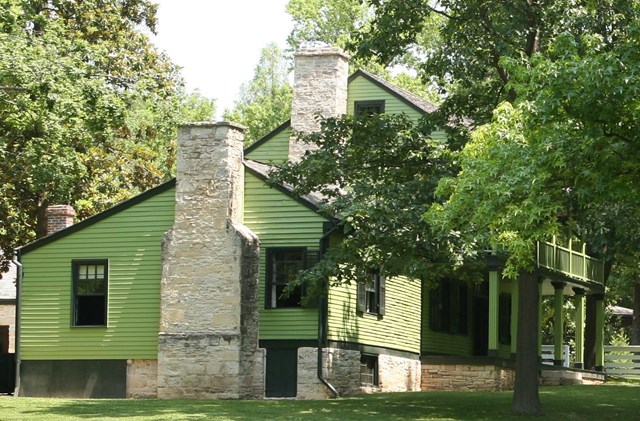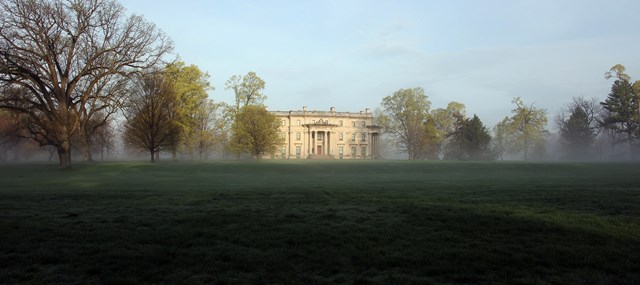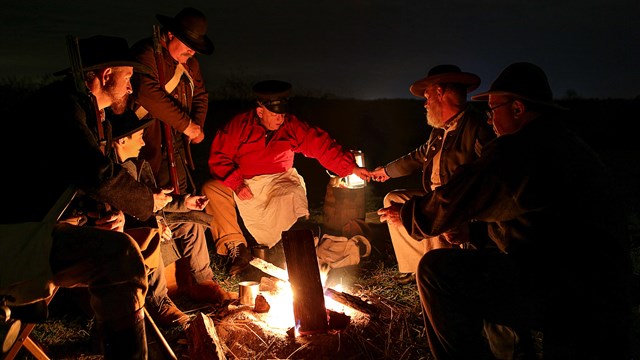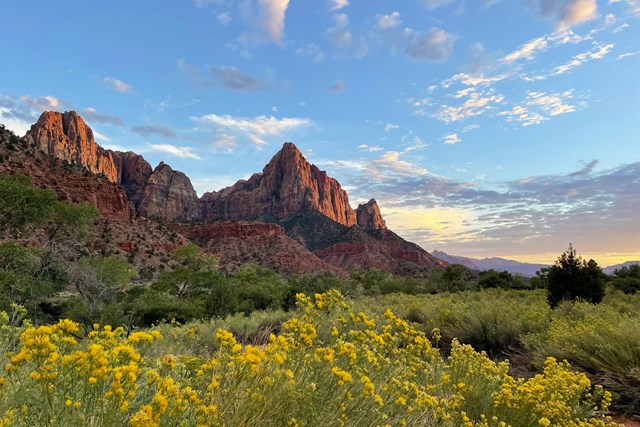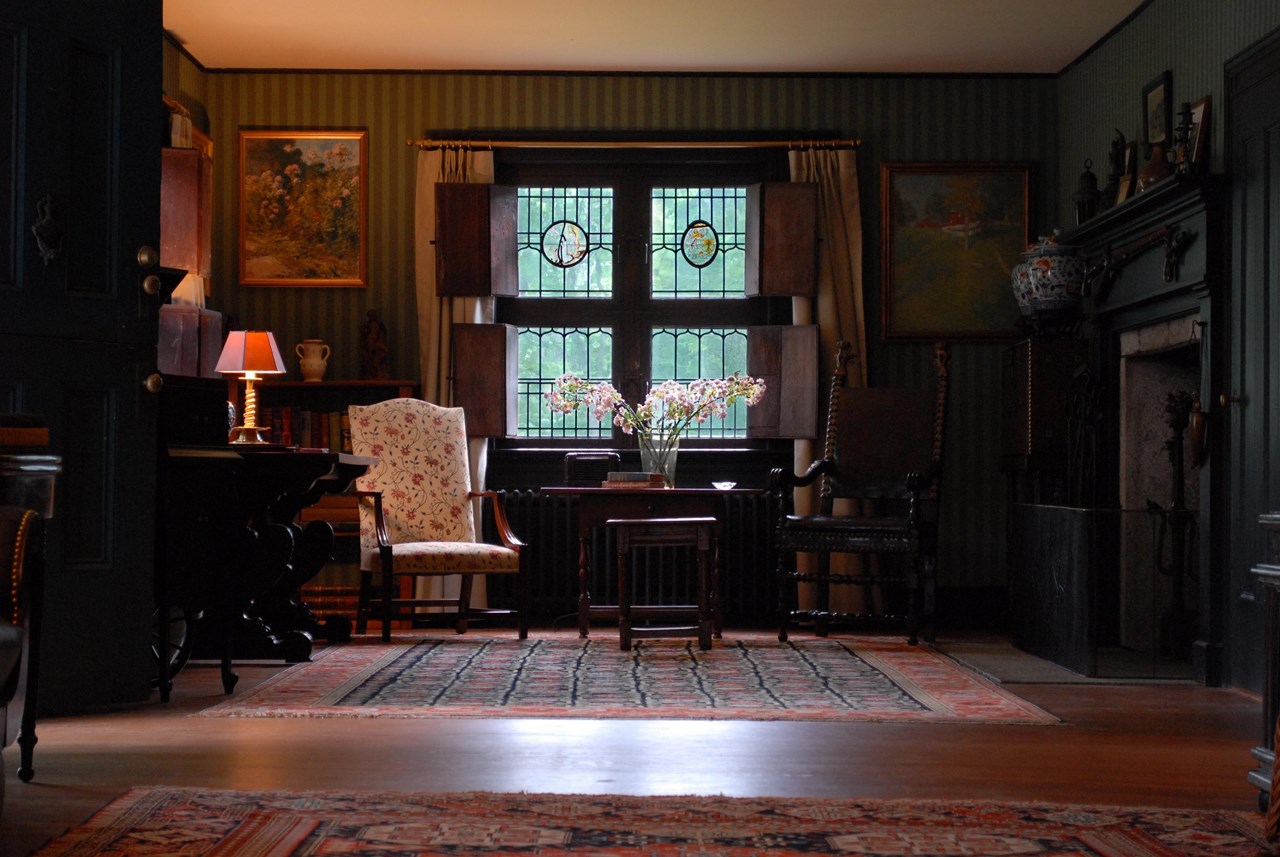
The Park Service keeps more than landscapes. It also keeps the studios where painters worked, the stage built for performances, a room full of operating textile looms and paths lined with carvings. In these places, the exhibit is not a small detour from the 'real' park. It is the reason the park exists.
The Park Service lists 157 units with arts and culture, a broad label that covers everything from artist homes to living traditions. A museum case alone would make a poor ranking. These ten offer a distinctive place and a reason to plan the day around what happens there. Several rely on a tour, performance or staffed building, so the calendar matters as much as the address. Begin with the painter's landscape, then follow the work into galleries, theaters, streets and mills.
The ten best national parks for arts and culture
01Weir Farm
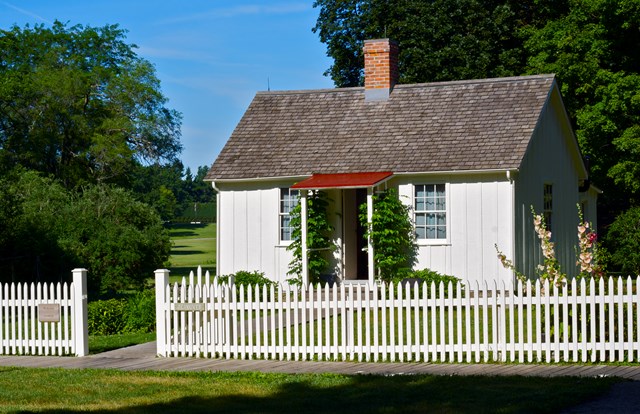
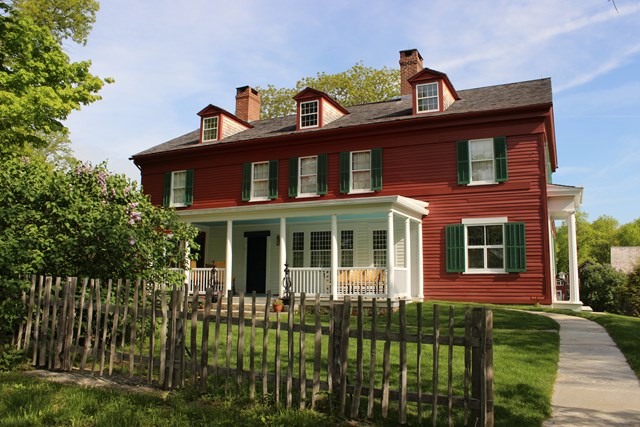
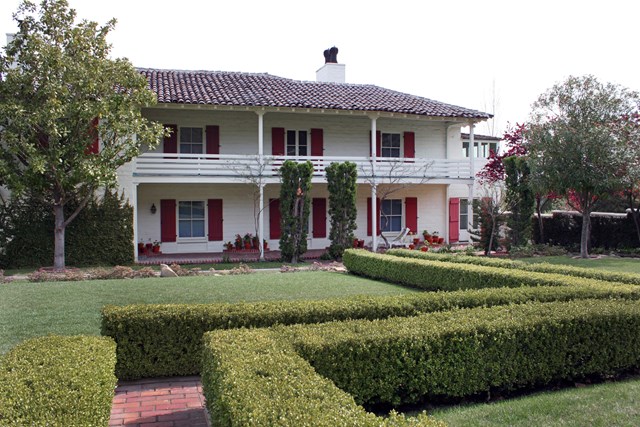
Weir Farm fees, hours and alertsThe grounds are part of the art. Julian Alden Weir acquired the Connecticut farm in 1882, painted its fields and woods for decades, and left an artist's home that later generations continued to use. The park preserves the house and studios as well as the landscape, and its artist-in-residence program means art is still made here. Bring your own eyes to the pond and paths before entering the buildings. The grounds are open year-round, but house and studio tours run seasonally, first come, first served, with limited capacity. On a day the interiors are shut, self-guided materials let the landscape carry the visit. The farm is not merely where Weir slept. It was what he looked at.
02Saint-Gaudens
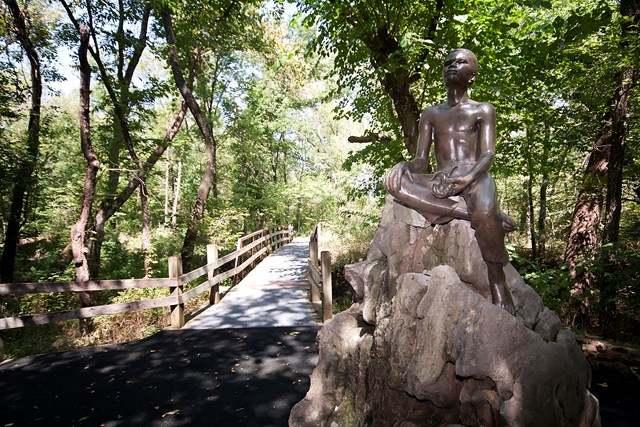
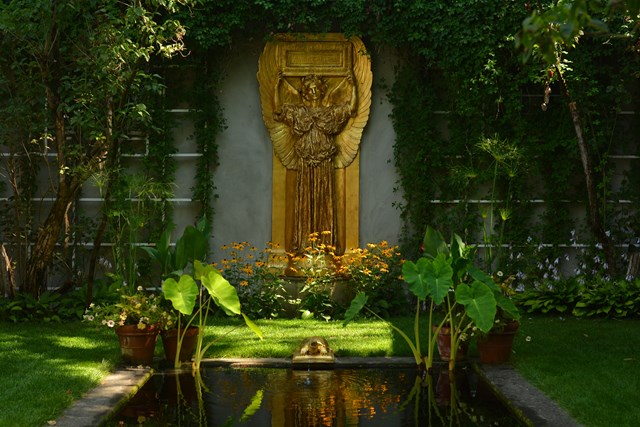
Saint-Gaudens fees, hours and alertsAt this Cornish, New Hampshire home, sculpture is installed in the setting Augustus Saint-Gaudens knew. You can move between the preserved studio, grounds and his work rather than seeing a bronze isolated behind a museum label. The park offers ranger art activities, and its Art in the Park materials describe supplies and prompts for visitors; structured workshops and events have their own calendar and capacity. Take the garden first and look at the sculpture from more than one angle. Then check whether an art activity is running when you visit. It is a rare park where a child can try making something after seeing what a lifetime of practice produced.
03Thomas Cole
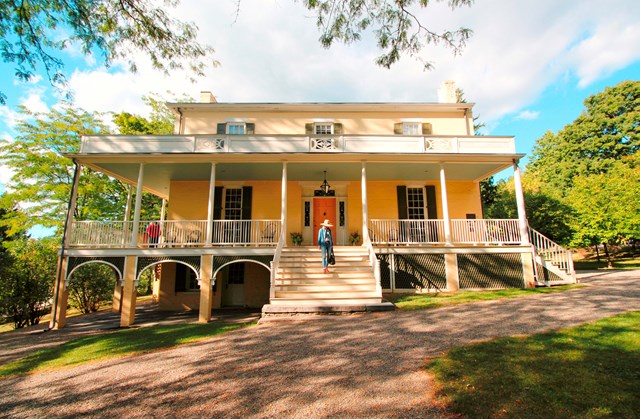
Thomas Cole fees, hours and alertsThe Hudson River School has an address in Catskill, New York. Thomas Cole's paintings helped launch the American landscape movement, and his home and studio put that history back within sight of the scenery that fed it. You are visiting a workplace, not a generic gallery of mountain pictures. The NPS points visitors to the site's operating partner for current hours, which makes checking thomascole.org before driving more important than trusting a search result's opening-hours card. Leave time for the grounds as well as the indoor story. The link between a painted valley and the real one is the point of the visit.
04Wolf Trap
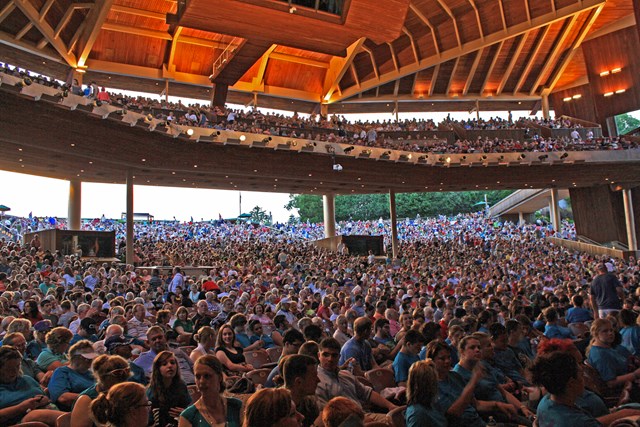
Wolf Trap fees, hours and alertsWolf Trap is the only national park dedicated to presenting the performing arts, according to the park's own description. Established in 1966, it opened the Filene Center in 1971, giving the stage a history as well as a summer schedule. The Filene Center and Theatre-in-the-Woods present programs in the warmer months, generally May through September. Choose the show first, then arrange the evening around it; the park grounds without a performance are a different outing. Confirm the current bill and ticket details with the operating partner before making the drive. A picnic on the lawn is a pleasure, but the reason for this park is what happens on stage.
05New Orleans Jazz
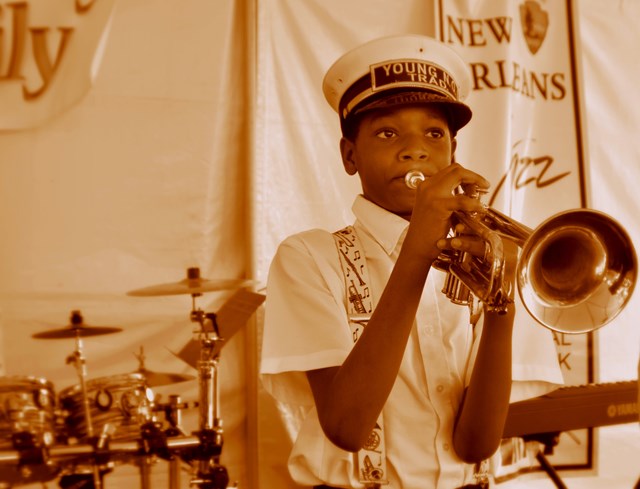
New Orleans Jazz fees, hours and alertsA music park should make noise. New Orleans Jazz National Historical Park interprets the origins and early history of the music in the city that shaped it, with live performances and ranger programs that change with the calendar. In 1987 Congress called jazz a 'rare and valuable national American treasure'; the park was authorized in 1994. That sequence tells you why this is a national historical park, but it cannot tell you what is playing this afternoon. Read the park's live calendar for the time and venue and leave room to listen. Do not assume a daily concert at a fixed address. The resource here is music people still make.
06Eugene O'Neill
Eugene O'Neill fees, hours and alertsTao House in Danville was where Eugene O'Neill wrote *The Iceman Cometh*, *Long Day's Journey Into Night* and *A Moon for the Misbegotten*. Seeing the house makes the playwright's work a place rather than a book spine. This visit requires planning: the NPS says advance reservations are always required and access is only on its complimentary shuttle from the Museum of the San Ramon Valley. There is no entrance fee, but there is no casual drive-up tour either. Book the actual visit before you set out and confirm the departure point. The hilltop isolation was useful to O'Neill; for a visitor, the gate and shuttle are practical facts.
07Sitka
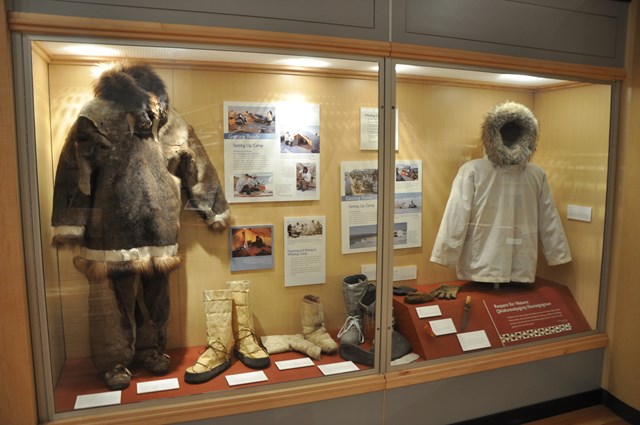
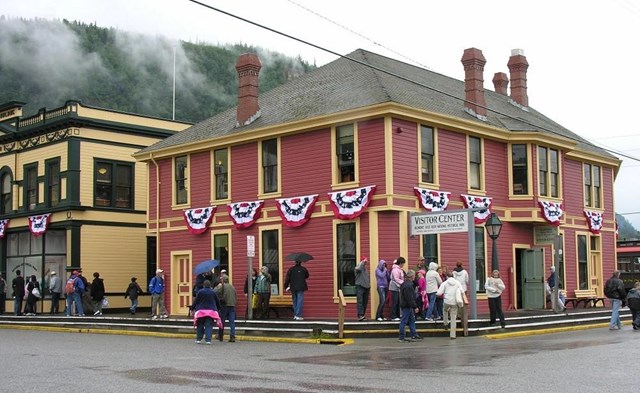
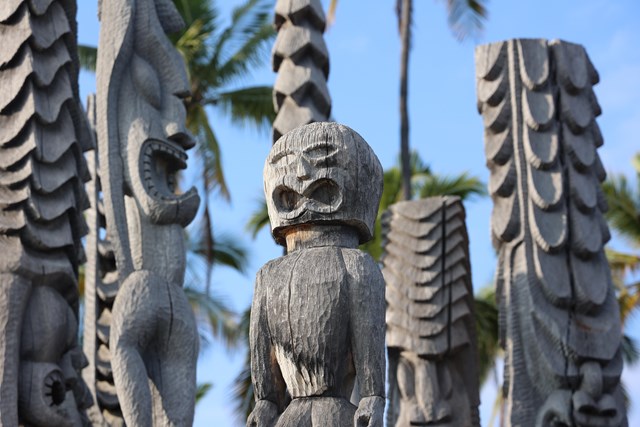
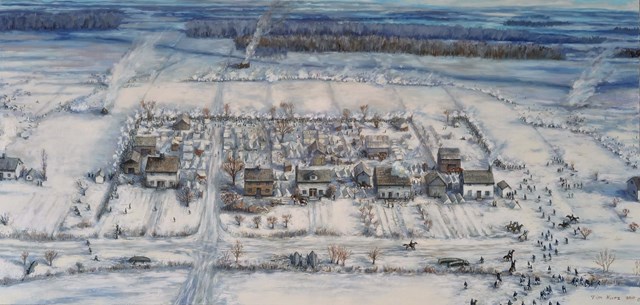
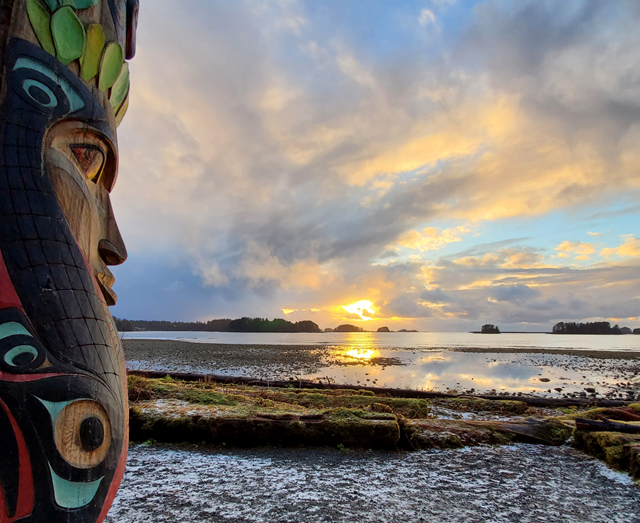
Sitka fees, hours and alertsSitka's Totem Trail is an open-air encounter with Northwest Coast carving, alongside the history of the Kiks.ádi Tlingit and the 1804 battle. The visitor center has exhibits on Tlingít life; the park also preserves the Russian Bishop's House and interprets Russian America. Do not flatten those distinct stories into a single 'old Alaska' stop. Walk the trail, read whose work and land you are seeing, then make time for the house if its tour is operating. The park says Russian Bishop's House tours are offered May through September with hours depending on staffing. The forest path is not a substitute for the people whose cultural history it holds.
08Jean Lafitte
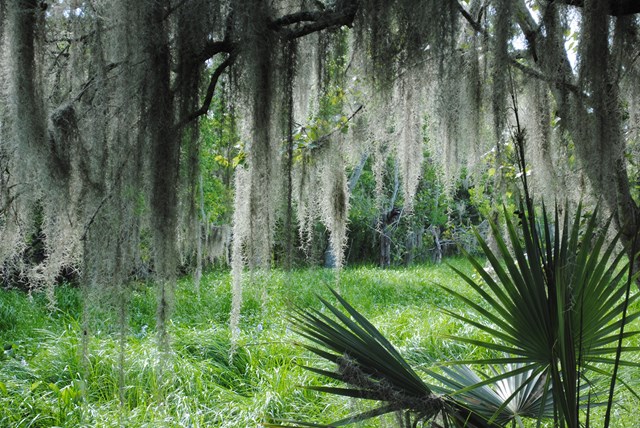
Jean Lafitte fees, hours and alertsJean Lafitte National Historical Park and Preserve is six Louisiana sites, not one building in New Orleans. For living Acadian traditions, the Prairie Acadian Cultural Center in Eunice is the useful anchor: the park describes music, dancing, food and craft demonstrations there. Do not automatically route a family to the Acadian Cultural Center in Lafayette; its current NPS page marks it temporarily closed because of air-conditioning problems and directs visitors to Eunice. Check the current calendar for what is actually being demonstrated. The best version of this visit is a conversation or performance, not a locked cultural-center door.
09Lowell
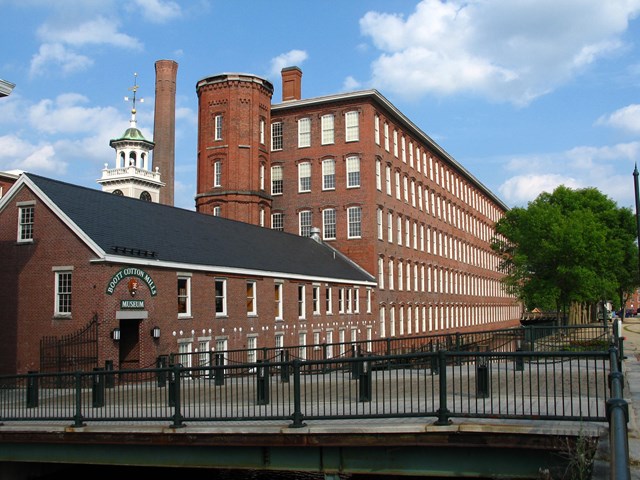
Lowell fees, hours and alertsLowell is the industrial entry in an arts list. Inside the Boott Cotton Mills Museum, a reconstructed weave room holds more than eighty historic power looms from the 1920s that still weave cotton cloth. The machinery gives textiles a sound and scale that a finished fabric cannot convey. Rangers and weavers interpret the demonstration; the NPS posts current times on the museum page, so pick a time when the machines will run rather than assuming a continuous show. Lowell also makes room for the workers' and immigrants' stories around the mills. Textile art and labor history are woven together here, quite literally, without needing a costume drama.
10Carl Sandburg Home
Carl Sandburg Home fees, hours and alertsCarl Sandburg's North Carolina home preserves a writer's working landscape, but visit planning here has changed since Hurricane Helene. The park's current guidance says house tours are limited, free and first come, first served as staffing allows; call about same-day availability rather than assuming an advance reservation. Its virtual writing workshops have also been discontinued, despite older descriptions of writer programming. Go for the house and grounds when access is confirmed, then check the calendar for any live program. A literary site deserves the actual author's work and a current plan, not an event that stopped running.
When to go: plan around the work
Spring. Artist homes begin opening interiors after winter. Weir Farm's grounds are available year-round, but the 2026 buildings and tours have an in-season schedule beginning in May. A garden without a studio tour can still be worth walking; know which visit you are planning.
Summer. Wolf Trap's performing season and many parks' guided programs make this the easiest season to pair a place with an event. Book the actual performance. At Saint-Gaudens, check which workshops or ranger art activities are offered and whether a place must be reserved.
Fall. Weir Farm's 2026 tour season extends through October, while the grounds remain open beyond it. Sitka's Russian Bishop's House tours are described as May through September, staffing permitting. These are not interchangeable dates. Use the park calendar for the particular building.
Winter. City museums and grounds may remain available when stage or studio programs pause. New Orleans Jazz posts a changing events calendar rather than a fixed daily concert promise. Lowell's museum has its own hours and demonstration schedule. Choose a specific program, then check weather, holidays and building closures before departure.
How to build the visit
- 1
Choose the art form first. A painter's studio, a sculpture garden and a jazz performance ask different things of a day. Check the park's program page for the visit you want.
- 2
Separate grounds from buildings. A park can be open while its studio, house or museum is not. Weir Farm makes that difference explicit; so does every tour-only site.
- 3
Reserve the non-negotiable stop. Eugene O'Neill requires advance booking and its own shuttle. Wolf Trap needs a performance ticket when the show is your goal. Do not mistake free park admission for walk-in access.
- 4
Check the venue, not only the date. Jazz programs move with the calendar; Jean Lafitte has multiple sites, so check its Lafayette center status before traveling. A park name is not a meeting address.
- 5
Leave room for the work itself. Hear the Lowell looms, follow the Sitka trail, watch an artist or a musician when the schedule permits. The souvenir-shop visit can wait.
A short history of parks made for art
In 1882 Julian Alden Weir obtained the Connecticut farm where he would work for decades. The NPS history of Weir Farm describes his artist friends painting there and his family carrying the legacy forward. The present park protects a landscape that was both subject and studio. Art did not simply enter a park collection later; the land was part of the making.
The stage followed a different path. Catherine Filene Shouse donated land and funds in 1966 for what became Wolf Trap; its Filene Center opened in 1971. New Orleans Jazz came later still, after Congress's 1987 resolution praising jazz and the park's 1994 authorization. One park presents performing arts by design, while the other interprets a music tradition and the city that produced it. Both make a program, not a permanent object, central to the visit.
That is why current calendars matter so much on this page. A painting remains on a wall when a tour is canceled, but a concert cannot be visited yesterday. The Park Service can preserve a studio, a stage and the history of a song; the visitor still has to arrive while someone is making it heard.
All 157 parks with arts and culture
Below are Park Service units that list arts and culture. Use it to find nearby galleries, performances and cultural sites, then check the park's own calendar and building hours for the visit you want.
Free to enter Charges an entrance feePoints are the Park Service reference point for each unit, not a boundary.