A campsite you can drive to is not the same as permission to sleep anywhere you can park. Front-country campgrounds have named sites, vehicle limits, arrival rules and, sometimes, a reservation window measured in minutes. The Park Service lists 83 units with car or front-country camping. The general camping directory covers more kinds of nights, but this page is for the traveler who wants a legal place to park near a tent or sleep in a vehicle at a designated site.
There is no one booking playbook. Yosemite has several release windows; Joshua Tree has both reservations and real first-come loops; Acadia saves a slice of sites for a second online release; Arches switches systems by season; and Death Valley inverts the usual summer rush. Compare the actual campground, site and date before building the road trip around a park name.
Five campground plans
01Yosemite: match the release window to the campground
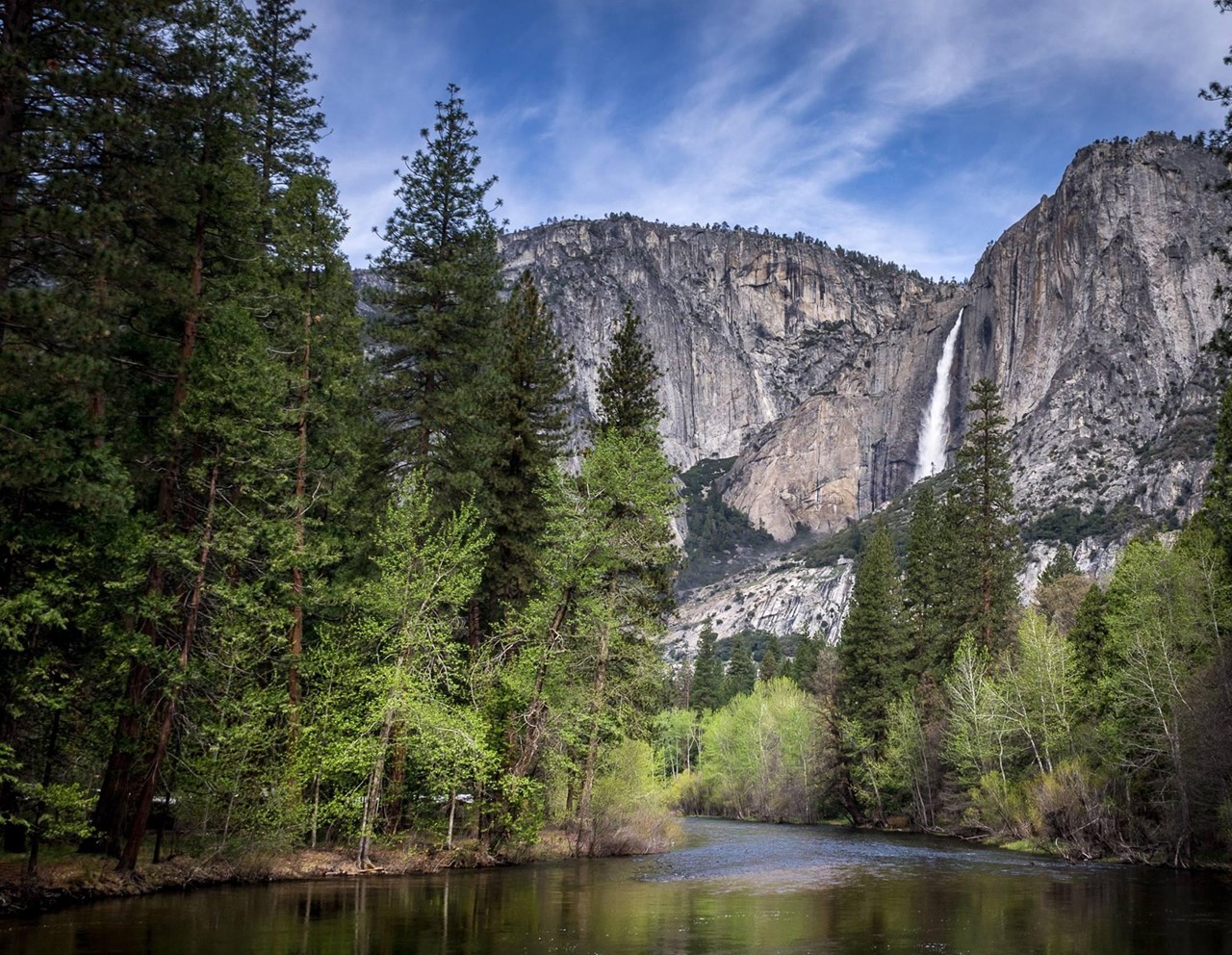
Yosemite fees, hours and alertsYosemite National Park has 13 campgrounds in its NPS reservation guide. All use reservations during the April-through-October season; winter brings first-come options at Camp 4, Wawona and Hodgdon Meadow, though holidays and weekends can still fill. Non-lottery reservation releases begin at 7 a.m. Pacific and popular dates can disappear in minutes. Do not assume one familiar rule covers the whole park.
Most listed campgrounds release sites five months ahead on the 15th of the month. Other sites have shorter windows: some Tuolumne Meadows availability releases two months ahead, a portion of inventory two weeks ahead and Camp 4 on a one-week rolling window in its reservation season. Opening dates and release mechanics can change, so read the current facility calendar, not an old screenshot. If you miss the first release, check documented later drops and cancellations rather than arriving without a plan.
The park explicitly says sleeping in a vehicle is not allowed unless you are in a campsite registered to you. A full campground does not turn a trailhead, turnout or lodge lot into overflow camping. Check vehicle length, tent capacity, entry route and bear-food storage for the specific site before confirming the booking. For a high-country site, seasonal road opening matters too; a reservation screen does not make a closed access road passable.
02Joshua Tree: reserve, or arrive for a genuine walk-up
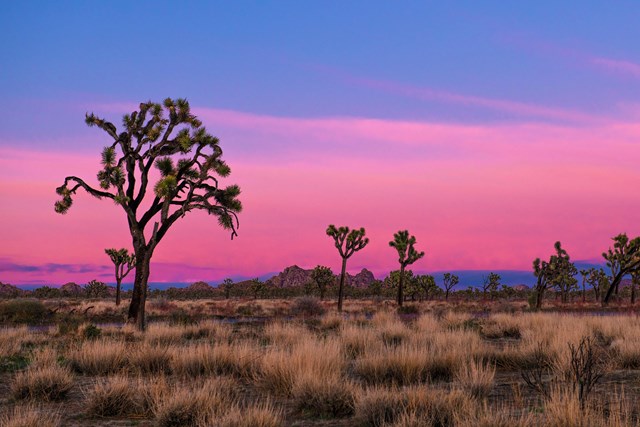
Joshua Tree fees, hours and alertsJoshua Tree National Park has roughly 500 sites; most can be reserved from six months ahead through the day of arrival on Recreation.gov. The NPS campground guide urges booking before entering because cell service is limited. For a busy spring weekend, a same-day reservation window is not evidence that sites are likely to remain. Indian Cove, Black Rock, Jumbo Rocks, Ryan and Cottonwood are among the reservation campgrounds.
Hidden Valley, Belle and White Tank are first-come, first-served. The park describes finding an empty site, occupying it and promptly registering and paying; the published rule says within one hour of setup when the entrance station is open. Weekend sites can fill by Friday afternoon. Belle and White Tank have summer closure patterns, while other campground capacity can be reduced in heat. Check current openings before deciding a first-come loop will save a late-night arrival.
Joshua Tree allows vehicle sleeping at a lawfully occupied designated campsite, not at roadsides, trailheads, parking areas or dirt roads. Each site has a stated vehicle count and maximum length. A trailer counts as an additional vehicle under the park's guidance, and there is no overflow parking in the park. Hidden Valley and White Tank limit combined vehicle length to 25 feet. Verify the exact site before towing an RV. The park also describes a summer campfire ban from June 15 to October 1; check current alerts before packing firewood.
03Acadia: two online chances, no campground-office booking
Acadia fees, hours and alertsAcadia National Park offers Blackwoods and Seawall on Mount Desert Island, Schoodic Woods on the quieter peninsula, and five lean-to shelters at Duck Harbor on Isle au Haut. The NPS campground page says all sites must be reserved in advance on Recreation.gov. You cannot buy an unreserved campsite at the campground office. Isle au Haut also entails separate boat logistics, so do not treat a lean-to booking as a simple drive-up site.
For Blackwoods, Seawall and Schoodic Woods, 90 percent of sites release six months ahead on the first of each month at 10 a.m. Eastern; the remaining 10 percent release 14 days before arrival on a rolling basis. That second release is a real planning option, not a promise of availability. Duck Harbor's season has a separate April 1 release. Check which facility you want, its vehicle and tent limits, the season and the booking time. A park-wide "Acadia camping" search can hide the difference between driving to Schoodic and taking a mail boat to Isle au Haut.
04Arches: one campground, seasonal rules
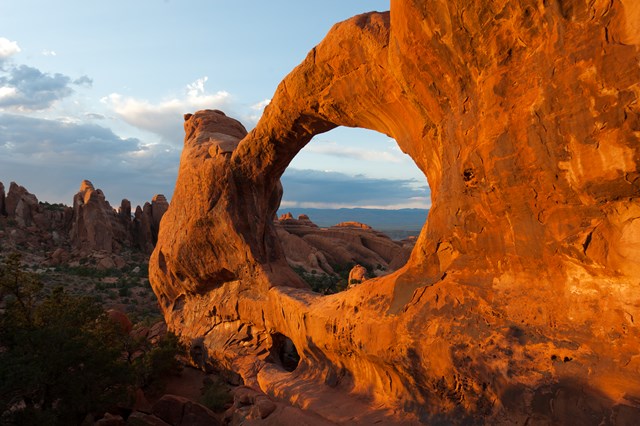
Arches fees, hours and alertsArches National Park has one in-park campground: Devils Garden. Its NPS camping page says standard sites can be booked up to six months in advance for nights from March 1 through October 31. The park warns that it is usually full every night in that season. Standard sites have a four-day latest advance booking deadline. Check the live Recreation.gov facility for any updated booking rules, site size and accessible-site details before buying.
From November through February, sites are first-come, first-served. NPS advises downloading the Recreation.gov app before arrival for winter Scan & Pay, because cell reception is unreliable. First-come does not mean free. Vehicles must fit on paved or graveled parts of the campsite and cannot extend into the road; overnighting in a park parking area is not an alternative to a full campground. If Devils Garden is sold out, reserve a lawful site around Moab before driving in, especially during spring and fall.
05Death Valley: the winter season is the sought-after one
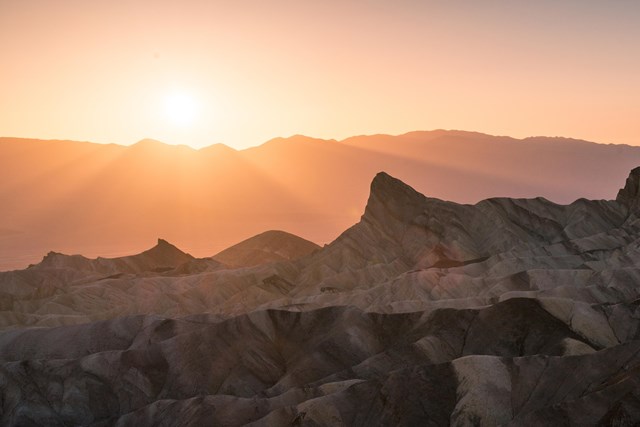
Death Valley fees, hours and alertsDeath Valley National Park turns the typical mountain-park calendar on its head. The NPS developed-campground guidance offers reservations at Furnace Creek for the October 15-to-April 15 camping season, from six months out to at least two days ahead. Other NPS campgrounds are first-come when open, though the park can hold sites for management needs. A first-come label does not guarantee an open loop or a suitable space after a long desert drive.
Furnace Creek has a small number of full-hookup sites and books heavily in its cooler season. The park says its electrical pedestals do not support EV charging and warns that plugging in an electric vehicle can damage the equipment. Match your RV's dimensions, hookup needs and heat tolerance to the named campground. Campground operating seasons and summer closures change; verify the specific site and water availability. The desert rewards an actual arrival plan more than an assumption that empty-looking land is available for camping.
06Grand Canyon: book the rim you will actually reach
Grand Canyon fees, hours and alertsGrand Canyon National Park offers several developed campgrounds, but a South Rim reservation is not a North Rim campsite. Mather Campground places tent and RV campers near the South Rim village, while Desert View is farther east along the rim road. The park’s camping guide distinguishes campground operators, seasons and reservations. Choose your rim first, then the named campground, before comparing available nights.
A campsite is especially valuable here if you plan a sunrise walk before the day-visitor traffic. Check the campground’s vehicle limits, available hookups and current access before reserving. If the rim you wanted is unavailable, a site on the opposite rim is not a quick substitute: the drive changes the trip.
07Yellowstone: choose a base for the part of the park you want
Yellowstone fees, hours and alertsYellowstone National Park spreads its developed campgrounds around an enormous road network. Madison sits near the west side’s geyser country; Bridge Bay is near Yellowstone Lake. The park’s campground directory distinguishes sites booked through Yellowstone National Park Lodges from those with other reservation routes, so do not assume a single search shows every available campsite.
The useful choice is geographical as much as logistical. Pick the campground that shortens your dawn drive, then verify the season, generator policy, food storage and RV fit. Wildlife may move through a campground; store food properly even if you are only staying one night, and never treat an open patch beside the road as overflow camping.
08Olympic: rain forest or coast, not both at once
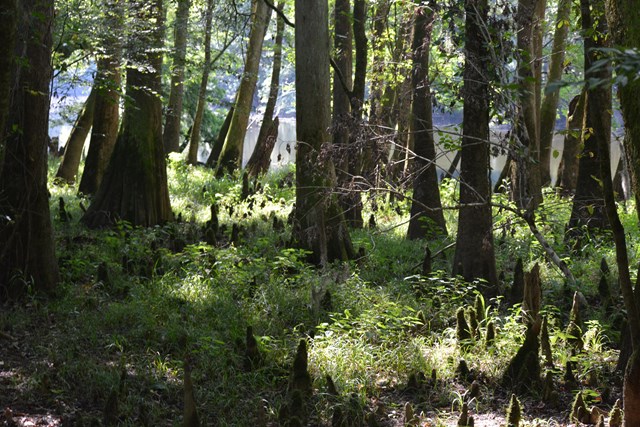
Olympic fees, hours and alertsOlympic National Park has front-country camping across very different landscapes. Kalaloch is a coastal base; the Hoh Rain Forest Campground puts you near mossy forest trails. The park’s camping guide shows that reservation periods can differ by campground and season, and some sites switch to first-come use outside their reservation period.
Choose the experience you want for the morning, not just an available dot on the map. Rain, coastal wind and temporary road conditions change the feel of a night here. Check the exact campground’s current operating and reservation status, and bring a plan for drying gear rather than assuming a summer date means dry weather.





Before you click Reserve
- 1
Check the exact site's vehicle count and length, tent-pad size, maximum people, generator and pet rules, water and toilet status, and the cancellation terms. A vehicle towing a trailer may count as two vehicles. A site that appears big on a campground map may have a short parking spur. Read both the park's current rules and the facility listing, especially if you intend to sleep in the vehicle rather than pitch a tent.
- 1
Note the release date in the campground's local time zone and confirm whether your trip also needs a park entrance pass or separate access reservation. Check current alerts again before the drive: fire bans, road closures, snow, flooding and heat can change a campsite's usefulness. If your first choice is full, look for a documented second drop or an established campground outside the park. Do not make an overnight lot stop into a campsite by default.
- 1
The general camping directory includes other styles. Backcountry camping has separate permit, route and food-storage questions; even a remote primitive roadside site can be classified as backcountry in some parks. Choose the category that matches how and where you will actually sleep.
When to plan a campground trip
Spring: Desert nights can be comfortable while mountain roads and campgrounds are still emerging from winter. Death Valley’s most popular camping season centers on the cooler months, while Arches and Joshua Tree draw travelers before extreme summer heat. Book the site you want, not merely the park: shade, water and an appropriate vehicle spur can change the whole night.
Summer: High-elevation campgrounds become appealing, but access roads and facilities open on their own schedules. Yosemite’s Valley sites and Acadia’s coastal campgrounds need early planning; consider a later inventory release only if you can tolerate the possibility of missing it. Check fire restrictions and heat exposure even when a site is reservable.
Fall and winter: A quiet campground can be a good alternative to a peak-season stay, but shorter days, freezing water systems and weather closures call for a different packing list. Arches switches toward first-come camping in its colder season; Death Valley’s cooler months draw more campers. Confirm the operating status of your exact campground before driving out.
The reservation calendar is not a weather forecast. Keep a lawful backup outside the park, especially if you plan to arrive after dark.
All 83 parks with car or front-country camping
Below is every Park Service unit that lists car or front-country camping. Click through for fees, hours and alerts, then confirm the named campground’s current booking release, facilities and access before travel.
Free to enter Charges an entrance feePoints are the Park Service reference point for each unit, not a boundary.