Music can give a park a sense of place that a trail sign cannot. A string band on the Blue Ridge Parkway, a Cajun band in a Louisiana prairie town, a chantey chorus on a San Francisco pier and a full evening under the pines at Wolf Trap all count as live music, and the Park Service lists 38 units where you can find it. What separates a great music park from a disappointing one is rarely the talent. It is whether the music belongs to the place, and whether you showed up on the right night.
So start with the kind of listening you want: a casual traditional-music stop folded into a scenic drive, a planned ticketed show, or music doing its oldest park job, interpreting history. The ten below cover all three. Before any of them, find the exact performer, venue and date, because a park that hosts music and a park hosting music tonight are different things.
The ten best parks for live music
01New Orleans Jazz: the only park that exists for a kind of music
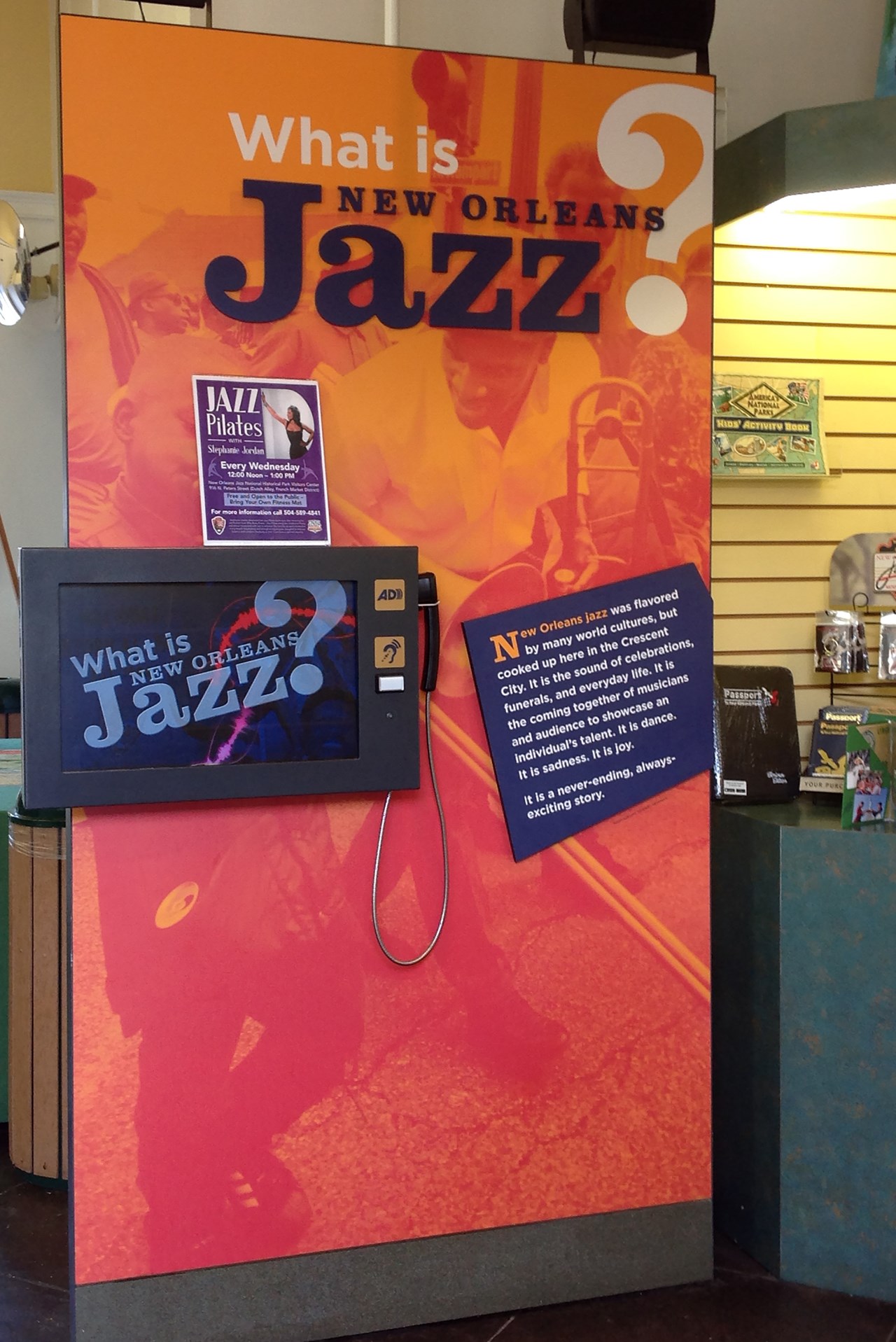
New Orleans Jazz fees, hours and alertsNew Orleans Jazz is a national historical park dedicated to a single art form, and it acts like one. Its visitor center at 419 Decatur Street, in the heart of the French Quarter, hosts regular live performances and ranger talks, most of them free, in a small room a short walk from where the music was invented. Check the park's calendar the week of your visit; on a good day you can hear a working New Orleans musician play for the price of walking in.
This is the highest concentration of music-per-effort anywhere in the system. Pair it with a self-guided walk through the Quarter and you have a full afternoon that explains itself. Come expecting intimacy, not a concert hall: the room is small, the musicians are close and that is the point.
02Wolf Trap: a national park built for performance
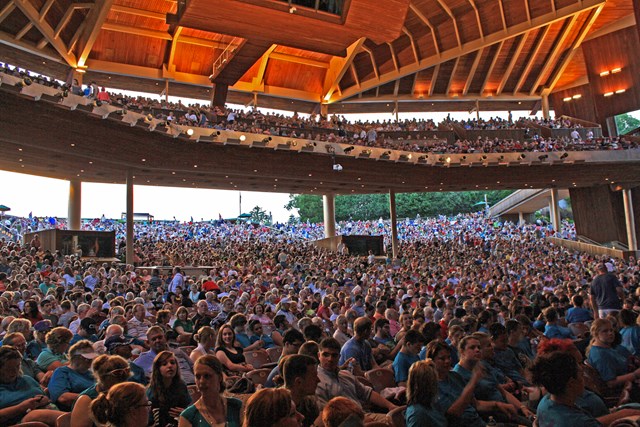
Wolf Trap fees, hours and alertsWolf Trap in northern Virginia is the opposite of a park that sometimes books musicians. It is the only national park dedicated to the performing arts, and the Filene Center is a roughly 7,000-seat venue set in the woods, with shows generally from mid-May to mid-September, per the NPS venue guide. The lawn is the classic move: arrive early, picnic, watch the sky go dark behind the stage. The park also runs Children's Theatre-in-the-Woods in summer and keeps trails open year-round.
Buy tickets through the Wolf Trap Foundation, and know that America the Beautiful passes do not cover performance tickets, per the NPS fees page. Gate times, bag rules and parking all run through the specific show, so read your event page before you go. When the show is the main event and the park is the setting, this is the best night out on this list.
03Blue Ridge Parkway: the sound belongs to the road
Blue Ridge Parkway fees, hours and alertsAt Milepost 213, the Blue Ridge Music Center connects old-time and bluegrass music to the mountains that produced it. During its operating season, musicians play daily in the breezeway while weekend concerts fill a roughly 3,000-seat outdoor amphitheater, and the Roots of American Music exhibits give the tradition its due between sets.
Blue Ridge Parkway is a drive park, and the Music Center works the same way: you fold it into the road rather than planning around it. Check the center's current calendar and hours before building a detour around a particular performer, since amphitheater shows carry their own tickets and weather plans. The breezeway set you stumble onto between overlooks, though, might be the best free half hour on the Parkway.
04Lowell: a mill yard that became a summer stage
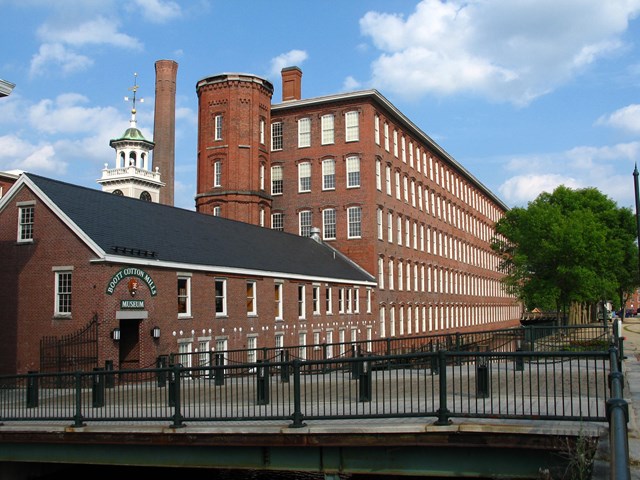
Lowell fees, hours and alertsLowell tells the story of American industry, and on summer nights its Boarding House Park, tucked between the historic mill buildings of downtown, turns into one of New England's best outdoor venues. The Lowell Summer Music Series has brought national acts to that lawn for more than 35 years, a nonprofit operation running since 1990 with free kids' shows alongside the ticketed headliners and a banjo and fiddle contest every September, per the series site.
Bring a chair or a blanket, buy food and drink there, and spend the afternoon in the mill museums first. It is the rare evening where the history park and the concert venue are literally the same piece of ground. Tickets, premium seating and the night's rules live with the series, not the park, so book through the organizer.
05Jean Lafitte: Saturday afternoon with a Cajun band
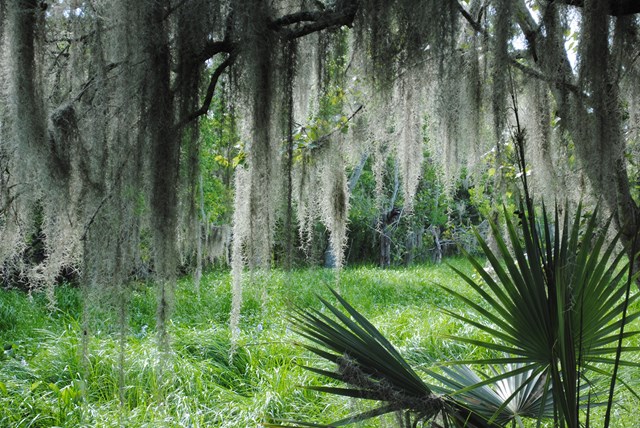
Jean Lafitte fees, hours and alertsThe Prairie Acadian Cultural Center in Eunice, a unit of Jean Lafitte an hour northwest of Lafayette, hosts a free Saturday music program most of the year: a local band playing Cajun, zydeco or swamp pop for an hour in a room built to feel like a front porch. The current listing runs Saturdays at 3:00 PM, and the park posts each week's band on its social channels or by phone at (337) 457-8499.
This is the most honest music experience on the list: no tickets, no stagecraft, just the music the surrounding prairie actually plays. Build a Louisiana day around it, with the center's exhibits on Acadian history before the set and a plate of something local after.
06Cuyahoga Valley: pick your organizer, then your night
Cuyahoga Valley fees, hours and alertsCuyahoga Valley runs several distinct music operations at once, per its NPS music and arts page. The Conservancy hosts Rhythm on the River outdoor concerts in summer and winter programs at Happy Days Lodge. The Peninsula Foundation's Voices in the Valley books roots music into historic G.A.R. Hall. And Blossom Music Center, the Cleveland Orchestra's summer home, anchors the valley's south end with a full festival calendar.
Those are different organizers, capacities and calendars, and a Blossom symphony ticket is not a Conservancy lawn show. The valley rewards matching the venue to the rest of your visit: a hike and a hall concert on the Peninsula side, or a full evening at Blossom. Open the dated event page for the show you want and confirm price, parking and the weather plan there.
07San Francisco Maritime: sing the chanteys yourself
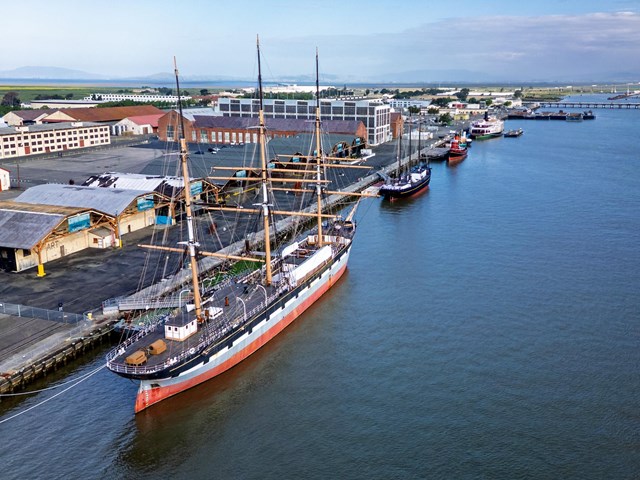
San Francisco Maritime fees, hours and alertsSan Francisco Maritime holds its Sea Chantey Sing on the first Saturday of every month, a free, participatory singalong of working songs from the age of sail, per the park's chantey page. Chanteys were work music, call and response built to coordinate hauling lines and raising anchors between roughly 1840 and 1860, and a San Francisco collection includes songs warning sailors off the city's notorious Barbary Coast crimps.
Nobody performs at you here; the room is the band, and first-timers are handed the choruses. It is the most unusual hour of music on this list and one of the cheapest. Pair it with the historic ships on Hyde Street Pier and you have a full waterfront afternoon.
08Fort McHenry: music as living history
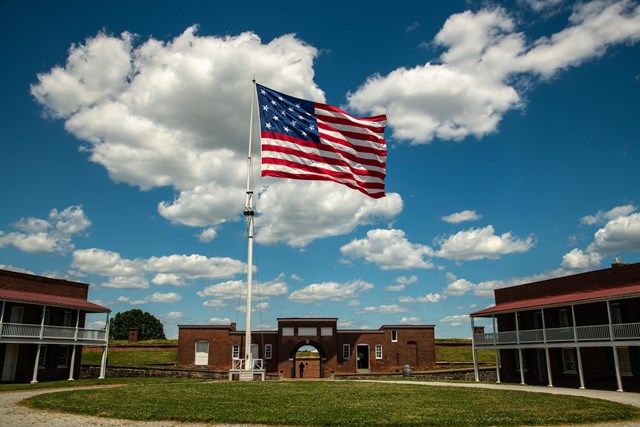
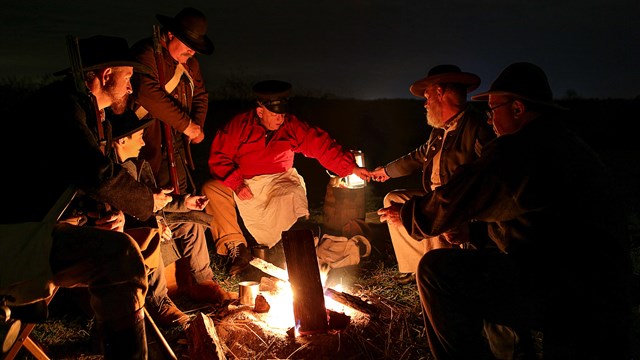
Fort McHenry fees, hours and alertsFort McHenry includes fife and drum in its living-history interpretation, and hearing martial music inside the fort where soldiers drilled tells you something a recording cannot: this was a working signal system, not entertainment. The park's Guard demonstrates period music, trades and black-powder programs across several eras of fort history.
These are ranger and volunteer programs, not standing concerts, with the fullest schedules in summer and on fall weekends, weather and staffing permitting. Check the park's event calendar for your date, and note that black-powder demonstrations are loud even when the fifes drew you in. For the birthplace of the national anthem, music is not decoration. It is the exhibit.
09Tumacácori: one weekend a year, worth planning around
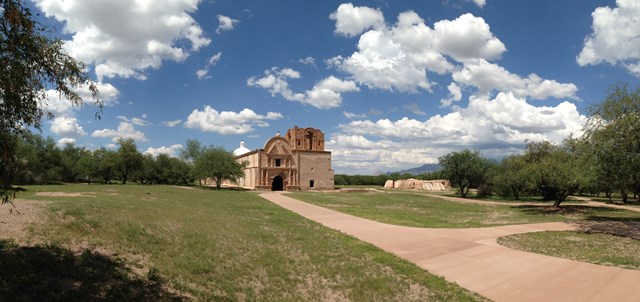
Tumacácori fees, hours and alertsTumacácori south of Tucson hosts La Fiesta de Tumacácori during the first full weekend in December, a free celebration of the Santa Cruz Valley's layered cultures with around fifty food and craft booths and continuous live music and dance on stage, per the park's fiesta page. Sunday opens with a procession to the historic mission church and a multicultural mass in front of it. Some performers have played the fiesta for decades; it has run for more than 40 years.
The park skipped 2025 and expects the next fiesta in December 2026, so confirm the dates before building a trip around them. Parking is limited and mostly along the Frontage Road, so arrive early and on foot-friendly terms. There is nothing else on this list like a mission courtyard full of mariachis.
10Fort Dupont: a real tradition, an old listing
Fort Dupont fees, hours and alertsFort Dupont in Southeast Washington has one of the great community music traditions in the system, a free summer concert series that has drawn generations of neighbors to the park's stage. The catch, and it is an honest one: the park's Summer Event Series page still showed the 2025 program when last checked, two free late-August Saturday shows, and announced nothing newer.
Treat Fort Dupont as a tradition to follow rather than a show to promise. When a new dated listing appears, verify the entrance, start time and lawn rules on that year's notice, and go. A series with this much history is worth the patience it asks for.

When to go
Summer is the season. Wolf Trap, Lowell, Cuyahoga Valley and Fort Dupont all concentrate their programming between June and September, and park amphitheaters everywhere fill their calendars. This is also when crowds and ticket competition peak, so book the shows you care about early and treat the rest as a bonus.
The shoulder seasons reward the traditional-music parks. The Blue Ridge Music Center's season stretches into fall, Jean Lafitte's Saturday programs run much of the year, and San Francisco's chantey sings and Fort McHenry's living history keep weekend schedules into autumn. Cooler months also mean smaller audiences for the same music.
December belongs to Tumacácori and to holiday programming across the system, from carol programs at historic sites to winter concerts at Cuyahoga Valley's Happy Days Lodge. A music trip built around the first weekend of December in southern Arizona is a fine excuse to escape winter everywhere else.
How to plan a park music outing
- 1
Find the dated listing. Performer, date, start time and venue, from the park or partner's current calendar. An evergreen program page describes a tradition, not tonight.
- 2
Learn who actually runs the show. Park, partner, concessioner or foundation: the organizer owns tickets, cancellations and updates, and it is not always NPS.
- 3
Check what your pass does not cover. Many park concerts are ticketed separately, and interagency passes do not buy performance admission.
- 4
Plan the lawn logistics. Chairs, blankets, coolers, parking and the weather fallback are what separate a great outdoor show from a wet one.
- 5
Fold the music into the park day. The best picks on this list are performances in places worth seeing anyway. Give the park its afternoon before the evening set.
How the parks got their stages
Music in the national parks began around the campfire. In the 1910s and 1920s, ranger-naturalists built evening programs that mixed talks with group singing, and the campfire circle became the original park venue. The Civilian Conservation Corps took it further in the 1930s: the camps fielded their own bands, and New Deal work crews built rustic amphitheaters and bandshells in parks across the country, some still in use. The idea took hold that a park evening should end with people gathered around something shared.
After the war, the tradition scaled up. The Smithsonian's Festival of American Folklife landed on the National Mall in 1967 and turned the nation's front lawn into a stage for traditional music from every corner of the country. A year earlier, Catherine Filene Shouse had donated her Virginia farmland to create the first national park for the performing arts, and Wolf Trap's Filene Center opened in 1971. When the original structure burned in 1982, volunteers and donors rebuilt it within two years, because by then a summer night at Wolf Trap had become something Washington refused to lose.
The newest chapters are the most specific. In 1994 Congress established New Orleans Jazz National Historical Park, the first park dedicated to a single genre, and parks like Lowell and Jean Lafitte built their programming around the music their landscapes actually produced. The arc runs from campfire sing-alongs to amphitheaters to a park that exists so jazz does. The setting changed. The reason did not: some places sound like themselves, and the Park Service eventually decided that was worth protecting.
All 38 parks with live music
Below is every Park Service unit that lists live music. Click through for each park's fees, hours and alerts. The cards are a map of possibilities, not an upcoming-show calendar: check the park or partner's live event listing before planning a music-centered visit.
Free to enter Charges an entrance feePoints are the Park Service reference point for each unit, not a boundary.



Keep planning your trip
- Arts and culture in the national parksMuseums, historic sites and the rest of the creative map
- Arts and crafts in the national parksDemonstrations, workshops and maker traditions
- Guided tours in the national parksRanger programs and expert-led visits
- Scenic driving in the national parksThe roads worth the detour, Blue Ridge included