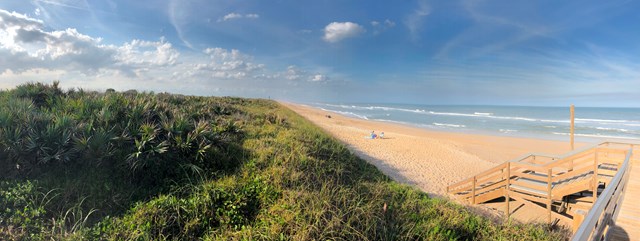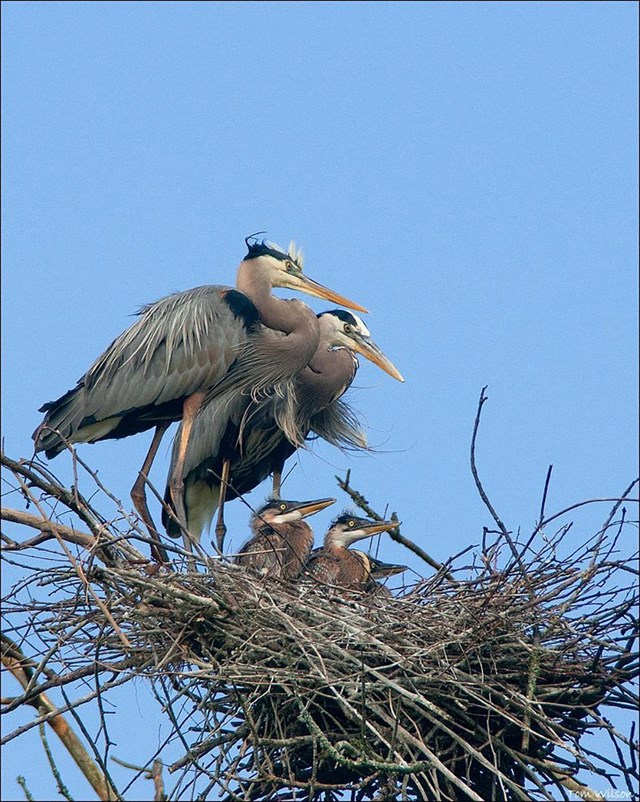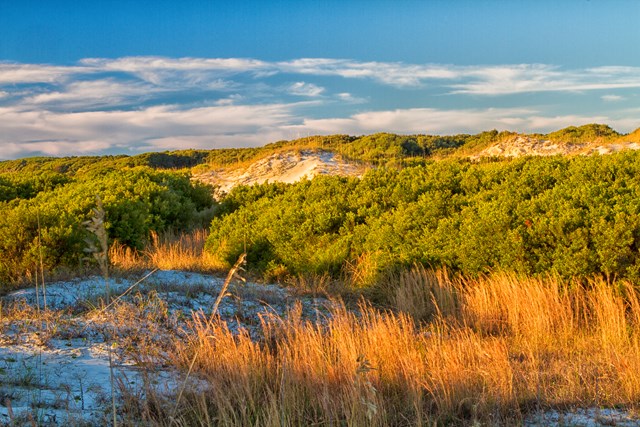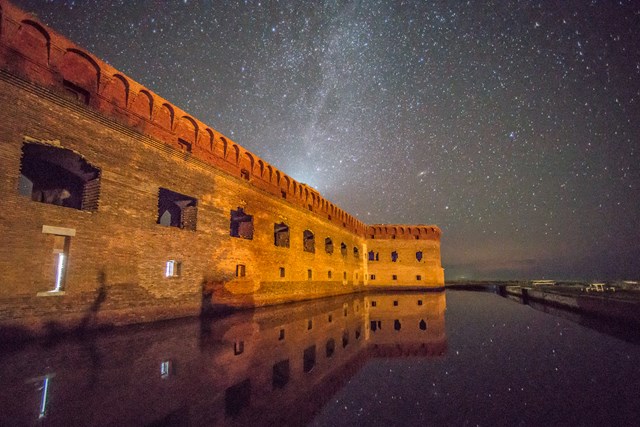
Fifty-five Park Service units list swimming, from ocean beaches an hour from Manhattan to a caldera lake you reach by a mile of switchbacks. The pattern to know before the trip: most park water has no lifeguard, the famous beaches post daily hazard flags, and the parks that do guard their beaches guard them in summer only. The reward for reading the rules is some of the best swimming in America - wild horses on the dunes behind you, or 1,900 feet of blue below.
The ten best park swims
01Assateague Island
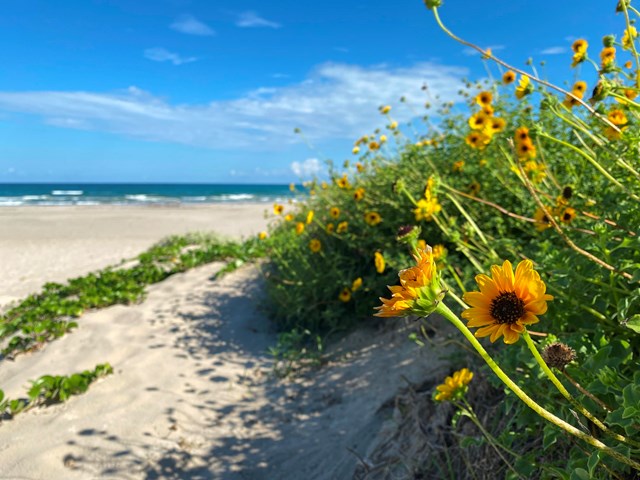
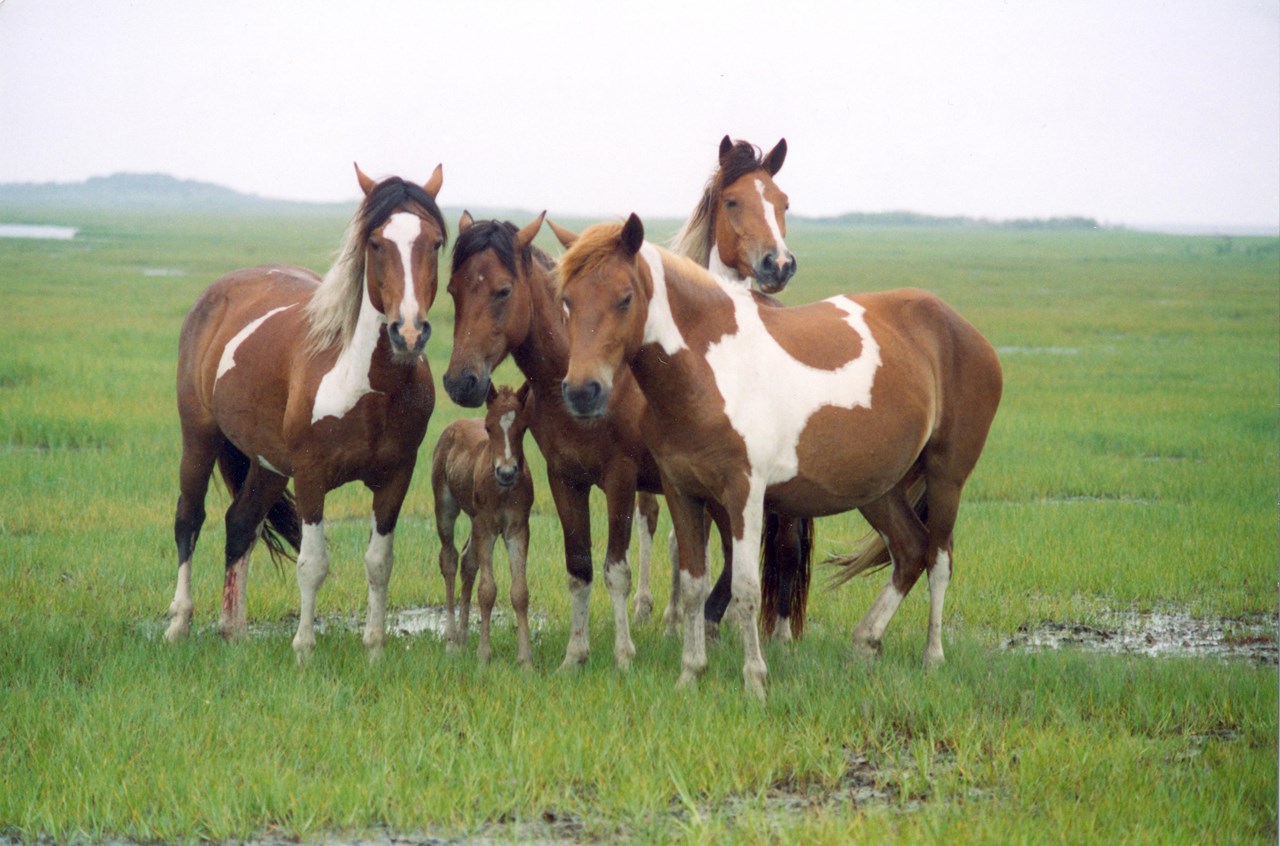
Assateague fees, hours and alertsThe beach with the horses. Assateague runs 37 miles of undeveloped barrier island between Maryland and Virginia, with no boardwalk, no development, and the famous wild horses wandering the dunes - watch them, photograph them, never feed them. One current caveat: as of the seashore's September 2026 safety page, no lifeguards are on duty in either the Maryland or Virginia district, so all swimming is at your own risk. The surf is Atlantic-real: rip currents are the park's main hazard, and the beach-safety page's advice - swim with a buddy, check the NOAA rip forecast, float rather than fight a current - is worth reading before you go in.
02Cape Hatteras
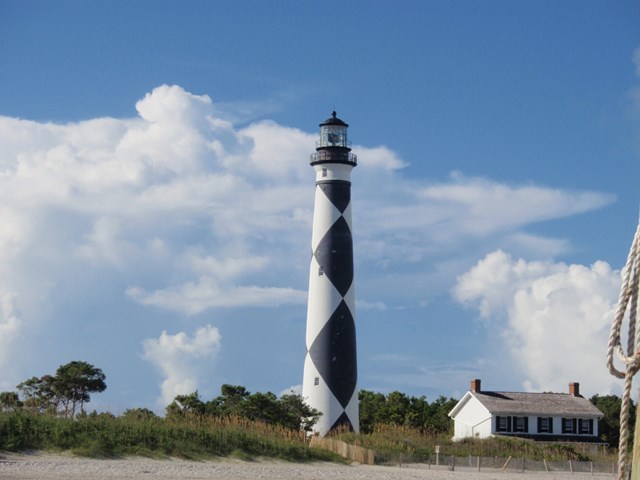
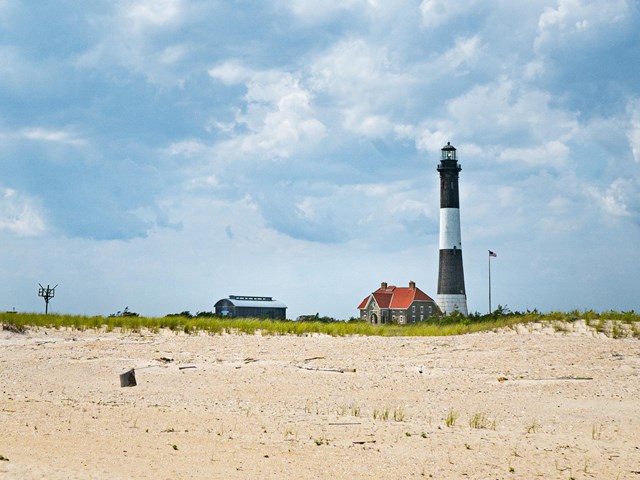
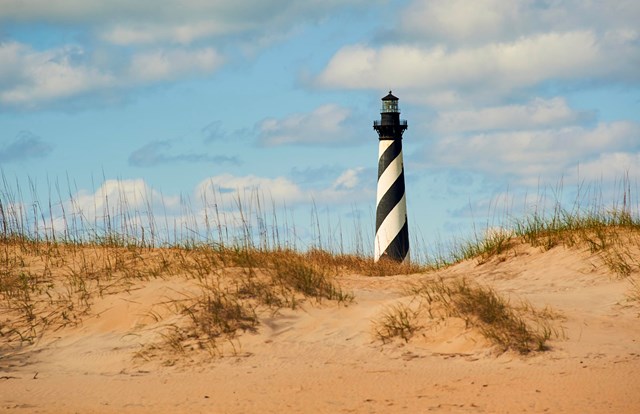
Cape Hatteras fees, hours and alertsThe Outer Banks' big water: 70 miles of seashore at the elbow where the Gulf Stream meets the Labrador Current, and one of the system's best guard operations - five lifeguarded beaches staffed seven days a week, 9 a.m. to 5 p.m., from Memorial Day weekend through Labor Day. The same confluence of currents that makes the swimming makes the rips; check the daily NOAA rip-current forecast the park links to before you swim. Climb the lighthouse, then swim beneath it.
03Gulf Islands
Gulf Islands fees, hours and alertsThe panhandle's sugar sand: white quartz beaches and warm, gentle, emerald Gulf water stretching from Florida to Mississippi. Lifeguards are on duty mid-May through August at four spots - Opal Beach in the Santa Rosa area, Langdon Beach at Fort Pickens, Johnson Beach on Perdido Key, and the south-shore swim beach on Ship Island. The seashore flies a daily flag: green, yellow, red, purple for marine life, and double red, which means the water is closed, full stop. On a calm June morning it is the softest swimming in the system.
04Virgin Islands: Trunk Bay
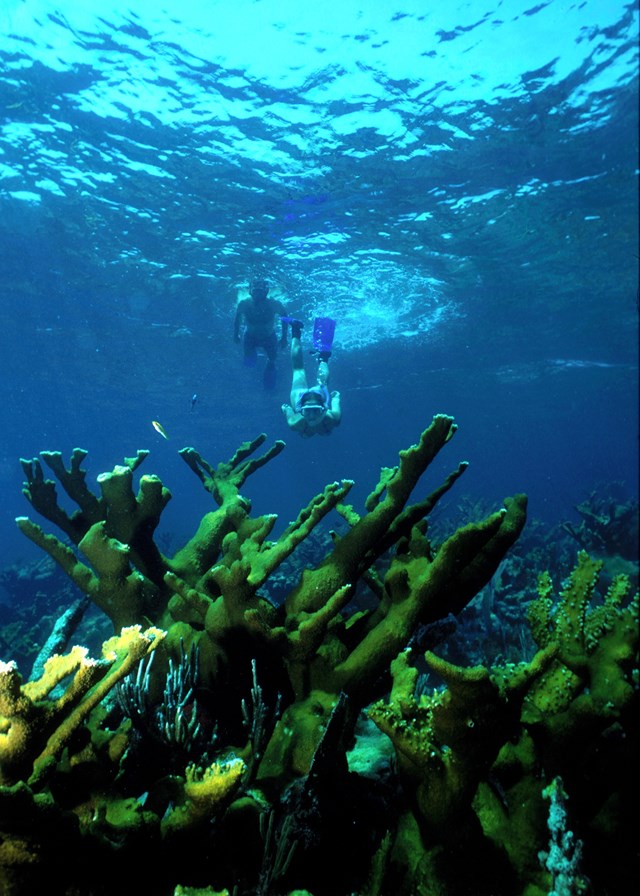
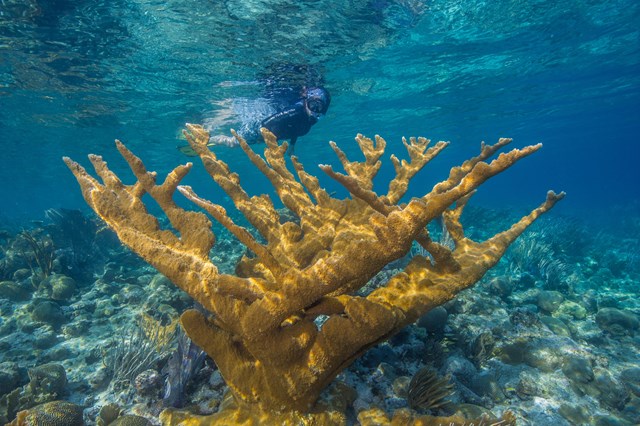
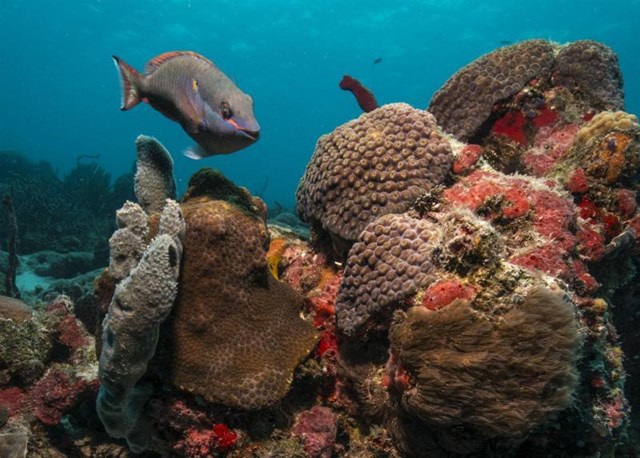
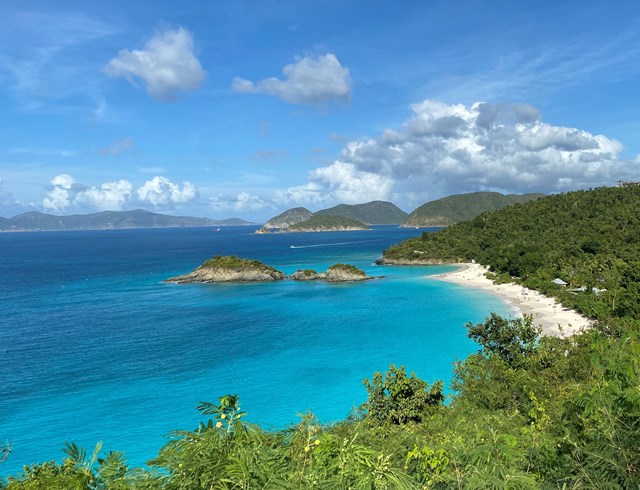
Virgin Islands fees, hours and alertsThe Caribbean postcard: a quarter-mile of white sand, turquoise water, a cay on the horizon, and an underwater snorkel trail marked with plaques on the seafloor. Trunk Bay is the park's one fee beach - $5 per person 16 and up, sunrise to sunset - and one of the most photographed strands on Earth. Cinnamon and Maho are the quieter neighbors, where sea turtles graze the seagrass just offshore.
05Cape Cod
Cape Cod fees, hours and alertsThe classic: 40 miles of Atlantic-facing sand from Chatham to Provincetown, with lifeguarded ocean beaches in summer and water that stays brisk into August. The modern briefing here includes sharks: white sharks follow the grey seal colonies along the outer Cape, and the seashore's shark-safety guidance - stay close to shore, swim in groups, avoid the seals - is posted at the beaches and worth taking seriously. The bayside beaches are the calm, warm alternative.
06Gateway: Sandy Hook
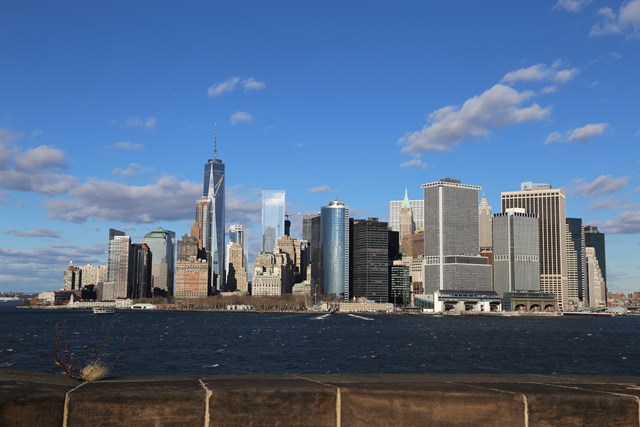
Gateway fees, hours and alertsNew York City's national park beach. Sandy Hook, at the harbor's mouth, is a barrier spit with miles of ocean beach and the Manhattan skyline off the dunes - reachable by ferry from downtown, which makes it the most improbable commute to a national park swim in the country. Swim only in the posted bathing areas when they're staffed, and read the flags: the Atlantic here is the real Atlantic. Jacob Riis Park, on the Rockaway end, adds the Art Deco bathhouse.
07Sleeping Bear Dunes
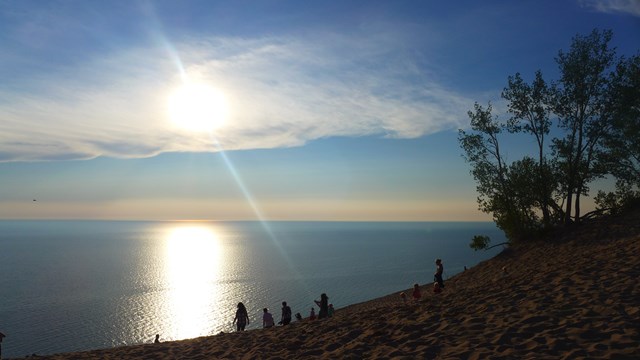
Sleeping Bear Dunes fees, hours and alertsFreshwater's flagship: 35 miles of Lake Michigan shore under towering dunes, swimmable by late July. The park's own framing is the honest one: the whole lakeshore is open to swimming and none of it is guarded. The sweet spots are the river mouths - Platte River Point, and Esch Road where Otter Creek pours its warmer water into the cold lake - and inland North Bar Lake when the big lake runs too cold. Rip currents are the stated hazard; check the forecast before you wade out.
08Indiana Dunes
Indiana Dunes fees, hours and alertsChicago's beach, upgraded to a national park: 15 miles of Lake Michigan shoreline, with lifeguards at West Beach from the Friday of Memorial Day weekend through Labor Day Monday, 10 a.m. to 6 p.m. The national park charges an entrance fee, and the park's warning is specific to this lake: rip currents are the most significant drowning threat on southern Lake Michigan, and they come with north winds and wavy days. Stay out when warnings are posted.
09Lake Mead
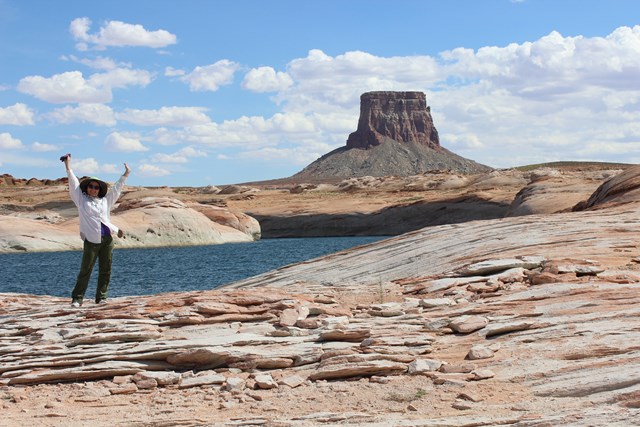
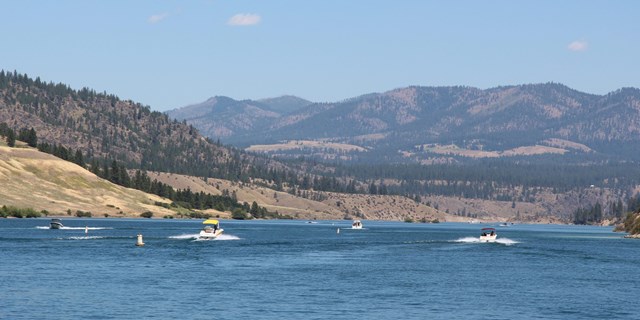
Lake Mead fees, hours and alertsThe desert swim: designated beaches - Boulder Beach is the classic - on a reservoir ringed by red rock, bathtub-warm by July. The park's own safety page is statistical and blunt: there are no lifeguards anywhere in the park, and most of its water fatalities could have been avoided with a life jacket. Wear one. Note the odd local rule: pool toys, including water wings, are prohibited; Coast Guard-approved flotation is not. Swimming is banned at all marinas and launch ramps.
10Crater Lake - closed through 2028
Crater Lake fees, hours and alertsThe most famous novelty swim in the parks is off the table for now: Cleetwood Cove Trail, the only legal access to Crater Lake's shore, is closed for a major rehabilitation project for the 2026, 2027 and 2028 seasons, and with it goes all swimming, wading and fishing from the shore. When it reopens, the ritual is worth the wait: a steep 1.1-mile trail down 700 feet, a plunge into water that averages 57 degrees in summer, and a 65-flight-of-stairs climb back out at 6,000-plus feet. Until then, the lake is a look-don't-touch proposition - check the park's page for the reopening season before you plan around it.





How to swim in the parks
- 1
Find the lifeguarded beaches first. Cape Hatteras's five beaches, Gulf Islands' four, West Beach at Indiana Dunes - the guarded list is short, seasonal, and posted on each park's page. Assateague, a surprise to many regulars, currently has none. Everything else is swim-at-your-own-risk.
- 2
Read the flags. The seashores post daily rip-current forecasts and flag systems. Double red at Gulf Islands means the water is closed; a red flag anywhere is not a suggestion.
- 3
Cold is the default inland. Mountain and spring water runs 50 to 65 degrees even in August. Cold shock kills strong swimmers; enter slowly.
- 4
Life jackets for kids and weak swimmers. The single most repeated rule on every park water page - and Lake Mead's fatality statistics are the reason.
All 55 parks with swimming
The full list is below. Click through for each park's fees, hours, alerts and campgrounds - and read the beach alerts before you drive.
Free to enter Charges an entrance feePoints are the Park Service reference point for each unit, not a boundary.