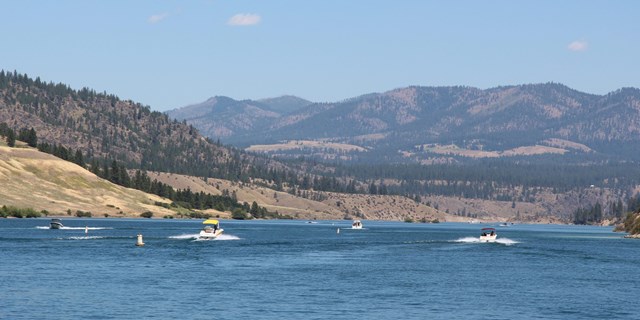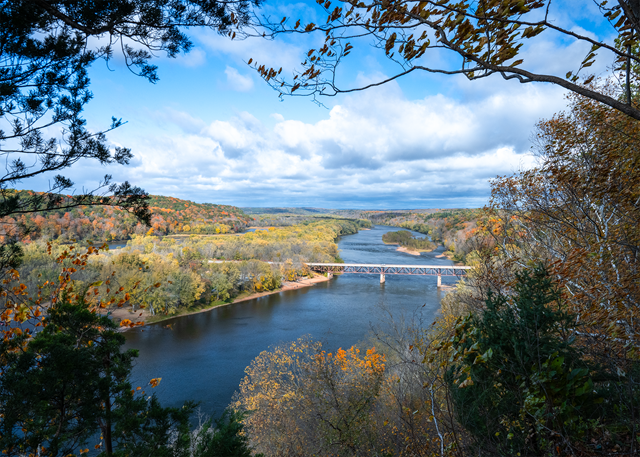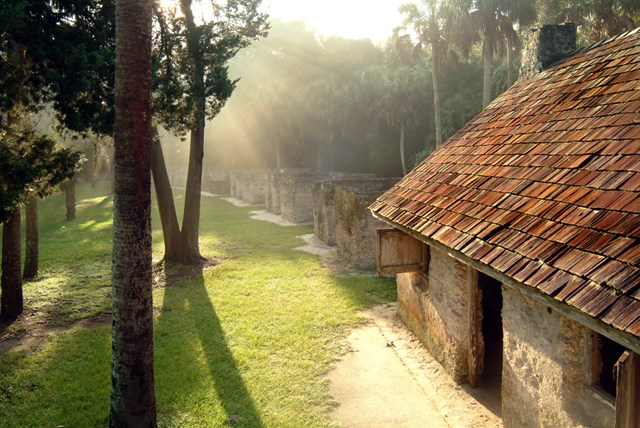
Twenty-eight Park Service units are motorized-boating parks, and they split into two tribes: the big desert reservoirs where a speedboat is the recreational main course, and the wild water parks where a motor is simply how you get there. What unites them is that the boat unlocks what the road can't - canyon arms, island campsites, glacial fjords and backcountry that sees a fraction of the foot traffic. If you trailer a boat, this is your list.
A note on rules: motors mean regulations. Several parks require permits, inspections for invasive mussels, or seasonal closures, and a few limit horsepower outright. The park page and the current alerts are the pre-launch checklist.
The ten best parks for motorized boating
01Lake Mead National Recreation Area
Lake Mead fees, hours and alertsThe original motorboating park and still the heavyweight: America's first national recreation area, built around the reservoir behind Hoover Dam. Launch ramps, marinas, fuel docks and houseboat rentals make it the easiest big-water boating in the system, with desert canyon scenery behind every wake. The lake's drought-driven decline is the story of the decade - levels in the mid-2020s sit far below full pool, some ramps have closed or moved, and the park keeps a running update - so check the current ramp status before you tow. When the water cooperates, nothing else in the system matches the scale.
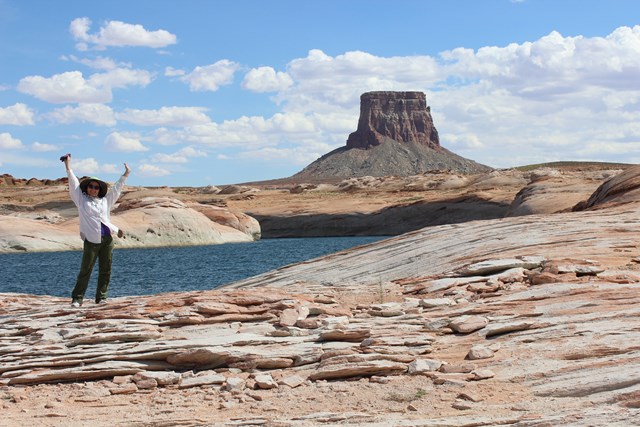
02Glen Canyon: Lake Powell
Glen Canyon fees, hours and alertsOne hundred eighty-six miles long with roughly two thousand miles of shoreline - more than the West Coast - Lake Powell is the houseboat capital of the park system. The math of a Powell trip is simple: the main channel is the highway, and every side canyon (Labyrinth, Face, the flooded amphitheaters of the Escalante arm) is a destination where you beach, swim and sleep under sandstone. Water levels have swung dramatically in the 2020s, changing which canyons are navigable and which ramps operate; the park's updates are essential reading. Spring and fall are the sweet spots - summer weekends turn the main channel into a freeway.
03Voyageurs National Park
Voyageurs fees, hours and alertsThe northern mirror of the desert parks: a park that is nearly half water, where the boat isn't recreation - it's the only way in. Voyageurs sprawls across four big border lakes (Rainy, Kabetogama, Namakan, Sand Point), and its campsites, trailheads and even the Kettle Falls hotel sit boat-only on island and shoreline. Rent a motorboat or a houseboat in the gateway towns, carry charts (the rock reefs are real), and in a long evening of a northern summer you can have an island campsite entirely to yourself. Winter flips the park to ice roads and snowmobiles; the boating season runs May to October.
04Biscayne National Park
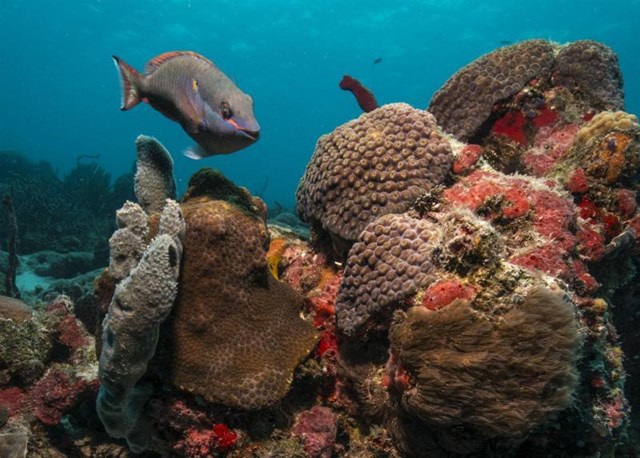
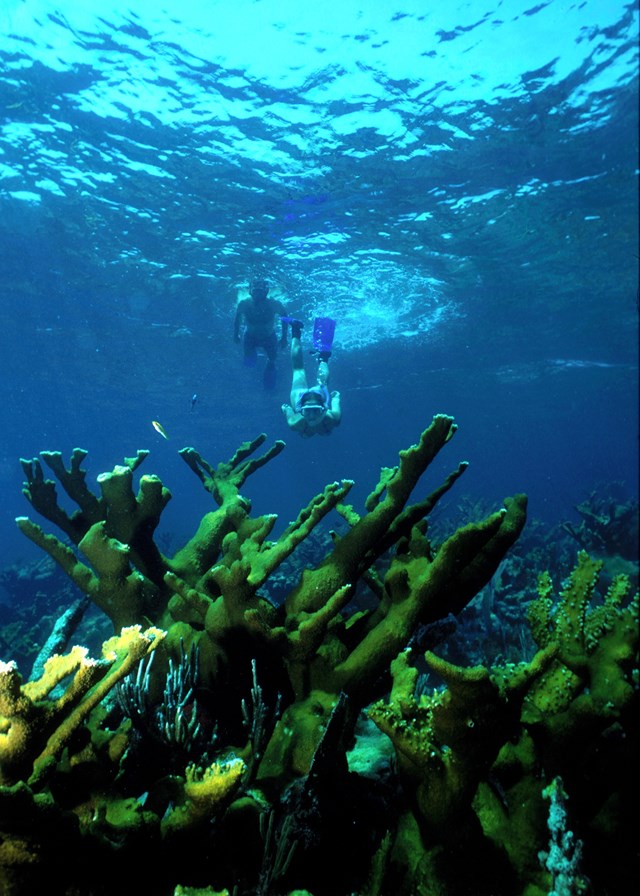
Biscayne fees, hours and alertsNinety-five percent of Biscayne is underwater, so the boat is the park. From the mainland marinas it's a short run to the only living barrier reef in the continental United States, the keys (Boca Chita's lighthouse, Elliott Key's campground), and water so clear the seagrass reads like a map. This is saltwater boating with Florida Bay on one side and the Gulf Stream on the other; the snorkeling and diving on the reef are the point, but a sandbar Sunday at the keys is its own Miami institution. No bridges, no cars - everything arrives by hull.
05Apostle Islands National Lakeshore
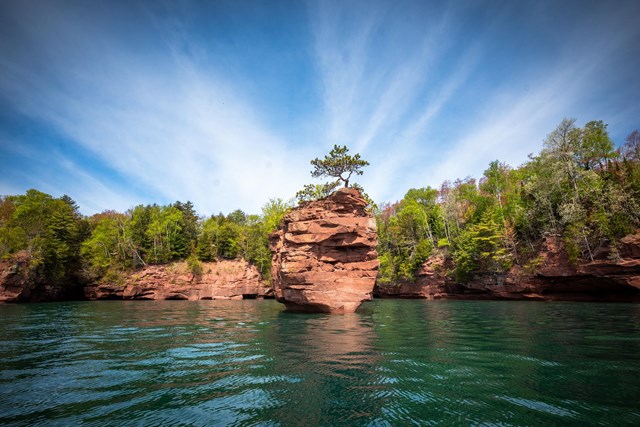
Apostle Islands fees, hours and alertsTwenty-one islands scattered off Wisconsin's Lake Superior shore, with sea caves, lighthouses and some of the best small-boat cruising in fresh water. The islands are close enough for day hops - Sand Island's sea caves, Raspberry Island's restored lighthouse, the dock campsites strung through the archipelago - but Superior is an inland sea that makes its own weather, and kayakers and powerboaters alike check the marine forecast like a religion. In calm weather the crossing to the outer islands is the best boating day in the Midwest; in a blow, you stay on shore and admire the sea caves from Meyers Beach.
06Isle Royale National Park
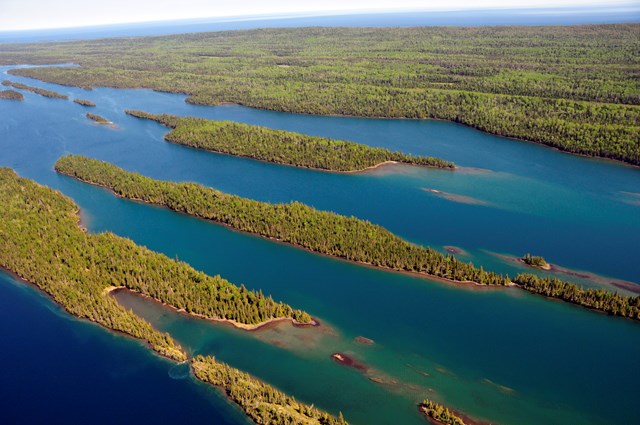
Isle Royale fees, hours and alertsThe wilderness exception that proves the rule: no cars, no roads, reachable only by boat or seaplane - and for those who bring their own motor, a 45-mile-long island fortress of fjord-like harbors in the middle of Lake Superior. Powerboaters cruise between protected anchorages - Tobin Harbor, Rock Harbor, McCargoe Cove - that rank among the most beautiful freshwater harbors anywhere, with moose on the shore and wolves in the woods. The island closes entirely from November through mid-April, and the crossing is serious open water. But drop anchor in a cove at sunset and you'll understand why people trailer boats a thousand miles for it.
07Channel Islands National Park
Channel Islands fees, hours and alertsCalifornia's Galapagos, one to five hours offshore from Ventura by boat, and a destination where the crossing is half the experience - dolphins riding the bow are routine. Private boaters anchor in coves like Scorpion and Smugglers Cove for kayaking the sea caves and hiking the ridges; those without a boat ride the concession ferry. Five islands, each its own ecology, with endemic foxes, Torrey pines and a rugged shoreline that feels a century away from the mainland it faces. Winter is whale season on the crossing; summer brings the calmest seas.
08Glacier Bay National Park
Glacier Bay fees, hours and alertsThe grand prize of motorized boating in the system: a 65-mile fjord of tidewater glaciers, and a quota system that keeps it wild. A limited number of private-vessel permits are issued for the peak season (June through August), and the boaters who get one cruise past calving glaciers, humpback whales, sea otters and bears walking the shore, with designated anchorages and strict rules that keep the wilderness intact. This is expedition boating - cold water, big weather, real self-sufficiency - but no other motor trip in the national parks delivers scenery at this scale. The permit is the hard part; the park page explains the lottery.
09Everglades National Park
Everglades fees, hours and alertsThe subtropical maze: ten thousand islands of mangrove at the park's Gulf Coast edge, where a shallow-draft motorboat is the only realistic way to chase snook, watch roseate spoonbills and find a beach with no footprints. The Flamingo area's backcountry channels and the Wilderness Waterway (99 miles to Everglades City, paddled or motored) are the classic routes, with chickee platforms for camping over the water. Tides, shoals and afternoon storms rule; the motor lets you cover the miles, but the Everglades still sets the terms. Dry season, December through April, is the window.
10North Cascades: Ross Lake
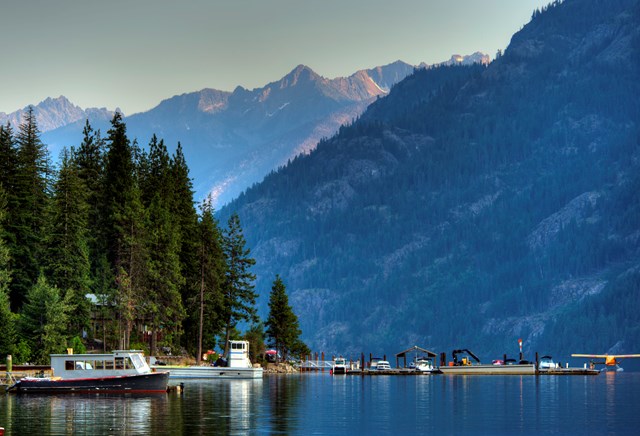
North Cascades fees, hours and alertsThe Northwest's hidden motor lake: 23 miles of fjord-blue water running right into Canada, ringed by the most jagged peaks in the Lower 48, with 19 boat-in campsites (backcountry permit required) and Ross Lake Resort, the only lodging on the lake, as the base camp. The catch, and the reason it stays quiet: there is no road to the lake from the south. To trailer your own powerboat in, you drive to Hope, British Columbia and take the gravel road down the Canadian side to the two ramps at Hozomeen, normally usable mid-June through September. From SR-20 you cannot drive a boat in at all - canoes, kayaks and other portable craft launch at Colonial Creek on Diablo Lake, run five miles, then portage around Ross Dam on a mile-plus gravel road with switchbacks (520 feet up, 120 down), a route larger motorboats cannot make; Ross Lake Resort will portage portable boats, rents small power boats and paddlecraft, and runs a water taxi. Powerboats must run four-stroke or direct-injection two-stroke engines, and the water seldom tops 50 degrees even in summer, with gusty afternoon winds that arrive without warning. Plan for full pool, July through September, when the ramps and docks are all in.





How to boat a national park
Permits and inspections first. Glacier Bay requires a vessel permit; western reservoirs require aquatic-invasive-species inspections for every boat, sometimes with decontamination. The park page lists what your hull needs before it touches the water.
Check water levels and ramps. Reservoir boating in the 2020s is a moving target - ramps close, courtesy docks move, and last year's launch may be high and dry. The park's current conditions page is the pre-trip read, and the alerts guide explains the flag system.
Big water is big water. Superior, the Gulf of Alaska's edge, and open ocean crossings play by marine rules: marine forecast, PFDs worn, a float plan filed, and a healthy respect for weather that changes faster than the highway forecast suggests.
Know the horsepower zones. Many parks limit motors on certain lakes or close bays to combustion entirely. The rules exist to keep the quiet parts quiet - honor them.
A short history of motorboating in the parks
The national parks were built for feet, hooves and paddles - the motor arrived as an invader. The reservoirs changed the equation: when Hoover Dam filled Lake Mead in the 1930s, the Park Service found itself managing a vast new lake with no wilderness pretense, and Lake Mead National Recreation Area became the first unit designed around the motorboat. The recreation-area model - Powell, Curecanti, Roosevelt, Bighorn - followed the dams west, pairing flood control with fiberglass.
The wild parks took motors on different terms. Voyageurs and Isle Royale inherited boating cultures older than the parks themselves - the voyageur canoe brigades gave way to fishing motors and family cruisers - and the parks absorbed the boats rather than ban them, regulating horsepower and harbors to keep the wilderness honest. The result is a system with two boating cultures, one fast and one far, and a page for each.
All 28 parks with motorized boating
Below is every Park Service unit that lists motorized boating. Check fees, ramp status and alerts before you tow, and mind the inspection stations.
Free to enter Charges an entrance feePoints are the Park Service reference point for each unit, not a boundary.