A park visit changes when you have to make something. A sand mold explains casting better than a diagram; a few woven rows make the noise of a textile mill more legible. There is a difference between watching a trained person demonstrate a craft and picking up safe materials to try part of it yourself. The best parks make both choices clear.
The Park Service lists 82 units with hands-on activities. The category is broad, from staffed art workshops to self-guided Junior Ranger books, and calendars change with seasons and staffing. These ten rank actual opportunities to do, examine or solve something, not a promise that every visitor gets to touch an artifact. Choose the activity first. Then check the park's current schedule, whether supplies are provided and who may participate. A closed classroom is not made open by an old trip article.
The ten best parks for hands-on activities
01Hopewell Furnace
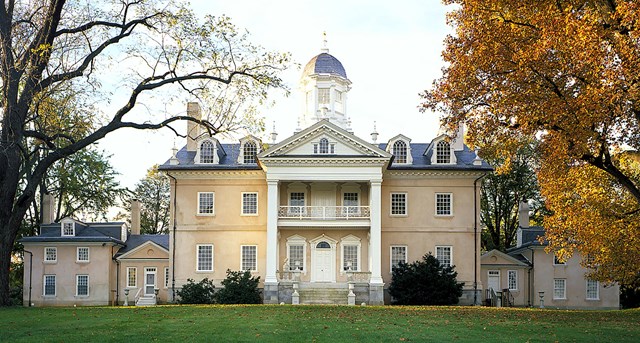
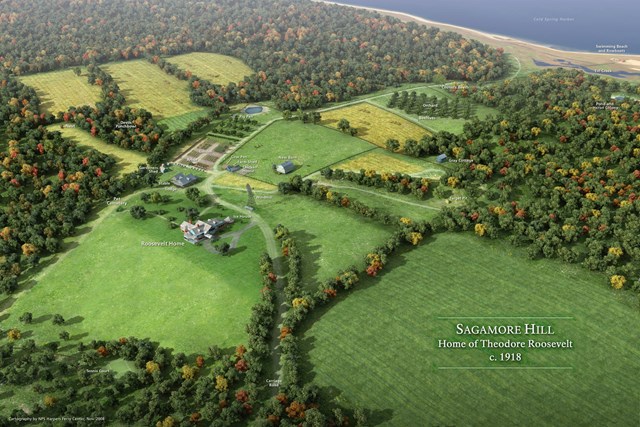
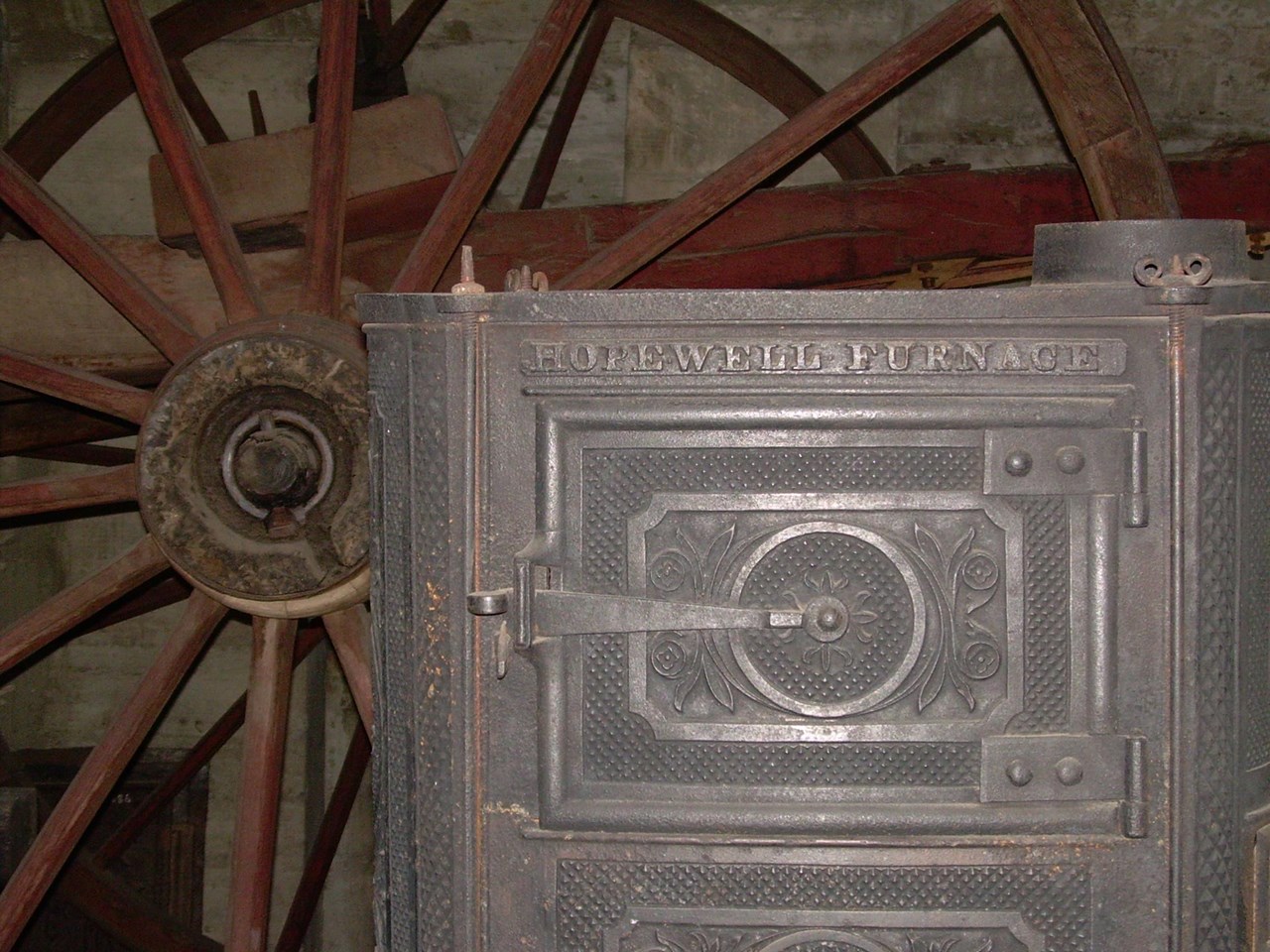
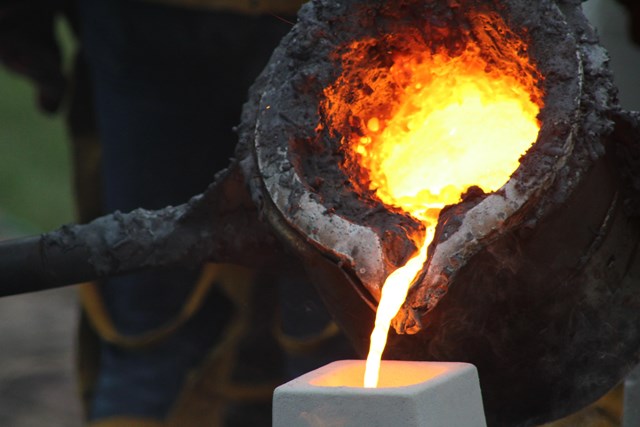
Hopewell Furnace fees, hours and alertsAt Hopewell, the history is in the process. The park's Hands-On History program has visitors make a sand mold and cast a shape in plaster, a safe way to understand the molder's work at an iron plantation. Other scheduled offerings include walking tours and living-history demonstrations. Those can add context, but the plaster task is the reason to choose this park for the hands-on list: you try a step instead of only hearing its name. Check the calendar for the actual workshop and staffing before driving. Do not confuse this program with pouring molten metal, which is done by trained interpreters. Hopewell's orchard is another reminder to check dates: the park says there will be no apple picking in 2026.
02Lowell
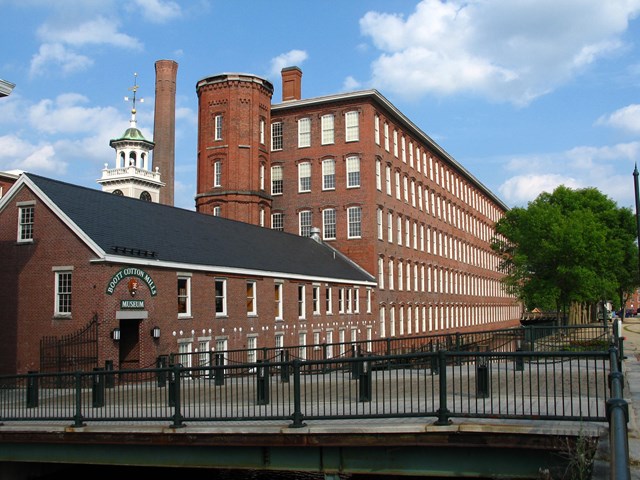
Lowell fees, hours and alertsLowell's Boott Cotton Mills Museum pairs an operating weave-room demonstration with a separate place for visitors to work. More than eighty historic power looms are in the exhibit, and trained rangers and weavers interpret them. Hands-On History workshops with the Tsongas Industrial History Center take place on the museum's third floor; the NPS describes free, typically drop-in activities appropriate for all ages. Try a weaving exercise there, then return to the historic looms with a better idea of what the workers managed. You do not operate those power looms yourself. Check the workshop calendar rather than assuming one follows every weave-room demonstration.
03Weir Farm
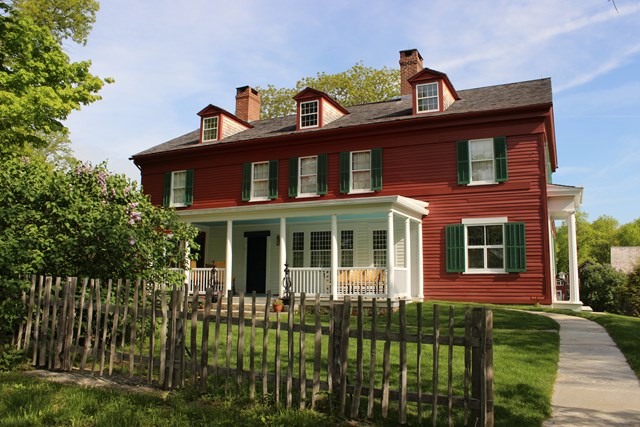
Weir Farm fees, hours and alertsAt Weir Farm, making art in the landscape is the visit, not a children's corner after the house tour. The park welcomes artists on its grounds year-round; bring your own materials, or borrow free-to-use kits while the visitor center is open in season. Its current page lists colored pencils on weekdays and watercolors on weekends from May to October, with limited supplies offered first come, first served. Free Impressionist painting workshops are separate scheduled events and fill quickly. You can sit where painters saw their subjects and attempt a small study of the same fields. The paper will be less accomplished. The connection is still real.
04Saint-Gaudens
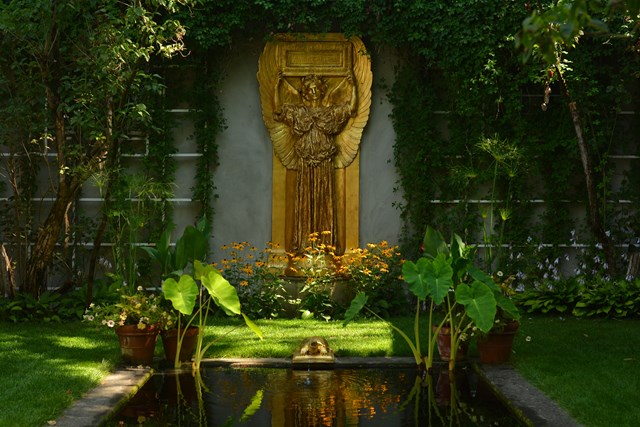
Saint-Gaudens fees, hours and alertsA sculpture park is a better lesson when it also invites a visitor to make something. Saint-Gaudens offers art materials and prompts during its posted season, with more structured family activities in its calendar. Its separate sculpture workshops require registration, have limited seats and set a minimum age of fourteen, so check the particular offering before promising a younger child a sculptor's bench. Walk the grounds and studio to see the work first, then use the art prompt to notice how shape changes from another angle. The drop-in art materials and the registered class are two different choices; neither is a daily guarantee outside the current schedule.
05Knife River Indian Villages
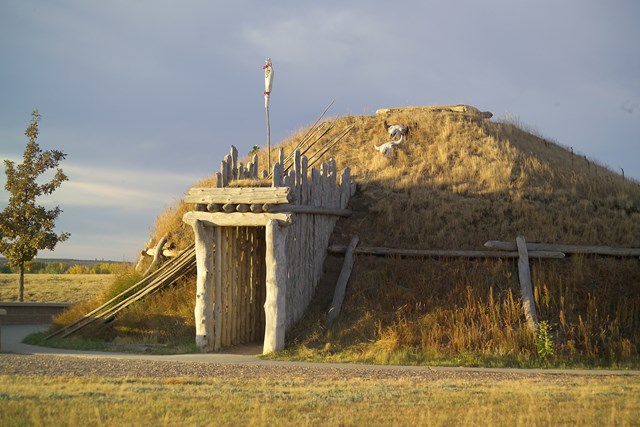
Knife River Indian Villages fees, hours and alertsThe museum at Knife River has hands-on displays built around everyday material culture: agricultural tools, toys, household items and a fur rack that children can examine and question. That gives a family more to do than scan labels before walking the village landscape. The park also describes educational programs using hands-on trunks, but those are a separate arranged offering, not a walk-in activity at every hour. Use the displays to ask what each tool accomplished and whose knowledge made it. A tactile exhibit should lead to a better question about Hidatsa village life, not reduce it to a collection of objects.
06Sitka
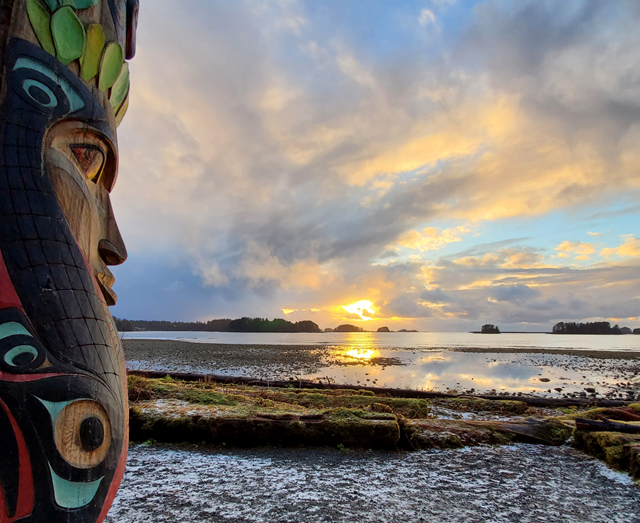
Sitka fees, hours and alertsSitka's demonstrating artists show carving, weaving, beading and metalwork connected to Tlingit and Haida traditions. The park works with the Sitka Tribe of Alaska and has studios for woodworking, textiles and metal engraving. This is primarily an opportunity to watch and speak with artists, not an invitation to use their tools; the park warns they are not always at the visitor center. Children can also work through Sitka's Junior Ranger book as a separate self-guided activity. Go for the artist's explanation and respect the line between learning about a practiced tradition and treating it as a drop-in craft table.
07Acadia
Acadia fees, hours and alertsAcadia offers Junior Ranger Stations at Hulls Cove or Sieur de Monts during program hours. The NPS describes activities that help children complete their book, followed by the oath and badge. The stations are accessible and bring the park's natural history down to an assignment a younger visitor can handle. This is a good first choice when a family wants a structured task rather than a full-day workshop. Check the current calendar and arrive during the station's hours; the book can carry the rest of the visit, but the ranger-led station itself does not run whenever the visitor center door is open.
08Grand Canyon
Grand Canyon fees, hours and alertsGrand Canyon's place-based Junior Ranger books make the view a set of questions about the landscape. The park offers a South Rim book, a Canyon Explorers option and age-specific virtual activities for those at home. Ask at a visitor center which books and activities are available during your visit. A virtual badge is a different route, not a promise that the park will mail a physical one. The hands-on part is observing the canyon, not collecting paper.
09Petrified Forest
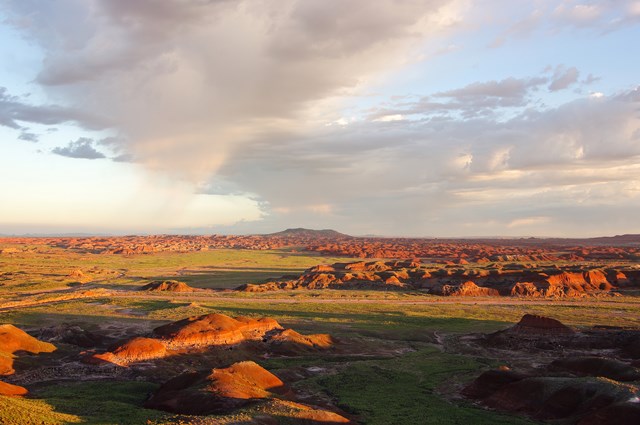
Petrified Forest fees, hours and alertsA fossil park makes a strong case for a booklet with actual questions. Petrified Forest's Junior Ranger program sends children into the Late Triassic, human history and the park's wilderness, with pickup points at its visitor facilities and pages available online. Choose a few stops before opening the book and let the place answer it. Do not promise a live fossil-preparation demonstration as part of this visit: a newer NPS science page marks the Museum Demonstration Lab closed until 2027, even though an older things-to-do listing still shows hours. The booklet is the reliable hands-on route for now; the lab needs a fresh check before any trip centered on it.
10Yellowstone
Yellowstone fees, hours and alertsYellowstone's self-guided Junior Ranger activities cover hydrothermal geology, wildlife and fire ecology. The booklet is available at visitor centers or for download before the trip, making it a useful task across a large park rather than at a single museum table. Its program is designed for ages four and up, with age-appropriate work reviewed by a ranger for an in-person badge. The park says those physical badges are not mailed and that a separate virtual Junior Ranger route exists for families at home. Let the activity ask why a geyser field looks different from a forest, then have a child put the answer in their own words.



When to go: the program calendar
Spring. Check seasonal building openings and workshop dates. Weir Farm's borrowed art kits start in season; a year-round trail does not imply an open supply desk. A program's last year's date is not its next appointment.
Summer. More visitor centers and ranger stations are staffed. Acadia's Junior Ranger Stations are worth targeting, and Sitka's artist studios may have demonstrations. Ask whether you may participate or only watch before planning an afternoon around a tool.
Fall. Weir Farm's 2026 art-supply season extends into October, subject to the visitor center's hours and stock. Hopewell's calendar still decides whether a casting session runs. Its 2026 orchard notice explicitly says no picking this year, whatever an older guide promises.
Winter. Self-guided books can outlast staffed workshops, if the relevant visitor center is open or the park posts a download. Grand Canyon and Yellowstone offer virtual options, but each has its own rules for completing and receiving an award. Check before mailing anything.
How to find a real hands-on activity
- 1
Ask who handles the materials. Lowell visitors can try workshop weaving but watch, rather than run, the historic power looms. Hopewell visitors work with a plaster mold; interpreters handle molten metal.
- 2
Check the date and the age rule. Saint-Gaudens' registered sculpture classes have limited seats and an age threshold. A family art prompt is a different program. Call the park when a special event is the trip's main purpose.
- 3
Use the current park calendar. Workshops depend on staffing and seasons. The separate Hopewell apple-picking notice and Petrified Forest lab status show how an old listing can outlive the activity.
- 4
Bring a fallback task. A self-guided Junior Ranger booklet can work when a scheduled station is full or closed, but check that park's directions and supplies. Most parks do not mail physical badges.
- 5
Respect the maker. At Sitka, an artist demonstrating a cultural practice is sharing expertise, not staffing an open craft table. Watch, ask a good question and follow the park's guidance about photography and participation.
Why doing became part of the visit
Park interpretation was not always a booklet or a workbench. Freeman Tilden's *Interpreting Our Heritage*, published in 1957, helped articulate the profession's principles, though the book did not invent every hands-on method parks use today. The aim is to connect a visitor to the meaning of a place, not merely give them more facts to recite.
Yosemite's earlier Junior Nature School shows that children were already learning outdoors by doing. An NPS transcription of a 1937 account says Park Naturalist Harwell organized the school in 1930, with field observations and nature games among its activities. That history belongs to Yosemite, not a claim that every modern program began there on the same date.
Today's examples take different forms. A sand mold at Hopewell explains an industrial process; a Junior Ranger book at Yellowstone makes a child look closely; an artist at Sitka can explain the skill behind the work while keeping the tools in expert hands. Participation is most useful when it clarifies the place, not when it merely fills an hour.
All 82 parks with hands-on activities
Below are Park Service units that list hands-on activities. Narrow your trip, then check the park calendar for programs, supplies, age limits and participation rules. Workshops do not necessarily run every day.
Free to enter Charges an entrance feePoints are the Park Service reference point for each unit, not a boundary.