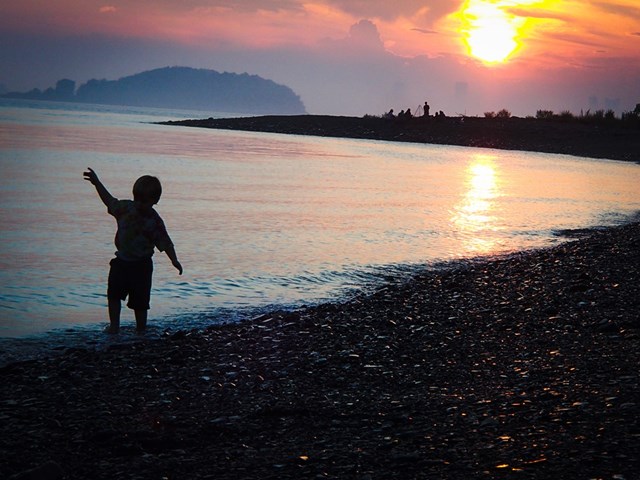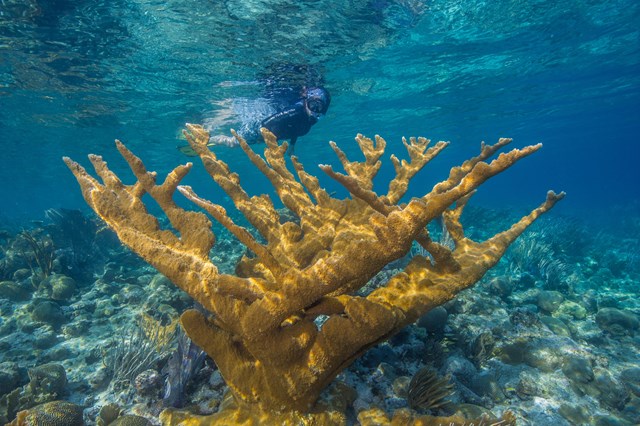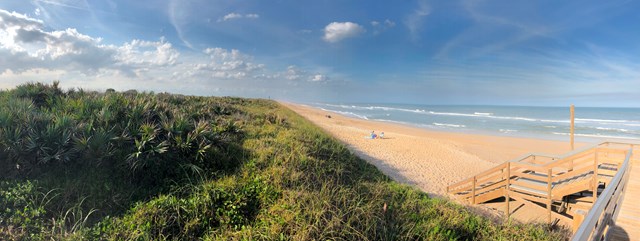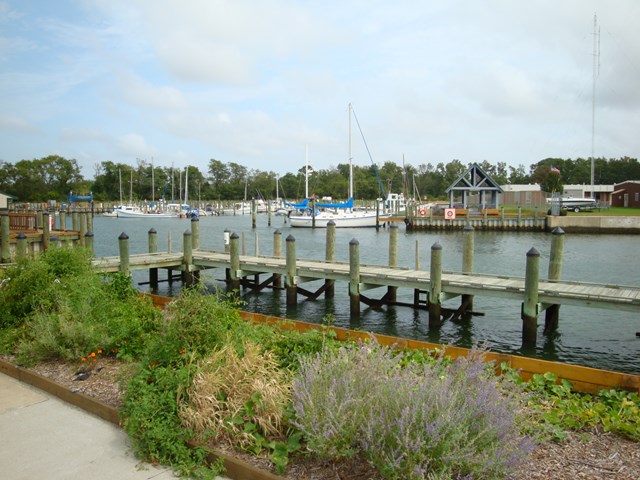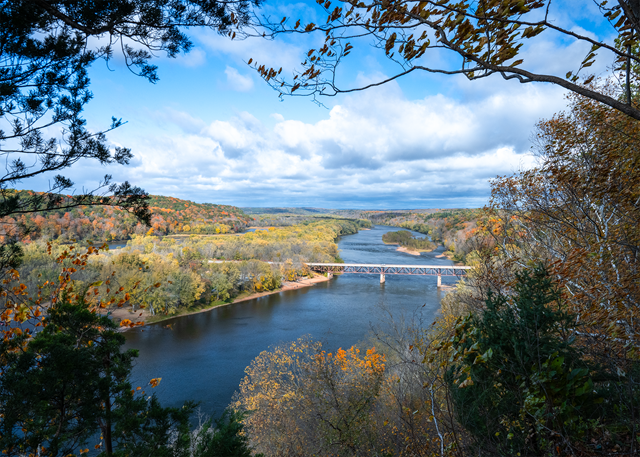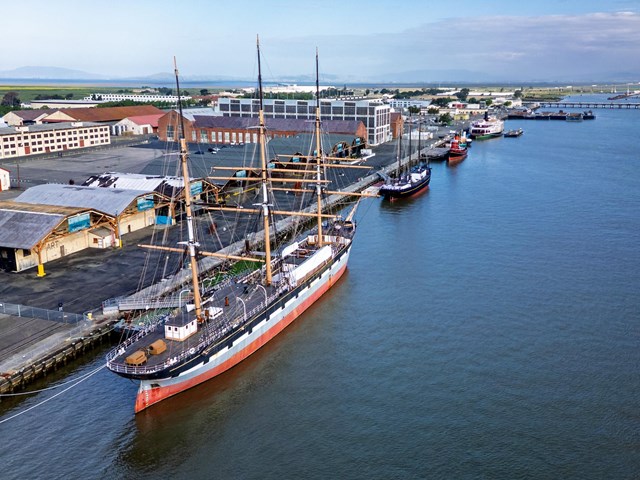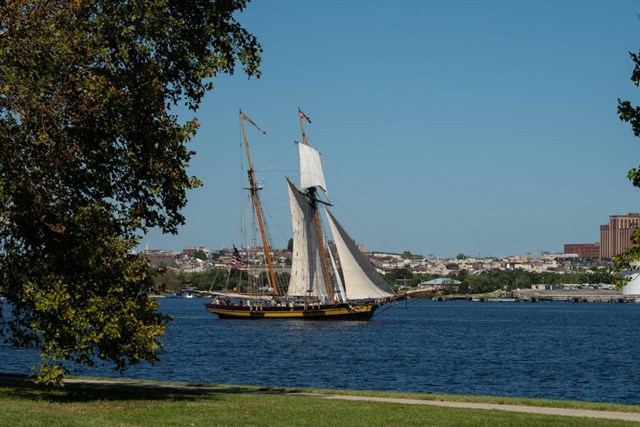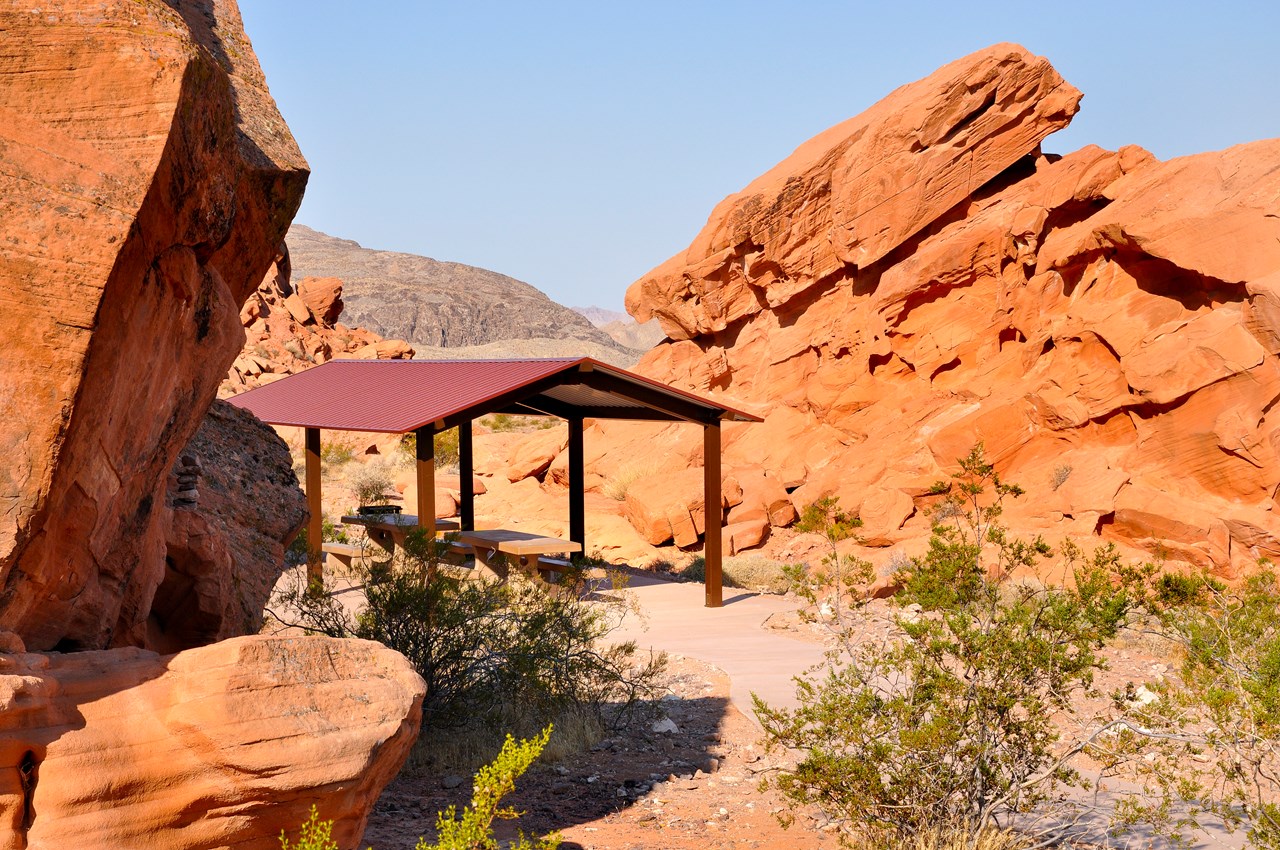
The parks were made for boats before they were made for cars - Yellowstone's first tourists arrived on steamers - and eighty-seven units still put you on the water, from the biggest reservoir in the desert to a lake with no road at all. The modern catch is paperwork: aquatic invasive species have turned every launch into a checkpoint. The good parks make the rules easy to follow; the smart boater reads them the week before, not at the ramp. Here are the parks worth trailering for, and what it takes to launch.
The best boating parks
01Lake Mead
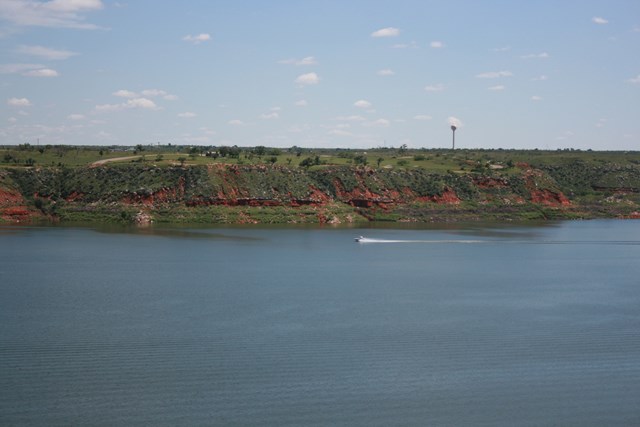
Lake Mead fees, hours and alertsThe country's original national recreation area is a boating park: 247 square miles of reservoir at full pool, marinas at Boulder Harbor, Callville Bay, Temple Bar and Katherine Landing, rentals from fishing boats to patio barges, and houseboat vacations that book out a year ahead. The costs are a lake-use vessel fee on top of park entrance - $16 per vessel for seven consecutive days, $50 for the annual sticker, half-price for Senior and Access Pass holders - plus fuel and sunburn. The desert's terms apply - afternoon wind, hundred-degree summers, and a lake level that has rewritten the map over two decades of drought. Local marinas track which ramps reach the water; check before you trailer.
02Glen Canyon: Lake Powell
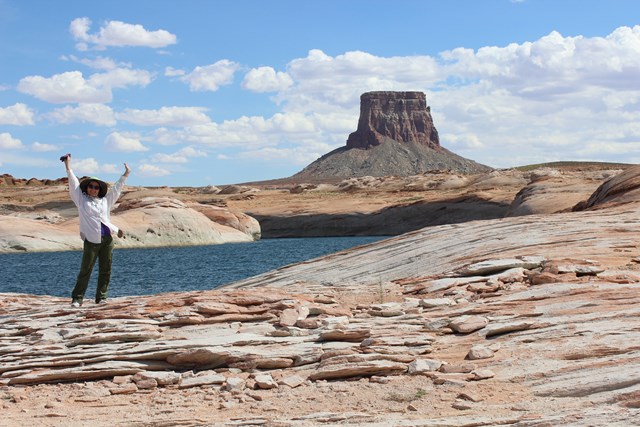
Glen Canyon fees, hours and alertsThe houseboat capital of the world: 1,900 miles of shoreline in flooded red-rock canyons, with marinas at Wahweap, Antelope Point and Bullfrog and a rental fleet that turns a week on the water into a movable national park lodge. Kayaks thread slot canyons straight off the main channel; the big boats anchor in side canyons that swallow them whole. Low water has closed and reopened ramps repeatedly in recent years - the park posts ramp status, and checking it is step one of any Powell trip.
03Yellowstone: the permit park
Yellowstone fees, hours and alertsBoating Yellowstone is a privilege with a checklist, and the checklist is the story: every watercraft - down to paddleboards and angler float tubes - must pass the park's aquatic invasive species inspection and carry a permit ($20 for seven days or $30 for the season, non-motorized; $40/$60 motorized). Motors run only on Yellowstone and Lewis lakes, jet skis and tow sports are banned outright, and inboard boats and sailboats need a 30-day dry time before launching - part of the system's most aggressive defense against zebra and quagga mussels. The reward is the largest high-elevation lake in North America, 136 square miles at 7,733 feet, with water in the 40s in June that never really warms up. Rentals and scenic lake cruises run out of Bridge Bay Marina.
04Voyageurs: the park you boat, not visit
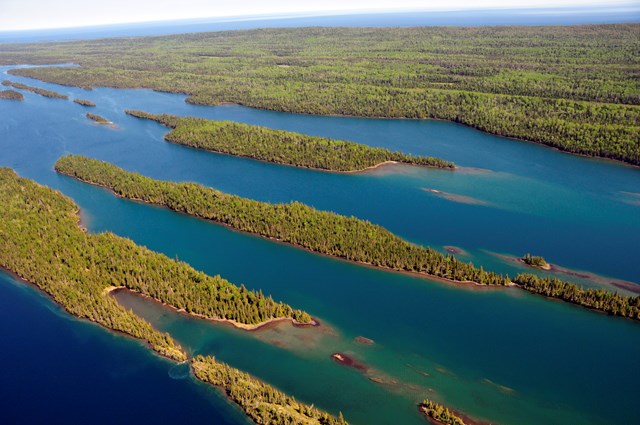
Voyageurs fees, hours and alertsA third of Voyageurs is water, and there is no other way to see it: four big border lakes, hundreds of island campsites, and a culture where "park transportation" means a motorboat, a houseboat, or a kayak off the water taxi. Marinas and boat rentals cluster at the gateway towns (Kabetogama, Ash River, Crane Lake, International Falls); in summer, concessioner tour boats carry the boatless out to Kettle Falls and the island scenery, booked through the park's permitted operators. Navigation is the real skill - the lakes are reef-studded and the channels are marked, but the charts matter. Winter flips the park to ice roads; the boating season is May to October.
05Glacier: the inspection regime
Glacier fees, hours and alertsGlacier boils park boating down to a rule of thumb: a free launch permit plus an inspection at a park station, or no launch - every boat, every time, with proof of a life jacket per person required just to get the permit. Motors are confined to four lakes (McDonald, St. Mary, Two Medicine, Bowman), with a 30-day quarantine for motorized craft; everything else is hand-carried and non-motorized. It sounds like a hassle until you are alone on Bowman Lake at dawn, when it reads as the reason the lake still looks like this.
06Biscayne: the bay park
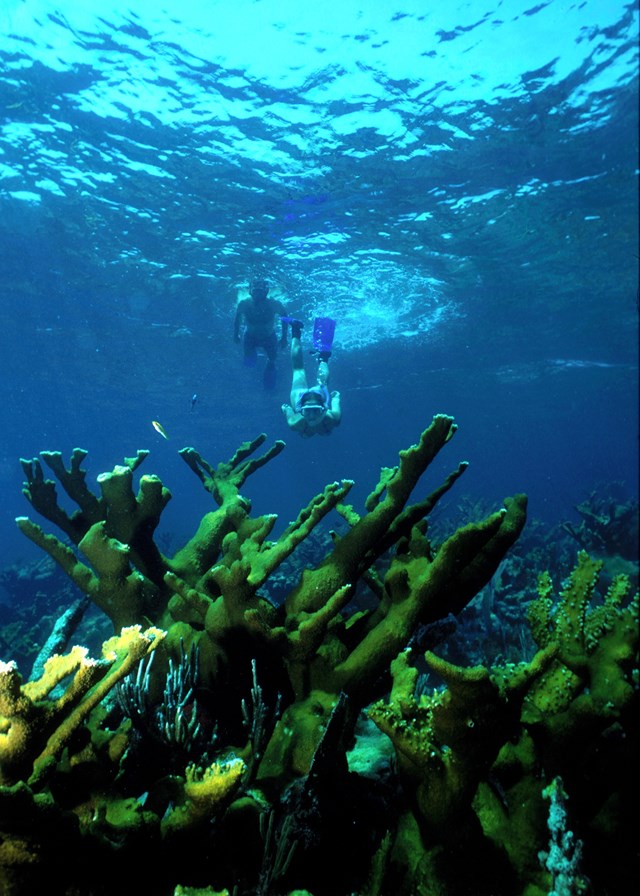
Biscayne fees, hours and alertsNinety-five percent of this park is water, so the park's best neighborhoods are boat-access only: Elliott Key and Boca Chita Key with their island campgrounds, the sandbar anchorage at the Featherbed Banks, the reef line with its mooring buoys. Non-boaters reach the islands on the paid eco-tours run by the Biscayne National Park Institute out of the Dante Fascell Visitor Center - cruises to Boca Chita and its lighthouse, snorkeling trips to the reefs, sailing on the bay - bookable online, at 786-335-3644, or at the park store, with advance reservations advised. The boaters get the anchoring spots and the lobster-buoy culture of South Florida weekends. No-wake zones through the mangroves and manatee areas are signed and enforced.
07Everglades: the backcountry boat
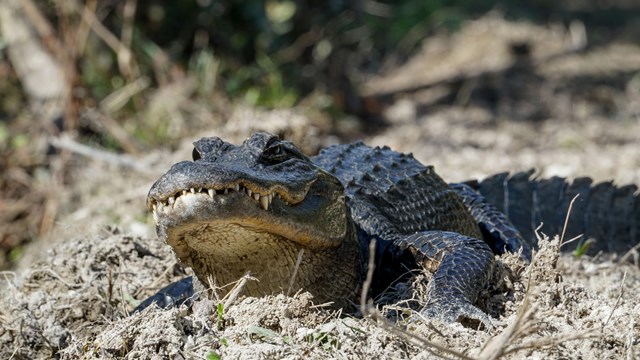
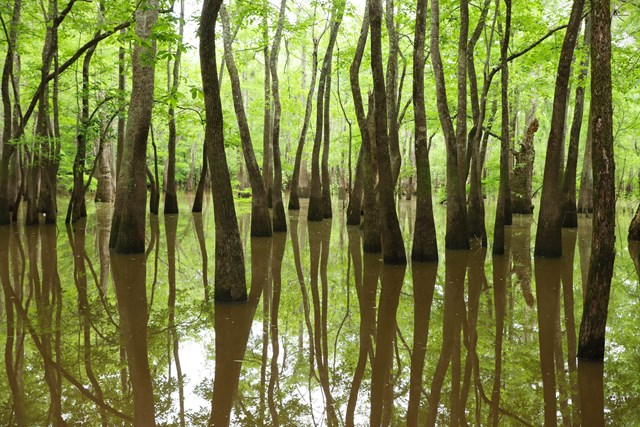
Everglades fees, hours and alertsTwo boating worlds: the Ten Thousand Islands side, a mangrove maze where a skiff and a chart are survival equipment, and the Florida Bay side out of Flamingo, shallow and windy and full of birds. Ramps at Flamingo and Everglades City; no park boat permit, but the backcountry campsites require the wilderness permit, and the marine zones - pole-and-troll, idle speed, closed to entry - are posted and patrolled. Winter is the season.
08Grand Teton: the postcard lake
Grand Teton fees, hours and alertsJenny Lake is the famous one - the shuttle boat crossing to the Hidden Falls trailhead is the park's classic shortcut, and motors there are capped at 10 horsepower - while Jackson Lake takes the real boating: sailboats, cruisers, the Colter Bay marina with rentals, and the park's only water skiing, against the full Teton skyline. The paperwork runs in two layers, and the details trip people up: every watercraft, down to paddleboards, needs a Grand Teton boat permit ($25 non-motorized, $75 motorized for the season, sold on Recreation.gov and at the visitor centers), and Wyoming's AIS decal is required for most craft - but not all. All paddleboards, solid or inflatable, are exempt from the decal, as are non-motorized inflatables ten feet and under; exempt or not, every craft still stops at a park AIS inspection station. The wind off the range in the afternoon is the real regulation.






Also on the water
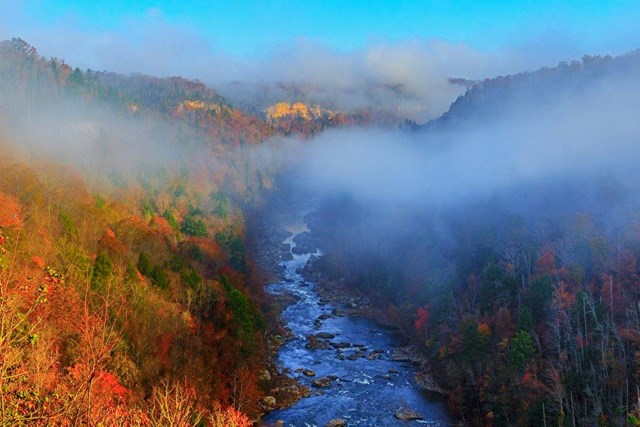
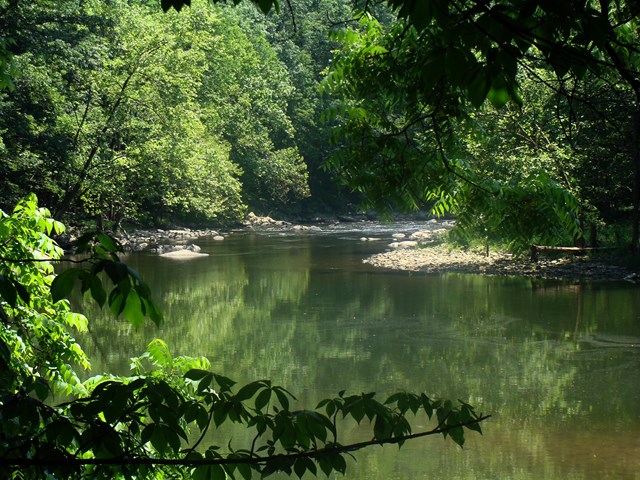
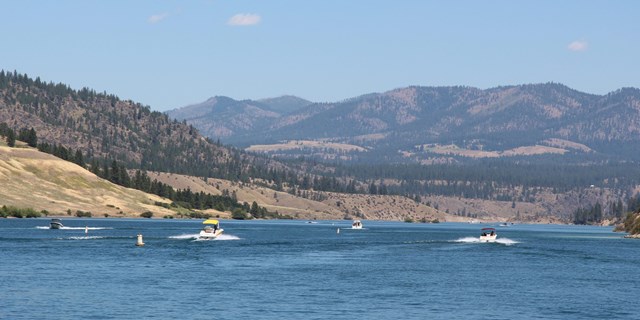
Isle Royale is the Great Lakes cruiser: a wilderness island with docks, moorings and its own chart culture. Curecanti's Blue Mesa is Colorado's biggest lake, Lake Roosevelt stretches 130 miles behind Grand Coulee Dam, and Amistad is the bass tournament lake on the border. The river parks - the Ozark rivers, the Buffalo, the Chattahoochee - run on horsepower limits and no-wake zones; their pages carry the numbers.
How to boat the parks
- 1
Expect the AIS inspection. Yellowstone, Glacier, Grand Teton and the western lakes all inspect, seal and sometimes quarantine boats. Clean, drain, dry before you arrive; a boat that fails inspection does not launch, period.
- 2
Read the motor map. Yellowstone allows motors on two lakes; Glacier on four; many lakes are non-motorized entirely. The park boating page is the rulebook.
- 3
Cold water is the killer. Northern park lakes run in the 40s and 50s into summer. Life jackets are required gear everywhere and the actual difference between a story and a statistic.
- 4
Check ramp status at reservoirs. Mead and Powell's ramps move with the lake level; the parks post what's open.
All 87 parks with boating
The full list is below. Click through for each park's fees, hours, alerts and campgrounds.
Free to enter Charges an entrance feePoints are the Park Service reference point for each unit, not a boundary.