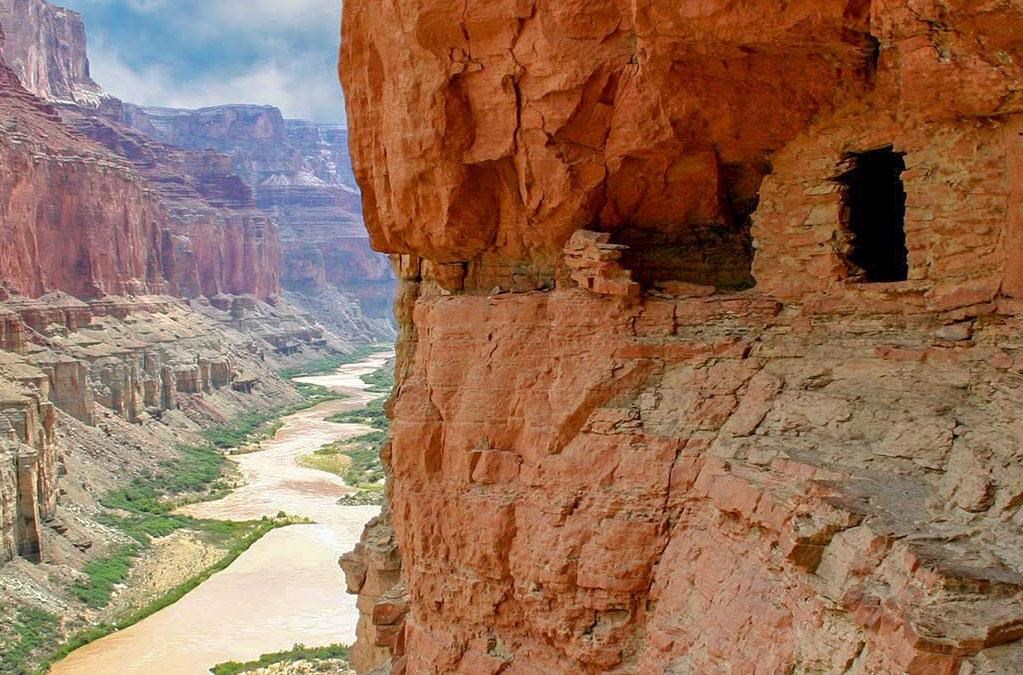
The line between a useful park film and a room to duck into while it rains is what you do after the credits. The first should change the way you see the trail, battlefield, neighborhood or canyon outside. It may explain who lived there long before a boundary was drawn, put a complex campaign on a map, or show geology that a roadside overlook cannot possibly fit in one view.
The Park Service lists 233 units with park films. That does not mean 233 theaters are screening today: a visitor-center movie, a partner museum's paid film and a short accessible video online are different experiences. Check where and when a film actually plays. The full Park Service list is below.
If you have only one short stop, choose a film that answers the question your visit actually raises. At Grand Canyon, whose stories belong at the rim? At Gettysburg, how do three days of fighting fit on a sprawling field? At El Malpais, what does a lava landscape have to do with the living country around it? Those questions make the screen a beginning rather than the attraction you came for.
Nine park films worth planning around
01Grand Canyon: two films, two ways into the place
Grand Canyon fees, hours and alertsThe Grand Canyon Visitor Center has a rare and useful pair. *We Are Grand Canyon* is a 24-minute welcome told with the park's eleven tribal communities. It does not make the canyon's human story an afterthought to a photograph. NPS says it was made with the Intertribal Working Group, the park and the Grand Canyon Conservancy, and lists a free screening at the top of each hour. *Grand Canyon: A Journey of Wonder*, another 24 minutes, is a rim-to-river orientation introducing geology, ecology, human history and preservation; NPS lists it on the half hour, also free.
If you have time for only one, choose the tribal-community welcome before walking the South Rim. If you have an hour, see both and compare what each puts in the foreground. Neither film substitutes for checking trail water, weather or shuttle access if you intend to go below the rim. NPS also links an online version of *We Are Grand Canyon*, useful for someone who cannot make the theater. Confirm the day's visitor-center hours and screenings before treating the published cadence as a reservation.
02Gettysburg: pay for the context, not the battlefield
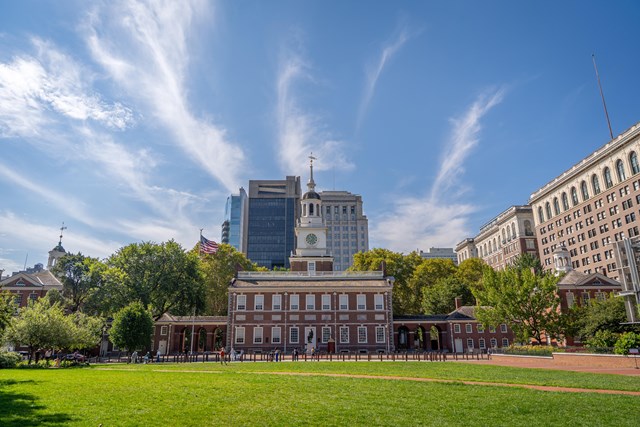
Gettysburg fees, hours and alertsAt Gettysburg, *A New Birth of Freedom* is a 20-minute film narrated by Morgan Freeman. Its job is to make the Battle of Gettysburg legible before you drive or walk the ground. It sits inside the Gettysburg Foundation's Museum and Visitor Center experience with a Civil War museum and the enormous Cyclorama painting of Pickett's Charge. NPS describes summer film showings every 15 minutes and winter showings every 30 minutes, but that page was last updated in 2023; use the Foundation's current ticket calendar for a real visit.
The important distinction is price and ownership. The battlefield and visitor-center building are free to enter, while the film, Cyclorama and museum require a separate ticket. An interagency park pass does not cover that partner-operated experience. It is a worthwhile first stop if the battle's geography is unfamiliar; it is not a prerequisite for visiting a battlefield overlook or the national cemetery. Buy the experience because you want its interpretation, not because it is the only way to see the battlefield.
03Valley Forge: a short film before the encampment landscape
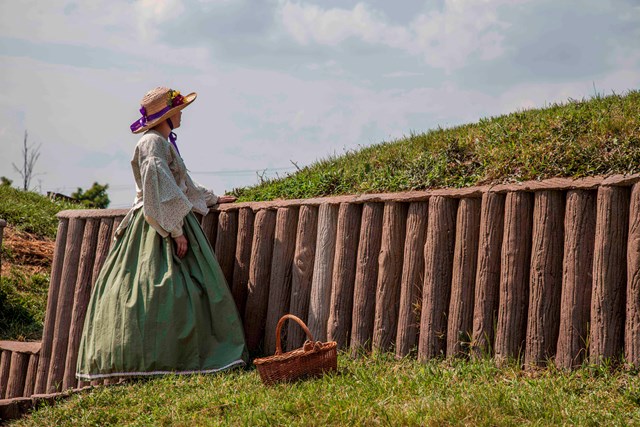
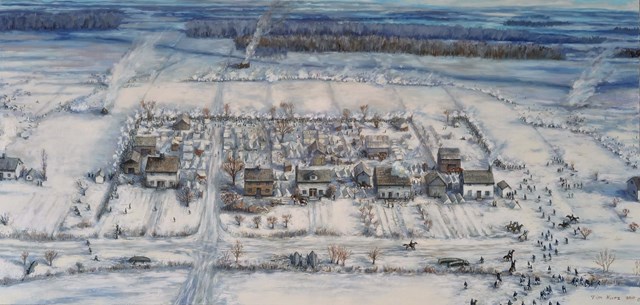
Valley Forge fees, hours and alertsValley Forge screens *Determined to Persevere: The Valley Forge Encampment*, a 19-minute orientation to the Continental Army's winter of 1777-78. Its NPS theater sits in a separate building near the visitor center, not inside the exhibit gallery. As listed on the park's hours page in September 2026, the film is free and runs every half hour from 9:30 a.m., with a last show at 4:30 p.m.; the film can also be watched online.
This is a particularly good film-first visit. The park's huts and broad grounds can look deceptively serene if you arrive without the army's shortages and choices in mind. Watch, then go to Muhlenberg's Brigade and see what a reconstructed hut does and does not tell you. The theater has an accessible ramp; NPS says the film is captioned and audio description is available. Check holiday and weather changes before making the show itself the centerpiece of a trip.
04Vicksburg: campaign orientation before the road
Vicksburg fees, hours and alertsVicksburg offers *Here Brothers Fought*, a free 20-minute film about the Vicksburg campaign in its visitor-center auditorium. The park's film page describes a half-hourly cadence, closed captions, assisted-listening devices and an accessible auditorium. It has not been updated since 2017, so verify the actual start times with the visitor center rather than repeating an old minute-by-minute schedule.
The film earns its stop because a campaign is not one battlefield scene. A visitor who begins with the siege, geography and sequence can read the memorials and earthworks more thoughtfully on the drive. Watch before taking the tour road, then use the park map to place the ground you pass into the story. If the film is unavailable, ask for the visitor-center map rather than abandoning the park; the screen is context, not access control.
05Great Smoky Mountains: the easiest 20-minute reset
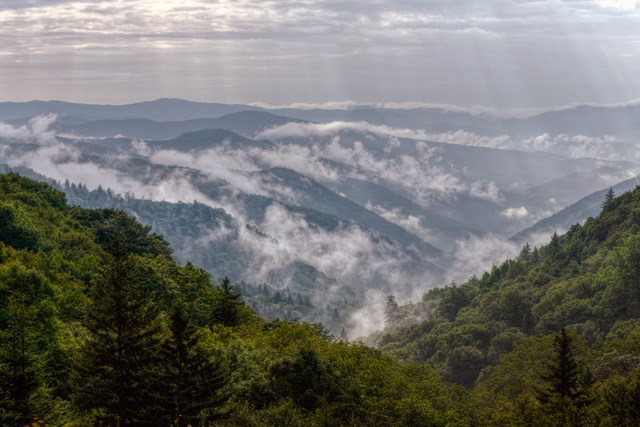
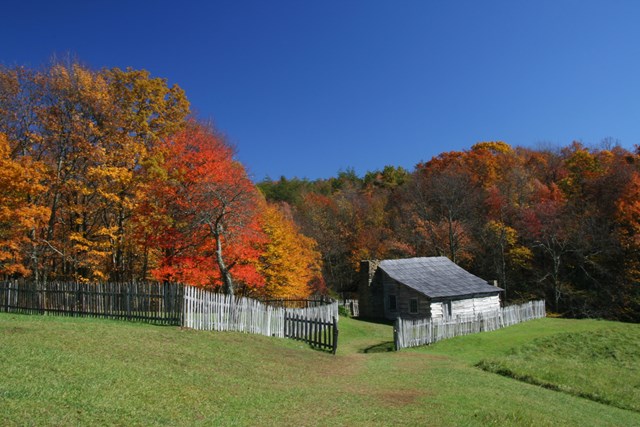
Great Smoky Mountains fees, hours and alertsThe Great Smoky Mountains NPS itinerary begins at Sugarlands Visitor Center, where visitors can pick up a map, walk through the museum or watch a free 20-minute park film. This is the unglamorous but valuable version of the genre: a manageable stop when you enter near Gatlinburg, before choosing between a short nature trail, a waterfall or a much longer mountain drive.
The visitor center is also where a film's limits become useful. A beautiful shot cannot tell you whether today's road or trail is closed. Watch for a sense of the park, then ask the desk about the route you intend to take and check current notices. Sugarlands is one gateway, not a reason to detour across the entire park just to see a film. Check operating hours and the screening with staff when your visit is outside a typical daytime window.
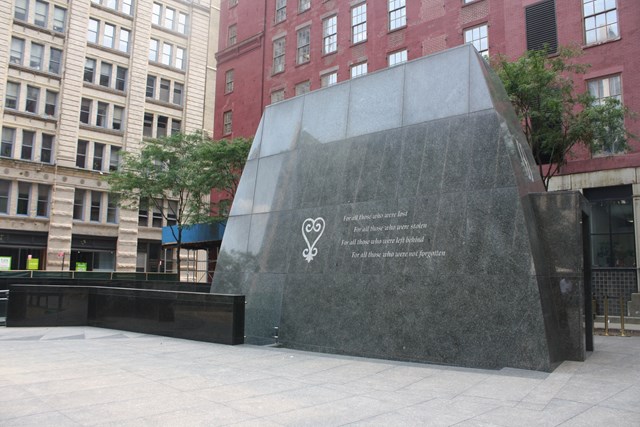
06African Burial Ground: a city monument that asks for attention
African Burial Ground fees, hours and alertsAt African Burial Ground National Monument in Lower Manhattan, the visitor center has exhibits on archaeology, colonial enslavement and civic engagement alongside a park movie listed as about 20 minutes. The NPS video gallery offers an introductory film, *Our Time At Last*, online at 21 minutes and 15 seconds. The two runtime descriptions differ slightly; use the online listing for that exact file and ask staff which version screens on site.
This is not a background film to play before lunch. Watch it with time to visit the outdoor memorial and to sit with the evidence the exhibits present. The visitor center is at 290 Broadway inside a federal building, and NPS warns of airport-style security, potentially including ID and removal of shoes. Build that into a short city visit. Do not assume the outdoor memorial and indoor center have identical access hours.
07El Malpais: a film with an online and on-site path
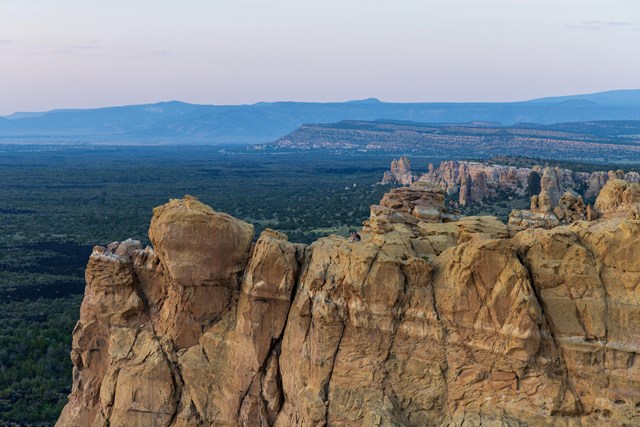
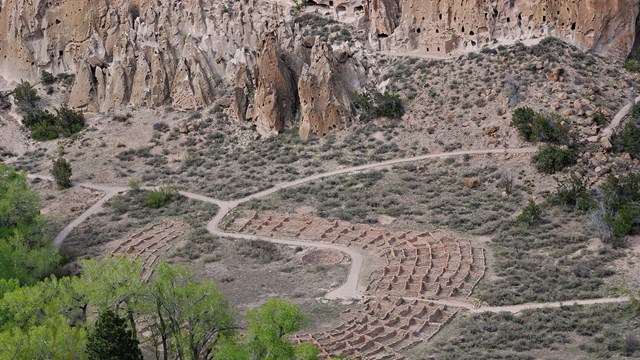
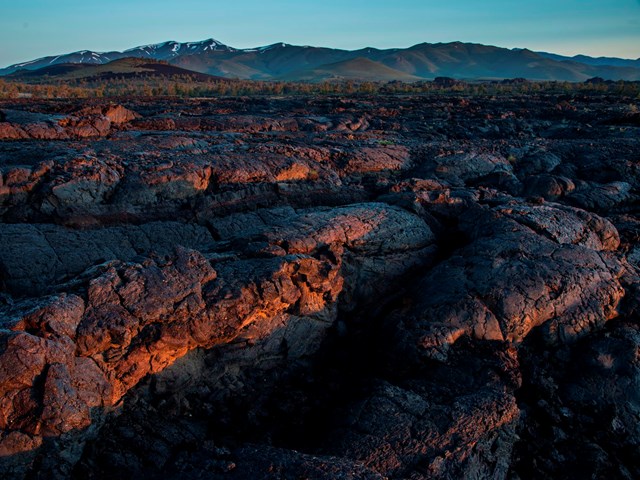
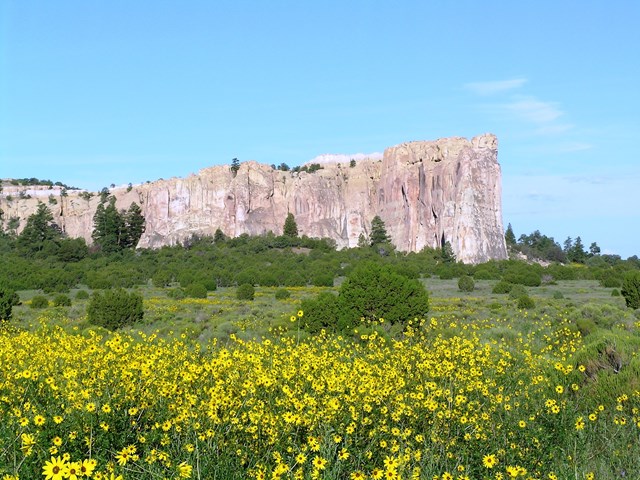
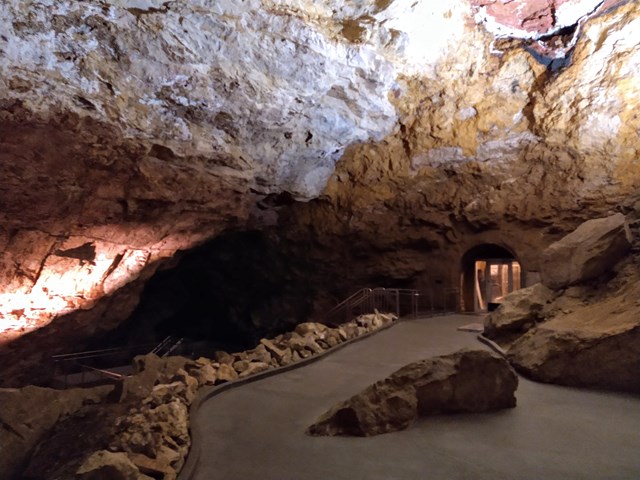
El Malpais fees, hours and alertsEl Malpais calls its film *Land of Frozen Fire*. It takes the visitor through lava fields, sandstone cliffs and ancient trails, with geology explained through local expert interviews and animation. NPS makes it available both online and at the visitor center, in English and Spanish, with closed captions and audio description. The park's 2023 premiere notice described it as 15 minutes; check the present page or visitor center for the version in use.
This is one of the cleanest examples of a film that helps before a trip. Watch at home and arrive knowing why the apparently hard, black lava supports life and carries human routes. Or watch inside the visitor center before taking one of the monument's walks. The point is to look for details in the ground afterward, not to claim every lava route is accessible, open or safe just because it appeared on screen.
08Olympic: orient yourself before the park splits in three
Olympic fees, hours and alertsAt Olympic, the main visitor center's NPS brochure recommends its orientation film alongside exhibits, ranger advice and the Discovery Room. The park's coast, mountains and rain forest are far enough apart that choosing a day's destination matters more than ticking off every ecosystem in one afternoon. A film can reveal the connections, then a ranger and current road notices can help choose one reachable part of the park.
NPS accessibility guidance says assistive-listening and audio-description devices are available for visitor-center films. Ask the desk about the specific film and today's screening. The brochure is not a reliable live schedule, and a film about the coast cannot shorten the drive from Port Angeles to a trailhead. Watch it to decide what matters to you, not to assume all three landscapes are one quick loop.
09Acadia: watch ahead, not at a presumed theater
Acadia fees, hours and alertsAcadia has an official movie, *Acadia Always*, on its NPS video pages. NPS says it was previously shown at Hulls Cove Visitor Center before the center's 2019 renovation. That careful past tense matters. The film is a useful preview of coast, mountain and park history, but its online listing is not evidence that Hulls Cove currently runs it in a theater.
Watch it before leaving home, then use the visitor center for the practical choices a recorded film cannot settle: current parking, road and trail access, and a route that matches your day. Acadia illustrates why you should check how and where a film is available. An official movie can remain worth seeing after its original screening venue changes.



Choose the film by the visit you want
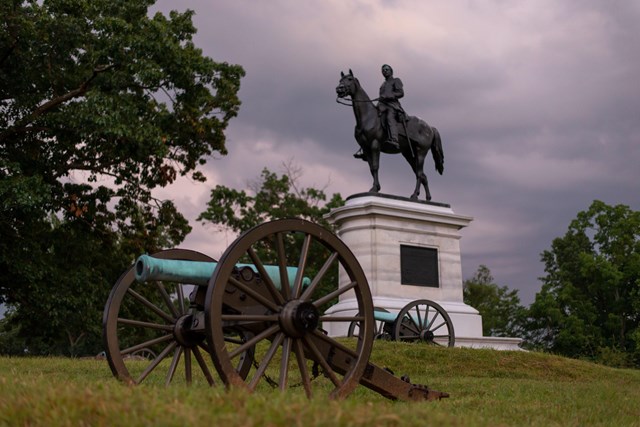
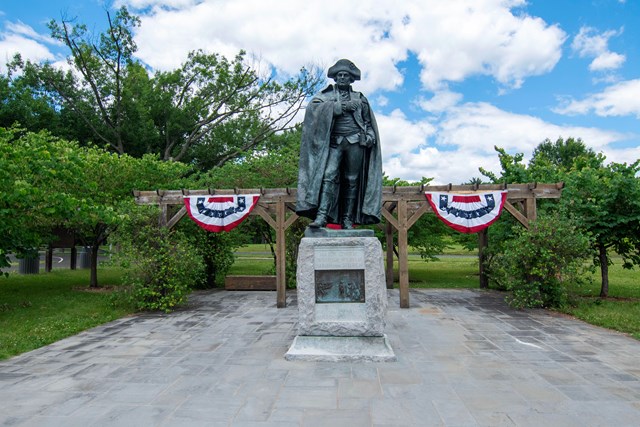
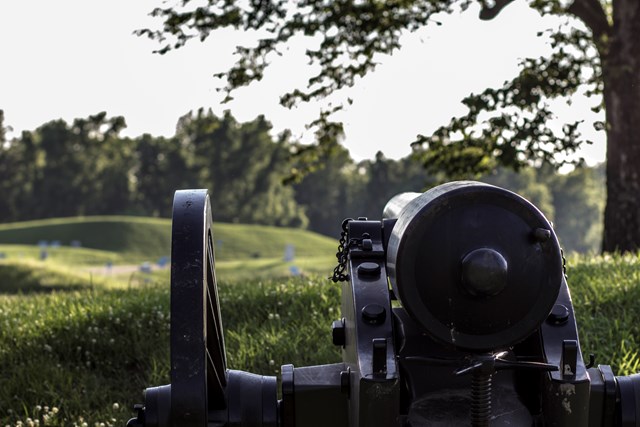
For a history-heavy day, start with an orientation that will make the physical site readable: Gettysburg for the battle and Cyclorama, Vicksburg for a campaign, or Valley Forge for the encampment. These do not all follow the same admission model. Gettysburg's partner experience is ticketed; Vicksburg's and Valley Forge's films are listed as free. The question is not which screen is grandest. It is whether the twenty minutes will help you understand the next two hours outside.
For a story that changes who you hear, make time for *We Are Grand Canyon* and African Burial Ground's introductory movie. Both begin with people rather than treating a place as empty scenery. Each calls for a different visit afterward: a canyon rim where many communities remain connected to the land, and a New York memorial tied to a history buried under a city. A film's perspective is part of its value; do not reduce either to an interchangeable "intro video."
For nature and geology, El Malpais gives a strong online/on-site choice. Sugarlands offers a compact introduction at one Smokies entrance. Olympic's orientation is most useful as a planning aid because its destinations are so spread out. Acadia works as pre-trip viewing rather than a promised visitor-center screening.
For access needs, verify the actual version. Valley Forge lists captions and audio description; Vicksburg lists captions and assisted listening; El Malpais lists Spanish, captions and audio description. Olympic points visitors toward devices at the desk. An online player may have different controls than an auditorium, and an old park page may not describe the version currently shown. Ask for the accommodation at the site rather than assuming every video has the same features.
What a park-film listing does not tell you
A theater's posted frequency is not a seat guarantee, particularly when its web page has not been refreshed for years. A film available online is not necessarily screening on site: Acadia makes that plain. A free park entrance is not the same as a free museum film: Gettysburg makes that plain. And a theater renovation or visitor-center closure can change where a film is shown. Check the official film or visitor-center page, then current hours, alerts and any partner ticket page close to the visit.
There is a second editorial trap: choosing a film because the title sounds like an attraction, then never carrying its questions into the park. The best sequence is simple. Watch the film before the first major stop. Pick one claim or image you want to test outside. Ask a ranger for a place to see it. A twenty-minute screening has paid for itself when the next overlook or historic room looks different.
All 233 Park Service units that list a park film
Below is every Park Service unit that lists a park film. A listing does not guarantee a current theater, screening or ticket. Follow a park card to current visitor-center information before planning around a particular film.
Free to enter Charges an entrance feePoints are the Park Service reference point for each unit, not a boundary.







































Keep planning
- Grand CanyonChoose between the tribal-community welcome and a rim-to-river orientation.
- GettysburgSeparate the free battlefield from the partner's ticketed film and museum.
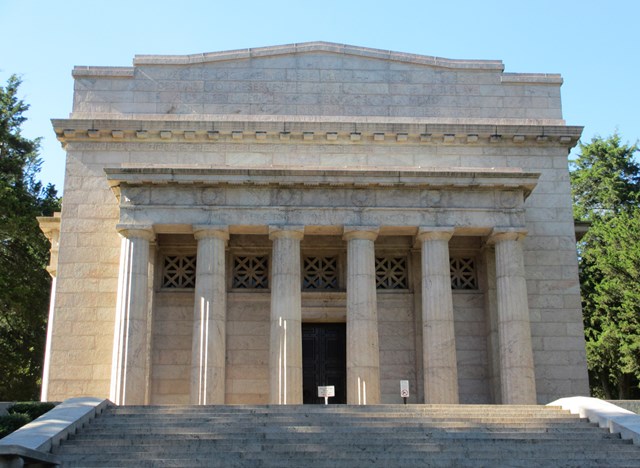
- Valley ForgeWatch the encampment film before walking the huts.
- El MalpaisPreview the lava landscape online or at the visitor center.