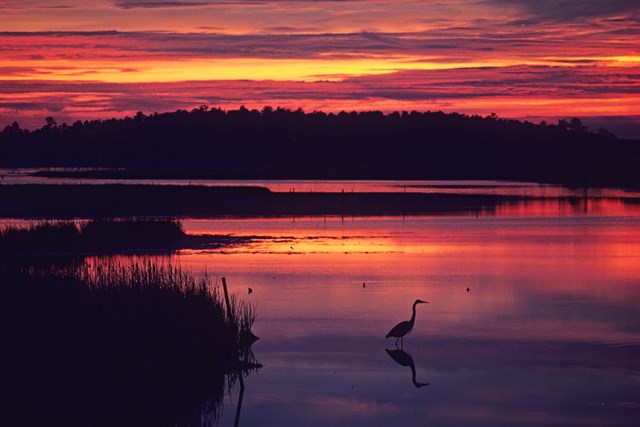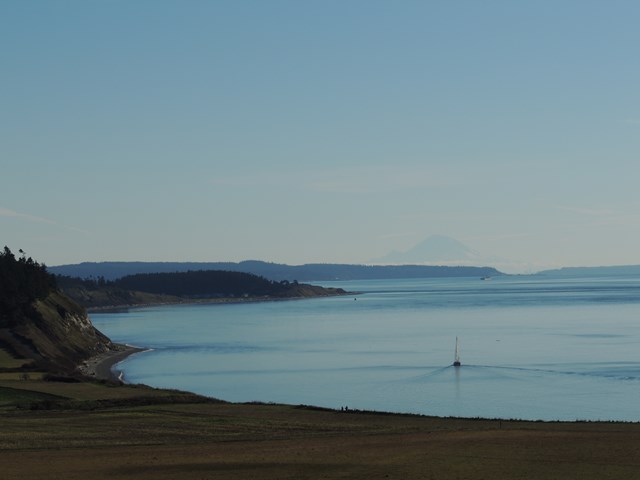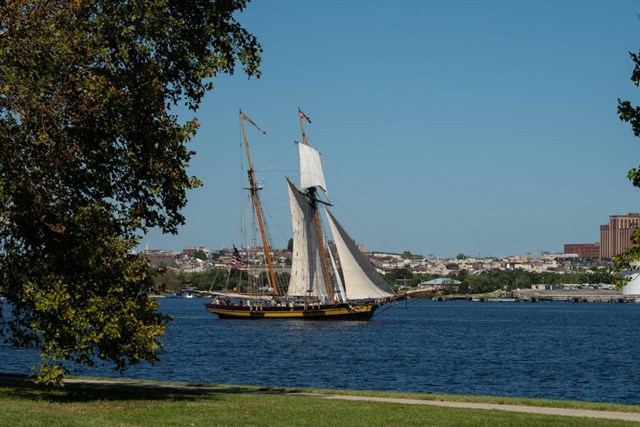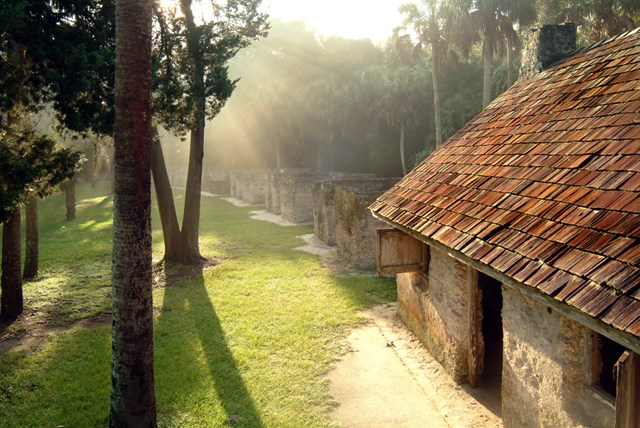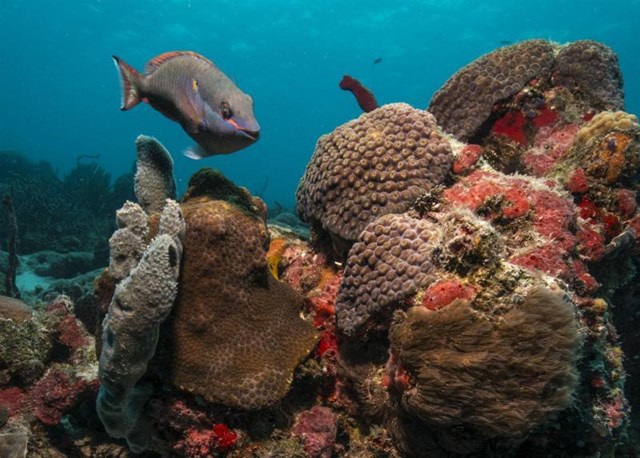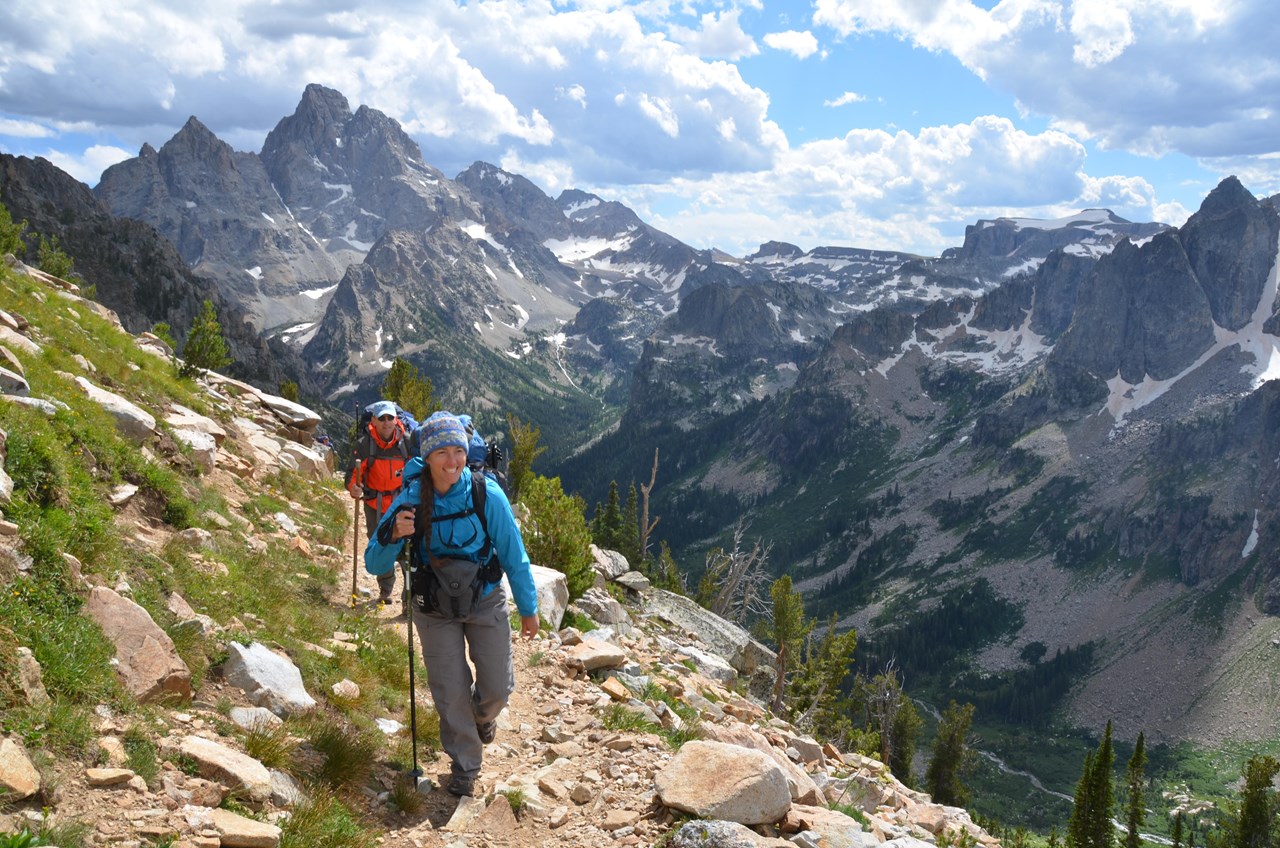
The paddleboard is the newest way onto park water and, on a calm morning, the best seat in the house. Standing gives you a sightline a kayaker never gets - down into the water, over the reeds, across the flats - which is why thirty-three Park Service units now list SUP as its own activity, from Tetons lakes to Caribbean bays. The board is also honest about physics: it is easy to learn on flat water and genuinely hard the moment the wind stands up.
The ten parks below are chosen for protected water, scenery worth the balancing act, and rental fleets that spare you the airline bag fee. Each says where to launch and what the rules are. The full directory follows.
The ten best national parks for stand-up paddleboarding
01Grand Teton
Grand Teton fees, hours and alertsString Lake is the finest beginner SUP water in the park system: shallow, clear, warm by Teton standards, ringed by the range, and connected to Leigh Lake by a short paddle for when you want the postcard without the road. Jenny and Jackson lakes handle the bigger water. The rules treat a paddleboard like the vessel it is: every board needs a park boat permit, and everything that floats gets an aquatic-invasive-species inspection at the gate stations. Rentals cluster around the lake lodges, mornings are glass, and the afternoon wind converts the same water into an ab workout.
02Glacier
Glacier fees, hours and alertsLake McDonald at 7 a.m. is ten miles of mountain-flanked calm with rocks the color of hard candy visible twenty feet down, and it is the best SUP mile in Montana. Two Medicine and Swiftcurrent lakes do the same trick on the east side with fewer people. The park's rule is absolute: every watercraft, paddleboard included, must pass an aquatic-invasive-species inspection before launching - the headwaters of three continental watersheds meet here and the park is not taking chances with them. Inspection stations run in season at the major entrances. The season itself is the other constraint: these lakes stay cold into July, and the wind arrives on schedule after lunch.
03Lake Mead
Lake Mead fees, hours and alertsThe desert's answer to the paddleboard, in two very different temperatures. On Lake Mead proper, Boulder Basin's sheltered coves sit minutes from Las Vegas with summer water warm enough to fall into happily, which on a SUP you will. The famous alternative - the Black Canyon Water Trail below Hoover Dam - is a different sport: that's the Colorado River along Lake Mohave, where the park's paddling page warns the waterway can change quickly from flat calm to strong current with rapids, the water runs cold (low 50s Fahrenheit) year-round, and every occupant of a hand-propelled craft between Hoover Dam and River Mile 43 must WEAR a Coast Guard-approved PFD underway - on a paddleboard, that means on you, not under the bungees. Willow Beach is the launch (upstream to coves, hot springs and Emerald Cave; Sundays and Mondays the reach north is motor-free), and launching directly below the dam requires a permitted outfitter. The desert rule still applies - paddle at dawn, hide at noon - and the park entrance pass covers the rest; paddleboards are even exempt from the invasive-species decal.
04Biscayne
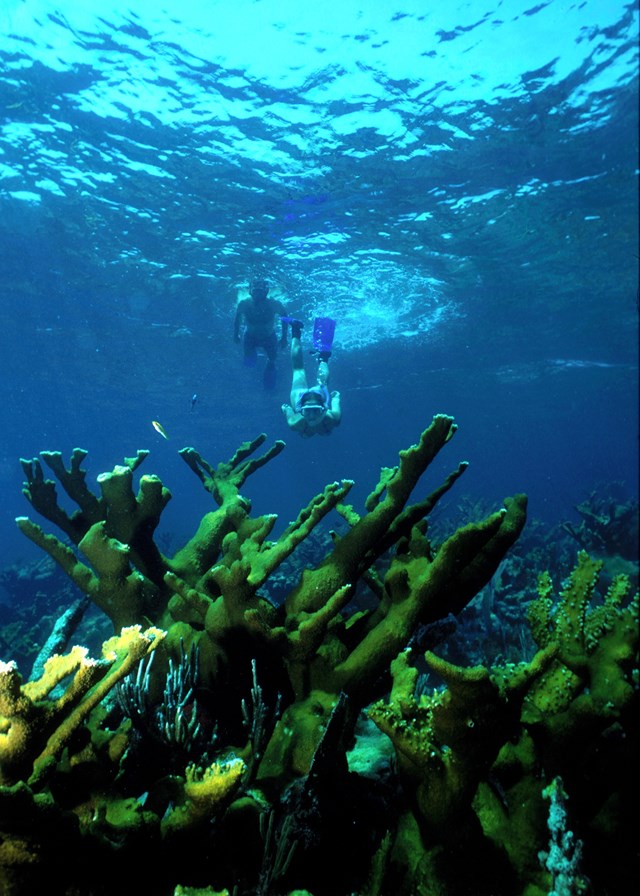
Biscayne fees, hours and alertsA national park that is 95 percent water, and the best of it is too skinny for motorboats: the mangrove shorelines and seagrass flats along Biscayne Bay, where a paddleboard slides over turtle grass, juvenile sharks and the occasional manatee in three feet of gin-clear water. The park's own paddle guidance is precise about what launches where: from the mainland (Convoy Point by the Dante Fascell Visitor Center, Black Point, or Snowden's Bridge) you explore the mangrove shorelines like Crocodile Creek; the famous Jones Lagoon - upside-down jellies, sea stars, spoonbills - is reached by taking your paddlecraft by power boat to Caesar Creek first, and the open-bay crossing to the keys is flagged for expert paddlers who prepare very well. Treat the lagoon as a boat-assisted trip, time the wind (afternoon sea breeze, daily), and bring reef-safe sun protection, because there is no shade at sea level.
05Indiana Dunes
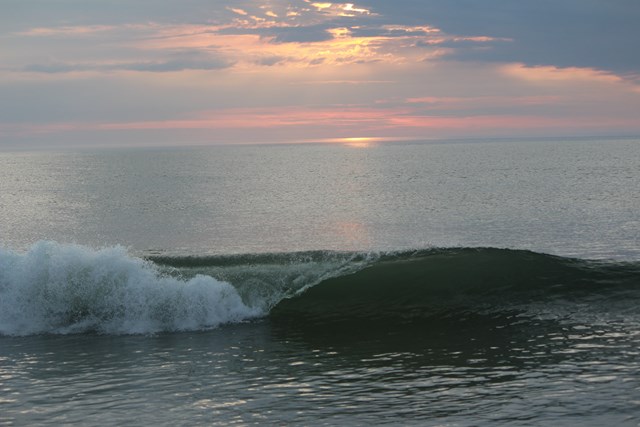
Indiana Dunes fees, hours and alertsFifteen miles of Lake Michigan shoreline an hour from Chicago, and on a calm summer morning the lake forgets it is an inland sea and becomes a paddleboard pond: flat, sandy-bottomed, swimmable, with the dunes rising behind the beach. West Beach and the launches along the park's beach access points put you straight onto the water. The trick is reading the lake - when the wind shifts onshore, Lake Michigan builds surf fast and the same beach turns into a washing machine. Check the swim and wave forecasts, go early, and the third-largest lake in America behaves like a resort pool.
06Cape Cod
Cape Cod fees, hours and alertsThe ocean side of the Cape is surf country; the SUP secret is everything else. The Cape's kettle ponds - glacier-dug freshwater basins scattered through the seashore's woods - offer warm, calm, motor-free water ringed by pine, and the bayside flats at low tide run for a mile at knee depth. Launch at Gull or Higgins ponds for the freshwater, or the town landings on Cape Cod Bay for the tidal version. Summer water is the warmest in New England, the ponds never build a real wave, and the seashore's beaches handle the after-paddle part of the day.
07Whiskeytown
Whiskeytown fees, hours and alertsThe lake that behaves. Whiskeytown sits in the northern California hills with clear water, a full pool through the season, 36 miles of shoreline and surface temperatures that hit actual swimming range by midsummer - a combination so rare in the state's reservoir lottery that locals treat it as a public utility. Brandy Creek and Oak Bottom are the beach launches, the coves stay protected from the valley wind, and SUP rentals operate right at the marina. It is the easiest yes on this list for a first-timer, and the waterfall hikes off the same shore cover the afternoon.
08Channel Islands
Channel Islands fees, hours and alertsScorpion Anchorage on Santa Cruz Island works as well for boards as it does for kayaks: a sheltered landing, gear on the beach, guides if you want them, and sea caves and kelp beds within a few strokes of the sand. Standing up turns the kelp forest into an aquarium window - garibaldi, seals and rays pass under the board in clear water - and the caves take on a second meaning when you duck your head instead of a paddle blade. The island boat from Ventura is the only way over, which keeps the crowds curated and the water uncrowded.
09Curecanti
Curecanti fees, hours and alertsBlue Mesa Reservoir is the largest body of water in Colorado, twenty miles of high-desert lake between mesa walls, with arms and coves that hide from the afternoon wind if you know where to look - the Lake Fork and the Elk Creek area are the sheltered starts. At 7,500 feet the season runs June to September, the water stays bracing, and the kokanee salmon fleet motors past while you take the quiet corners. It is Colorado's biggest lake with a fraction of the Front Range reservoir crowds, and the canyon walls at the east end preview what the Gunnison does downstream.
10Virgin Islands
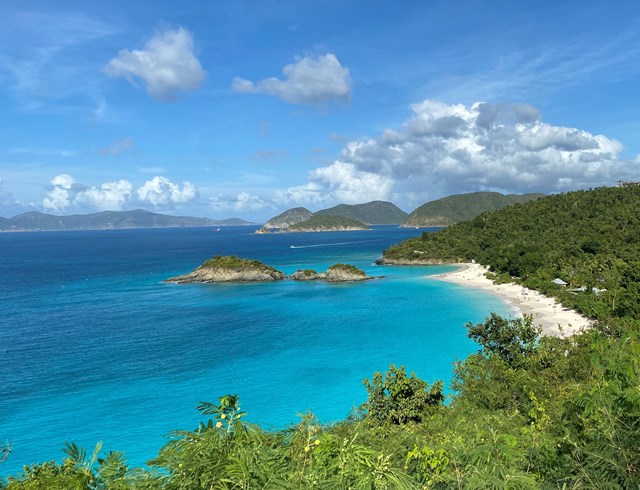
Virgin Islands fees, hours and alertsThe warm-water finale. Maho and Francis bays on St. John are the Caribbean ideal of SUP: flat, clear, waist-to-chest-deep over seagrass where sea turtles surface next to the board, with the national park's green hills on three sides and no development on the beach. Rentals sit right on Maho's sand, lessons are unnecessary for anyone who can stand, and the crossing between bays makes a beginner feel like an explorer. It is the one park on this list where falling in is the best part.







How to SUP a national park
Chase flat water, not famous water. The sport's whole equation is wind: under 10 knots is recreation, over 15 is suffering. Every park on this list has a protected option - the pond instead of the bay, the cove instead of the open lake, the morning instead of the afternoon. Take it.
Treat the board as a vessel, because the parks do. In Grand Teton a SUP needs the same boat permit as a motorboat. In Glacier every board gets an invasive-species inspection. The Coast Guard counts a paddleboard outside the surf zone as a vessel too, which is why the life jacket and leash rules apply. Ten minutes with the park's boating page before you drive beats the roadside surprise.
Rent first, buy never (at altitude). Inflatable boards fly poorly as luggage and pump up poorly at 8,000 feet. Every park town on this list rents decent boards for less than the airline's oversize fee.
Dress for the swim. You will fall in; that is the sport. On cold lakes - Glacier, the Tetons, Superior - that means a wetsuit or a very short session. The leash is not optional anywhere: it is what keeps the wind from taking your board, which is to say your flotation, away.
A short history of standing up
Standing on a floating thing with a pole is older than history - fishermen from Peru to China have done it for millennia - but the modern sport is Waikiki's invention. The beachboy surf instructors of the 1940s and 50s stood up on their longboards to photograph tourists and keep an eye on their classes, paddle in hand, and called it beachboy surfing. It stayed a local habit until the 2000s, when big-wave surfers like Laird Hamilton adopted it for small-wave days and equipment makers noticed something rare: a board sport a total beginner could enjoy in an hour.
The inflatable board finished the job, folding a 10-foot craft into a backpack, and by the 2010s SUP had colonized every calm lake in America, parks included. The Park Service caught up in the usual way - permits, inspections, a line in the activity list - and the result is thirty-three units where standing on the water is now an official way to see the place.
All 33 parks with stand-up paddleboarding
Every Park Service unit with SUP in the official record is below. The pattern to notice: the good ones all have protected water - a pond, a cove, a bay, a lagoon. Pick your wind window and the board does the rest.
Free to enter Charges an entrance feePoints are the Park Service reference point for each unit, not a boundary.