The best cycling in the parks happens when the cars leave. One hundred sixty-six Park Service units list biking, but the rides people remember are the car-free windows: Cades Cove's all-day car-free Wednesdays (May 6 to September 30 in 2026), the Going-to-the-Sun Road in spring while the plows are still above you, a carriage road network a millionaire built to ban automobiles. Park roads themselves run narrow and shoulderless, built for 1930s traffic at 1930s speeds - so the sport here is picking the roads, paths and hours where the bike wins.
The ten parks below are where riding is the main event, from 15-mile tram roads to 444-mile parkways. Each entry flags the catch: the window, the shuttle, or the hill. The full directory follows.
The ten best national parks for biking
01Great Smoky Mountains
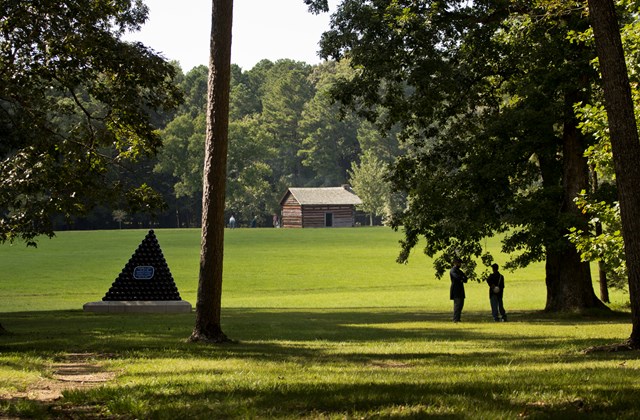
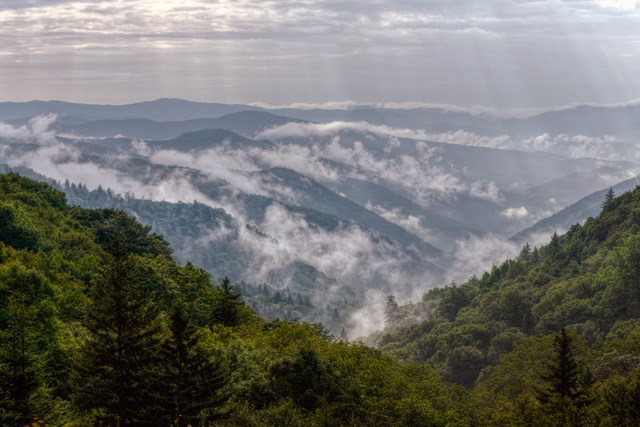
Great Smoky Mountains fees, hours and alertsEvery Wednesday in season - all day, May 6 through September 30 in 2026 - the 11-mile Cades Cove Loop Road closes to motor vehicles, and the most-visited valley in the Smokies belongs to bicycles: rolling pavement past log cabins, hayfields and deer, with the mountains stacked around the rim and no RV mirrors to negotiate. It is the best weekly ride in the system, and the word is out - arrive early or ride late. The rest of the week the loop is a slow parade of cars, so Wednesday is not a suggestion; it is the whole strategy. The park's gravel backroads, like the old forge country out of Townsend, keep the strong legs busy the other six days.
02Acadia
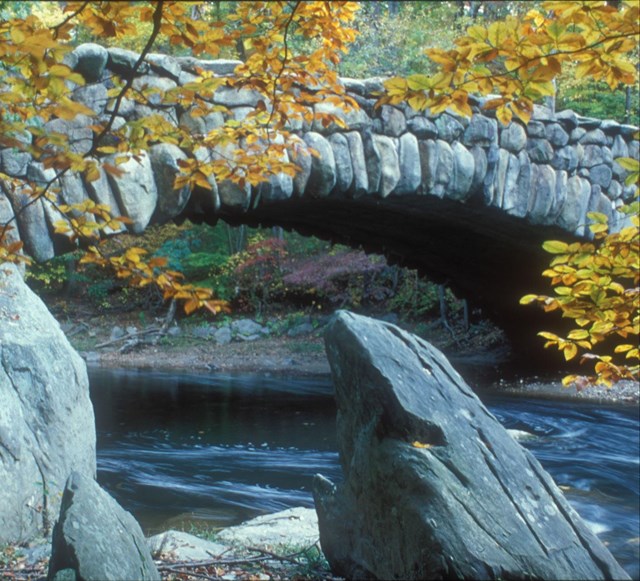
Acadia fees, hours and alertsForty-five miles of crushed-stone carriage roads, built by John D. Rockefeller Jr. so automobiles would never touch them - and they never have. The roads roll through the island's woods and over its granite bridges, link the ponds and the Bubbles, and add up to the finest purpose-built ride in the East: no cars, no billboards, grades gentle enough for kids and views that stop adults. Class 1 e-bikes are allowed, bike rentals cluster in Bar Harbor, and the loop around Eagle Lake is the perfect first lap. Fall turns the whole network into a color tunnel with the crowds gone.
03Glacier
Glacier fees, hours and alertsFor a few weeks every spring, the most beautiful road in America is a bike path. While plows work the high country, the Going-to-the-Sun Road opens to bicycles as far as the plow line - pavement without cars, waterfalls coming down the walls, and the Alps-of-America scenery that summer drivers only glimpse between guardrails. Ride from the west side toward Logan Pass, stop at the plow, coast back. The window moves with the snow (May and June, typically), the park posts the plow status, and the catch is the return: everything you climb, you also descend, at speed, grinning. Summer riding is allowed on the road's edges, but spring is the legend.
04Yosemite
Yosemite fees, hours and alertsYosemite Valley's 12-plus miles of paved bike paths are the park's secret transit system: flat, scenic, and immune to the summer traffic that traps the cars. A cruiser gets you from Yosemite Falls to Mirror Lake to Happy Isles with the cliffs overhead the whole way, and the rental stands at the Valley lodges hand over bikes by the hour. This is not sport riding - it is the best way to see the Valley, full stop, at kid pace with a picnic on the rack. The speed limit is 15 mph and the photo stops are frequent. September light, empty paths, same cliffs.
05Everglades
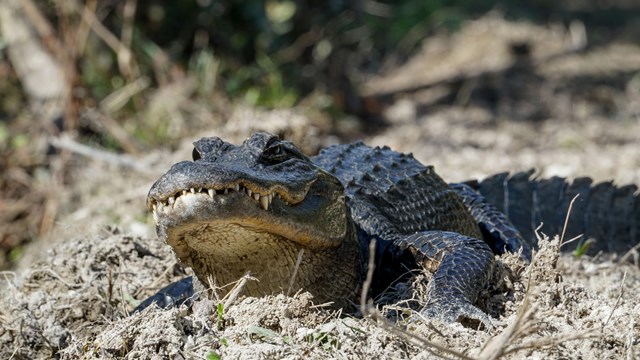
Everglades fees, hours and alertsShark Valley's 15-mile tram road is the strangest great ride in the system: a dead-flat loop on an old oil-exploration road through the River of Grass, with alligators sunning on the pavement, herons over every slough, and an observation tower at the far end over the whole shining marsh. Ride it in the dry season (December through April), bring more water than seems reasonable, and give the alligators the lane - they were here first and the signage agrees. Bobcat Boardwalk and the other short trails near the visitor center fill out the day.
06Chesapeake & Ohio Canal
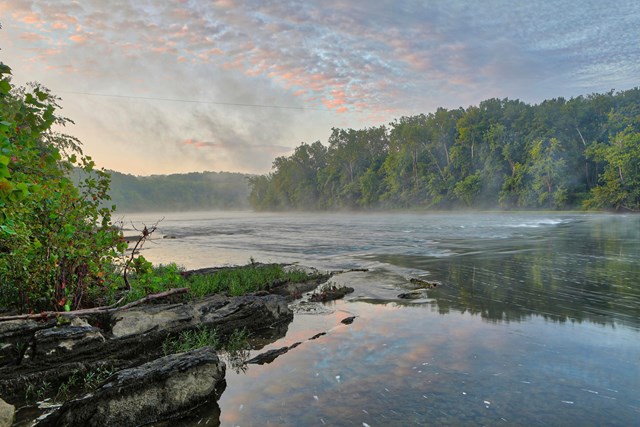
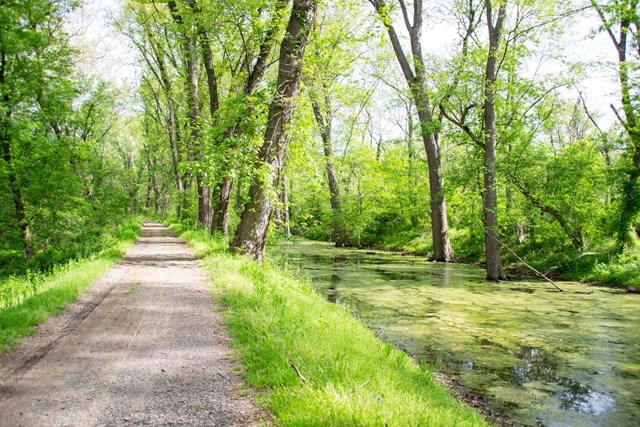
C&O Canal fees, hours and alertsOne hundred eighty-four and a half miles of nearly flat towpath from Georgetown to Cumberland, shadowing the Potomac past lockhouses, aqueducts and the Paw Paw Tunnel - the original long-distance park ride. The surface is packed dirt and gravel (bring the right tires, not the skinny ones), the camping is free at hiker-biker sites spaced along the canal, and the logistics are the easy kind: ride any section out and back, or do the whole thing in four or five days with towns for lunch. Fall is prime; summer is green tunnel; spring is mud roulette.
07Cuyahoga Valley
Cuyahoga Valley fees, hours and alertsThe Ohio & Erie Canal Towpath Trail runs the length of the park: 20 miles of flat, crushed-limestone path through the valley between Cleveland and Akron, past canal locks, covered bridges and the beaver marsh, with a scenic railroad running alongside that will haul you and your bike back to the start for a few dollars - the best shuttle trick in the system. It is the Midwest's most complete park ride, four-season, all-ages, and proof that a national park in an urban seam can still feel like countryside.
08Grand Teton
Grand Teton fees, hours and alertsThe park's paved multi-use pathway runs from Moose to Jenny Lake along the base of the range - eight miles of smooth path with the Tetons doing their one trick the whole way - and links to the wider valley pathway system for longer, car-free days. It is the rare national park ride that works for a loaded touring bike or a tag-along trailer, and the morning light on the range rewards the early start. Road cyclists add the Teton Park Road in spring and fall, when traffic thins and the elk own the meadows.
09Zion
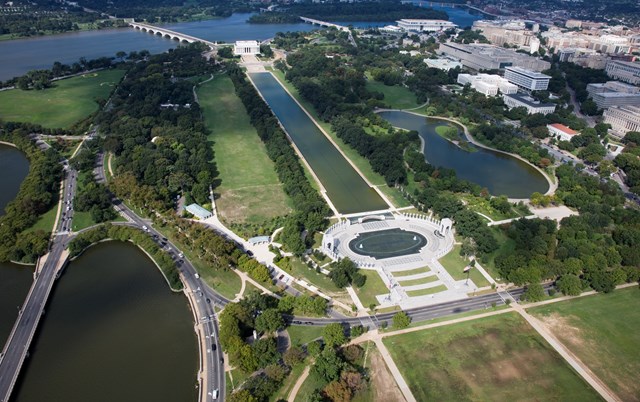
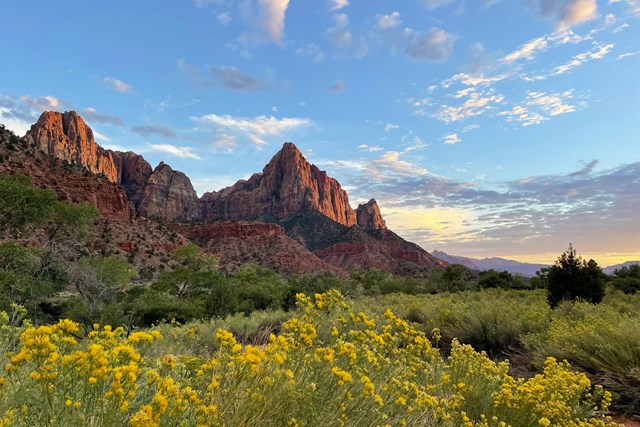
Zion fees, hours and alertsThe Pa'rus Trail is Zion's bike-legal gem: a paved path up the lower canyon along the Virgin River, under the same walls the shuttle crowds crane to see, open to bikes when the canyon drive is closed to private cars. The full move is better: load the bike on the shuttle (the buses take them), ride to the top of the canyon, and coast back down to the Pa'rus with the wind and the walls. It is one of the few national park rides where the shuttle system is the feature, not the compromise.
10Natchez Trace Parkway
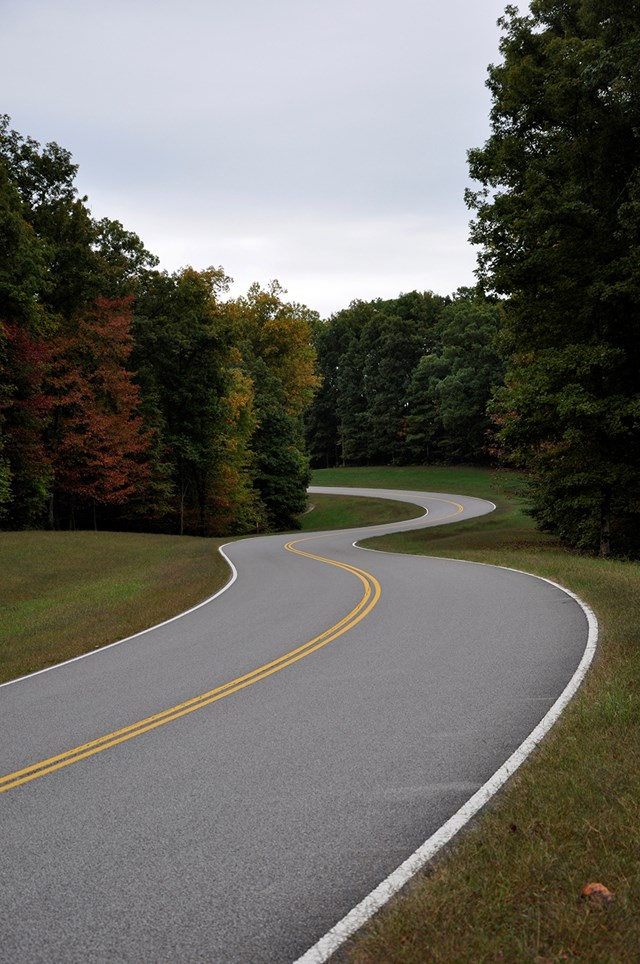
Natchez Trace fees, hours and alertsFour hundred forty-four miles of gentle, commercial-traffic-free two-lane from Natchez to Nashville, built for the long ride: no trucks, no billboards, modest grades, and 10,000 years of travel history at the overlooks. Bikepackers ride the whole parkway in a week, camping at the free biker sites and the parkway's campgrounds; day riders cherry-pick the sections around Tupelo and the northern terminus. It is the opposite of the Sun Road - no single vista, just the cumulative pleasure of a road designed to be ridden.






How to ride a national park
Hunt the car-free windows. Cades Cove's Wednesdays, the Sun Road's spring plow window, Zion's shuttle season - the best rides are scheduled, and the schedules live on the park pages and alerts. Build the trip around the window, not the other way.
E-bikes: Class 1 is the default yes. Most parks allow Class 1 pedal-assist e-bikes wherever regular bikes go; throttle bikes face tighter rules. Check the specific park's policy - it is posted, and it varies.
Shoulders are rare. Park roads predate the bike era, and the big mountain roads (Trail Ridge, Skyline Drive, Sun Road in summer) demand lights, bright colors and a tolerance for traffic. The paths and car-free days exist precisely so you can skip that equation.
Shuttles are force multipliers. Zion's buses, Cuyahoga's train, Yosemite's valley loop - the parks that run transit let you ride one-way. The road-trip guide pairs the drive with the ride.
A short history of bikes in the parks
The bicycle reached the parks before the automobile and was promptly buried by it. Army officers tested bikes for park patrol in the 1890s - the 25th Infantry Bicycle Corps famously rode from Missoula to Yellowstone in 1896, proving a soldier could cover park country on two wheels - but within two decades the parks had rebuilt themselves around the car, and the bike spent half a century as a toy for the campground loop.
The comeback started with a millionaire's grudge. Rockefeller's carriage roads at Acadia, finished in the 1930s to exclude cars, turned out to be perfect bicycle infrastructure waiting 40 years for the bike boom. The rails-to-trails era rebuilt the canal towpaths at the C&O and Cuyahoga, the pathway era paved Grand Teton and Zion, and the car-free experiment - pioneered at places like Cades Cove - gave the parks their best modern idea: sometimes the way to save the experience is to take the cars out of it, one Wednesday at a time.
All 166 parks with biking
Below is every Park Service unit that lists biking. Look for paths, parkways or car-free days, and check each park's fees and alerts before you go.
Free to enter Charges an entrance feePoints are the Park Service reference point for each unit, not a boundary.