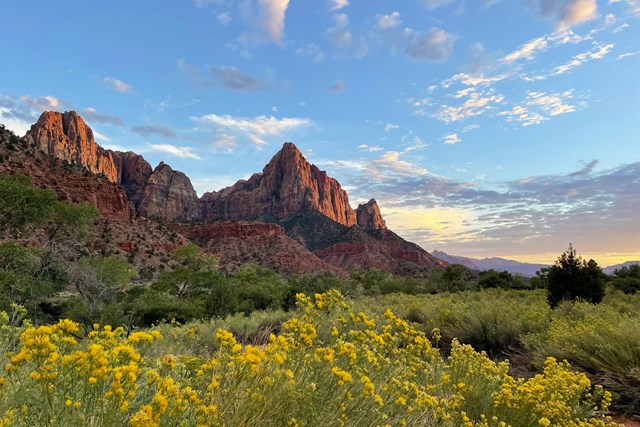
The best room in the national parks has no roof, no key and, increasingly, no vacancy. Backcountry camping is where the park experience stops being a visit and becomes a residence, even if only for one night: the trail goes quiet, the stars come out, and the only check-in desk is a ranger station or a lottery server.
The Park Service lists 96 units with backcountry camping, and nearly every one of them asks for a permit. What differs is everything else: the lottery or the walk-up, the designated site or the at-large zone, the bear canister or the food pole. These ten earn their ranking on the quality of the night and the clarity of the system that gets you there. Book the permit first, then build the trip it can actually support.
The ten best national parks for backcountry camping
01Grand Canyon
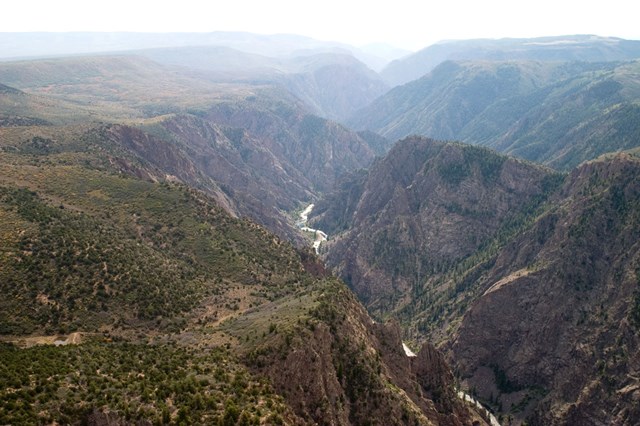
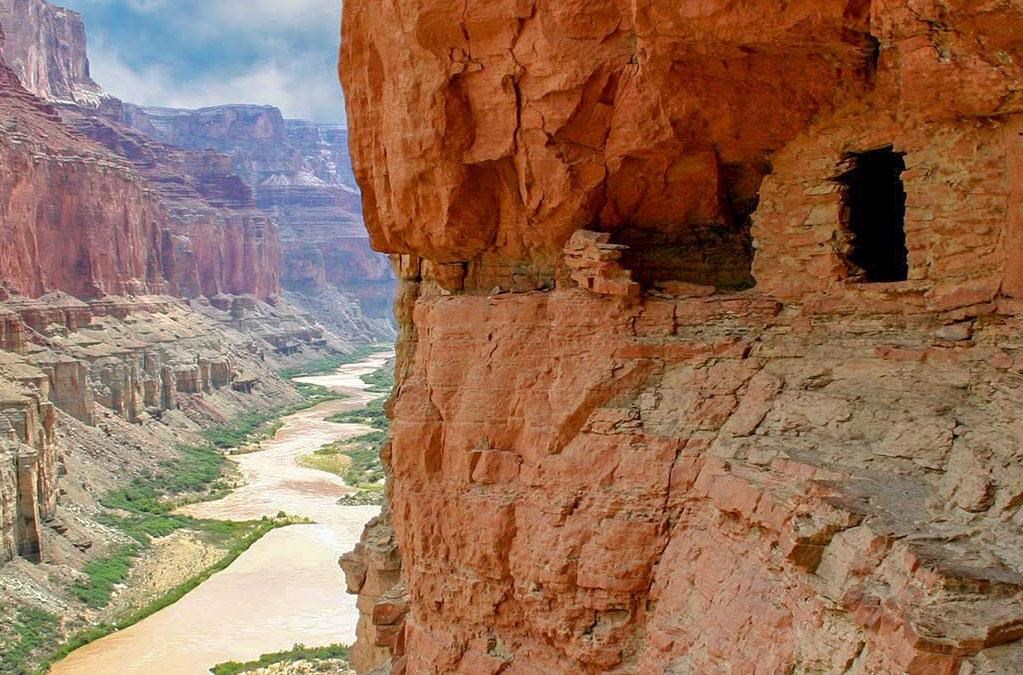
Grand Canyon fees, hours and alertsThe most consequential campsite in America. At the Grand Canyon, a backcountry permit names your trip leader, dates, group size and itinerary, and you carry a printed copy and display it at camp. The early-access lottery on Recreation.gov wins you a booking window, not a site, and the fees, $10 to apply, then $15 per person per below-rim night or $4 above the rim when checked in September 2026, are the small price of the corridor campgrounds everyone wants. The conditions are the real gatekeeper: after the August 29, 2026 flash flood, the park listed the entire North Kaibab Trail and other inner-canyon areas closed with water sources off and no estimated reopening. A permit cannot reopen a flooded bridge. Plan a route whose climb, heat and water your group can genuinely handle, and recheck conditions before you apply and again before you hike.
02Yosemite
Yosemite fees, hours and alertsThe trailhead is the whole game. Yosemite applies its daily quota at the entry trailhead, so the permit you need is for where you start, not just where you sleep. During the main season, 60 percent of each trailhead's quota goes to a lottery 24 weeks out and the remaining 40 percent opens seven days ahead; the park warns against arriving hopeful for a walk-up. A Half Dome summit carries its own additional permit when the cables are up, and bear-canister rules and snow, stream and fire conditions belong in the plan, not the afterthought. The craft is in choosing a realistic trailhead and first-night distance before you enter the lottery. The reward is waking up in the high country that made the whole idea of a national park seem obvious.
03Yellowstone
Yellowstone fees, hours and alertsA reservation is not the permit, and knowing that saves the trip. At Yellowstone, about 75 percent of designated backcountry sites can be reserved ahead through Recreation.gov, a spring lottery opens the booking season, and at least 25 percent stay for walk-ups. Then the key step: in the main season you pick up the actual permit at a backcountry office, up to two days before the trip. Fees at the September 2026 check ran $10 for the lottery application, $10 for the reservation and $5 per person per night. Each site has a food pole or storage box, though a pole may demand your own rope, and the park is blunt that the reservation system will happily let you book an itinerary your legs cannot walk. Reserve consecutive sites as one viable route, and treat the distance math as your own job.
04Glacier
Glacier fees, hours and alertsThe lottery with the best scenery per entry. Glacier runs early-access lotteries through Recreation.gov for wilderness camping itineraries: a $10 non-refundable application buys a chance at an advance booking window, with a separate lottery for the handful of large-group reservations. Everything else is walk-up, the day before or the day of, which makes flexibility a genuine strategy in a park with a short alpine season. The camps themselves, tucked into valleys below the high passes, are why people enter year after year. Grizzly country raises the stakes on food storage and campsite discipline, so read the park's current wilderness guidance as carefully as the availability calendar. The permit is the easy part. The snowpack decides the rest.
05Rocky Mountain
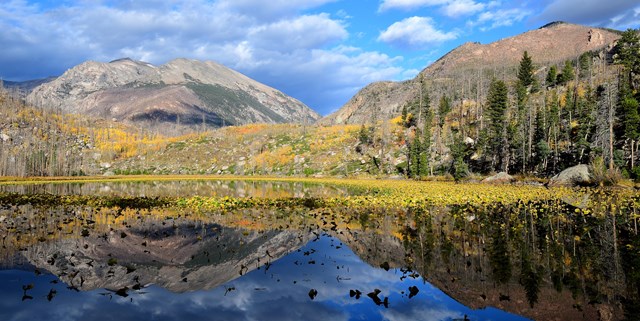
Rocky Mountain fees, hours and alertsThe permit you carry on paper. Rocky Mountain requires a physical wilderness permit and an overnight dashtag for your vehicle, picked up at one of two wilderness offices: the $10 administrative fee is paid online, but the paper goes with you. In summer the popular sites reserve ahead; in winter the system turns first-come, first-served with no advance reservations at all. Bear canisters are required, self-provided, hard-sided and stashed 200 feet from camp. The system's formality matches the terrain: high, exposed and quick to weather. Pick a site whose elevation your group has actually slept at before, then let the park's short summer do its work.
06Olympic
Olympic fees, hours and alertsThree parks in one, each with its own rules. Olympic requires a wilderness permit year-round, arranged through Recreation.gov or the Wilderness Information Center, with quota areas like Sol Duc, Royal Lake and the Cape Alava coast where itineraries lock in once issued. At the September 2026 check, the summer release opened April 15 at 7 a.m. Pacific, with fees of $8 per person per night plus $6 per reservation. Bear canisters are required in all wilderness camp areas, with loaners for permit holders. The choice that matters is elemental: a coast trip runs on tide tables and headland crossings, a mountain trip on snow and exposure, and the rainforest reads like neither. Match the camp to the element, not to a generic Olympic backpacking fantasy.
07Great Smoky Mountains
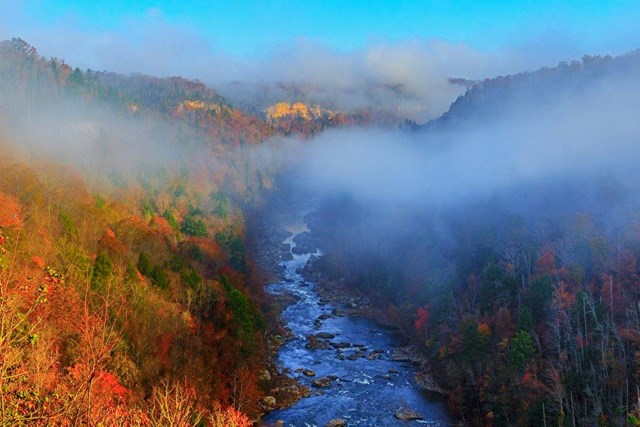
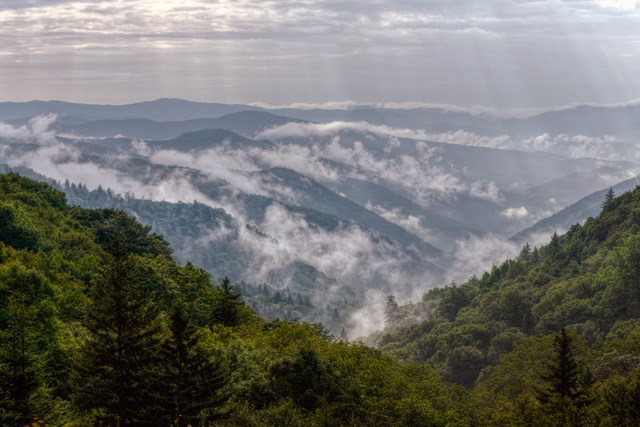
Great Smoky Mountains fees, hours and alertsThe most-visited park takes its backcountry seriously, and it shows. Great Smoky Mountains requires a permit and an advance reservation for every backcountry night, at $8 per person per night through Recreation.gov. The system covers a network of shelters and sites laced through the East's grandest hardwood wilderness, including the stretch of the Appalachian Trail that crosses the park's spine. The shelter rules are their own etiquette: reserve, share, and watch the bear cables. Spring wildflowers and October color are the peak seasons, which means the reservation calendar, not the weather, is usually the binding constraint. For an Eastern backpacker, this is the home park that still requires planning.
08Isle Royale
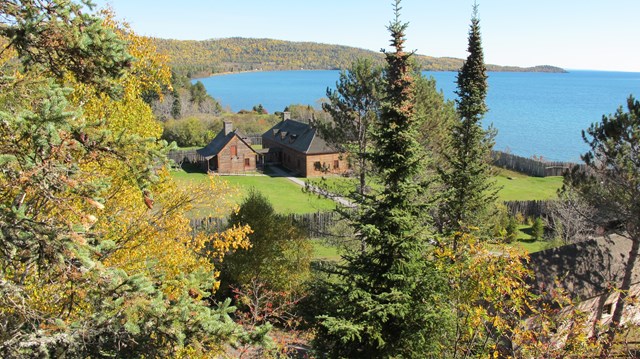
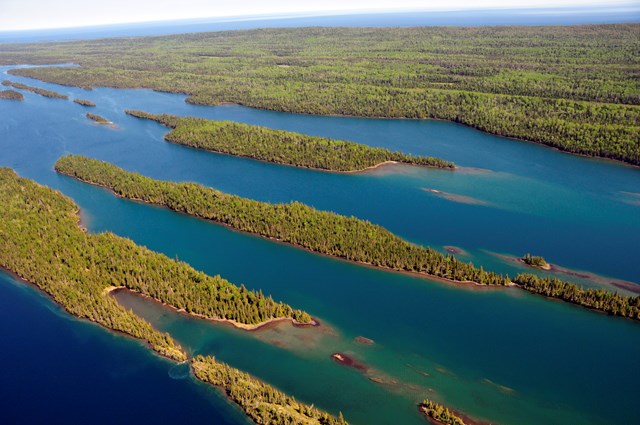
Isle Royale fees, hours and alertsThe island where the permit is the least of it. Isle Royale issues small-party backcountry permits at no additional fee beyond the park's daily entrance fee, collected as part of the permit process, with payment in advance encouraged to speed things up on the dock. The real logistics are the boat or seaplane that gets you there and the island's own rules once you arrive: moose, wolves, Lake Superior's mood and a string of campgrounds linked by trail and paddle. Everything you need rides in on your back, and everything you forget stays forgotten. It is the purest backpacking trip in the Midwest, and the easiest permit on this list.
09Big Bend
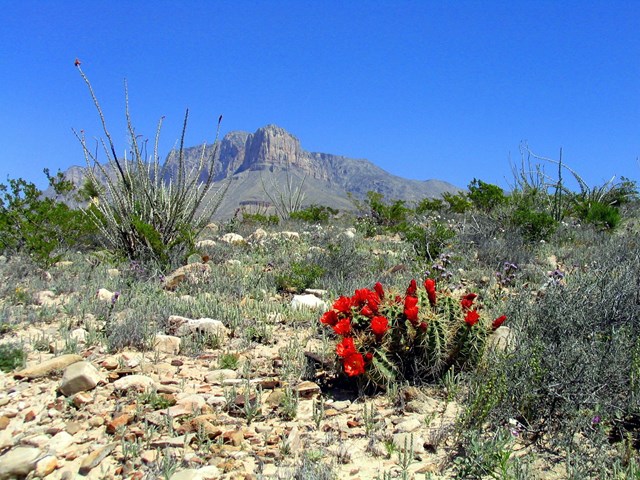
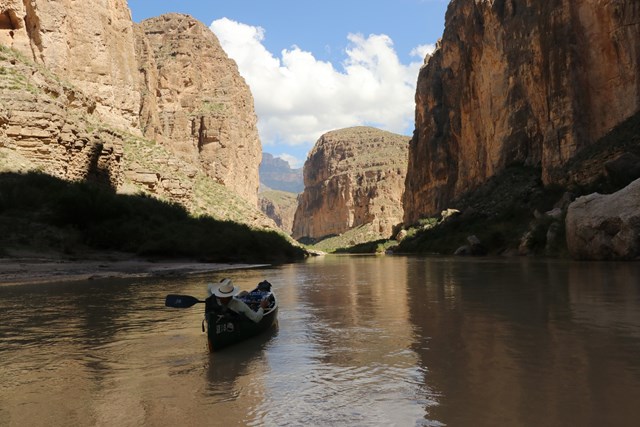
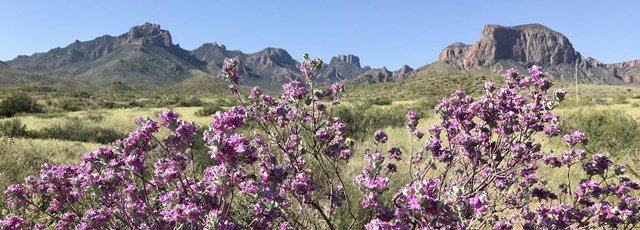
Big Bend fees, hours and alertsWhere the roadside site is still backcountry. Big Bend requires permits for backpacking, river trips, stock use and its primitive roadside campsites, the desert clearings a high-clearance vehicle can reach. A site beside a dirt road is still a specific permitted place, not a turnout you liked. The process itself can change with the weather: at the September 2026 check, heavy rain and road closures had pushed all backcountry permits to in-person issue at Panther Junction until further notice, suspending the usual online workflow. Water, heat and road condition are the real itinerary. Verify the open roads and the permit office's current process shortly before travel, and carry more water than feels reasonable. The desert grades on preparation.
10Everglades
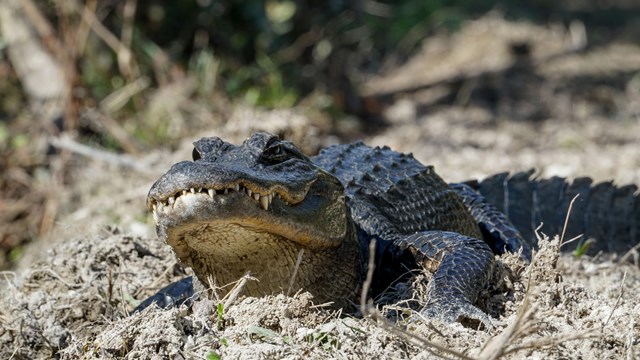
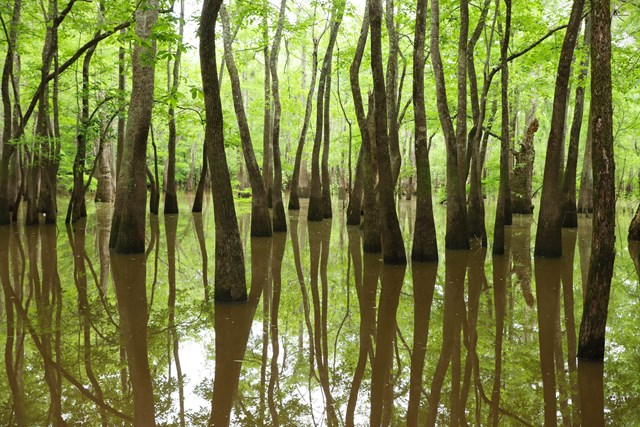
Everglades fees, hours and alertsThe water trail with a roof. Everglades requires a wilderness permit for every backcountry night except sleeping aboard a boat, with advance reservations through Recreation.gov. The signature sites are the chickees, raised wooden platforms standing in open water, where your tent floor is a dock and the alligators have the ground floor. Ground sites and beach sites fill out the network along the park's canoe and kayak routes. There are no trails in the walking sense for most of it: the route is a chart, the mileage is paddled and the bugs are a season of their own. For a backcountry night that exists nowhere else in the system, the chickee is worth the mosquitoes. Mostly.






When to go: a backcountry year in the parks
Spring is desert and lowland season. Big Bend, the Grand Canyon's corridor and the Everglades are at their best before the heat and bugs peak, while the high country is still under snow. Spring is also when the big lotteries settle: Glacier, Yosemite and Yellowstone all open or close their booking seasons between February and April. Win the permit before you book the flight.
Summer is the alpine window. Glacier, Rocky Mountain, Olympic's high camps and the Tetons are finally open, and every lottery in the system already ran. July and August trips belong to people who planned in February. Mosquitoes and afternoon storms are the tax on the season's best scenery.
Fall is the backpacker's favorite. The Smokies turn color, the deserts cool back down, the bugs quit and the crowds thin. Some permit systems relax with the season, but quotas and required reservations mostly do not. Watch early snow above 9,000 feet and shorter daylight everywhere.
Winter is a different sport. Rocky Mountain drops advance reservations entirely and issues first-come permits, the Everglades hits its dry, bug-light prime, and the desert parks enjoy their best sleeping weather. The alpine parks belong to people with skis, avalanche training and a healthy relationship with suffering.
How to get the permit and the night
- 1
Find the legal overnight area first. Designated site, quota zone, at-large use area and permitted roadside site are four different things, and the word backcountry tells you none of them. The park's wilderness map is step one.
- 2
Learn which gate the park uses. Trailhead lottery at Yosemite, campsite reservation at Yellowstone, itinerary permit at the Grand Canyon, reservation-plus-office-pickup at Rocky Mountain. Note the trip leader, dates, group size and fee. A lottery application can cost money and win nothing.
- 3
Test the route against this week's conditions. Flood closures at the Grand Canyon, rain-closed roads at Big Bend, tides at Olympic and snow everywhere high: the reservation form does not know about any of them. Check alerts when you book and again before you leave.
- 4
Pack for that park's food rules. Canisters required at Olympic and Rocky Mountain, food poles or boxes at Yellowstone, display rules for the printed permit at the Grand Canyon. Bring the rope, the canister and the hard copy the park expects.
- 5
Leave a plan and keep a fallback. Tell someone the route and return date, and if the park closes your route, ask how to change or cancel the permit rather than improvising on an old authorization.
A short history of sleeping out
Backpacking as recreation is younger than the parks. When the Park Service was founded in 1916, camping out was simply how travel worked; it took the automobile to make carrying your bed on your back a choice instead of a necessity. The choice arrived in force after the Second World War, when surplus gear, leisure time and a new highway system sent Americans into the woods on foot.
Two 1960s events turned the trickle into a culture. Congress passed the Wilderness Act in 1964, writing the idea of untrammeled land into law and giving the parks a backcountry worth protecting. Four years later Colin Fletcher published The Complete Walker, the book that taught a generation to walk for its own sake and became known, accurately, as the backpacker's bible. The boom that followed was so successful it broke things: overused campsites, habituated bears and eroded trails forced the parks into the permit era.
The systems on this page are the grandchildren of that reckoning. Quotas, lotteries, canisters and designated sites all exist because the seventies taught the parks that unlimited access ruins the thing accessed. The permits can feel like bureaucracy. They are better understood as a rationing of the last uncrowded nights in America, and worth every form.
All 96 parks with backcountry camping
Below is every Park Service unit that lists backcountry camping. Click through for each park's fees, hours and alerts, and read the park's wilderness permit page for the quota, fee, food-storage rule and office process that apply this season. A listing is a starting point, never a place to pitch a tent tonight.
Free to enter Charges an entrance feePoints are the Park Service reference point for each unit, not a boundary.