Lake Clark National Park & Preserve
Lake Clark National Park and Preserve is a land of stunning beauty. Volcanoes steam, salmon run, bears forage, and craggy mountains reflect in shimmering turquoise lakes. Here, too, local people and culture still depend on the land and water. Venture into the park to become part of the wilderness.
It is not on the road system; therefore, in order to get here you must travel either via plane or by boat. Directions from the Park Service ↗
Fees & passes
Free. No entrance fee here.
Hours
| Lake Clark National Park and Preserve | Daily · All Day |
When to go
July draws the most visits here and January the fewest, averaged over 2021 to 2025.
Campgrounds
| NPS Priest Rock Public Use Cabin ↗ | · | |
| The NPS Priest Rock Public Use Cabin is open yearly: – In spring through fall, when there is no ice present on Lake Clark. | ||
Every campground here has its own page on Campsite Atlas, with site counts, hookups, rig limits and booking windows. How park camping works
Visitor centers
- Port Alsworth Visitor Center ↗Passport stamp
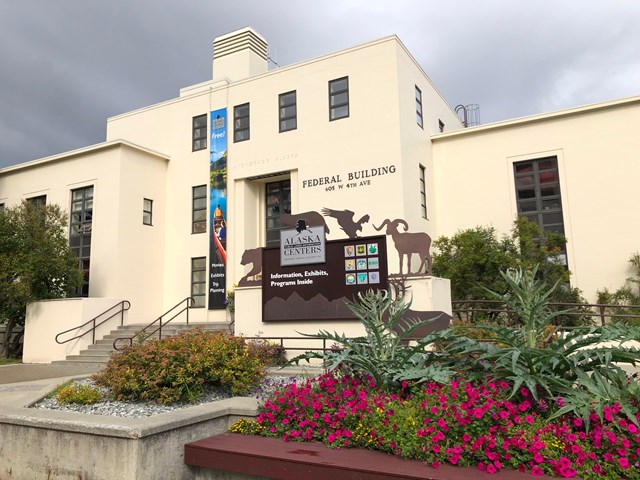
Come and enjoy the visitor center and exhibits and get information from our rangers. Visitors can find a wealth of park information including local hiking trail details and check out a bear resistant container at the Port Alsworth Visitor Center.
Explore
Things to do
- Flight Seeing at Lake Clark1-6 Hours
Discover safely from a bird’s eye view. Volcanoes, coastline, mountain ranges, tundra, lakes, rivers, wildlife, and more! What will you see on your flight seeing trip?
Opens on the Park Service site - Remote Base Camping2-14 Days
A camping trip into Lake Clark's trail-less wilderness can be a spectacular and rewarding experience. Thorough preparation and careful trip planning will help ensure you have a safe and meaningful trip.
Opens on the Park Service site - Camp at Kontrashibuna Lake2-7 Days
Pack up and journey out to the wilderness. Lay in your tent listening to a lone wolf's howl. Stand in awe as mountains reflect across still waters in the early morning light.
Opens on the Park Service site - Fly-In Bear Viewing Along the West Cook Inlet Coast1-14 Days
Learn where to go to see bears and become familiar with bear viewing best practices. Then watch the park's beautiful new 11 minute-long film, A Day on the Lake Clark National Park Coastline to get a feel for experience of being on the coast with…
Opens on the Park Service site - Spend the Night in a Rustic Cabin1-5 Days
Experience the simplicity and beauty of a public use cabin. Enjoy world class fishing and kayaking right outside the front door of a beautiful cabin in remote Alaska.
Opens on the Park Service site - Go Fishing on Lake Clark2-8 Hours
Lake Clark provides excellent fishing opportunities for adventurous anglers. The park and preserve includes some of the most pristine fishery habitats in the National Park system.
Opens on the Park Service site
Show all 12Hide
- Go Fly Fishing at Tanalian Falls2-5 Hours
Want to try fishing in Alaska? This scenic spot offers both the lure of possible grayling catches and opportunities to take stunning pictures
Opens on the Park Service site - Explore How Salmon Are Sustaining Southwest Alaska Communities5-45 Minutes
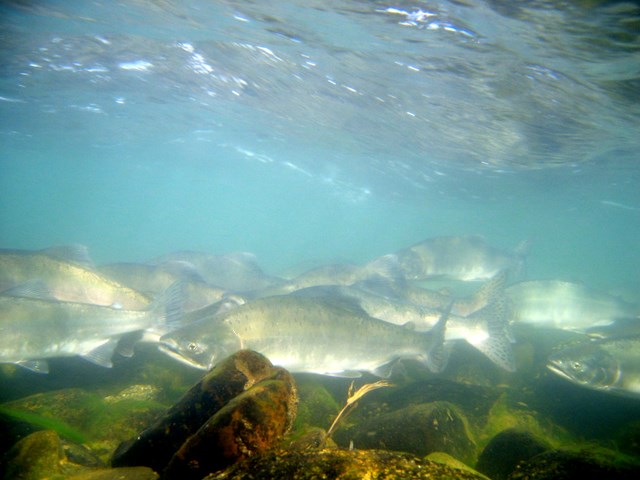
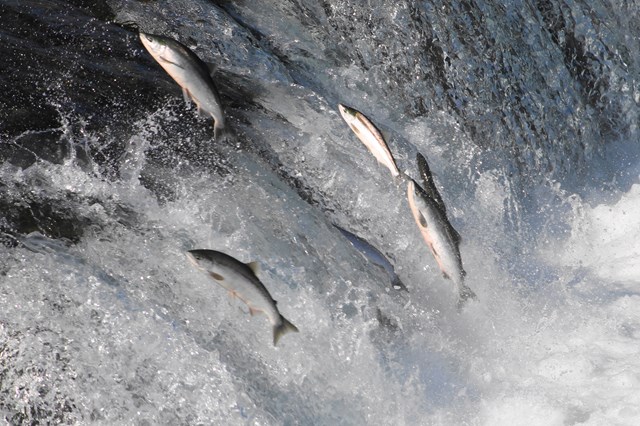
The Kvichak watershed which is fed by Lake Clark and runs into Bristol Bay, is one of the world's most productive spawning and rearing habitats for sockeye salmon. Lake Clark protects clean cold water within these spawning grounds.
Opens on the Park Service site - See the Wassillie Trefon Dena'ina Fish Cache5-45 Minutes
The Wassillie Trefon Fish Cache is the last best example of the traditional Dena'ina Athabascan fish cache in the Lake Clark-Iliamna area.
Opens on the Park Service site - Discover Bristol Bay Fishing History5-45 Minutes
Explore a sailboat that spent more than 60 years on Bristol Bay waters during the heyday of Alaska's commercial salmon fishery.
Opens on the Park Service site - Visit the Denison Sawmill Exhibit5-30 Minutes
Learn about early infrastructure of the Lake Clark region. The Denison steam powered sawmill led waves of change to the Lake Clark region.
Opens on the Park Service site - Kayak from Port Alsworth to Tommy Island2-7 Hours
Get acquainted with the beauty and vastness of Lake Clark firsthand. Spend a day on the water watching birds and jumping fish while paddling out to Tommy Island
Opens on the Park Service site
Films
National Park Service productions, public domain.
News
- Lake Clark National Park Subsistence Resource Commission to Meet October 3, 2026 ↗2026-09-22
The National Park Service’s Lake Clark National Park Subsistence Resource Commission fall meeting will be held in Nondalton on Saturday, October 3, 2026. The meeting is open to the public.
- Former Tank Farm Landscape Rehabilitated at Port Alsworth Visitor Center ↗2026-09-11
PORT ALSWORTH, Alaksa — Visitors at the Port Alsworth Visitor Center are being greeted by a rehabilitated landscape.
Map
Interactive map by the National Park Service
On the National Register nearby
- Richard Proenneke SiteHistoric district · Port Alsworth · 10.2 mi
Public land nearby
Distances are approximate. Wilderness Atlas publishes a center point and an acreage for each area rather than a boundary, so each area is treated here as a circle of the same size and the figure is the gap to that circle.
Guidebooks for Lake Clark National Park & Preserve and Alaska
We earn a small commission if you buy through these links. It does not change what we list.
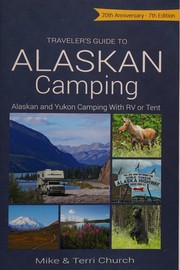
Titles come from Open Library's catalog, matched by subject.
Reference
Wildlife
Full checklist: 168 birds, 42 mammalsHide
Raptors & owlsAmerican kestrel · Bald eagle · Boreal owl · Golden eagle · Great gray owl · Great horned owl · Merlin · Northern harrier · Northern hawk-owl · Northern saw-whet owl · Osprey · Peregrin falcon · Red-tailed hawk · Rough-legged hawk · Sharp-shinned hawk · Short-eared owl
Waterfowl & wadersAmerican coot · American wigeon · Barrow's goldeneye · Blue-winged teal · Bufflehead · Canada goose · Common goldeneye · Common loon · Common merganser · Double-crested cormorant · Emperor goose · Eurasian wigeon · Greater scaup · Green-winged teal · Harlequin duck · Horned grebe · Lesser scaup · Long-tailed Duck · Northern pintail · Pacific loon · Pelagic cormorant · Red-breasted merganser · Red-necked grebe · Red-throated loon · Sandhill crane · Snow goose · Trumpeter swan · Tundra swan · White-fronted goose
Shorebirds & seabirdsAmerican golden-plover · Arctic tern · Baird's sandpiper · Bar-tailed Godwit · Black oystercatcher · Black turnstone · Black-bellied plover · Bonaparte's gull · Common murre · Dunlin · Franklin's gull · Glaucous gull · Glaucous-winged gull · Greater yellowlegs · Herring gull · Horned puffin · Hudsonian godwit · Least sandpiper · Lesser yellowlegs · Long-billed dowitcher · Long-tailed jaeger · Marbled Godwit · Mew gull · Pacific golden-plover · Parasitic jaeger · Pectoral sandpiper · Pomarine jaeger · Red-necked phalarope · Rhinoceros auklet · Rock sandpiper · Ruddy turnstone · Sanderling · Semipalmated plover · Semipalmated sandpiper · Short-billed dowitcher · Solitary sandpiper · Tufted puffin · Western sandpiper · Wilson's snipe · spotted sandpiper
Gamebirds & dovesPigeon guillemot · Rock Ptarmigan · Spruce Grouse · White-tailed Ptarmigan · Willow ptarmigan
WoodpeckersAmerican Three-toed Woodpecker · Downy woodpecker · Hairy woodpecker · Northern Flicker · Three-toed woodpecker
Hummingbirds & swiftsRufous hummingbird
Also on the checklistAlder flycatcher · American dipper · American magpie · American pipit · American robin · American tree sparrow · Bank swallow · Belted kingfisher · Black scoter · Black-capped Chickadee · Black-legged kittiwake · Blackpoll warbler · Bohemian wagwing · Brant · Brown creeper · Canvasback · Cliff swallow · Common eider · Common raven · Common redpoll · Dark-eyed junco · Eastern Yellow Wagtail · Fox sparrow · Golden-crowned kinglet · Golden-crowned sparrow · Gray jay · Gray-cheeked thrush · Gray-crowned rosy-finch · Gyrfalcon · Hermit thrush · Hoary redpoll · Horned lark · King Eider · Kittlitz's murrelet · Lapland longspur · Lincoln's sparrow · Mallard · Marbled murrelet · Northern goshawk · Northern shoveler · Northern shrike · Northern waterthrush · Northern wheatear · Olive-sided Flycatcher · Orange-crowned warbler · Pine grosbeak · Pine siskin · Red knot · Redhead · Ringneck · Ruby-crowned kinglet · Rusty blackbird · Savannah sparrow · Say's phoebe · Snow bunting · Song sparrow · Steller's jay · Surf scoter · Surfbird · Swainson's thrush · Tree swallow · Varied thrush · Violet-green swallow · Wandering Tattler · Whimbrel · White-crowned sparrow · White-winged crossbill · White-winged scoter · Wilson's warbler · Yellow warbler · Yellow-rumped warbler · boreal chickadee
Small mammalsAlaska vole · American beaver · Arctic ground squirrel · Brown lemming · Collared pika · Dusky shrew · Hoary marmot · Masked shrew · Meadow jumping mouse · Meadow vole · Muskrat · Northern bog lemming · Northern collared lemming · Northern red-backed vole · Porcupine · Pygmy shrew · Red squirrel · Snowshoe hare · Tiny shrew · Tundra shrew · Tundra vole
Marine mammalsEastern Sea Otter · Harbor seal · Killer whale · harbor porpoise
PredatorsAmerican marten · Black bear · Brown bear · Canada lynx · Coyote · Ermine · Gray wolf · Least weasel · Mink · Northern river otter · Red fox · Wolverine
Hoofed mammalsCaribou · Dall's sheep · Moose
BatsLittle brown bat
Also on the checklistBeluga
Activities
Activity guides for this park Birdwatching in the national parks · Camping in the national parks · Canoeing and kayaking in the national parks · Fishing in the national parks · Hiking in the national parks · Rock climbing in the national parks · Skiing in the national parks · Stargazing in the national parks · Wildlife watching in the national parks
All 33 activitiesHide
Weather & climate
Lake Clark has two distinct climate areas: the coast and the interior. The coast is wetter and experiences milder temperatures. The interior gets half to one fourth as much precipitation, but temperatures are hotter in summer and colder in winter. Frost and snow can occur any time parkwide, but are most common from September to early June. Lakes here typically begins freezing in November and melting in April. Ice conditions dictate whether planes need floats or skis to land on lakes.
Questions people ask
Does Lake Clark charge an entrance fee?
No. Lake Clark is free to enter.
Source: National Park Service
Is Lake Clark open year-round?
Yes. The grounds are open 24 hours a day, year-round.
Source: National Park Service
Can I camp in Lake Clark?
Yes. The Park Service lists 1 campground in Lake Clark: NPS Priest Rock Public Use Cabin.
Source: Campgrounds
How busy is Lake Clark?
19,778 recreation visits in 2025, number 327 of 387 units that report visitation.
Source: Most visited parks
What is the weather like at Lake Clark?
Lake Clark has two distinct climate areas: the coast and the interior. The coast is wetter and experiences milder temperatures.
Source: Weather & climate
Follow this park
- Alerts feed (RSS)
- Every active Park Service alert for this unit, one item each, rebuilt with the nightly data refresh.
- Add dates to your calendar (.ics file)
- Fee-free entrance days that apply here and each published hours exception, as all-day events.