.jpg/1280px-Bears_on_Brooks_Falls_(2ad2bce3-1dd8-b71c-07aa-52e8e06d4d62).jpg)
The least useful thing you can bring to a wildlife trip is a schedule for the animals. A wolf does not come out because you drove three hours, and a moose will not improve the photograph by stepping toward your rental car. What you can choose is habitat, season and hour. Get those right and the parks do a remarkable amount of the work.
The Park Service lists 237 units with wildlife watching. A species checklist is not a sighting promise. These ten put distinctive animals and places to watch them first; the full directory follows below.
The ten best national parks for wildlife watching
01Yellowstone
Yellowstone fees, hours and alertsIf you have one wildlife trip, make it Yellowstone. Lamar Valley holds bison and elk on the open northern range; wolves may be visible through a spotting scope, especially if you have the patience to scan rather than chase a line of pulled-over cars. Hayden Valley has bison, bears and the possibility of wolves too. The Park Service names both valleys on its viewing guide, and notes that the northern range is critical winter habitat for big grazers and the predators that follow them. You do not need a close-up to understand the scene. In fact, you are specifically not allowed one: Yellowstone requires 100 yards from bears and wolves and 25 yards from other animals, including bison.
02Katmai
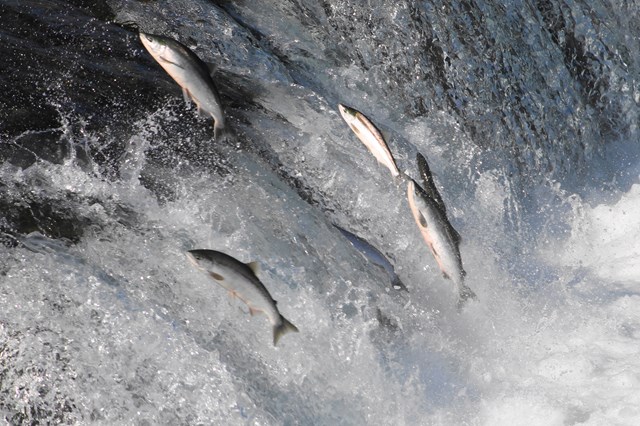
Katmai fees, hours and alertsFor brown bears, Brooks River is the trip whose photographs you already know: bears working the water for sockeye salmon, watched from platforms rather than from the riverbank. Katmai's Park Service lists July and September as prime viewing months at Brooks Camp. They are different shows: the early salmon run at the falls and the later feeding before winter. Reaching camp requires planning around transport and seasonal services, not assuming you can simply drive up. Follow rangers' instructions and never block a bear's path, even if the bear is headed through the best frame you have seen all day.
03Grand Teton
Grand Teton fees, hours and alertsThe Tetons offer some of the best wildlife watching you can do before breakfast without leaving a road corridor. The Park Service points to Oxbow Bend for moose in the willows, beaver, otter and waterbirds; Mormon Row and Antelope Flats for bison and pronghorn; and Blacktail Pond for elk in cool hours. That is a route, not a scavenger hunt. Pick a place and wait for the animals to use it. Moose are large, fast and quite capable of ending the morning badly: Grand Teton's minimum is 25 yards for wildlife other than bears and wolves, which require 100.
04Denali
Denali fees, hours and alertsDenali was first set aside in 1917 to protect wildlife, particularly Dall sheep; the mountain came into the larger park story later. The open tundra can reveal caribou, moose, grizzlies and, with luck, wolves. The Park Service describes moose sightings as comparatively frequent between the entrance and Savage River and in fall along the early park road. It also makes the honest point: sightings are not guaranteed, and time in the landscape improves the odds. Check current road and bus access before setting out; the good habitat does not move just because your transport plan fails.
05Everglades
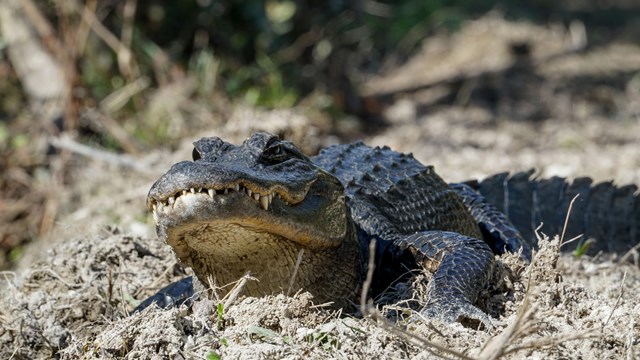
Everglades fees, hours and alertsA winter day on the Anhinga Trail is nearly unfair. The short path through sawgrass marsh can bring alligators, turtles, anhingas, herons and egrets into view without a search party. November through April is the park's dry season: less rain, fewer mosquitoes and abundant wildlife as water levels fall. The animals are still wild, even when the trail is paved and somebody beside you has sandals on. Stay on the trail, keep food to yourself, and give an alligator the room it would demand if the boardwalk were not there.
06Olympic
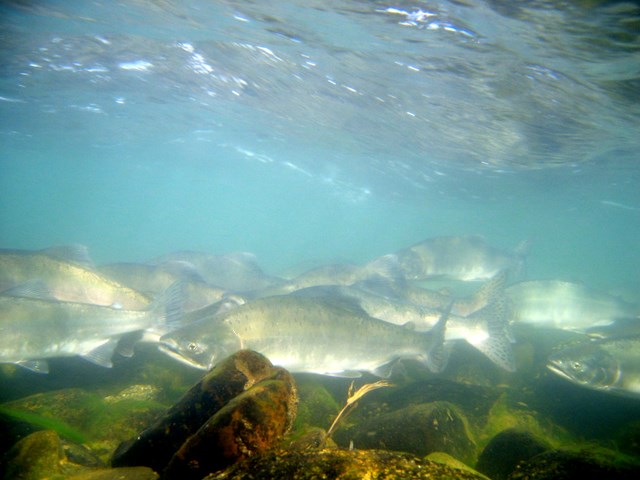
Olympic fees, hours and alertsOlympic is an exercise in changing habitats. Roosevelt elk use the lower valleys and rain forests, often easier to see around dawn or dusk. Fall brings salmon back to park rivers; whales pass the coast during spring and autumn migrations, with Kalaloch and Rialto among the Park Service's suggested viewing places. Pick one animal and one habitat instead of racing between rain forest and beach in hopes of collecting everything by lunch. Elk during calving season and the fall rut need more room, not a better lens held closer.
07Channel Islands
Channel Islands fees, hours and alertsThe island fox lives nowhere but six Channel Islands. At about housecat size, it is a startlingly small animal to carry the name, and it can be active in daylight. The park's recovery work brought its fox populations back from catastrophic declines, making a sighting more than a novelty. The surrounding water supplies a second itinerary: gray whales from roughly mid-December through mid-March, blue and humpback whales in summer, common dolphins throughout the year. A boat trip and a fox walk are different plans; choose one deliberately, and check the marine forecast before either.
08Great Smoky Mountains
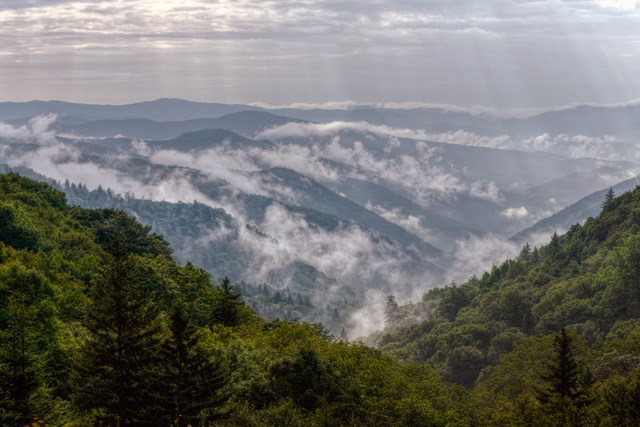
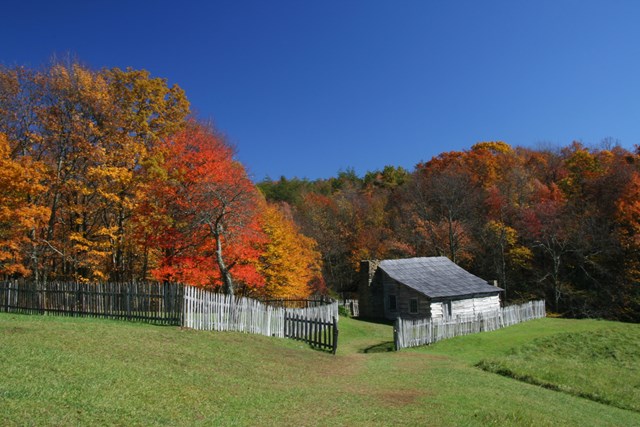
Great Smoky Mountains fees, hours and alertsTwo valleys make a sensible wildlife trip here. Cades Cove's loop is known for white-tailed deer, turkeys and occasional black bears; Cataloochee is the quieter, farther-away elk country. The farther drive is the point if elk are what you came to see. Get there for the cooler hours, use a pullout rather than stopping in the road, and let the animal decide how close it wants to come. A bear beside a traffic jam is not an invitation to get out.
09Badlands
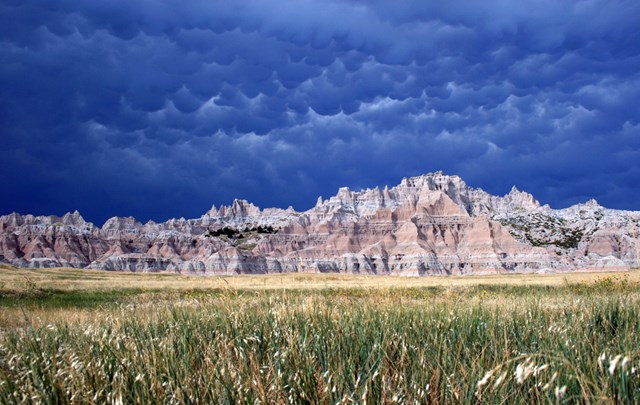
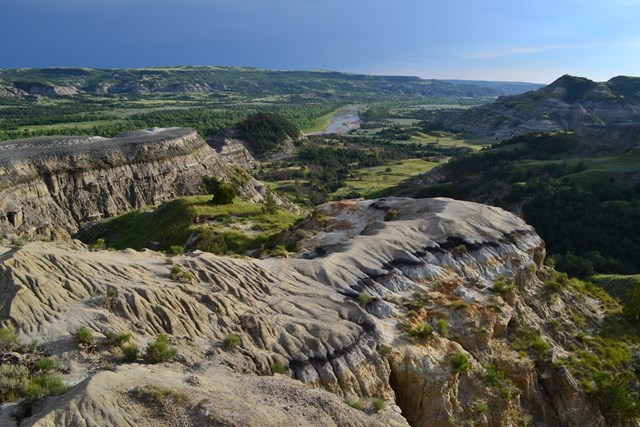
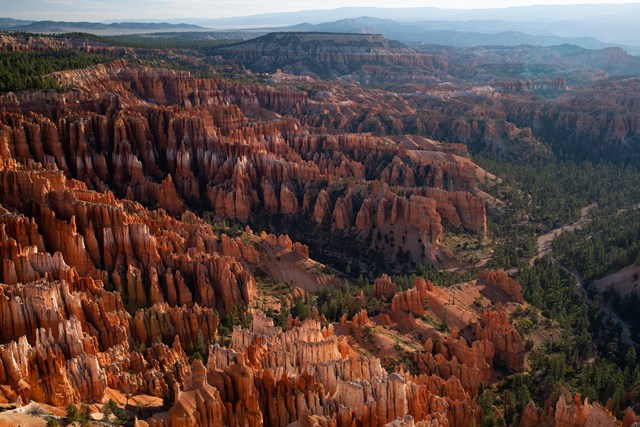
Badlands fees, hours and alertsThe Badlands make their animals visible by stripping away the cover. Bison and bighorn sheep belong to this grassland-and-rock landscape, and prairie-dog towns supply an entire smaller drama if you stop long enough to watch. The park also protects black-footed ferrets, one of North America's rarest mammals, but rare is the operative word: go for the daylight wildlife, not on the assumption that a ferret will appear on command. Keep your distance from bison and use a lens instead of a step closer.
10Glacier
Glacier fees, hours and alertsGlacier's wildlife moves with the mountains. The Park Service describes lower valleys as useful habitat in spring and fall, while bears, bighorn sheep and mountain goats use high country in summer. The useful technique is less glamorous than a heroic hike: binoculars, patience and a careful scan of open slopes. You can miss a goat by walking too quickly past the place where it is standing. Stay clear of bears and follow the park's current closures; the fact that an animal is visible from a trail never makes an approach safe.







A wildlife year in four moves
Winter: follow the concentration. Everglades' dry season gathers activity around shrinking wet areas, while Yellowstone's northern range holds grazers and predators. Winter access differs sharply between the two, which is putting it mildly.
Spring: look low, and give young animals space. Valleys green up before alpine slopes; animals move into open ground. A calf or cub makes the picture tempting and the situation more dangerous. Do not place yourself between parent and young.
Summer: follow food, not the crowd. Salmon draw Katmai bears; high meadows bring Glacier's mountain wildlife into its summer range. Dawn and dusk often beat midday for active mammals. A cool morning is useful for the viewer too.
Fall: listen, then look. Elk rut in several parks, salmon enter Olympic's rivers, and migrating whales return along the coast later in the season. The calendar is a starting point, never a substitute for the park's current conditions.
How to watch without changing the scene
- 1
Stay farther back than the minimum. In Yellowstone and Grand Teton the Park Service requires at least 100 yards from bears and wolves, 25 yards from other wildlife. These are minimums for those parks, not a universal clearance slip; rules differ by place and species. Katmai has its own bear protocols. If an animal changes its behavior because of you, you are already too close. Use binoculars or a long lens, not your feet, to make it larger.
- 1
Let the animal travel. Do not cut across its route, corner it at a roadside, follow it for a picture, or stand between a mother and her young. Never feed anything, including a squirrel that has learned to beg. Grand Teton's wildlife guidance is blunt about the cost: habituated animals get stressed, dependent and dangerous, and people lose the chance to see natural behavior.
- 1
Make the car a blind, not a roadblock. Pull completely off the travel lane where parking is allowed. Watch for other drivers and keep your group out of traffic. If a bear or bison approaches, stay inside or move away as park guidance directs; the close photograph is not worth the animal or the incident report.
- 1
Expect a blank hour. Pick a habitat, ask a ranger about recent activity, settle in and look with your eyes before the camera. A park species list tells you what can live there. Waiting is how you find out what is actually there.
Why some parks are better than a checklist
Denali's first purpose was to protect Dall sheep, not to furnish roadside sightings. Channel Islands spent years recovering foxes that had almost disappeared. Yellowstone's wolves returned through an active restoration effort. Those histories explain why these parks can hold the animals they do, but not where an animal will stand at 8:15 on Tuesday. Good wildlife watching starts when you stop treating a living landscape like an exhibit with posted hours.
All 237 parks with wildlife watching
The complete directory is below, with park pages for species inventories, fees, hours and alerts. Use it to choose the habitat, then check the park's current safety rules and conditions before you leave.
Free to enter Charges an entrance feePoints are the Park Service reference point for each unit, not a boundary.














































.jpg)