Here is the fact that reorganizes the whole page: hunting is generally prohibited in the National Park System, and 48 Park Service units allow it. The difference is the word after "National." Parks, in the strict sense, protect wildlife from the gun. But national preserves, seashores, lakeshores, recreation areas and a few odd cases were created by Congress with hunting written into their founding laws - sometimes as a concession, sometimes as the point. The result is a quiet network of public hunting land hiding inside the world's most famous park brand.
The ten units below show the range: a Rocky Mountain elk program that deputizes hunters as rangers, subtropical swamp deer, Outer Banks waterfowl, and Alaska backcountry where hunting is still subsistence. Seasons and rules are set state by state and unit by unit; this page is the map, not the license. The full directory follows.
The ten best park units for hunting
01Grand Teton
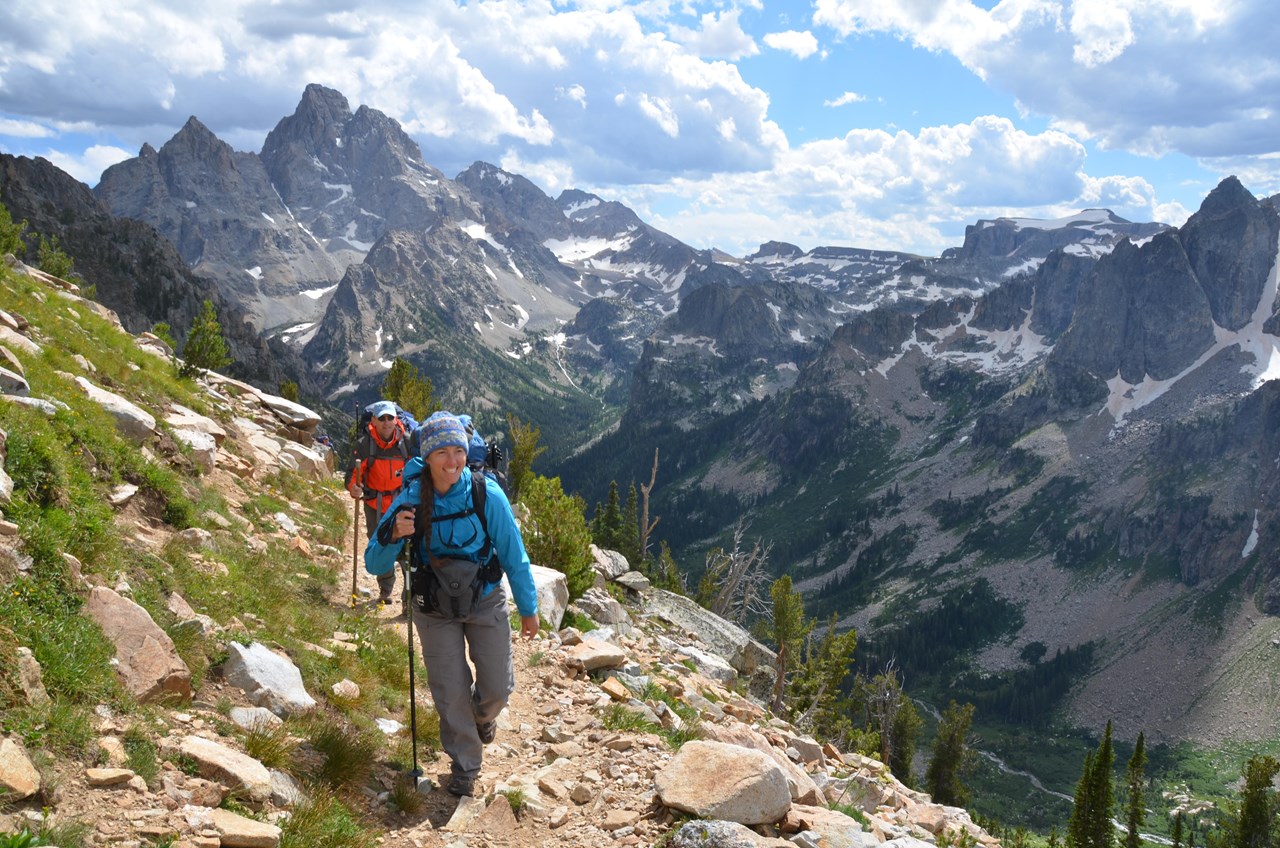
Grand Teton fees, hours and alertsThe most famous hunt in the system, and the strangest legal arrangement: since Congress added the Jackson Hole lands in 1950, the park has run an elk reduction program in which properly licensed Wyoming hunters are, by statute, deputized as park rangers to cull the Jackson elk herd inside the park boundary. It exists because the park sits on the herd's winter migration, and it works like no other hunt in America - limited areas east of the Snake River, strict rules, and a season that runs only when needed, usually in late fall. The paperwork has two separate halves, and you need both: a valid Wyoming elk hunting license through the state draw AND a park permit for the elk reduction program itself - Wyoming Game and Fish administers the state's side. Expect competition, and know that you are participating in one of the oldest wildlife-management debates in the West, with antlers.
02Valles Caldera
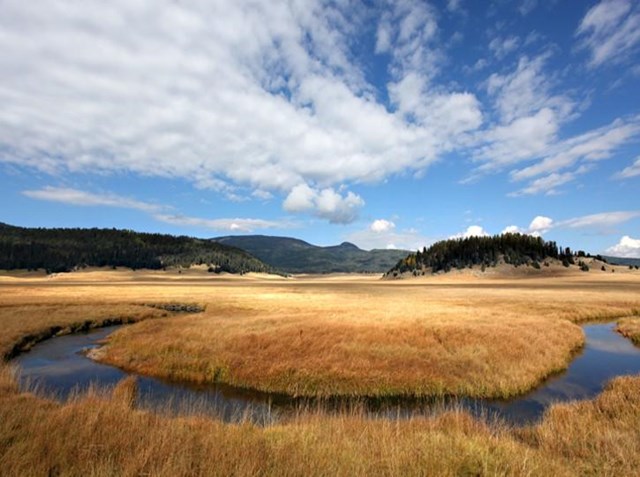
Valles Caldera fees, hours and alertsA volcanic bowl in the Jemez Mountains holding one of the West's healthiest elk herds, on grass so rich the bulls grow famous. Hunting here runs through the New Mexico draw: the preserve's elk and turkey hunts are folded into the state lottery, which makes a Valles Caldera license one of the most applied-for pieces of paper in Southwest hunting. The odds are long and the setting is ridiculous - a 13-mile-wide collapsed supervolcano, open grass ringed by ponderosa, elk bugling across the whole bowl in September. Turkey in spring rounds out the calendar.
03Big Cypress
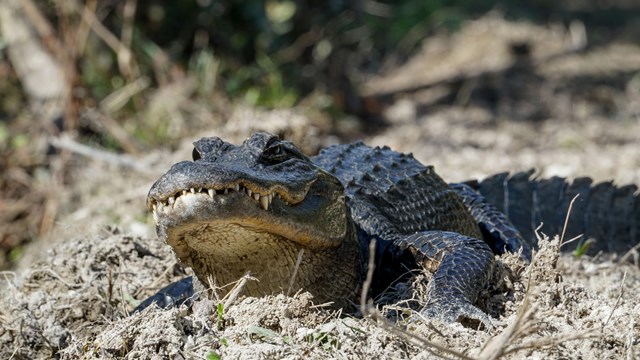
Big Cypress fees, hours and alertsOne of the first two national preserves, established with Big Thicket on October 11, 1974. When Congress created Big Cypress, the deal was explicit: the swamp would be protected, and hunting - deer, hogs, turkey, waterfowl - would continue as it always had. Fifty years later the preserve remains the model: 729,000 acres of cypress strands and pinelands where Florida hunters still walk in during archery, muzzleloader and general gun seasons, with the state setting the rules. The wildlife is wild in the old Florida sense: gators on the banks, panthers in the sign, and deer that know the swamp better than you do.
04Cape Hatteras
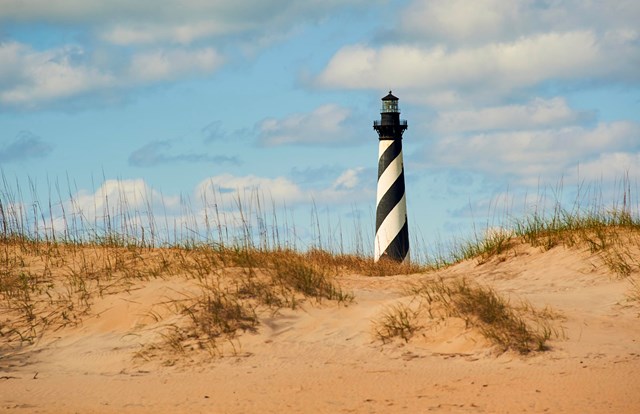
Cape Hatteras fees, hours and alertsThe Outer Banks have been a waterfowl destination since the market-gunning era, and the seashore keeps the tradition legal - but the license stack is longer than the state line suggests. To hunt legally you must carry a valid North Carolina hunting license with the NC waterfowl privilege, a federal HIP certification, a Federal Duck Stamp, and a park waterfowl hunting permit. On Bodie Island, hunting is authorized only from constructed hunt blinds, and check the status of NPS blinds and designated hunt areas, bring temporary blind material if needed and pack it out daily. Confirm the Whalebone Junction drawing time before traveling. Use non-toxic shot; jump shooting is prohibited there. Hatteras and Ocracoke allow hunting in defined soundside strips with no registration. The setup is classic Banks gunning - northerly winds, rafts of scaup and redheads trading down the barrier islands - inside a national park, run like one.
05Wrangell-St Elias
Wrangell-St Elias fees, hours and alertsThirteen million acres of Alaska, and on the preserve-designated portions, some of the last true frontier hunting in the system: Dall sheep on the ridges, moose in the valleys, caribou, bear and goat, taken under Alaska regulations in country that has no roads worth the name. Under ANILCA, rural residents also hold subsistence rights here - hunting not as recreation but as food supply, which reframes what a "park" is for. A guided sheep hunt in the Wrangells is among the most expensive hunts in North America; a resident moose hunt is among the most meaningful. Both are legal in the same boundaries.
06Ozark National Scenic Riverways
Ozark National Scenic Riverways fees, hours and alertsThe river park that doubles as deer woods. The Current and Jacks Fork corridors wind through 80,000 acres of Missouri oak-hickory forest, and hunting - deer and turkey above all - runs through the fall and spring seasons under state rules, in the same bottoms where summer crowds canoe. It is a genuinely Ozark arrangement: float the river in July, hunt the ridges in November, and wave at the same outfitters both times. Access is easy by Ozark standards, pressure is honest, and the spring turkey hunting, with the river running clear below the roost, is the connoisseur's pick.
07Mojave
Mojave fees, hours and alertsDesert hunting on a grand scale: 1.6 million acres of creosote, Joshua tree and cinder cone between Los Angeles and Las Vegas, open to upland game under California rules - quail and chukar in the washes, rabbits on the flats, and dove when the season and the water holes align. There are no elk herds and no blinds; the Mojave hunt is a long walk in huge country with a shotgun and more silence than game, which is exactly its appeal. Water is the strategy: find the springs and guzzlers and you find the birds. Fall and winter are the season, for reasons the July thermometer explains.
08Delaware Water Gap
Delaware Water Gap fees, hours and alertsSeventy thousand acres of ridge and valley on the Pennsylvania-New Jersey line, close enough to New York City to see its skyline from the overlooks - and open to hunting since the recreation area was carved out of the doomed Tocks Island dam project. Deer rule the calendar: bow, muzzleloader and rifle seasons under each state's rules, in oak woods that hold more deer than the tourists suspect. It is the most accessible big woods in the megalopolis, and the autumn woods, with the river below and the rut on, belong to the hunters while the hikers take the overlooks.
09Cumberland Island
Cumberland Island fees, hours and alertsThe most unusual hunt in the East: managed deer and hog hunts on Georgia's wildest barrier island, reached only by ferry. The seashore runs scheduled managed hunts to keep the island's herds in balance - advance reservations, limited slots, primitive camping, and a hunt conducted among the ruins, live oaks and beach dunes that make Cumberland famous. Hogs are the conservation target, deer the tradition, and the logistics - boat in, pack in, walk - make it feel like an expedition an hour from Jacksonville. It sells out for a reason.
10Sleeping Bear Dunes
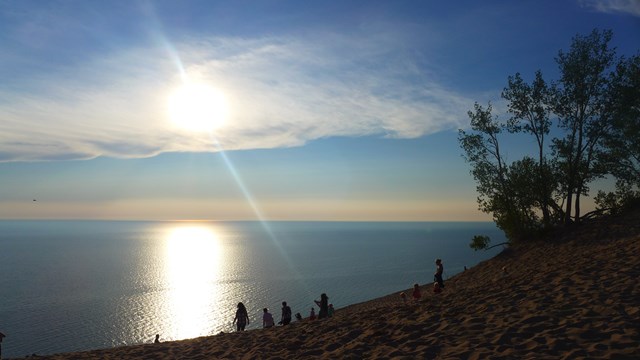
Sleeping Bear Dunes fees, hours and alertsNorthern Michigan's big woods and farm edges, with deer, grouse, woodcock and waterfowl under Michigan rules across the lakeshore's mainland units. The hunting here is classic Up North: grouse covers in the aspen cuts, deer in the beech-maple ridges, ducks on the inland lakes, all of it an hour past the last big-box store. Fall color peaks during grouse season, the tourists are gone, and the same hills that draw a million summer visitors go back to being what they were - working forest with a view of Lake Michigan.




How hunting a park unit works
The designation is the law. Hunting is banned in units titled National Park (with rare statutory exceptions like Grand Teton's elk program) and generally legal in National Preserves, Seashores, Lakeshores and Recreation Areas - because Congress wrote it into each unit's enabling act. The park list below is a starting point. When in doubt, the unit's name answers the first question.
The state holds the license. Park hunting runs on state fish-and-game rules: seasons, licenses, tags, bag limits. The park layer adds its own - specific open areas, seasonal closures, weapon restrictions, permit lotteries - published in the superintendent's compendium. You need both, and the park page links the current rules.
Some hunts are lotteries. Grand Teton's elk tags and Valles Caldera's elk and turkey hunts run through state draws; Cumberland Island's managed hunts take advance reservations. Treat these like campground reservations: they open on a schedule and go fast.
Respect the shared map. Hikers, hunters and birders use these units simultaneously. Wear orange, know the closure zones around developed areas, and check the park alerts for temporary restrictions before the season.
A short history of hunting and the parks
The early Park Service generally protected wildlife from hunting. The 1916 Organic Act charged the agency with preserving wildlife "unimpaired," and the early parks - Yellowstone had been fighting poachers since the cavalry era - treated the hunter as the problem. That held for the classic parks, and holds still.
The exceptions came one law at a time. Grand Teton's 1950 expansion carried the elk reduction program, because the biology demanded it. The seashores and lakeshores of the 1960s - Cape Hatteras, Cape Cod, the Apostle and Sleeping Bear shores - were carved from country with hunting traditions, and Congress kept them. The national preserve designation began with Big Cypress and Big Thicket on October 11, 1974: protection for the land, continuity for the hunt, written into the name itself. ANILCA extended the logic across Alaska in 1980, adding subsistence as a protected use. The system's current map - parks for watching, preserves for harvesting - is the accretion of those compromises, and across those units it functions as one of the largest quiet hunting programs in the country.
All 48 park units with hunting
Below are Park Service units that list hunting. Check the designation, then the state's regulations, then the park's compendium - in that order - and the season is yours.