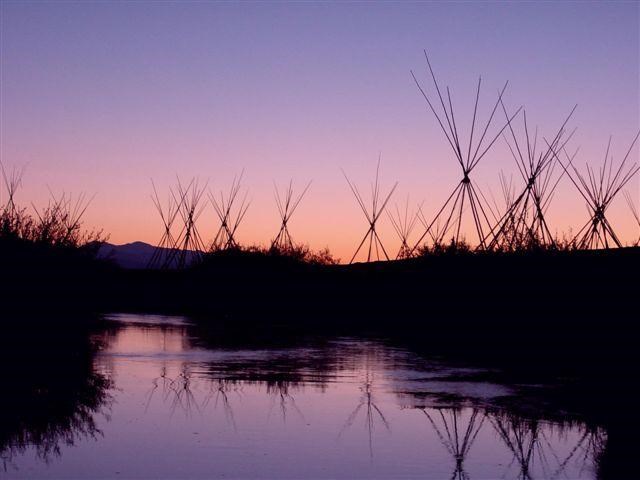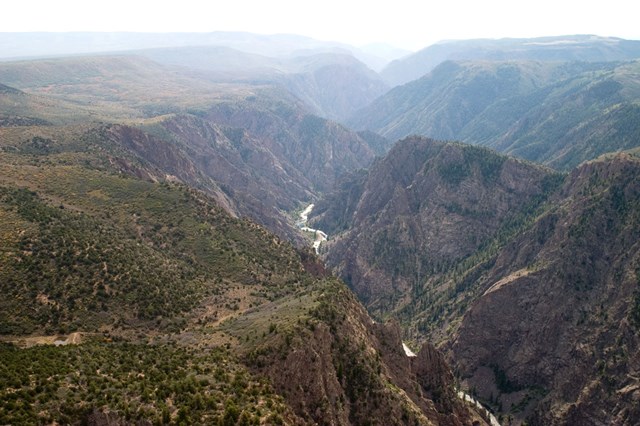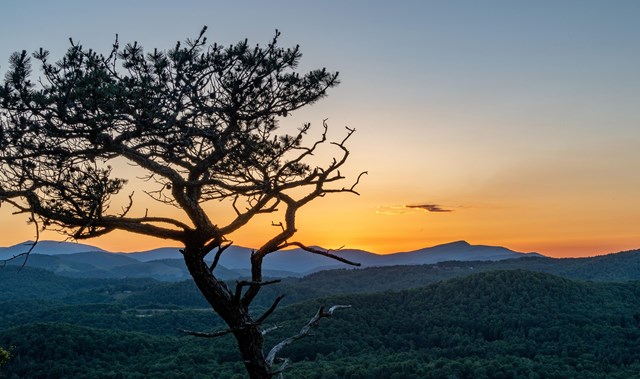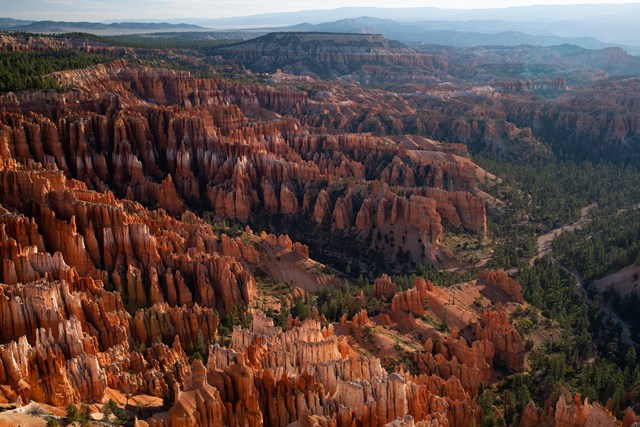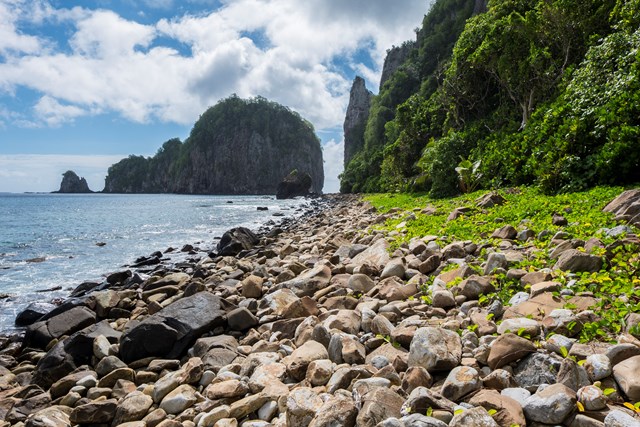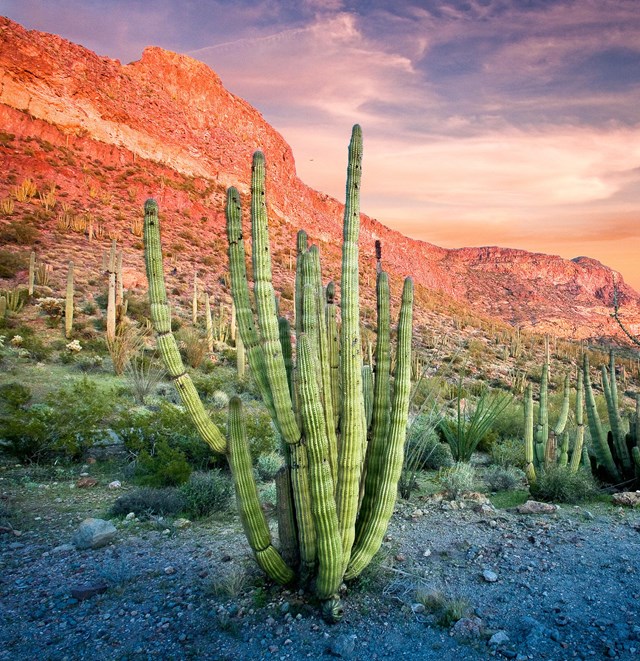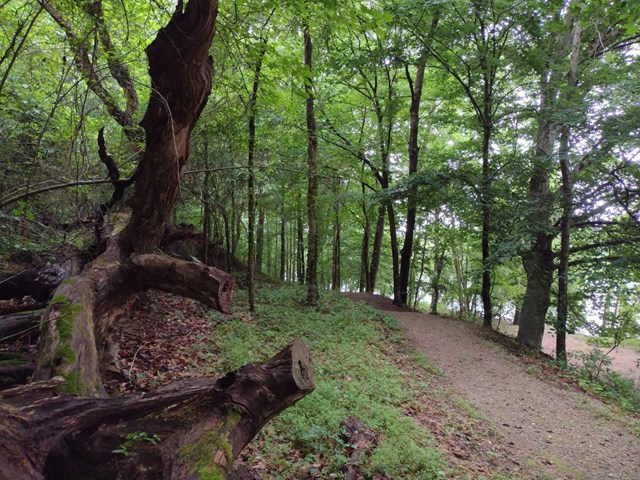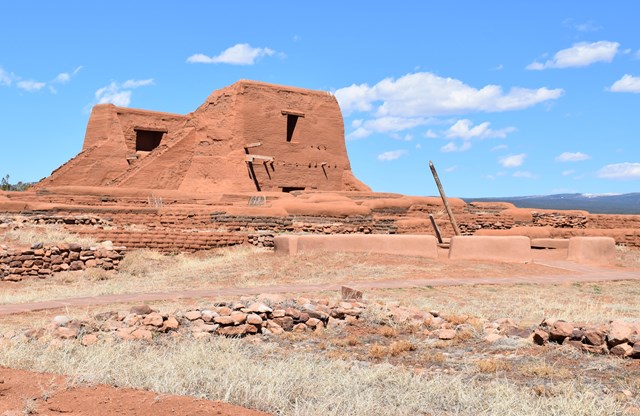
"Front-country" is ranger shorthand for the maintained trails near the roads and visitor centers - which is a modest name for the greatest hits of American hiking. One hundred forty-three Park Service units list it, and among them are trails people plan whole trips around: Angels Landing's chained spine, the Mist Trail's granite staircase, the Highline's ledge walk along the Garden Wall. These are also the trails that now come with paperwork, so this guide does two jobs: the ten parks where day hiking is the main event, and exactly which of their famous miles need a permit in 2026.
The ten below earn their ranking on trail quality, variety and the odds that a stranger has heard of them. The full Park Service list follows.
The ten best national parks for day hiking
01Zion
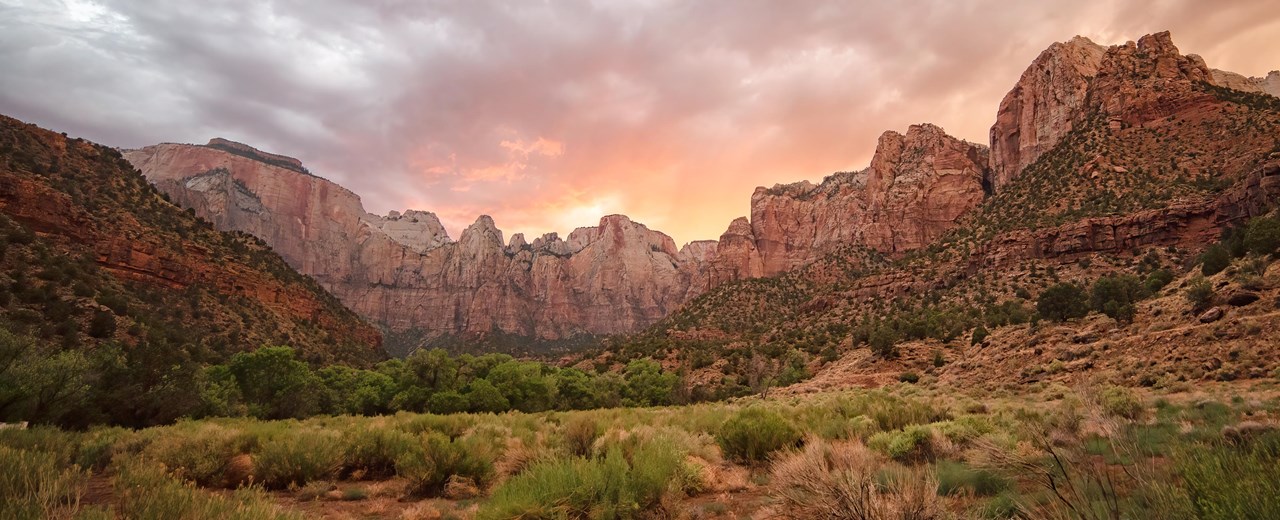
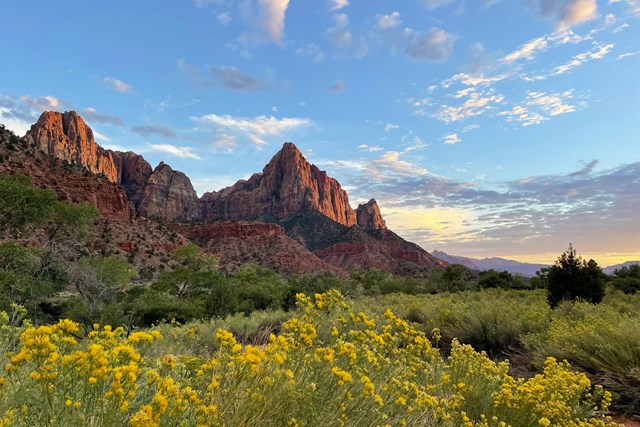
Zion fees, hours and alertsThe densest collection of famous day hikes in the system, stacked into one canyon. Angels Landing is the headliner - 1,500 feet up to a chained fin with drop-offs on both sides, and permit-only since 2022, with seasonal and day-before lotteries on Recreation.gov. The Narrows splits two ways: the bottom-up route from the Temple of Sinawava needs no permit - just a tolerance for hiking in the river itself, wall-to-wall water under 1,000-foot sandstone - while the 16-mile top-down hike from Chamberlain's Ranch requires a permit (single very long day or one overnight; multi-night trips aren't allowed) and can close at any time for high water or flash flooding. Observation Point, the Emerald Pools and the Pa'rus Trail round out the range from brutal to stroller-friendly. The shuttle runs the canyon from spring to fall, which means the trails are one-way-friendly: ride up, hike down, and let the bus do the shuttle math.
02Yosemite
Yosemite fees, hours and alertsThe Mist Trail is the best waterfall walk in America: granite steps up the Merced through Vernal Fall's spray to Nevada Fall, with Half Dome's back growing overhead. Half Dome itself is the ambition - 14-plus miles round trip, the cable route up the final dome, permits by lottery when the cables are up (typically the Friday before Memorial Day through early October). The Valley floor loops keep the flat version, and the Four Mile Trail and Upper Yosemite Fall handle the leg-breakers. Everything starts from a shuttle stop, which in summer is the only sane way to arrive.
03Grand Canyon
Grand Canyon fees, hours and alertsThe corridor trails are the only "easy" way into the canyon, and easy is relative: Bright Angel and South Kaibab drop a vertical mile to the river on maintained trails that seduce thousands into the classic canyon mistake - down is optional, up is mandatory. Know the water reality before you commit, because the two trails differ: Bright Angel has seasonal water (subject to pipeline breaks - check status at the visitor center), while South Kaibab has no water at all below the trailhead, per the park's day-hiking page. Carry what you need either way. The honest day hikes are the partial descents: South Kaibab to Ooh Aah Point or Cedar Ridge, Bright Angel to the 1.5 or 3 Mile Resthouses, and the mostly flat Rim Trail for the rest of us. The park's heat warnings are not decoration; summer below the rim is a different sport, played before dawn.
04Glacier
Glacier fees, hours and alertsThe Highline Trail is the Rockies' great walk: a ledge cut along the Garden Wall above the Going-to-the-Sun Road, 11-plus miles of wildflower gardens, glacier views and mountain goats at rude proximity, ending at Granite Park Chalet or the Loop. Logan Pass also starts the Hidden Lake Overlook boardwalk; Many Glacier starts Iceberg Lake and Grinnell Glacier, which between them might be the best two-day-hike pair in the system. The season is short - the Highline typically frees of snow in July - and the bears are real, so hike loud, carry spray, and consider the ranger-led versions.
05Great Smoky Mountains
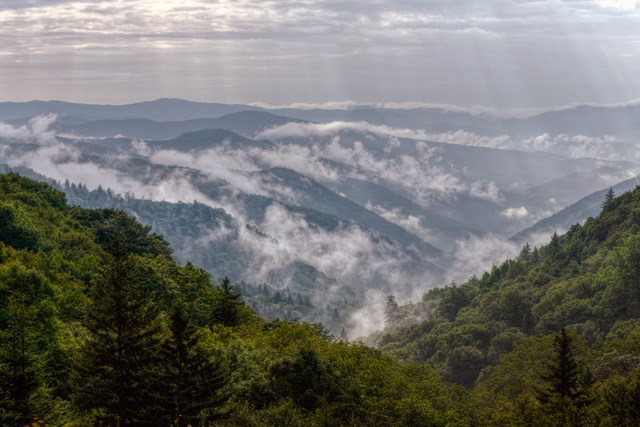
Great Smoky Mountains fees, hours and alertsEight hundred fifty miles of trail, and the day-hike canon runs deep: Alum Cave to Mount LeConte, the park's signature climb past Arch Rock and the bluffs; Charlies Bunion on the Appalachian Trail, the classic ridge walk to the rock outcrop; Chimney Tops' rebuilt staircase to the pinnacles; Andrews Bald for the azaleas in June. The AT crosses the park's spine for 70 miles, so any road crossing on Newfound Gap or Clingmans Dome offers a free sample of the famous trail. No entrance fee, no permits for day hikes, and more trailheads per hour of drive than anywhere in the East.
06Acadia
Acadia fees, hours and alertsThe only park where the trails come with hardware. The Beehive and Precipice routes climb the island's cliff faces on iron rungs, ladders and ledges - hiking as light climbing, with Frenchman Bay spread below - while the Jordan Pond Path and the Ocean Path deliver the gentle classics: pond, bubbles, popovers, surf. The carriage roads handle the flat miles, and Cadillac Mountain offers the cheat code: hike up the South Ridge, or drive, and claim the sunrise either way. Precipice closes for nesting peregrines part of the year; the alerts carry the dates.
07Olympic
Olympic fees, hours and alertsThree ecosystems, one park pass: the Hoh River Trail walks through the continent's wettest temperate rain forest under moss-draped bigleaf maples; Hurricane Hill climbs from the ridge road to a panorama of the Olympics and the Strait; Rialto and Second Beach put the hiking on the coast, past sea stacks and tide pools. It is the only park where a three-day trip can legitimately include rain forest, alpine and ocean without repeating a trail type. The coast hikes run on tide tables - the park publishes the headland crossing times - and the rain forest runs on rain, which is the product.
08Rocky Mountain
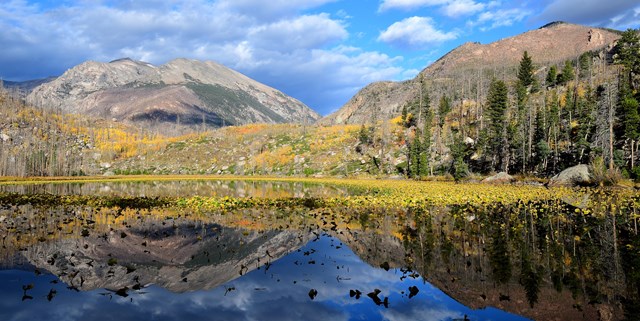
Rocky Mountain fees, hours and alertsThe Bear Lake corridor is the Front Range's day-hike machine: a shuttle-served string of alpine lakes - Nymph, Dream, Emerald, Lake Haiyaha - on short, high, ridiculous trails, with Sky Pond and the Loch for the ambitious. The altitude is the trailhead fee: everything starts above 9,000 feet, so the flatlander pace is slow and the water bottle is mandatory. Timed entry rules the summer - the park's permit system covers the corridor in season - so the reservation is the real first step. Winter turns the same lakes into the park's best snowshoe route.
09Shenandoah
Shenandoah fees, hours and alertsOld Rag is the East's most beloved scramble: a circuit up through a mile of boulder problem to a 3,284-foot summit over the Piedmont, famous enough that the park made it the system's newest permit hike - a day-use ticket required March 1 through November 30, now permanent after a two-year pilot. The rest of the park hikes gentler: 500-plus miles of trails along Skyline Drive, a quarter of them on the AT, with waterfalls (Dark Hollow, Whiteoak Canyon) and summit views at every overlook. Fall color weekends are the World Series of hiking; go on Tuesday.
10Big Bend
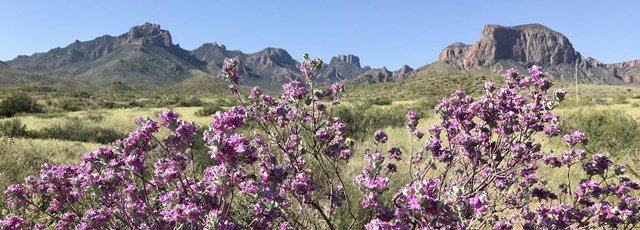
Big Bend fees, hours and alertsThe Chisos are a hiker's island: a whole mountain range rising out of the Chihuahuan Desert inside the park, with the South Rim loop delivering the classic - 12-plus miles through boot canyon to a rim where the desert falls away 2,000 feet to Mexico. The Window pours off the other side of the basin in a shorter, famous pour-off; Santa Elena Canyon offers the flat, cool river walk between 1,500-foot walls. Winter and spring are the seasons; summer belongs to the heat, which the park measures honestly in triple digits.





The permit era: which famous hikes need paperwork
Day hiking used to be the permit-free activity. Not anymore, at least at the famous addresses:
- Angels Landing (Zion): permit required for the chained section, year-round, via seasonal lottery and day-before lottery on Recreation.gov. - Half Dome (Yosemite): permit required when the cables are up, preseason and daily lotteries. - Old Rag (Shenandoah): day-use ticket required March 1 to November 30, now a permanent system. - Bear Lake corridor and timed entry (Rocky Mountain and others): several parks now meter entry by the hour in summer; the current list lives on the reservations page.
The pattern: the more famous the trail, the more likely the ticket. Book the permit first and the lodging second, and keep a permit-free backup trail in the same park - every one of these parks has a great hike that needs nothing but boots. The park alerts guide is the other pre-trip five minutes; trail closures for fire, ice and nesting birds are the normal state of a living trail system.
All 143 parks with front-country hiking
Below is every Park Service unit that lists front-country hiking, from marquee permit hikes to an hour on a battlefield loop. Check fees and alerts, and start earlier than you think - on the famous trails, the parking lot is the hardest pitch.
Free to enter Charges an entrance feePoints are the Park Service reference point for each unit, not a boundary.