The canoe is the national park watercraft that never needed a ramp, a motor or a marina. The Park Service lists 74 units with canoeing, and the range of water inside them is the whole appeal: a boundary lake in Minnesota where the next campsite is an island you cannot see from here, a Missouri spring river cold enough to keep trout, a Texas canyon where the Rio Grande is also the international border.
The ten parks below are the ones worth planning a trip around. Some rent canoes at the dock; others assume you arrived self-sufficient. Each entry says which kind it is. The full directory, with fees and alerts, follows the guide.
The ten best national parks for canoeing
01Voyageurs
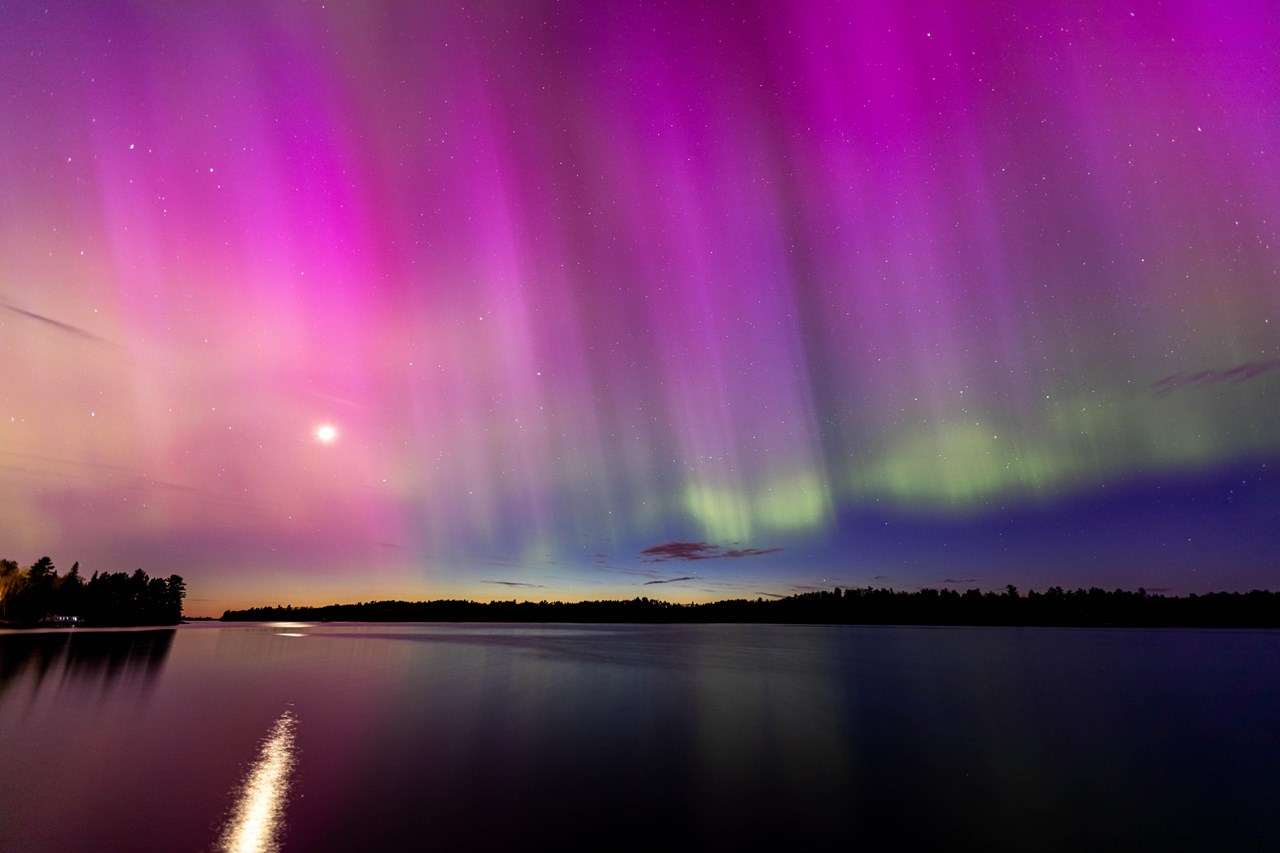
Voyageurs fees, hours and alertsThe only national park where the map is mostly water and the visitor centers come with docks. Voyageurs holds 84,000 acres of it, spread across four big border lakes - Rainy, Kabetogama, Namakan and Sand Point - with 655 miles of undeveloped shoreline and more than 500 islands. Most of the park has no road access at all, so the canoe is not recreation here; it is transportation. The signature move is the Kabetogama Peninsula's interior lakes: paddle in, portage over a ridge, and camp at one of 14 backcountry sites reachable only by water, with the lake to yourself. Rentals and water taxis run out of the gateway towns if you do not bring your own boat.
02Buffalo National River
Buffalo National River fees, hours and alertsAmerica's first national river, established by Congress in 1972, and still the argument for the category: 135 miles of free-flowing Ozark water under limestone bluffs, with no dam between Ponca and the White River confluence. Spring is the season. Rain puts the upper river up in March and April, and the bluff country past Ponca runs swift and technical; by June the middle and lower sections settle into an easy family float. Outfitters in every river town rent canoes and run shuttles, and gravel bars double as free campsites on multi-day trips. Buffalo Point, with its campground and launch, is the classic base.
03Ozark National Scenic Riverways
Ozark National Scenic Riverways fees, hours and alertsThe first time Congress protected a river as a national park: August 24, 1964, eight years before the Buffalo. The Current and Jacks Fork rivers rise from some of the largest springs in the country, so the water runs cold, clear and floatable all year, even when everything downstream is dry. The Current is the highway - busy, scenic, lined with gravel-bar campsites - while the Jacks Fork stays smaller and quieter. Alley Spring and its red mill is the postcard stop. Canoe rentals and shuttles are thick on the ground in Eminence, which calls itself the canoe capital of the Ozarks and gets no argument here.
04Everglades
Everglades fees, hours and alertsThe Wilderness Waterway is the commitment: 99 miles of mangrove creeks, bays and open Gulf water between Flamingo and Everglades City, roughly a week of paddling with nights on chickees - wooden platforms standing in the water, because there is no dry ground. It is one of the great canoe routes in North America, and also navigable by people with less vacation. The marked day trails out of Flamingo, like Nine Mile Pond, deliver the same mangrove tunnels in a morning. Winter is the sane season: December through April brings tolerable temperatures and the low-water clarity that concentrates the birds. Summer belongs to the mosquitoes.
05Big Bend
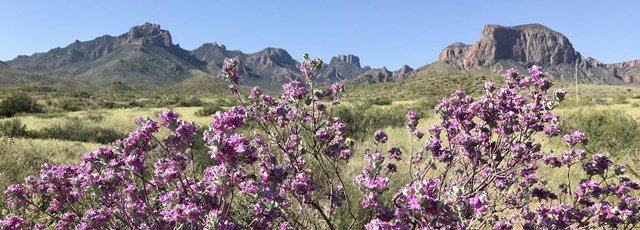
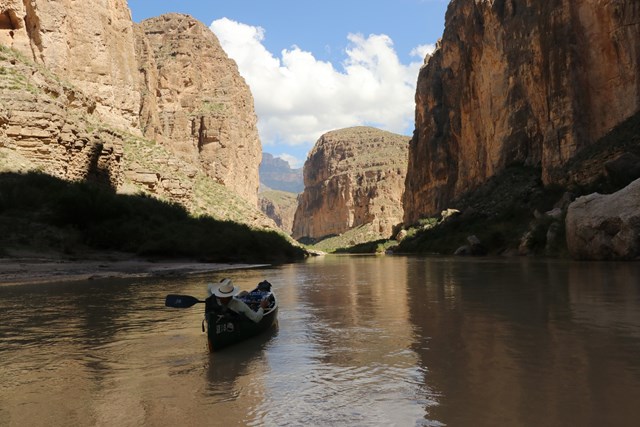
Big Bend fees, hours and alertsSanta Elena Canyon is Big Bend's most popular overnight river trip - the Park Service's own words - because you paddle into a limestone slit where the walls rise as much as 1,500 feet straight out of the water, on the Rio Grande with Mexico on one bank the whole way, and both the put-in and take-out sit beside a road. It is not a pure float, though, and the park is plain about the catch: two miles into the canyon, the Rock Slide rapid runs Class IV at certain water levels. The flow number decides what kind of trip you are on - 300 to 600 CFS is the window the park calls great for open canoes, above 600 is raft water, and a novice should reconsider the trip entirely past that line. Below it all, drought years run the river bony enough to drag. A backcountry permit is required for all overnight river trips, and a Terlingua outfitter or the park's current CFS reading should get a call before you commit the cooler. Boquillas Canyon does the same trick with fewer people.
06Congaree
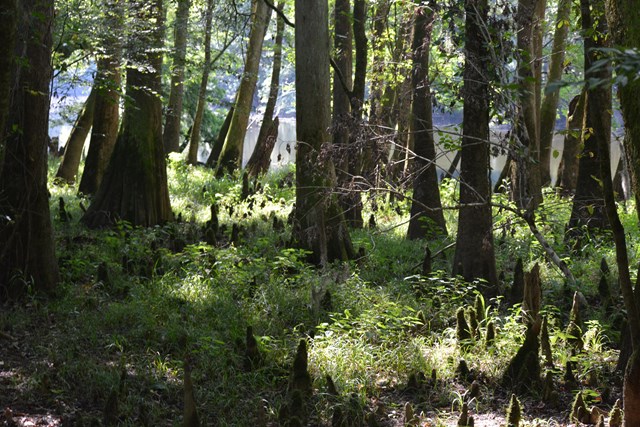
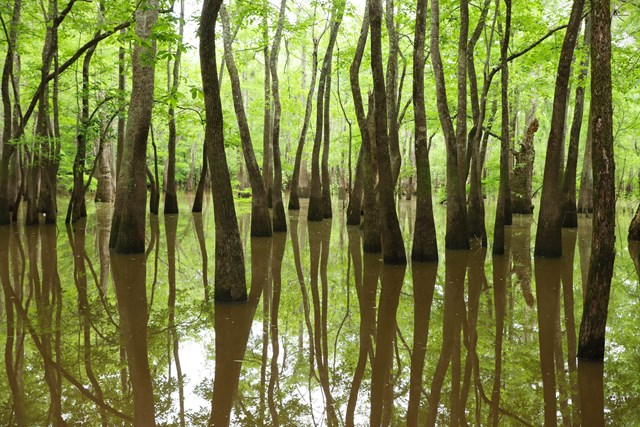
Congaree fees, hours and alertsThe largest intact old-growth bottomland hardwood forest in the southeastern United States, and the way in is by paddle. The marked Cedar Creek Canoe Trail winds about 15 miles through the Congaree Wilderness under a ceiling of champion trees, past bald cypress knees and, on the right night in late spring, synchronous fireflies. The creek is slow, shaded and forgiving - a genuine beginner's paddle that happens to pass through a cathedral. Water levels change the experience completely: too low means dragging over logs, flood means the forest floor becomes the river. The park posts trail conditions, and Columbia-area outfitters rent boats.
07Saint Croix National Scenic Riverway
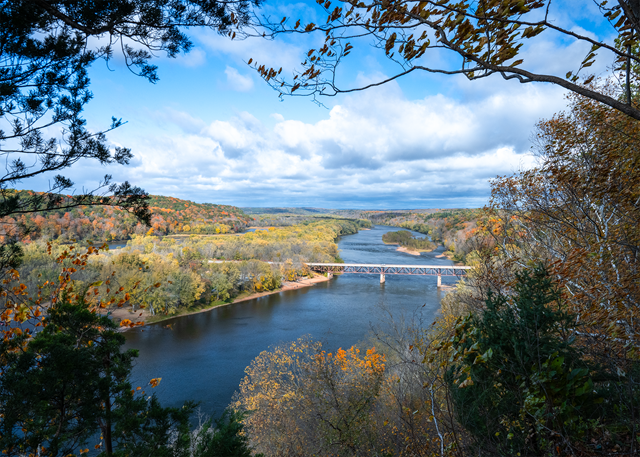
Saint Croix fees, hours and alertsTwo rivers for the price of one park: the Namekagon up top, narrow and intimate, and the St. Croix below, wide and sandy, together protecting 252 miles of waterway an hour from the Twin Cities. The Saint Croix was written into the original Wild and Scenic Rivers Act of 1968, which makes it one of the charter members of federal river protection. The paddling is gentle, the landings are frequent, and the whole system is built for multi-day trips with riverside campsites - the closest thing the Midwest has to a boundary waters experience without the boundary waters crowds.
08Delaware Water Gap
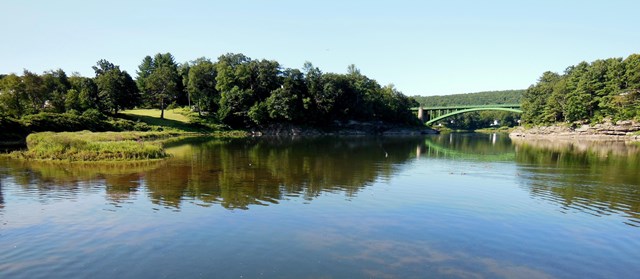
Delaware Water Gap fees, hours and alertsThe Middle Delaware runs 40 miles through the gap the river cut in Kittatinny Ridge, and the whole corridor is set up for the weekend canoeist: liveries that rent the boat, drive the shuttle and pick you up downstream, islands you can camp on, and current quick enough to feel like a river without ever turning into work. It is the most paddled stretch of a river that stays remarkably clean this close to two major metro areas. Fall color on the ridge is the season's argument; summer weekends are the crowds'.
09Isle Royale
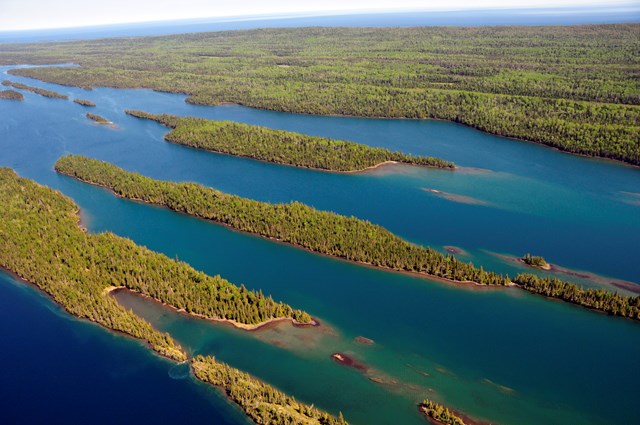
Isle Royale fees, hours and alertsAn island wilderness in Lake Superior where the ferries will carry your canoe on the crossing, and the reward is an archipelago of protected bays and inland lakes strung together by portage trails. The interior lakes are motor-free, the campsites are paddle-in, and the whole island runs on foot and paddle power - the closest the lower 48 gets to a Canadian shield canoe trip inside a national park. Superior itself is for experts only: cold, big and quick to rise. The smart itinerary paddles the protected northeast shore and leaves the open lake to the tour boats.
10Mammoth Cave
Mammoth Cave fees, hours and alertsThe longest cave in the world gets the press, but 30-plus miles of the Green and Nolin rivers wind through the park above it, and a canoe is the only way to see that half. The water is flat and slow, the banks are wooded bluff country, and riverside and island camping keeps it legal to turn a morning paddle into a two-day float - the permit is $10 per trip, bookable online up to a week ahead, with one honest caveat: it is subject to cancellation when the river runs high, and river levels must stay below 20 feet. Ferry crossings, springs and the occasional cave entrance sinking into the limestone give the river its karst personality. It pairs naturally with a cave tour: morning underground, afternoon on the Green.





How to plan a park canoe trip
Match the water to the crew. Slow, spring-fed rivers (Ozark, Niobrara, lower Buffalo) forgive beginners. Big lakes (Voyageurs, Isle Royale) demand weather judgment: wind on open water is the canoeist's real hazard, and the rule on big water is to paddle early and stay near shore. Wilderness waterways (Everglades) require navigation skills and tide tables.
Rent where it rents. Most parks on this list have gateway-town outfitters who provide the canoe, the life jackets, the shuttle and the current conditions report, all of which matter more than owning gear. The exceptions are the wilderness parks: at Isle Royale you bring or ferry your own boat, and in the Everglades backcountry you are on your own by design.
Check the water, not the weather app. River parks live and die by gauge readings. Too low and you drag; too high and the park closes launches. Every river park posts conditions or links the gauge, and the park pages below carry the alerts. The guide to reading park alerts is worth five minutes before any float trip.
Permits are the exception, not the rule. Day paddling rarely needs one. Overnight backcountry trips do - Voyageurs' interior sites, the Everglades' chickees, Yellowstone's backcountry - and the popular ones book ahead like campgrounds. Treat the permit as the reservation that makes the trip real, the same way you would a campsite.
A short history of the canoe
The canoe was North America's first long-distance vehicle. Indigenous builders perfected it in two materials - birchbark in the north woods, dugout on the coasts - and European arrivals simply adopted the design, because nothing else moved through this continent's river country. The entire fur trade ran on it: voyageurs paddling 36-foot Montreal canoes from the St. Lawrence to the Saskatchewan, which is not a metaphor but a supply chain.
Recreation arrived in the late 1800s, when city dwellers discovered the working boat was also fun. The American Canoe Association was founded in 1880, canoeing became fashionable enough to fill regattas, and the wood-canvas canoe became the weekend machine of the pre-automobile era. After World War II, surplus aircraft aluminum made the Grumman canoe - heavy, indestructible, cheap - and that is the boat most park visitors still rent today. The materials kept improving; the boat never changed. It did not need to.
All 74 parks with canoeing
Below are Park Service units that list canoeing, from 99-mile wilderness waterways to a quiet afternoon on a park pond. Check the alerts before you load the car - river parks close launches when the water says so.
Free to enter Charges an entrance feePoints are the Park Service reference point for each unit, not a boundary.
























Keep planning
- Kayaking in the parksThe same water, one blade shorter.
- Paddling in the parksEverything without a motor, whitewater included.
- River tubing in the parksThe lazy version.
- Backcountry camping in the parksWhen the paddle-in site is the point.
- The best time to visit a national park, by park typeRiver seasons, decoded.