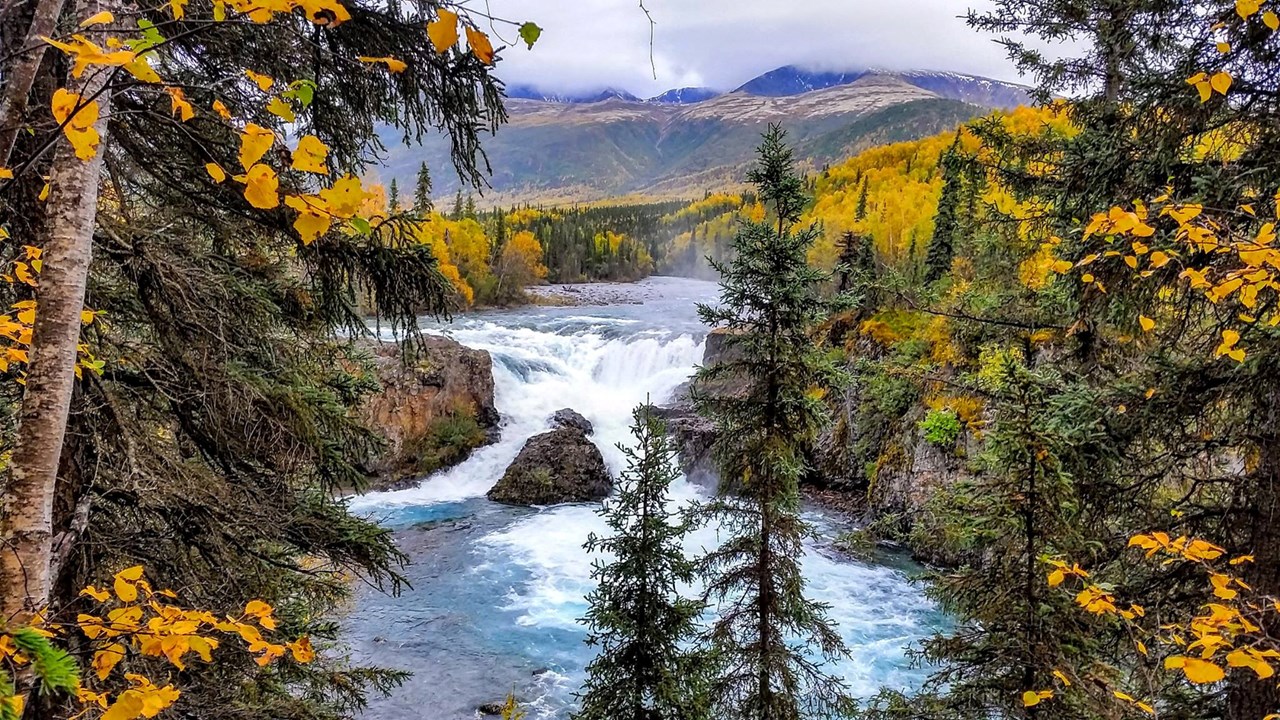
A plane can be the only road into an Alaska park, the best window on a glacier, or the point of an entire historic site. Those are three different trips. The Park Service lists 17 units with flying, but that does not say where a plane may land or whether a commercial tour is available.
The best aerial park trips start by deciding whether you want a flightseeing loop, transport into a roadless landscape, or a history stop on the ground. These ten cover the range. Pick the authorized operator and the actual landing place before paying; weather and park rules can change what a promising map seems to offer.
The ten best national park experiences involving flight
01Lake Clark: the plane is the entrance
Lake Clark fees, hours and alertsLake Clark has no road connection, so the small plane is how many visitors arrive. A floatplane can turn a lake into a landing place; a wheeled aircraft can use suitable open ground where park rules permit. The view on the way in is part of the appeal, but this is transport into a place where a weather delay may add days to your itinerary. NPS lists authorized air taxis and distinguishes their permissions from other guide operations. Ask where the flight lands and carry a buffer. A bear-viewing trip and a backcountry drop are not interchangeable just because both start at an airport.
02Wrangell-St. Elias: the park at its own scale
Wrangell-St. Elias fees, hours and alertsThe largest park in the system, Wrangell-St. Elias has roads that reach only a sliver of its interior. Flights from the McCarthy area can reveal the Bagley Icefield and the mountain-and-glacier scale that a road map cannot. A backcountry drop is a different undertaking from a sightseeing loop: check the authorized operator, landing location, pickup window and what happens when weather grounds the return flight. This is the trip for a landscape too large to understand from a turnout.
03Katmai: the bear country arrival
Katmai fees, hours and alertsKatmai makes a flight part of the bear-viewing plan. Air access to the Brooks Camp area is common; so is the need to arrange the rest of the trip around weather, lodging and park rules. The aircraft is not a magic shortcut past bear safety. Book through a permitted operator, know the actual arrival point and give yourself room for a delayed departure. A good flight opens the visit. It does not replace the briefing once you land.
04Grand Canyon: the managed sky
Grand Canyon fees, hours and alertsA Grand Canyon air tour offers a very different scale from the trail: rim, river and plateau in one view. The park and federal aviation agencies manage routes and noise over the canyon, so a scenic flight is not permission for a pilot to choose any line or land anywhere. Scenic tours are based outside the park, according to NPS. Compare operators by the published route, aircraft type and departure point, not just the photograph on the booking page. If the canyon itself is the goal, a ground visit is still the way to feel its depth.
05Isle Royale: the lake crossing
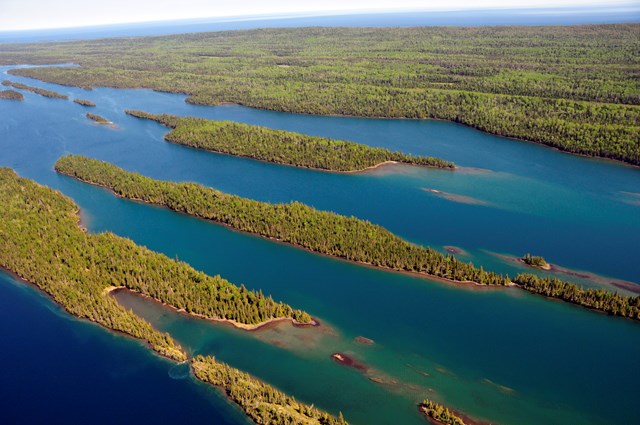
Isle Royale fees, hours and alertsIsle Royale is reached by boat or seaplane; NPS identifies Isle Royale Seaplanes as the concessionaire serving Rock Harbor and Windigo from the Michigan side. A short flight across Lake Superior buys more time on the island, but the park warns that weather can delay transport. Pack the essentials even for a day trip in case it becomes an overnight, and confirm the concessionaire's current season before arranging lodging or a trail itinerary. The island will not hold the departure for your schedule.
06Kenai Fjords: the icefield from above
Kenai Fjords fees, hours and alertsKenai Fjords is accessible near Seward by road, boat and air, with the Harding Icefield giving a flightseeing loop its purpose. See the glaciers from above, then decide if a boat or land visit fits the rest of the day. The critical booking question is landing: NPS says helicopter landings inside the park require a special-use permit and are generally prohibited without one. A glacier-landing package near Seward may land outside the boundary. Ask the operator for the route and landing location in plain words.
07Kobuk Valley: the dunes beyond the road
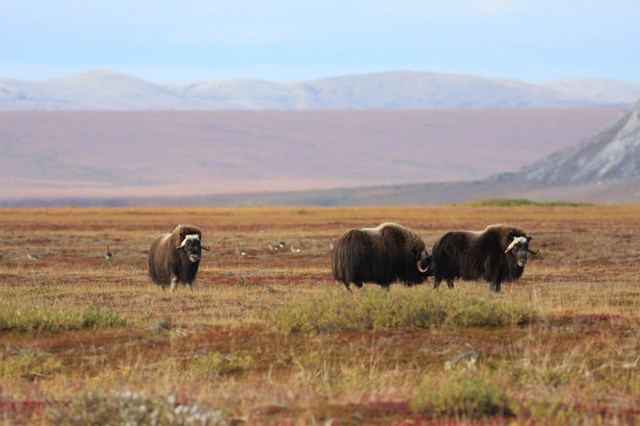
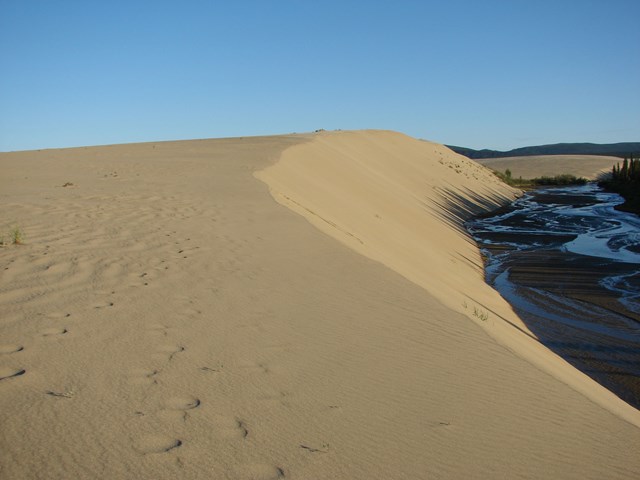
Kobuk Valley fees, hours and alertsThe Great Kobuk Sand Dunes are a surprise from the air: pale sand in Arctic country, with no drive-up viewpoint. A charter from the region can make a remote visit possible, but an actual landing and overnight stay demand far more preparation than a scenic pass overhead. Discuss the landing surface, weather alternate, communications and return plan with an authorized operator. There is no visitor center waiting at the dunes to fix a thin plan.
08Noatak: a flight that starts a river trip
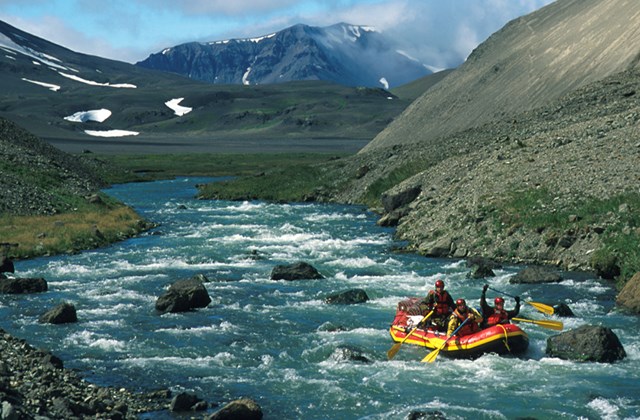
Noatak fees, hours and alertsAt Noatak, a plane can drop a party and its boats at the start of a long wilderness float, then return for pickup downstream. It is a transport service, not a casual scenic add-on. River level, landing area, food and communication gear all matter before the first mile of paddling. The view from the plane makes the scale obvious: this is not the river you leave by taxi when the weather turns. Plan with the air operator and the park's current access guidance.
09Bering Land Bridge: the Seward Peninsula from the air
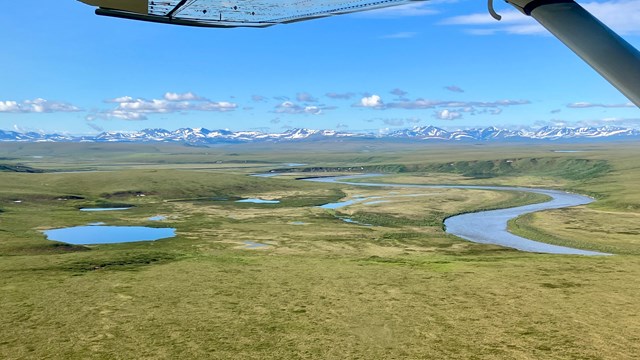
Bering Land Bridge fees, hours and alertsBering Land Bridge is a roadless preserve of hot springs, volcanic landscapes and long distances. A flight from the Nome region can reach the Serpentine Hot Springs area and show how much space lies between landmarks. Confirm the exact landing and whether a visit needs self-sufficient overnight gear. A remote hot spring is still remote after the aircraft leaves.
10Wright Brothers: the flight that started the list
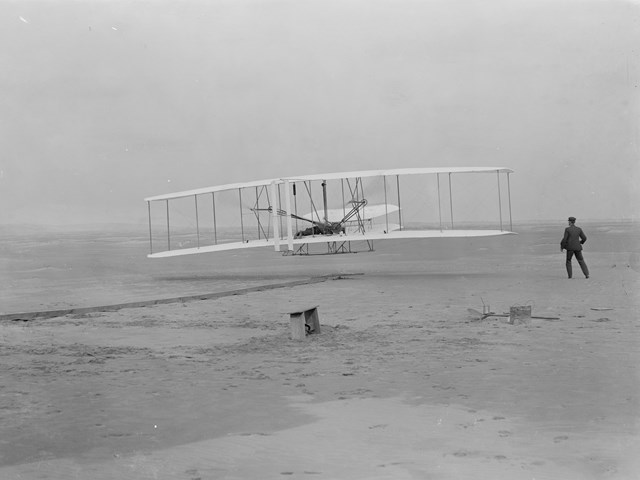
Wright Brothers fees, hours and alertsThe flight at Wright Brothers National Memorial happened on December 17, 1903. You come here on the ground to understand how much work went into a brief journey over the sand. The first-flight boulder and the field give scale to an achievement easy to flatten into a photograph. It is the only entry on this list where the best aviation trip requires no aircraft seat.




When to fly: four planning windows
Spring is for checking the operator, not assuming the season. Seaplane and Alaska air-taxi schedules ramp up with conditions. Ask about the first available operating dates and what happens if weather delays the flight. A published park opening is not an operator's guarantee.
Summer makes access possible and reservations scarce. This is the main season for many Alaska flights and Isle Royale service. Book the transport alongside lodging or permits, then keep buffer days at both ends. A remote flight squeezed between two fixed connections is a fragile itinerary.
Fall can give a quieter sky but a shorter margin. Service may taper, daylight shrinks and weather interrupts more often. Check pickup windows and the operator's cancellation terms before committing to a backcountry drop. A scenic loop is easier to move than a multi-day extraction.
Winter changes the aircraft question. Do not assume a summer landing surface or a seaplane schedule exists in cold months. Grand Canyon sightseeing may operate under different conditions, but compare current routes and weather with an authorized provider. The date is only one part of the go/no-go call.
How to book a park flight without guessing
- 1
Choose the purpose first. An air-taxi arrival, a scenic loop and a landing inside a park have different rules. Ask the operator which one it is, where it crosses the boundary and where it lands.
- 2
Use the park's current operator guidance. Lake Clark and other fly-in units list authorized air taxis. A pretty booking page is no substitute for the current park list and the operator's actual permit or concession status.
- 3
Build in weather time. Alaska and Lake Superior can turn a day trip into a delay. Ask about rebooking, the return pickup and what essentials you need if you stay longer than planned.
- 4
Do not treat a drone as a personal air tour. NPS policy generally prohibits launching, landing or operating uncrewed aircraft on park lands and waters except as specifically allowed. Check the particular park before packing one; FAA rules and park rules both matter.
A short history of flying in the parks
The Wright brothers' successful flights on the Outer Banks in 1903 were brief enough to measure in seconds. Today their memorial is a park unit, and the flight field is a place to walk across. Its value lies in putting a body back into a story usually told by machines and distances.
Aircraft later changed which park landscapes ordinary visitors could reach. In roadless Alaska, a plane can land on a lake or suitable open ground where a wheeled road would be improbable. The same aircraft can carry supplies, people and emergencies, but access also creates noise and pressure in places valued for their quiet. The airplane became a doorway and a management problem at the same time.
Grand Canyon air tours make that tension visible: the park's overflights program is about both access to the view and sound on the ground. Kenai Fjords' helicopter rule makes a related distinction between looking from above and setting down inside. The first-flight memorial asks what flying made possible. The rest of this page asks how to do it without pretending the sky has no boundaries.
All 17 parks with flying
Below are Park Service units that list flying. Check each park's current access guidance, operator service and the flight's exact route before making plans. A scenic flight and a landing inside a park are different trips.
Free to enter Charges an entrance feePoints are the Park Service reference point for each unit, not a boundary.