The Park Service lists 60 units with hunting and gathering, but a listing is not permission to take wildlife or plants. In one unit a visitor may apply for a mapped public hunting area; in another, regulated hunting occurs under state and preserve rules; in parts of Alaska, subsistence is a right tied to qualified residents and specific lands. The person, place, species, season, equipment and permit all have to fit the actual rule.
That is why this page starts with the legal setting rather than a promise of game. These five examples are different access models, not a list of open places to hunt today. The full Park Service list is below. If you cannot verify each part of your own plan with current park and agency rules, do not carry weapons or collect anything on the assumption that the activity is allowed throughout a park.
Three mapped public-hunt programs
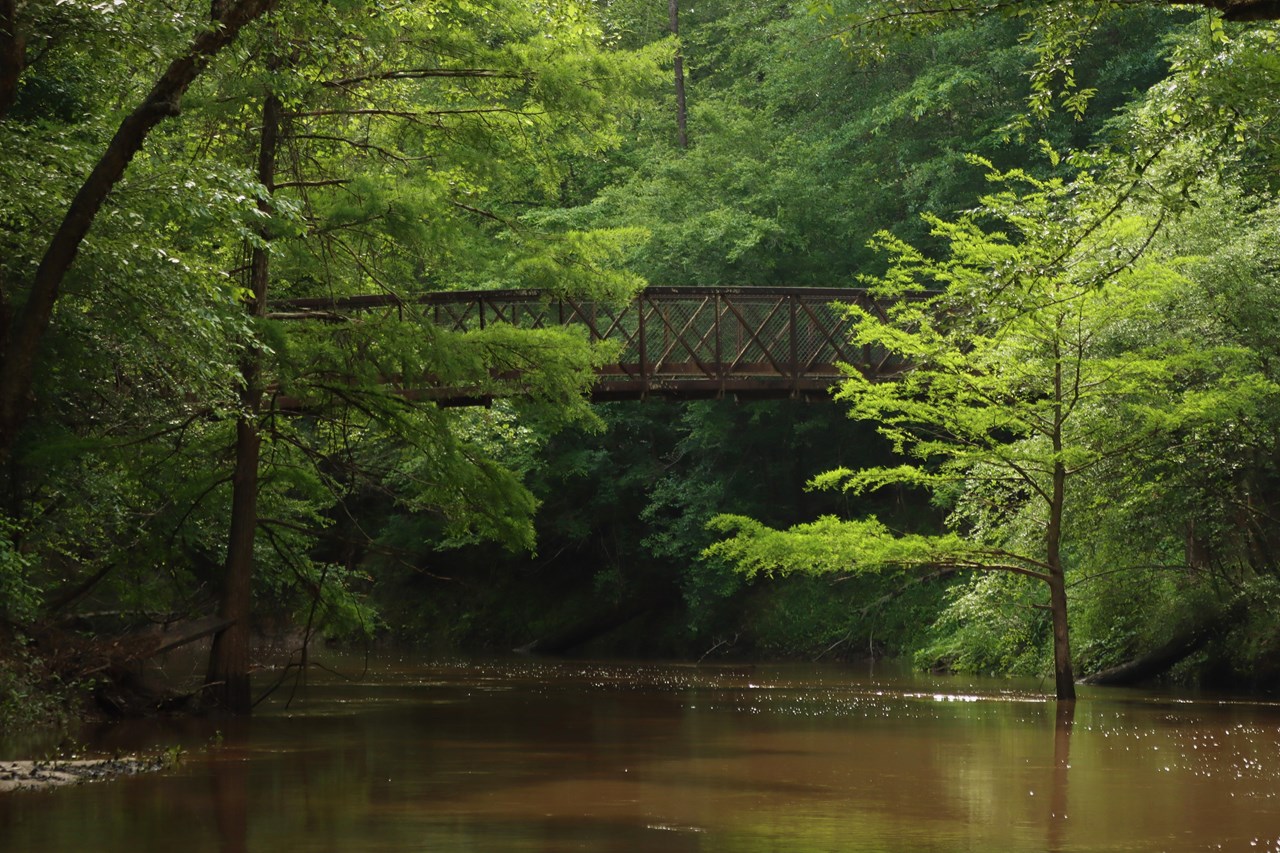
01Big Thicket: choose one area and return the report
Big Thicket fees, hours and alertsBig Thicket National Preserve in Texas allows hunting in designated areas in fall and winter. Its NPS hunting page lists 14 areas for the 2026-27 season, with limited permit allocations and one selected area per hunter. A valid Texas hunting license and a free Big Thicket permit picked up in person at the visitor center are required; it is not an online or telephone permit. Species listed include white-tailed deer, feral hogs, squirrels, rabbits and waterfowl, each under its own season and legal-method rules. Obtain the current area map and regulations rather than assuming a preserve trail opens the adjacent forest to hunting.
The park requires a harvest report returned by April 1 even if you never hunted or took game. Its 2026 rules say a late report delays next season's permit, while a report not returned makes the holder ineligible the following season. That is an important obligation to put on the calendar after the hunt. Big Thicket is used by hikers and other visitors during hunting season; respect boundaries, private property and all safety restrictions. ATVs, UTVs and similar machines are prohibited without a separate special-use permit, with a disability access program described by NPS. A hunting permit is not an ORV permit.
The page also names a special January-February hog rule allowing some permit holders into additional designated areas, but do not apply that exception to deer or other species. The 2026-27 map and dates are useful examples only until next season's booklet replaces them.
02Big Cypress: Florida seasons within a national preserve
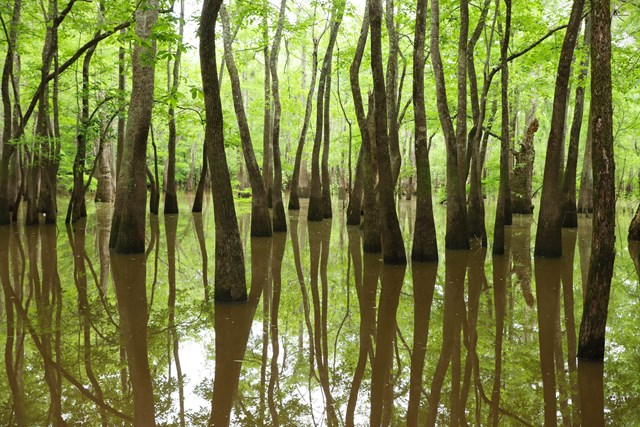
Big Cypress fees, hours and alertsBig Cypress National Preserve in Florida expressly protects regulated hunting and fishing as uses of the preserve. The NPS guidance describes archery, muzzleloading and general-gun periods, with white-tailed deer, wild turkey and wild hog among species pursued. The preserve is part of the Big Cypress Wildlife Management Area, and the National Park Service works with the Florida Fish and Wildlife Conservation Commission. Current state license, permit, season and bag rules have to be read alongside park-specific limits.
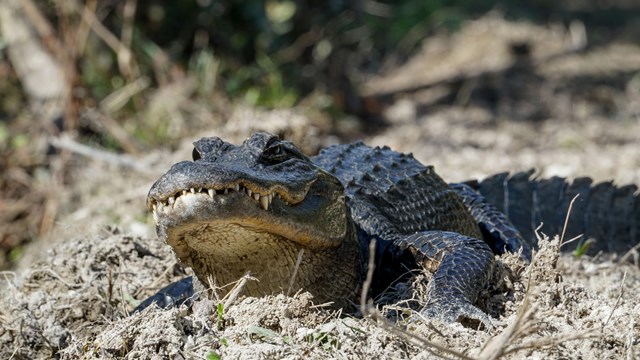
NPS warns that rules change annually. Alligator hunting is prohibited inside the preserve, even though it may be lawful elsewhere in Florida under other rules. Do not carry a state permission across the park boundary without checking whether NPS allows that species and method. Likewise, an ORV trail or hunting access route is not a hunting zone by itself; match the current wildlife-management map, season and vehicle authorization to the trip. This is a preserve with shared wildlife and visitors, not a private lease.
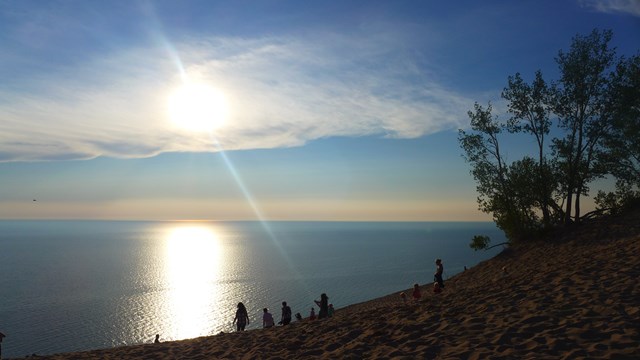
03Amistad: designated shoreline areas, restricted methods
Amistad fees, hours and alertsAmistad National Recreation Area on the Texas border has five specific public hunting areas in its 2026-27 NPS guidance. NPS lists different species and legal methods: some big game and hogs by specified bows, and certain birds or rabbits by shotgun with birdshot. Rifles and handguns are prohibited on its public hunts. Applicable Texas licensing does not replace the required Amistad hunting permit, and possession of a state license does not open every shoreline or day to hunting.
The park publishes maps of each hunt area with boundary and access details. Reservoir water level can change exposed land and boat access, so check the current map, designated entrances and field conditions. NPS's 2026-27 page described a park permit application and fee, but these are annual program details: use the current booklet for the price, application sequence, allowed equipment, season and special conditions before committing. A hunter must have the actual issued permit, not just a submitted application or payment receipt.

Alaska: preserve sport hunting is not subsistence eligibility
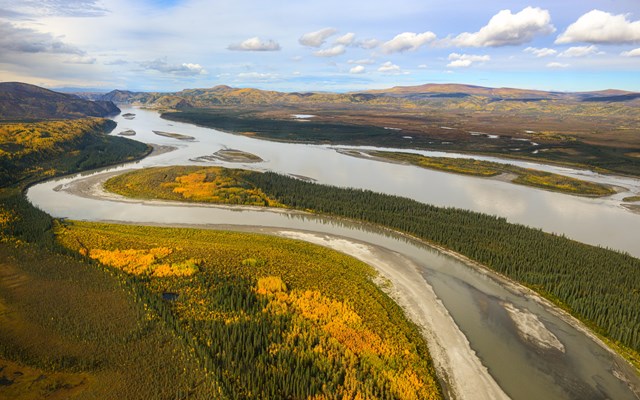
04Bering Land Bridge: sport hunting and private land boundaries
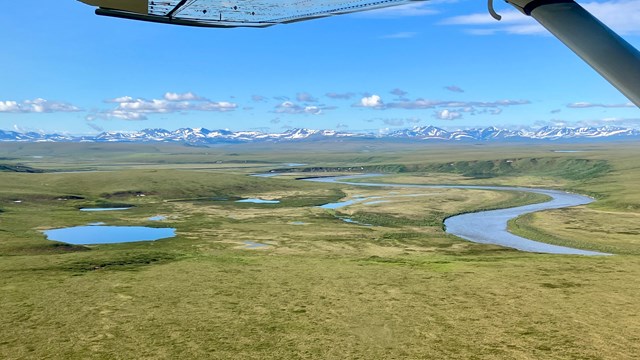
Bering Land Bridge fees, hours and alertsBering Land Bridge National Preserve in Alaska allows sport hunting and trapping subject to required state licenses, permits and regulations. Its NPS hunting page says hunters age 16 or older need an Alaska license and that limits vary by species and area. NPS and Alaska manage preserve wildlife cooperatively. The public-land designation does not erase other landowners: the park warns that many locations within the preserve are private and require the owner's permission to enter.
That NPS page was last updated in 2015, so treat it as a description of the legal framework, not a live species or season booklet. Check the current Alaska game-management unit map, state rules, federal rules if applicable and ownership before a remote trip. Access, weather and emergency plans matter in a preserve far from a road. A visitor's sport license does not make the person a qualified subsistence harvester or permit entry onto private land.
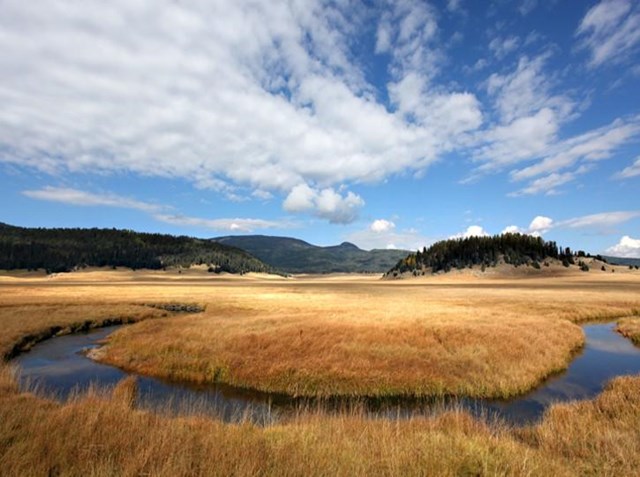
05Denali: qualification and the park's historical boundary
Denali fees, hours and alertsDenali National Park & Preserve shows why "Alaska subsistence" cannot be treated as a visitor activity. According to NPS eligibility guidance, lands added to the original Mt. McKinley National Park under ANILCA may be open to qualified subsistence hunting, trapping and fishing, while the former Mt. McKinley park area is not open to subsistence use. The park recognizes specified resident-zone communities for additions, and certain people outside those communities with a documented family or personal history of subsistence use at ANILCA's passage may apply for a superintendent's special subsistence-use permit.
Eligibility is not established by being an Alaska visitor, buying a state hunting license or seeing Denali on the Park Service list. Even eligible users must follow federal subsistence regulations: customary and traditional use determinations, species, areas, seasons, limits and methods. Preserve lands can also have sport hunting under a different rulebook. Identify exactly which unit and land status a plan crosses, then ask the park and consult the current federal and state regulations. NPS's cited eligibility explainer is old and should be rechecked before publication or action. A right in an addition does not extend through a historic boundary simply because the map shows one continuous park name.

Gathering is a separate permission question
The combined activity label does not grant a visitor authority to gather edible plants, fungi, firewood, artifacts or animal material. Parks can permit limited collection of specific natural foods for personal use under a superintendent's current compendium, while subsistence and traditional uses may have different eligibility and scope. The fact that hunting is allowed in part of a preserve says nothing by itself about plant collection there. For visitor collection examples and the need to read species-specific limits, use the separate gathering and foraging directory.
Before you travel with hunting equipment
Locate the current park unit and designated area map, then the applicable state or federal regulation booklet. Confirm species, season, weapon or trapping method, license, park permit, landowner permission, access restrictions and harvest-reporting duty. Check current alerts and nearby public-use areas. When documents disagree or an old park page is ambiguous, ask the responsible park office before entering the field. Do not infer an exemption from a park listing, a preserve name or someone else's subsistence status.
All 60 Park Service units that list hunting and gathering
The Park Service lists 60 units with hunting and gathering, but public access and harvest rules vary by park. Resolve each person's eligibility and exact place under current rules before any harvest.
Free to enter Charges an entrance feePoints are the Park Service reference point for each unit, not a boundary.