The best souvenir of an art park is the one you make there. At Weir Farm you can sit down and paint the same Connecticut hillsides that drew three generations of painters. At Lowell you can try weaving after hearing eighty power looms shake the floor. At Fort Stanwix a ranger will put wool cards in your hands and let you find out how slow a sweater really starts. The Park Service lists 31 units with arts and crafts, and the good ones share a trait: they treat making things as a way to understand the place, not a rainy-day filler.
Start with the experience you want: unstructured sketching, a guided workshop, a family drop-in, or a demonstration by someone practicing a living tradition. The ten below cover all four. One warning applies everywhere: a park that offers crafts and a park offering crafts today are different things, so find the dated program before you promise anyone a project.
The ten best parks for arts and crafts
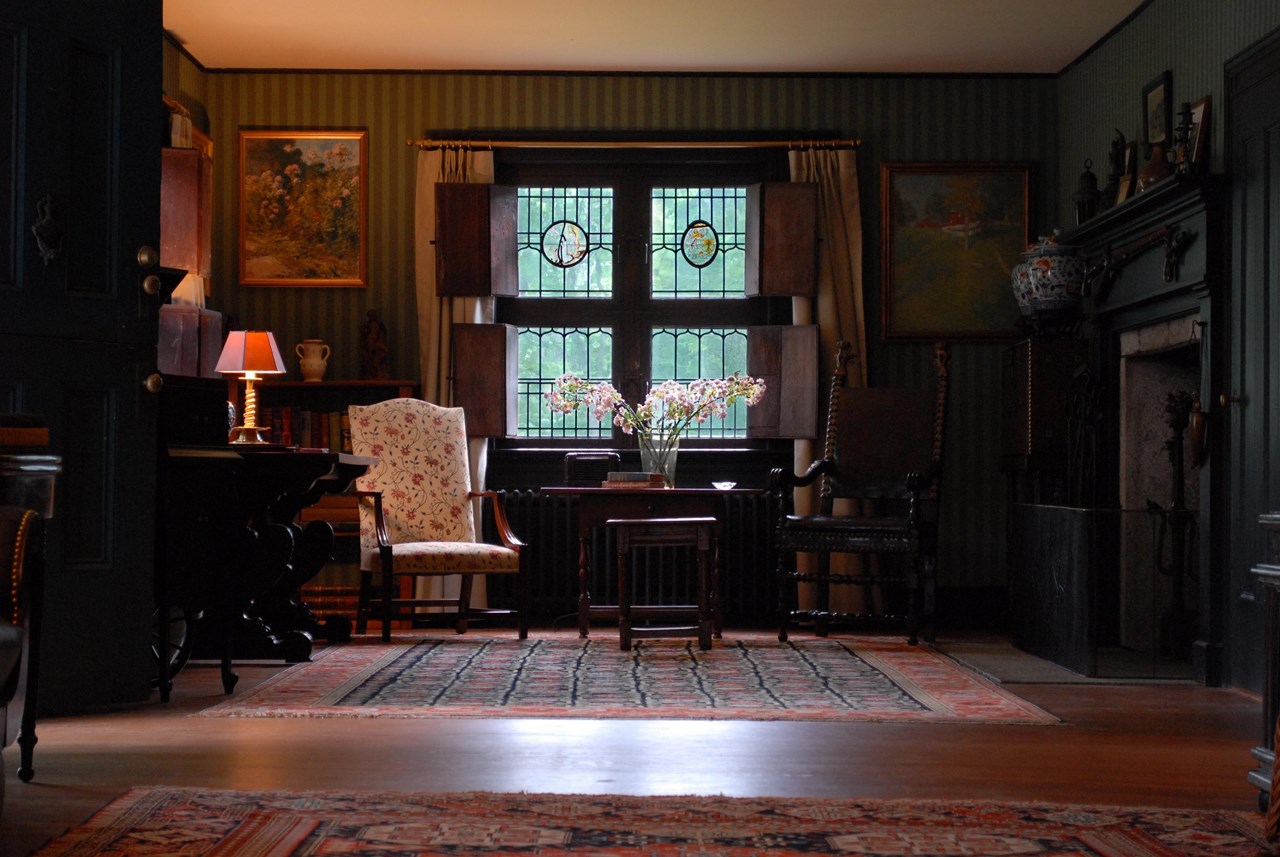
01Weir Farm: paint where artists painted
Weir Farm fees, hours and alertsWeir Farm is the rare park where making your own art is the point of the visit. The Weir, Young and Andrews families lived and worked on this landscape; the house and studios hold their paintings, but the fields and stone walls are an open-air studio for anyone. Pick up the painting-sites guide, choose a view and make your version of it. No class, no reservation, no talent threshold.
The park invites art-making year-round. Bring your own supplies for the surest plan. During the May-through-October visitor season the park lends free colored-pencil and watercolor kits on set days, first come, first served, and runs free Impressionist painting workshops that require registration and fill fast. If you bring wet media, read the artist guidance: carry gear in yourself, pack out all waste, and keep paint out of the restroom sinks. A small portable kit beats an elaborate easel setup on a first visit.
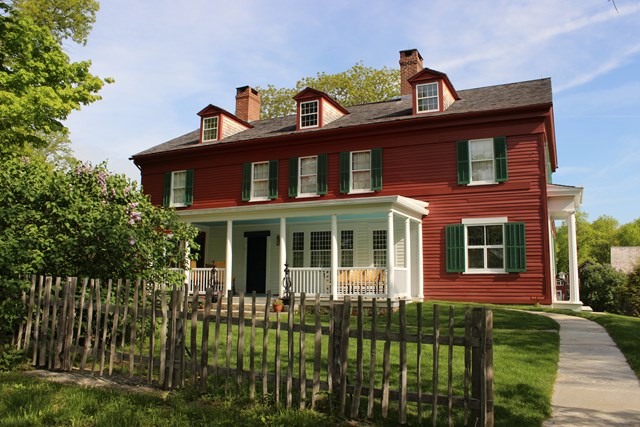
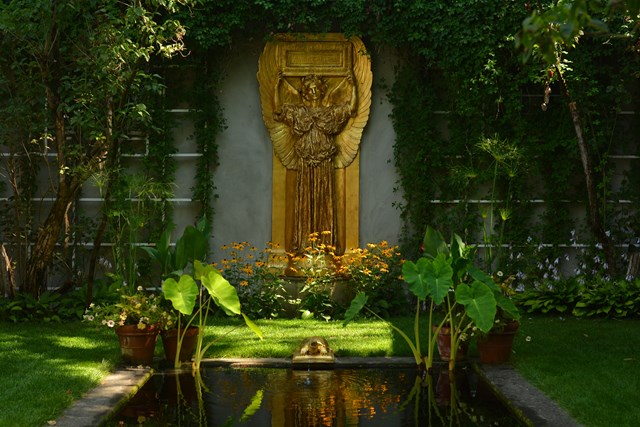
02Saint-Gaudens: make art at a sculptor's home
Saint-Gaudens fees, hours and alertsAt Saint-Gaudens in Cornish, New Hampshire, the grounds and galleries tell the story of Augustus Saint-Gaudens and the Cornish Colony around him. The Art in the Park program hands visitors materials and prompts for making something of their own, with an art table running most days in visitor season. The sculpture here is the best argument in the system for trying it yourself.
For more direction, watch the calendar for sculpture workshops, plein-air sessions and Process of Sculpture demonstrations, and look for the sculptor-in-residence at work in the Ravine Studio. Those are scheduled events, not standing appointments. But even between programs, a slow walk through the galleries followed by an hour with the art-table materials is a complete visit.
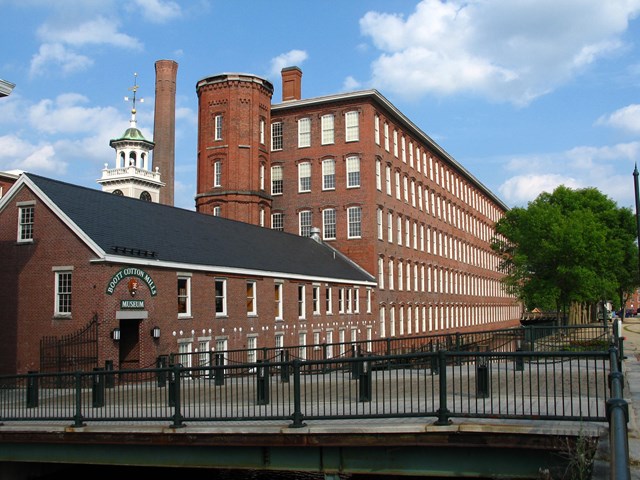
03Lowell: try weaving after hearing the looms
Lowell fees, hours and alertsLowell tells an industrial art story. The Boott Cotton Mills Museum's weave room holds more than 80 power looms from the 1920s, and some still run, making the noise and pace of mill labor physical in a way no photograph manages. The loom demonstrations run daily in season and take about 15 minutes.
The hands-on part is separate and free: Hands-On History workshops on the museum's third floor put weaving and other industrial skills in visitors' hands, drop-in and all ages. Note the split: the museum charges admission, the workshops do not, and each keeps its own schedule, so check both. For anyone who wants to understand cloth rather than admire it, this is the best pairing on the list.
04Fort Stanwix: the most hands-on fort in the system
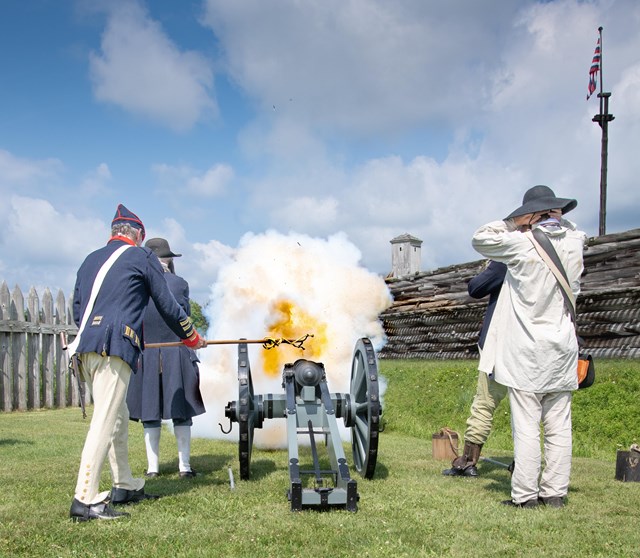
Fort Stanwix fees, hours and alertsFort Stanwix in Rome, New York, bills itself as a hands-on park and delivers. Through the summer, living history programs run daily and change weekly: card wool with a camp follower, help a family with its chores, join the crew of a cannon. The 18th-century trades here are not behind glass; the park's whole method is putting the work in your hands.
Because the program rotates, the specific craft you get is the luck of the day. That is a feature, not a flaw: go without a fixed expectation, stay for two or three demonstrations and let the fort set the agenda. Families with kids who need to touch things should put this high on the list.
05Tumacácori: meet the maker, not a simulated craft
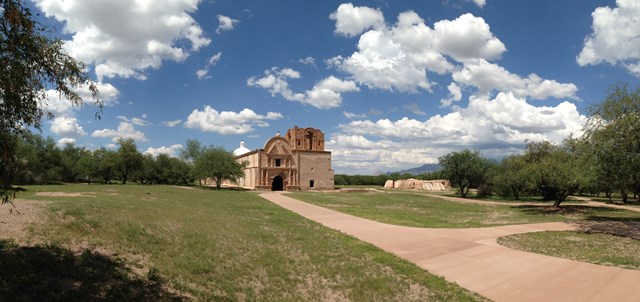
Tumacácori fees, hours and alertsTumacácori brings cultural demonstrators to the mission grounds: tortilla making, paper flowers, O'odham basket weaving, leatherwork and ironwork among them, with the demonstrator page naming individual artists and the calendar saying who appears when. Tortilla demonstrations run Saturdays and Sundays in the cooler months.
A demonstration is a chance to watch and listen, not necessarily a lesson you join or an item you take away, so ask before assuming participation. What you get instead is rarer: a living practitioner of a tradition the mission landscape shaped, happy to explain it. That trade is worth it.
06Marsh-Billings-Rockefeller: art in a working forest
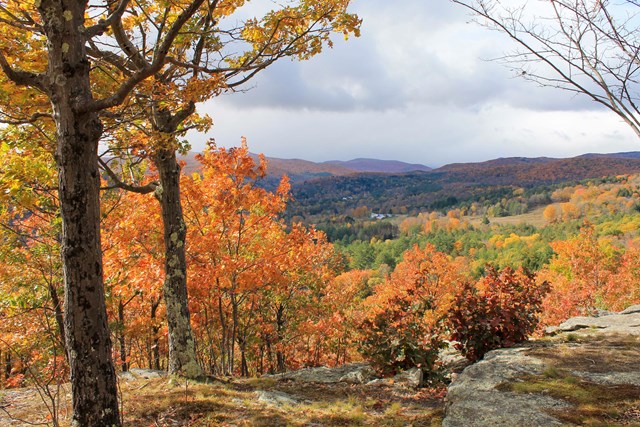
Marsh - Billings - Rockefeller National Historical Park fees, hours and alertsMarsh-Billings-Rockefeller in Woodstock, Vermont, is the national park of conservation history, and it keeps an artist-in-residence program to match. Resident artists work in the park's managed forest and lead workshops for visitors, typically requiring advance registration. The mansion's own collection of Hudson River School paintings gives the practice context: this landscape has been provoking painters for 150 years.
The workshop page has lagged the current season before, so treat the calendar, not the evergreen page, as the schedule. Even without a workshop, the combination of gallery, garden and forest trails makes this the most quietly artistic walking park in New England.
07Jean Lafitte: bring your own craft to Eunice
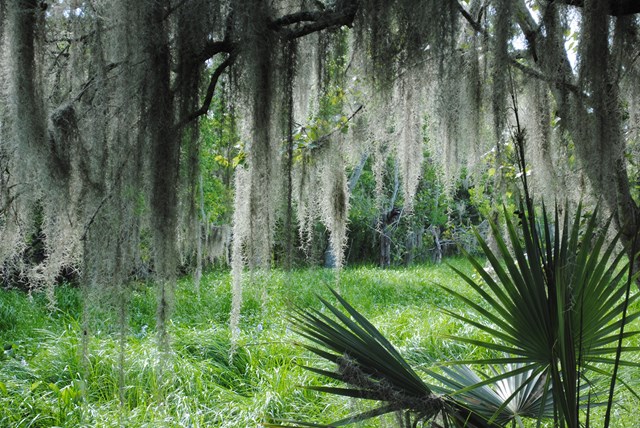
Jean Lafitte fees, hours and alertsThe Prairie Acadian Cultural Center in Eunice, a unit of Jean Lafitte, runs a free Crafts Club: bring whatever you are working on and spend an hour sharing skills with rangers and neighbors, in a part of Louisiana where handcrafts are a core tradition rather than a hobby. The club meets monthly, with some supplies available for those who arrive empty-handed.
This is the least formal entry on the list and one of the most genuine. You will not leave with a park-branded project; you will leave having made something alongside people for whom craft is inheritance. Pair it with the center's Saturday music program and Eunice earns a full day.
08Pipe Spring: crafts of the Arizona Strip
Pipe Spring fees, hours and alertsPipe Spring, a frontier ranch inside the Kaibab Paiute reservation in far northern Arizona, runs ranger programs in the cooler hours of summer days, including demonstrations of pioneer and Kaibab Paiute crafts and lifeways. The setting does half the teaching: a stone fort, a working ranch and two cultures that depended on the same spring.
The monument is remote, which keeps crowds small and programs personal. Fold it into a Zion or Grand Canyon North Rim trip rather than making it a destination on its own, and time your arrival for the morning hours when demonstrations run.
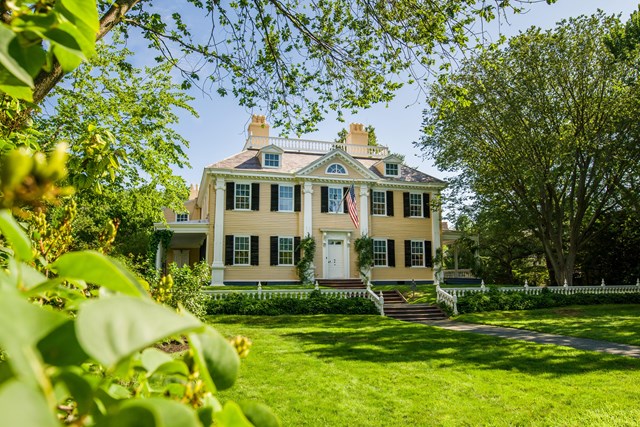
09Longfellow House: watch for family craft days
Longfellow House fees, hours and alertsLongfellow House-Washington's Headquarters in Cambridge uses crafts to bring younger children into poetry and history. Its summer Family Fundays offered free drop-in crafts and lawn games on Sundays for ages 2 to 10, no reservations needed. The most recent season has concluded, so treat this as a pattern to watch, not a standing invitation.
Check the park calendar when the next summer approaches. If no craft event lands on your date, the house tour and grounds still earn the stop, but go knowing which visit you are getting, especially with a child who expects to make something and take it home.
10Fort McHenry: period trades with the Guard
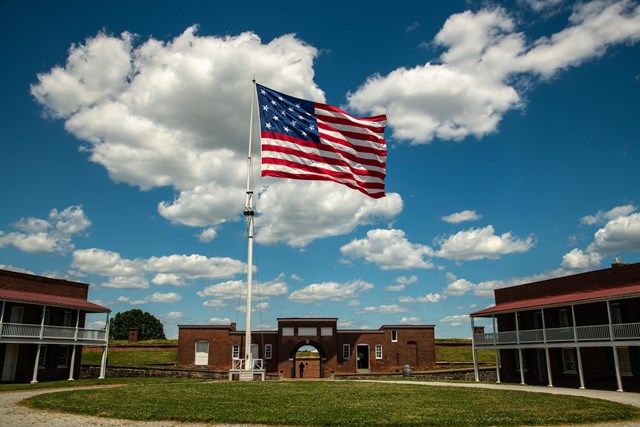
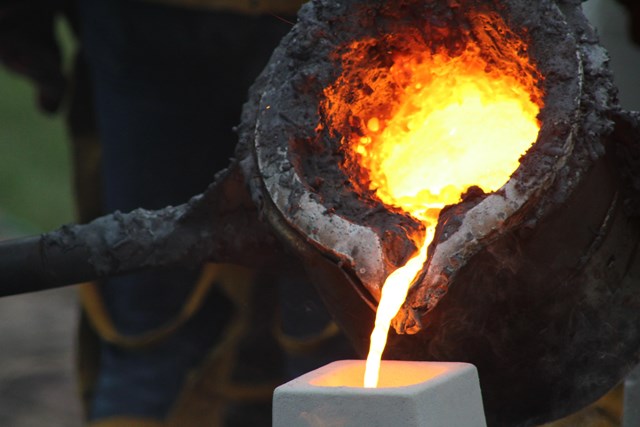
Fort McHenry fees, hours and alertsFort McHenry is famous for its flag, but its living-history programs include period trades demonstrated by the park's trained Guard, from blacksmith work to the daily crafts of a working 19th-century fort. The same programs bring out the fife and drum, which makes this a two-for-one for anyone who also reads our live music page.
Programs concentrate in summer and on fall weekends, weather and staffing permitting, so check the event calendar for your date. And one practical note: the black-powder demonstrations are loud, which is either a warning or a promise depending on your group.

When to go
Summer is workshop season. Fort Stanwix, Pipe Spring, Saint-Gaudens and Longfellow all concentrate programs between June and August, and artist residencies hit full stride. It is also when Weir Farm's supply kits and Lowell's looms keep their fullest schedules.
Fall and winter shift crafts indoors. Tumacácori's demonstrators work the cooler months, Jean Lafitte's Crafts Club meets year-round, and the museums at Lowell and Saint-Gaudens make strong cold-weather visits with smaller crowds.
Spring is the calendar season. Many parks post summer program schedules in April and May, and popular free workshops like Weir Farm's open registration then. If a specific workshop is the reason for your trip, spring is when you win it.
How to plan a park craft day
- 1
Choose the format first. Make-it-yourself, taught workshop, family drop-in and expert demonstration are four different outings. Pick the format, then the park.
- 2
Find the dated program. A park that offers crafts and a park offering crafts on your date are different things. The park's current event calendar is the only schedule that counts.
- 3
Check the money split. Admission, workshop fees and registration often run separately, even inside the same building. Lowell's free workshops beside its paid museum is the model to check against.
- 4
Bring supplies only where invited. Weir Farm welcomes your sketchbook under clear rules; other parks provide everything. The park's artist guidance page settles it.
- 5
Ask before joining a demonstration. Some makers invite participation and some are performing a craft. The artist sets the terms.
How the parks became art studios
The national parks owe their existence partly to artists. When Thomas Moran joined the Hayden survey of Yellowstone in 1871, his watercolors and sketches did what expedition reports could not: they showed Congress the place. His seven-by-twelve-foot canvas The Grand Canyon of the Yellowstone went on display in the Senate in 1872, the year Yellowstone became the first national park, and Congress bought it for $10,000 to hang in the Capitol. The pattern repeated across the West, with painters and photographers making the case for park after park.
The New Deal turned the relationship into a program. WPA artists produced the now-famous national park poster series between 1938 and 1941, and CCC craftsmen built the lodges, furniture and ironwork that defined the rustic park look, much of it still in use. Parks stopped being merely subjects of art and became employers of artists.
Today the loop has closed. More than 50 Park Service units run artist-in-residence programs, and parks like Weir Farm and Saint-Gaudens exist explicitly to keep American art history working rather than embalmed. The newest development is the visitor as maker: art tables, supply kits, crafts clubs and hands-on trades programs that put materials in your hands. Moran showed the country why the parks were worth keeping. The parks' answer, a century and a half later, is to hand you a pencil and let you see for yourself.
All 31 parks with arts and crafts
Below is every Park Service unit that lists arts and crafts. Click through for each park's fees, hours and alerts. The cards are not a live class schedule: use each park's official event calendar to choose a session near your visit.
Free to enter Charges an entrance feePoints are the Park Service reference point for each unit, not a boundary.






Keep planning your trip
- Arts and culture in the national parksMuseums, collections and the wider creative map
- Craft demonstrations in the national parksMore places where watching a maker is the main event
- Cultural demonstrations in the national parksLiving traditions, practiced in front of you
- Live music in the national parksThe performing side of the same idea