Wind Cave National Park
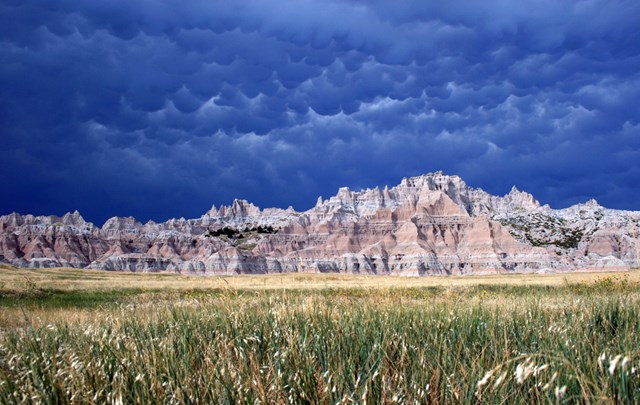
Wind Cave National Park protects two very different worlds - one deep within the earth, the other a sunlit world of many resources. Bison, elk, and other wildlife roam the rolling prairie grasslands and forested hillsides of one of America's oldest national parks. Below the remnant island of intact prairie sits Wind Cave, one of the longest and most complex caves in the world.
Alerts
- InformationNatural Entrance Tour Route Closes For Season October 1, 2026
The Natural Entrance Tour Route will be closed for the season beginning October 1st, 2026. The Garden of Eden, Fairgrounds, and Accessibility Tour Routes remain available. This annual closure will last through the winter season.
- InformationCentennial Trailhead Parking
Reminder: Overnight parking without a camping permit is prohibited. Permits are not issued specifically for parking. Shuttles are available in the Black Hills for through hikers on the Centennial Trail.
- InformationWind Cave moves to cashless fee collection
Payments for cave tours, campground fees, as well as Interagency Passes at Wind Cave National Park, will be by credit/ debit cards or digital payments only. Cash and check payments will no longer be accepted.
Fees & passes
Free. No entrance fee here.
There are no entrance fees to enjoy the trails, scenic drives, and visitor center at Wind Cave National Park. All cave tours have associated fees and are not covered by the Federal Interagency Passes. Campground fees may be reduced by Senior and Access Interagency Pass holders.
Hours
| Wind Cave National Park | Daily · All Day |
When to go
July draws the most visits here and February the fewest, averaged over 2021 to 2025.
Campgrounds
| Elk Mountain Campground | 67 sites | |
| $24 a night · The campground is open year-round with drinking water and flush toilets available late spring into early fall. Fees are half-price when water is not available. | ||
Every campground here has its own page on Campsite Atlas, with site counts, hookups, rig limits and booking windows. All of them on one page → How park camping works
Visitor centers
- Wind Cave Visitor Center ↗Passport stamp
The visitor center is open daily except for Thanksgiving, Christmas, and New Year's Days. All cave tours are ranger-led and leave from the visitor center.
Explore
Things to do
- Wind Cave Geology Driving Tour60-90 Minutes
The geology driving tour is a great way to see the park while learning about the rich geologic history of the Black Hills. On this 20 mile long tour, you will travel back in time and view Wind Cave's rock record to get a glimpse into its past.
Opens on the Park Service site - Picnic at Wind Cave
Looking for a quiet place to enjoy a picnic? Whether you're looking for a good picnic spot or just a place to eat lunch while waiting for a tour, the picnic area is open year-round from sunrise to sunset.
Opens on the Park Service site - Watch Wind Cave Wildlife
View some of North America's most iconic wildlife while enjoying Black Hills scenery. Wind Cave's combination of prairie and forest ecosystems allows visitors to view a number of animals in their natural environment.
Opens on the Park Service site - Visit Wind Cave's Natural Entrance10-20 Minutes
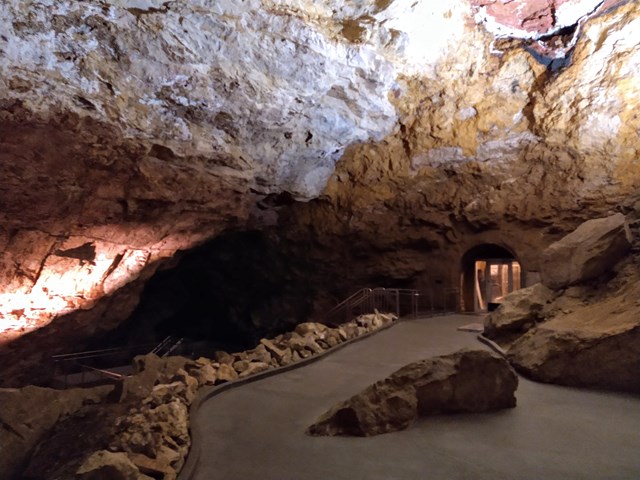
You can still see the largest natural opening into Wind Cave without going on a tour. This small hole is one of the only known natural entrances into the cave.
Opens on the Park Service site - Take a Cave Tour60-90 Minutes
Visit one of the world's longest and most complex caves.
Opens on the Park Service site - See Prairie Dogs in Their Prairie Dog Towns
Information about the Prairie Dog of Wind Cave National Park.
Opens on the Park Service site
Show all 12Hide
- Pet Friendly Hikes30-60 Minutes
If you are traveling with a furry friend, Wind Cave has two pet friendly trails. Both are close to the visitor center and about one mile in length.
Opens on the Park Service site - Listen For Bugling Elk
In September and October, male elk can be heard as they bugle to challenge each other and attract females. This haunting sound is a sure sign that fall has arrived in the West.
Opens on the Park Service site - Horseback Riding in Wind Cave
The sprawling prairies and open ponderosa woodlands of Wind Cave give horseback riders thousands of acres to explore. Though there are no facilities within the park that provide horses, visitors may fill out a free day permit to bring their own…
Opens on the Park Service site - Hiking at Wind Cave
View rolling prairie vistas, ponderosa forests, and see wildlife in its natural environment. Wind Cave National Park has over 30 miles of hiking trails on the surface and provides visitors the opportunity to view pristine Black Hills scenery.
Opens on the Park Service site - Bike Wind Cave
Explore Wind Cave by bike. Although bikes are limited to established roads, this is a great activity for those who want to take their time to sightsee in the park.
Opens on the Park Service site - Become a Wind Cave Junior Ranger20-45 Minutes
Kids of all ages can become a Wind Cave Junior Ranger. Complete the activity book, learn about the park, and take the pledge to earn a Junior Ranger badge.
Opens on the Park Service site
Films
National Park Service productions, public domain.
News
- Elk Bugling Programs and Cave Tours Offered This Fall at Wind Cave National Park ↗2026-09-02
Wind Cave National Park will offer ranger-led elk bugling programs on select evenings in September and October in addition to daily cave tours.
- Theodore Roosevelt Actor Visits Wind Cave National Park ↗2026-08-13
Theodore Roosevelt impersonator Kurt Skinner will bring the country’s 26 president to life at a performance at Wind Cave National Park on August 27.
- Three Bats Test Positive for Rabies at Wind Cave National Park ↗2026-06-16
Since May, Wind Cave National Park has identified three bats that tested positive for rabies.
- Wind Cave National Park Plans Temporary Road and Trail Dlosures During Improvement Projects ↗2026-04-24
Beaver Creek Road, also known as Forest Service Road 391, will close May 4 while a new cattle guard is installed on the Wind Cave National Park boundary.
Map
Interactive map by the National Park Service
On the National Register nearby
- Beaver Creek BridgeStructure · Hot Springs · 2.5 mi
- Pig Tail BridgeStructure · Hot Springs · 3.1 mi
- Cold Springs SchoolhouseBuilding · Custer · 4.5 mi
- South Dakota Dept. of Transportation Bridge No. 17-289-107Structure · Custer · 9.6 mi
Public land nearby
Distances are approximate. Wilderness Atlas publishes a center point and an acreage for each area rather than a boundary, so each area is treated here as a circle of the same size and the figure is the gap to that circle.
Forest Service trails nearby
These trails are outside the park on National Forest land, within 15 miles of Wind Cave. Each one opens on Trailhead Atlas.
Distance is measured from the park's reference point to the nearer end of the trail.
Guidebooks for Wind Cave National Park, South Dakota's national parks and South Dakota
We earn a small commission if you buy through these links. It does not change what we list.
Local history books for Wind Cave National Park
Titles come from Open Library's catalog, matched by subject.
Reference
Wildlife
Seen this monthAmerican Bison 16× · Bighorn Sheep 11× · Pronghorn 8× · Coyote 3× · Golden Eagle 1× · Western Meadowlark 1× · Long-eared Owl 1×Research-grade observations within 25 km, last 30 days, via iNaturalist
Full checklist: 214 birds, 55 mammalsHide
Raptors & owlsAmerican Kestrel · Bald Eagle · Burrowing Owl · Cooper's Hawk · Eastern Screech-Owl · Ferruginous Hawk · Golden Eagle · Great Horned Owl · Merlin · Northern Harrier · Northern Saw-whet Owl · Osprey · Peregrine Falcon · Prairie Falcon · Red-tailed Hawk · Sharp-shinned Hawk · Snowy Owl · Swainson's Hawk · Turkey Vulture · long-eared owl · short-eared owl
Waterfowl & wadersAmerican Bittern · American Coot · American White Pelican · American Wigeon · Blue-winged Teal · Bufflehead · Double-crested Cormorant · Eared Grebe · Great Blue Heron · Green-Winged Teal · Lesser Scaup · Northern Pintail · Pied-billed Grebe · Red-necked Grebe · Ring-necked Duck · Ross' Goose · Snow Goose · Trumpeter Swan · Western Grebe · Wood Duck · cinnamon teal · sandhill crane
Shorebirds & seabirdsAmerican Avocet · Black Tern · Bonaparte's Gull · Franklin's Gull · Greater Yellowlegs · Killdeer · Lesser Yellowlegs · Long-billed Curlew · Long-billed dowitcher · Marbled Godwit · Red-necked Phalarope · Ring-billed Gull · Semipalmated Plover · Solitary Sandpiper · Upland Sandpiper · Willet · Wilson's Phalarope · Wilson's Snipe · spotted sandpiper
Gamebirds & dovesCommon Pheasant · Mourning Dove · Northern Bobwhite · Rock Pigeon (feral pigeon) Rock Dove · Sharp-tailed Grouse · turkey
WoodpeckersBlack-backed Woodpecker · Common Flicker · Downy Woodpecker · Hairy Woodpecker · Lewis' Woodpecker · Red-headed Woodpecker · Red-naped Sapsucker
Hummingbirds & swiftsBroad-tailed Hummingbird · Ruby-throated Hummingbird · Rufous Hummingbird · White-throated Swift
Also on the checklistAmerican Crow · American Goldfinch · American Pipit · American Redstart · American Robin · American Tree Sparrow · Baird's Sparrow · Baltimore Oriole · Bank Swallow · Barn Swallow · Bell's Vireo · Belted Kingfisher · Black-and-white Warbler · Black-billed Cuckoo · Black-billed Magpie · Black-headed Grosbeak · Blackpoll Warbler · Blue Grosbeak · Blue Jay · Bobolink · Bohemian Waxwing · Brewer's Blackbird · Brown Creeper · Brown Thrasher · Brown-headed Cowbird · Bullock's Oriole (American Ornithologists' Union · Canyon Wren · Cassin's Finch · Cassin's Kingbird · Cedar Waxwing · Chestnut-collared Longspur · Chestnut-sided Warbler · Chipping Sparrow · Clark's Nutcracker · Clay-colored Sparrow · Cliff Swallow · Common Grackle · Common Nighthawk · Common Poorwill · Common Redpoll · Common Yellowthroat · Cordilleran Flycatcher (American Ornithologists' Union · Dark-eyed Junco · Dickcissel · Dusky Flycatcher · Eastern Bluebird · Eastern Kingbird · Eastern Phoebe · European Starling · Evening Grosbeak · Field Sparrow · Gadwall · Golden-crowned Kinglet · Grasshopper Sparrow · Gray Jay · Gray partridge · Gray-crowned Rosy Finch · Great Crested Flycatcher · Harris' Sparrow · Horned Lark · House Finch · House Sparrow · House Wren · Indigo Bunting · Lapland Longspur · Lark Bunting · Lark Sparrow · Lazuli Bunting · Least Flycatcher · Lincoln Sparrow · Loggerhead Shrike · Macgillivray's Warbler · Mallard · Mccown's Longspur · Mountain Bluebird · Northen Shrike · Northern Mockingbird · Northern Parula · Northern Rough-winged Swallow · Northern Shoveler · Olive-sided Flycatcher · Orange-crowned Warbler · Orchard Oriole · Ovenbird · Palm Warbler · Pine Siskin · Pinyon Jay · Plumbeous Vireo · Purple Finch · Pygmy Nuthatch · Red Crossbill · Red-breasted Nuthatch · Red-eyed Vireo · Red-winged Blackbird · Redhead · Rock Wren · Rose-breasted Grosbeak · Roughleg · Ruby-crowned Kinglet · Sage Thrasher · Savannah Sparrow · Say's Phoebe · Snow Bunting · Song Sparrow · Sora · Swainson's Thrush · Tennessee Warbler · Townsend's Solitaire · Tree Swallow · Veery · Vesper Sparrow · Violet-green Swallow · Warbling Vireo · Western Kingbird · Western Meadowlark · Western Tanager · Western Wood Pewee · White-breasted Nuthatch · White-crowned Sparrow · White-throated Sparrow · Willow Flycatcher · Wilson's Warbler · Winter Wren · Yellow Warbler · Yellow-headed Blackbird · Yellow-rumped Warbler · alder flycatcher · black-capped chickadee · canada geese · catbird · eastern meadowlark · goshawk · northern waterthrush · spotted towhee · yellow-breased chat
Small mammals13 lined ground squirrel · American Beaver · Audubon's Cottontail · Blacktail Prairie Dog · Deer Mouse · Eastern Cottontail · Eastern Fox Squirrel · Flying squirrel · Hayden's shrew · Hispid Pocket Mouse · House Mouse · Least Chipmunk · Meadow Jumping Mouse · Meadow Vole · Mountain Cottontail · Northern Pocket Gopher · Olive-backed Pocket Mouse · Prairie Vole · Red Squirrel · Southern Red-backed Vole · Western Harvest Mouse · White-footed Mouse · Whitetail Jackrabbit · Yellow-bellied Marmot · bee shrew · bushy woodrat · muskrat
PredatorsAmerican Mink · Badger · Coyote · Cross Fox · Ermine · bobcat · raccoon · skunk
Hoofed mammalsAmerican Bison · Bighorn Sheep · White-tailed deer · elk · mule deer
BatsBig Brown Bat · Black Bat · Eastern Red Bat · Fringed Myotis · Hoary Bat · Little Brown Myotis · Long-eared Myotis · Long-legged Myotis · Northern long-eared bat · Small-footed Myotis · mule-eared bat
Also on the checklistAntelope · Black-footed Ferret · Catamount · weasels
Activities
Activity guides for this park Birdwatching in the national parks · Camping in the national parks · Hiking in the national parks · Horseback riding in the national parks · Wildlife watching in the national parks
Weather & climate
Spring: Highs range from 50-70°F with highly variable weather. Spring is the park's wettest season. Summer: Hot and generally dry with daytime temperatures regularly exceeding 80°F (27°C). Strong thunderstorms are common and can produce large hail and lightning. Fall: Generally dry with warm days and cool nights. Highs 50-60°F. Lows below freezing are common. Winter: Highs are in the high 30s with lows around 10°F. Snowfall averages 30 inches annually, periodically closing park roads.
Questions people ask
Does Wind Cave charge an entrance fee?
No. Wind Cave is free to enter.
Source: National Park Service
Is Wind Cave open year-round?
Yes. The grounds are open 24 hours a day, year-round.
Source: National Park Service
Can I camp in Wind Cave?
Yes. The Park Service lists 1 campground in Wind Cave: Elk Mountain. 1 takes reservations through Recreation.gov.
Do any Wind Cave campgrounds have hookups or showers?
No. None of the 1 listed campgrounds report showers, electric hookups, or a dump station.
Source: Campgrounds
Is anything closed at Wind Cave right now?
3 active alerts as of October 14, 2026: Natural Entrance Tour Route Closes For Season October 1, 2026; Centennial Trailhead Parking; and more.
Source: Alerts
How busy is Wind Cave?
606,258 recreation visits in 2025, number 102 of 387 units that report visitation.
Source: Most visited parks
Is there cell service at Wind Cave?
At the park's reference point, FCC coverage maps show AT&T 5G. No reported coverage for Verizon and T-Mobile. Coverage inside the park varies by location.
Source: FCC Broadband Map
When was Wind Cave established?
1903. It covers about 44 square miles.
Source: Wikipedia
What is the weather like at Wind Cave?
Spring: Highs range from 50-70°F with highly variable weather. Spring is the park's wettest season.
Source: Weather & climate
Follow this park
- Alerts feed (RSS)
- Every active Park Service alert for this unit, one item each, rebuilt with the nightly data refresh.
- Add dates to your calendar (.ics file)
- Fee-free entrance days that apply here and each published hours exception, as all-day events.