The national parks hold the longest cave system ever found. Mammoth Cave's 400-plus mapped miles sit under Kentucky, and the system counts 16 units with caving - solution caverns full of formations, lava tubes you can walk alone, talus caves guarded for bats. The experiences divide neatly. About half are show caves: ranger-guided, ticketed, lit, often sold out weeks ahead in summer. The other half are the parks' open secret: wild lava tubes in the West where you must check the permit and safety requirements.
The great show caves
01Mammoth Cave
Mammoth Cave fees, hours and alertsThe longest cave on Earth - more than 400 miles surveyed and still growing - and the cheapest national park to enter: there is no entrance fee at all, only tour tickets. Choose between the self-guided Discovery Tour, the Historic Tour through old saltpeter workings and the much longer Wild Cave Tour; current prices and availability vary. Reservations on Recreation.gov are strongly recommended; Senior and Access passholders get half off tour tickets. The cave has been a tourist attraction since 1816, a national park since 1941, and a UNESCO World Heritage Site since 1981, and it still feels like the start of the underground map rather than the end of it.
02Carlsbad Caverns
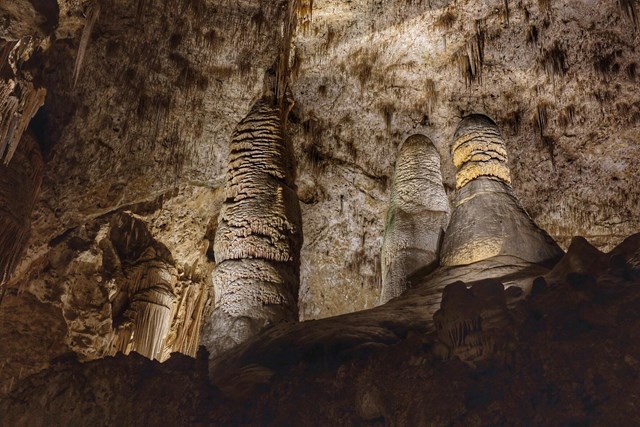
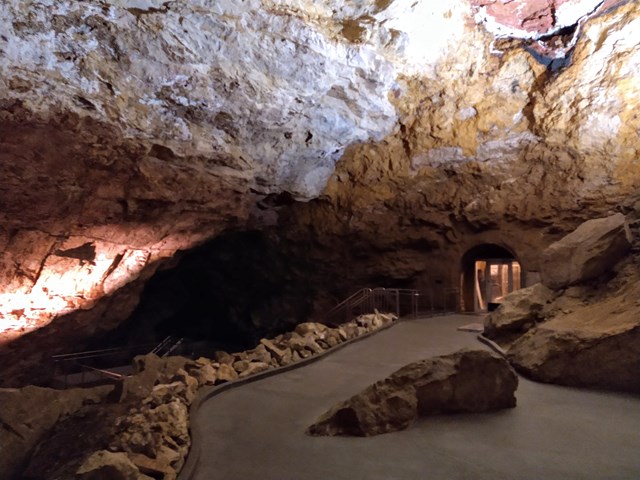
Carlsbad Caverns fees, hours and alertsThe Big Room alone justifies the park: a single chamber nearly 4,000 feet long with a 255-foot ceiling, toured self-guided on a paved loop. Entry may require a timed reservation through Recreation.gov in addition to the park entrance pass; and ranger-guided tours like the King's Palace cost extra and book out. Hike in through the Natural Entrance if your knees allow: the mile-long descent through the darkening mouth is the best approach in American caving. From late spring into October, the Brazilian free-tailed bats spiral out at dusk for the park's bat flight program, and half of New Mexico watches with you.
03Wind Cave
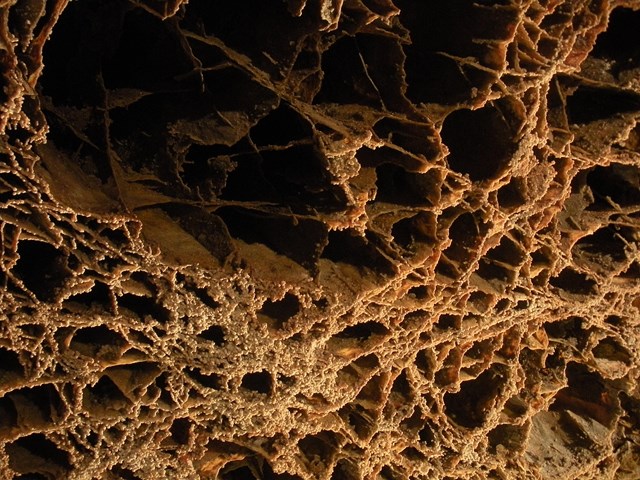
Wind Cave fees, hours and alertsThe prairie above gives nothing away: a small natural opening breathing air in and out, and below it about 168 mapped miles of passages holding about 95 percent of the world's known boxwork - the honeycomb calcite fins found almost nowhere else. Ranger tours run from the easy Garden of Eden loop to crawling wild-caving trips, most reservable on Recreation.gov, and no children under six on any ranger tour. The cave is paired with one of the system's best wildlife parks above ground - bison, prairie dogs, elk - so the day does not end when the tour does.
04Jewel Cave
Jewel Cave fees, hours and alertsForty minutes from Wind Cave and completely different: over 220 miles of passages lined not with boxwork but with calcite crystals that glitter under the lights - hence the name. The Scenic Tour is the classic and books out in summer; the Historic Lantern Tour runs by lamplight through the old section; the Wild Caving Tour is one of the most serious in the system. Reserve on Recreation.gov well ahead for summer.
05Great Basin: Lehman Caves
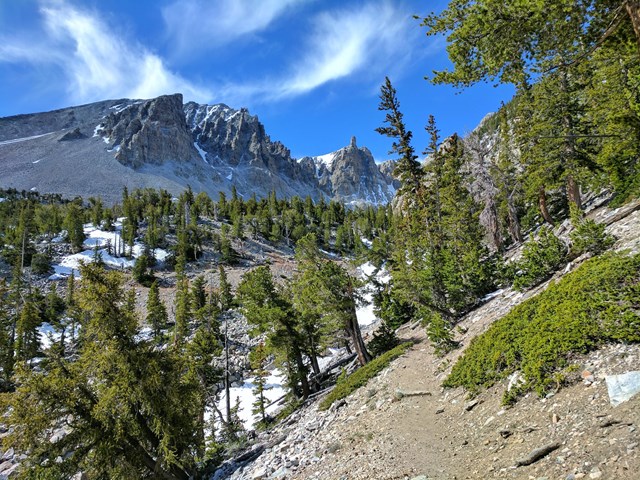
Great Basin fees, hours and alertsA marble cavern under Nevada's 13,000-foot Wheeler Peak, and the reason a remote Great Basin park exists at all. Lehman is small by Mammoth standards and dense with formations by any standard - shields, draperies and helictites. Ranger tours run daily year-round, with reservations available on Recreation.gov. Pair it with a night under some of the darkest skies in the country: Great Basin is an International Dark Sky Park, and the cave-and-stars double is one of the best 24 hours in the system.
06Timpanogos Cave
Timpanogos Cave fees, hours and alertsThe cave you earn. A paved but relentless mile-and-a-half trail climbs 1,100 feet up the side of American Fork Canyon to the entrance, then the ranger leads you through a linked chain of three small caves dripping with helictites and the famous "Heart of Timpanogos" formation. Tours sell out on summer weekends - buy ahead on Recreation.gov - and the trail, not the cave, is the part that sorts out the visitors. The view down the canyon from the cave door is worth the climb alone.
07Oregon Caves
Oregon Caves fees, hours and alertsThe marble cave in the Siskiyous, reached by a winding mountain road and toured on a concession-run ranger walk that squeezes through 500-plus steps and tight passages. It is the most physically demanding show-cave tour in the system - kids must be at least 42 inches tall and able to pass a test crawl - and the most atmospheric, a working river cave under a 1934 chateau of a lodge. Seasonal, roughly spring through fall; book ahead on Recreation.gov.


The do-it-yourself caves
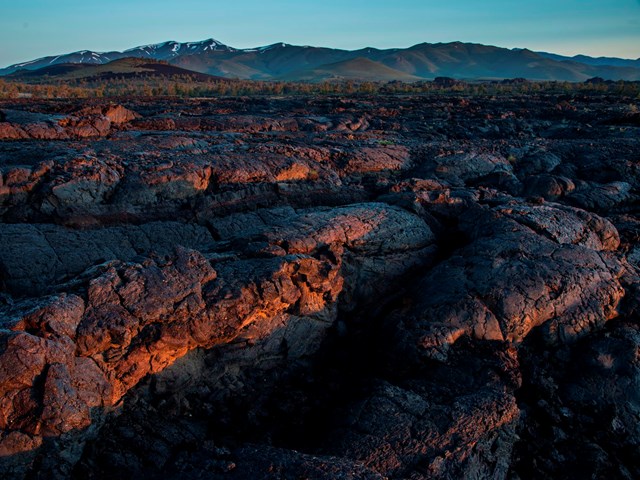
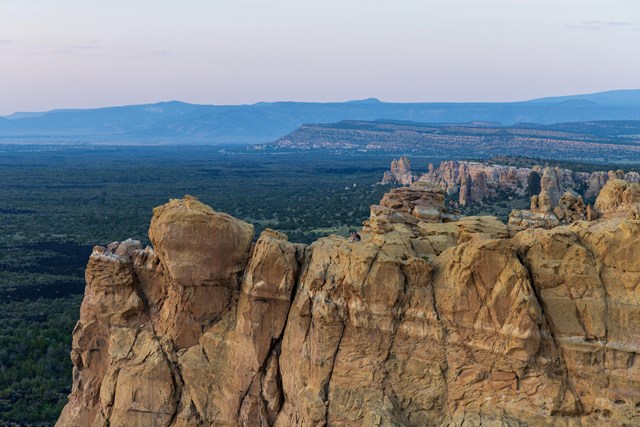
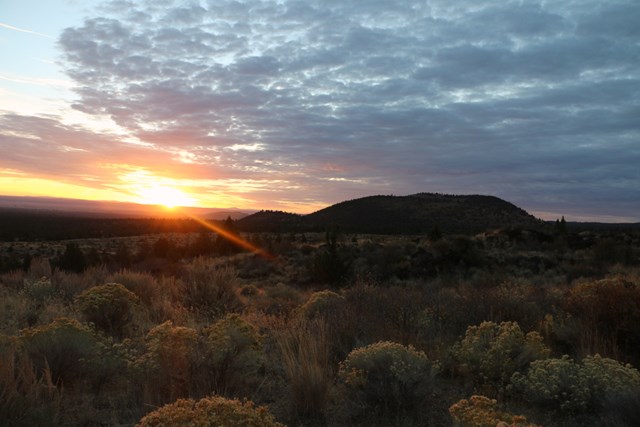
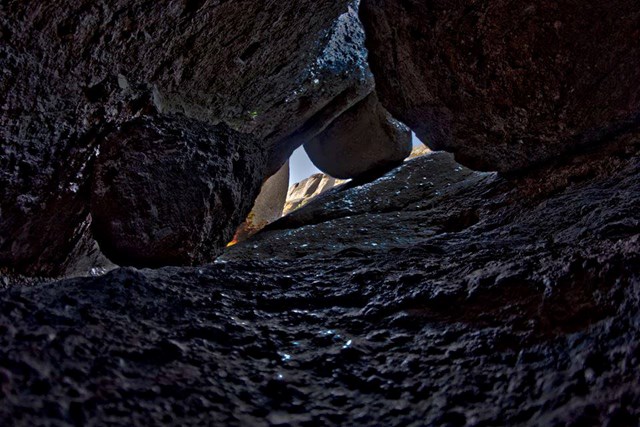
The West's lava country keeps a different bargain: no tickets, no rangers underground, check each park’s permit and rules that protect bats. Lava Beds in northern California holds hundreds of lava tubes, dozens of them open to anyone with lights and a helmet - start with the lighted, walk-in Mushpot Cave and work up to the crawls. Craters of the Moon issues free caving permits at the visitor center for its Indian Tunnel and other tubes, where ceiling collapses drop daylight into the dark. El Malpais in New Mexico does the same for the tubes under its young lava flows. And Arizona's Coronado National Memorial keeps Coronado Cave open and unguided - 600 feet of limestone passage, free permit at the visitor center, one of the last self-guided limestone caves in the system.
The special cases
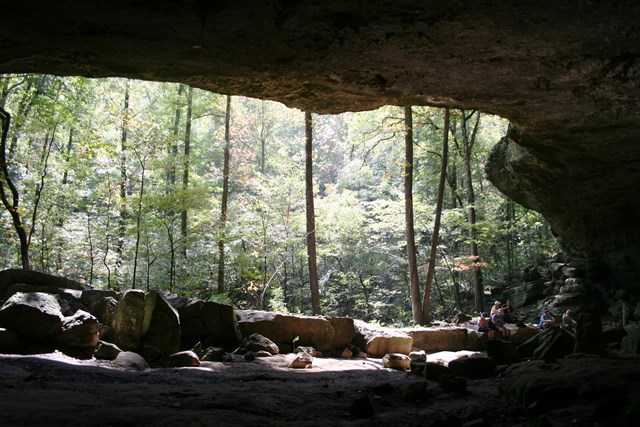
Pinnacles' caves are not solution caves at all but talus caves - jumbles of fallen boulders roofed over by narrow canyons, with stairs, a stream, and a resident colony of Townsend's big-eared bats that closes sections seasonally. Sequoia's Crystal Cave is the system's second-most-famous marble cavern, toured only with the Sequoia Parks Conservancy, the park's partner: tickets are online through the Conservancy, not Recreation.gov, required at least 36 hours ahead (the park recommends two months) and never sold at the cave. Crystal Cave tours and road access change by season; check the current Conservancy and park notices before planning. Cumberland Gap runs ranger tours into Gap Cave, Ozark National Scenic Riverways offers seasonal cave tours at Round Spring, and Buffalo National River's caves are mostly closed to protect bats - which is the right instinct everywhere underground.
How to cave in the parks
- 1
Book the famous caves early - and note the exception. Mammoth, Carlsbad, Wind Cave, Jewel Cave, Timpanogos, Lehman and Oregon Caves all sell through Recreation.gov, and summer weekends go weeks out. Crystal Cave is the exception: its tickets are sold by the Sequoia Parks Conservancy online, not Recreation.gov, and never at the cave. Carlsbad additionally requires a timed-entry reservation just to enter.
- 2
Respect the bat rules. White-nose syndrome has killed millions of North American bats, and it travels on your clothes and gear. If you have been in any other cave, park rules generally bar the same clothing and equipment - expect screening questions at ticketed caves.
- 3
Dress for 50 degrees. Caves hold the local average temperature year-round: Crystal Cave and Lehman sit at about 50°F in August. The jacket feels silly in the parking lot and perfect underground.
- 4
Bring two lights to the wild caves. The lava-tube parks require it, and they mean it: the dark in a lava tube is total.
All 16 parks with caving
The full list is below. Click through for each park's fees, hours, alerts and campgrounds - the alerts matter here, because cave closures for bats and construction are common.
Free to enter Charges an entrance feePoints are the Park Service reference point for each unit, not a boundary.