The best waves left in America are often the hardest to reach, and that is not a coincidence. The national seashores and coastal parks protect exactly the kind of undeveloped shoreline where surf still works the way it always has: no condos on the dune, no private club on the sand, just a beach break doing its thing for whoever made the effort.
The Park Service lists 11 units with surfing, from the Outer Banks to a wilderness island chain off California. These nine are the ones worth packing a board for, ranked on the quality of the surf and the honesty of the access. A listing is a starting point, never a promise: breaks shift with swell, tide and sand, and some of these coasts demand real planning. Check the park's current conditions and the day's marine forecast before you paddle out.
The nine best places to surf in the national parks
01Cape Hatteras
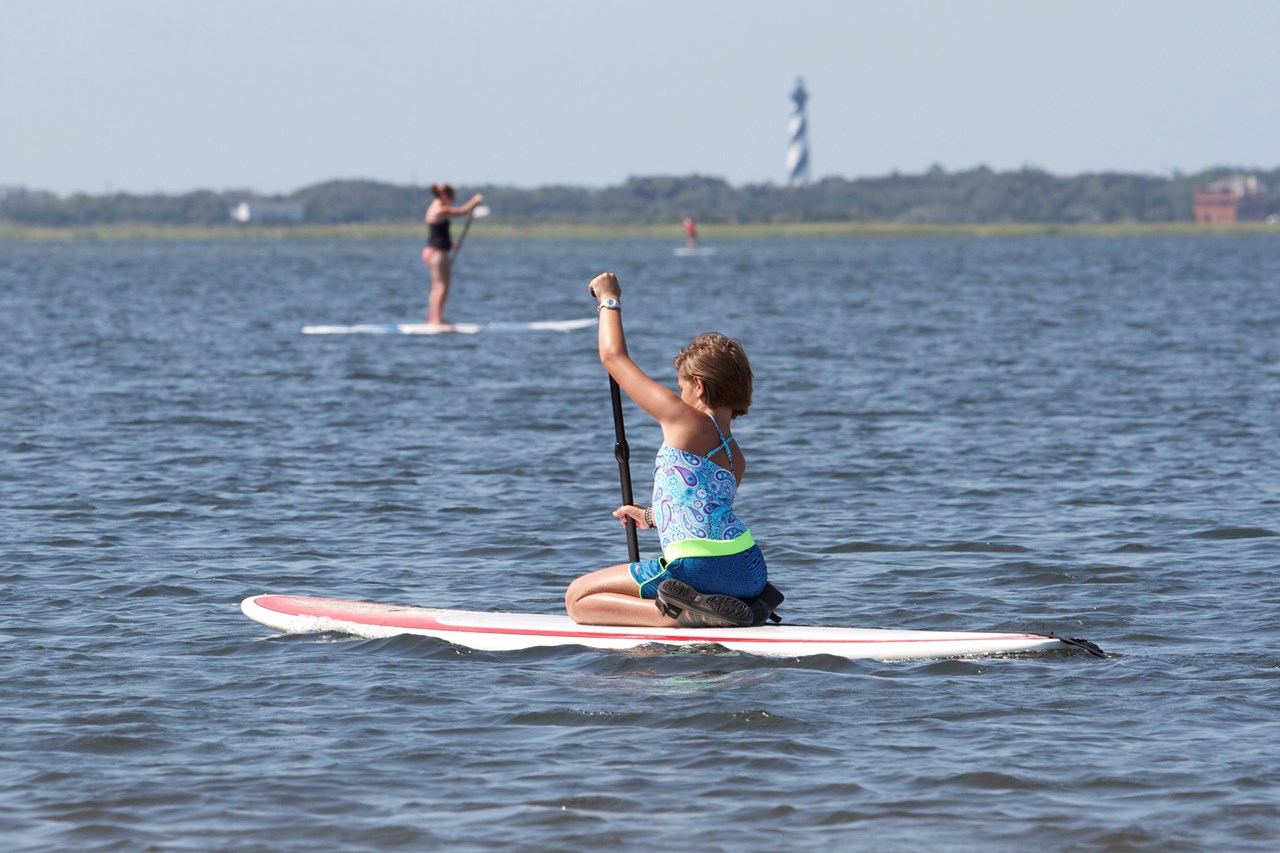
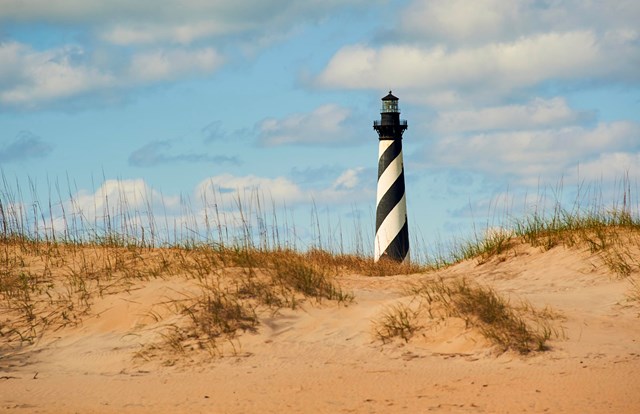
Cape Hatteras fees, hours and alertsThe East Coast's surf capital, full stop. Cape Hatteras names its spots like a local would: north of Coquina Beach on Bodie Island, the S-Curves north of Rodanthe, north of Buxton and Old Lighthouse Beach on Hatteras Island, and the lifeguarded beach on Ocracoke. Bodie and Ocracoke are the friendlier places to build skill; Hatteras Island holds the wider range of challenging waves, and Old Lighthouse is the famous one, the break experienced surfers plan trips around and everyone else watches from the sand. Offshore shoals and shifting currents mean the named spot matters less than the day you get, so check which stretches are open and what the ocean is doing before you drive out. When it is on, there is nothing better on the Atlantic seaboard.
02Channel Islands
Channel Islands fees, hours and alertsThe most committed surf trip in the system. Channel Islands names surf spots on Santa Cruz, Santa Rosa and San Miguel Islands depending on swell direction, all of them remote and most of them practical only by private boat; walks from the concession-boat landings can be long and rugged. What you get for the effort is uncrowded California reef and beach break in a national park that feels like the coast before people. Plan the marine-weather window, the landing and the return before you fall in love with a forecast. Santa Rosa Island is closed to overnight use through October 13, 2026 while it recovers from wildfire, and seasonal wildlife closures protect other island beaches, so verify the exact island and beach with the park before departure.
03Cape Cod
Cape Cod fees, hours and alertsThe Atlantic-facing beaches of Cape Cod serve up clean beach-break surf with a distinctly New England set of rules. The seashore separates surfing from its lifeguard-protected swimming zones, so read the boundary signs and set up outside the guarded swim areas. The trade is worth it: miles of open sandbar beach break, best from late summer into fall when the crowds thin and hurricane swells light up the Outer Cape. Two cautions come with the territory. Lifeguards are seasonal, and white sharks patrol the same water into fall; the park asks ocean users to avoid seals and schools of fish, watch the shark flags and surf with company. Respect both and this is some of the best surfing in the Northeast.
04Olympic
Olympic fees, hours and alertsThe wild one. Olympic National Park's Pacific coast is roadless for miles at a stretch, and its signature surf spot matches: Shi Shi Beach, a backcountry break reached on foot through the Makah Reservation to the park's wilderness shoreline. The Olympic Coast sanctuary names Shi Shi alongside La Push's First Beach and Neah Bay's Hobuck as the region's known surf spots, and Shi Shi is the one inside the park. Expect cold water year-round, big Pacific swell, sea stacks instead of parking lots, and absolutely no margin for a casual attitude. A wetsuit is not optional, and neither is the tide chart. For the surfer who has done the easy coasts, this is the final exam with the best view.
05Golden Gate
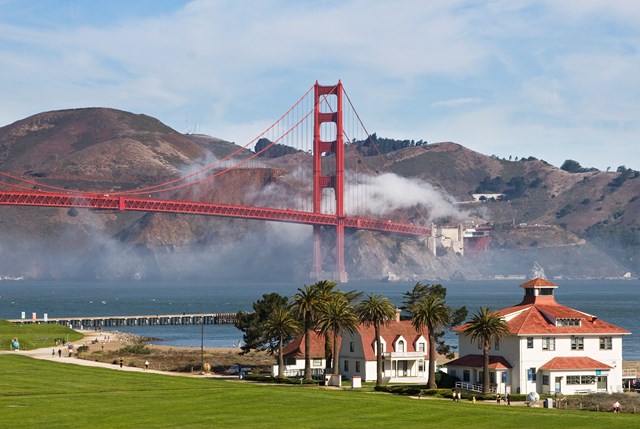
Golden Gate fees, hours and alertsCity surf with real teeth. Golden Gate includes Ocean Beach, three and a half miles of beach break along San Francisco's western edge, one of the most accessible serious waves in the country. Accessible is not the same as forgiving: the park's own guidance warns of high surf, rip currents and sudden shorebreak, and Stinson Beach is the recreation area's only swimming beach with seasonal lifeguards. Ocean Beach rewards experienced surfers who read it well and punishes everyone else, usually with a long cold paddle. Fog, wind and winter swell can change the session in an hour. Respect it and you get world-class waves with a bus stop nearby.
06Assateague
Assateague fees, hours and alertsAssateague lists surfing on its ocean beaches in both the Maryland and Virginia districts, and on the right day the barrier island serves up fun, uncrowded beach break with wild horses on the dunes behind you. The operative phrase is "on the right day": the park warns that strong surf, longshore currents and rip currents change conditions fast, and a sandbar can hide a trough 8 to 10 feet deep at low tide. As of late September 2026 the park reported no lifeguards on duty in either district, and coverage is seasonal, so treat this as a self-reliant beach. Check the district access and the rip-current forecast, bring a buddy and keep the session inside your ability. The horses have seen worse decisions. Do not add one.
07Canaveral
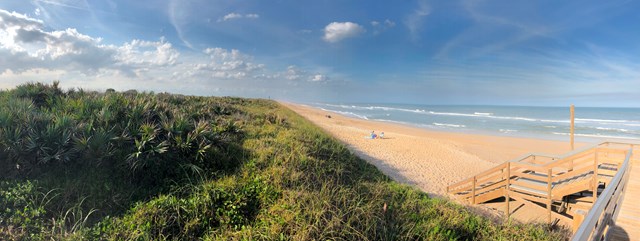
Canaveral fees, hours and alertsFlorida's quiet surf coast. Canaveral stretches undeveloped for miles along the Space Coast, and its beach breaks pick up the same Atlantic swell as the famous spots to the south with a fraction of the crowd. The park posts Florida beach flags at the entrances: red for high hazard, yellow for moderate, green for lower, purple for dangerous marine life, changing with tide and weather through the day. Read the flag before you wax up, check the open access points and keep an eye on the sky; thunderstorms move fast here. If you get caught in a rip, the park's advice is the standard that works: stay calm, float, move parallel to shore, then angle back in.
08Redwood
Redwood fees, hours and alertsThe coldest, foggiest and most humbling entry on this list. Redwood guards forty miles of wild Northern California coast where the surf is real and the warnings are earnest: cold water, swift currents and sneaker waves that have killed visitors who were only walking the beach. The park's beach pages are more comfortable warning than inviting, and that honesty is the point. Experienced cold-water surfers ride this coast; nobody should learn on it. If you go, go with local knowledge, a thick wetsuit, a tide check and a healthy respect for an ocean that does not care that the trees are pretty.
09National Parks of New York Harbor
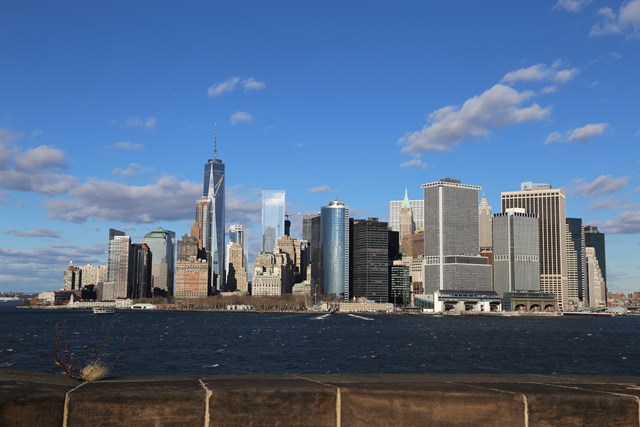
National Parks of New York Harbor fees, hours and alertsThe Park Service's own water-sports directory lists National Parks of New York Harbor for surfing, and the waves in question break where the harbor meets the Atlantic: the Rockaway peninsula, home to New York City's only legal surfing beaches and the Jacob Riis Park shoreline. Rockaway's beach breaks are the most democratic surf in America, a subway ride from Manhattan, with a scene that runs from first-timers on foam boards to locals who have surfed the same jetty for decades. Access is the variable: erosion has closed sections of the Riis beachfront in recent seasons, so check which bays are open before you ride the A train with a board. Cold in winter, crowded in summer, and completely genuine all year.




The other two
The Park Service also lists Ala Kahakai National Historic Trail and American Memorial Park for surfing. Neither names a managed surf break on its own pages; treat those listings as an invitation to do your own local research rather than a destination.
When to go: a surf year in the parks
Summer is the beginner's window on the East Coast. Smaller, friendlier swell at Cape Hatteras, Assateague and Canaveral, warm water and the most staffed beaches of the year. The trade-off is crowds at the easy access points and afternoon thunderstorms in Florida. Go early.
Fall is the prime season almost everywhere. Hurricane swells light up Cape Cod and the Outer Banks, the water is still warm, and the summer crowds are gone. It is also peak shark season off the Cape and peak hurricane season everywhere, so the same ocean that delivers the swell writes the advisories. Read both.
Winter belongs to California and the committed. Ocean Beach and the Channel Islands get their biggest, most consistent swell, and the redwood and Olympic coasts turn genuinely serious. Cold water, short days and heavy surf make this the expert season on every coast.
Spring is the reset. East Coast swell fades toward summer's smallness, West Coast winds are still unsettled, and lifeguard seasons have not started. A good time to scout access, learn the beaches and fix your equipment.
How to plan a park surf trip
- 1
Pick the beach, then the day. A named break like Old Lighthouse or Shi Shi is a starting point, not a rating. Check the swell, tide and wind forecast for the exact beach, and check which stretches are open before you drive.
- 2
Know who manages the sand. Seashores, county beaches, state beaches and tribal lands interlock along these coasts, and the rules change at the boundary line. Shi Shi requires crossing the Makah Reservation; Rockaway's rules differ from Riis's. The park's own page tells you whose beach you are on.
- 3
Respect the closure, whatever it protects. Wildlife closures, erosion zones and fire recovery all produce roped-off beach, and all of them outrank your session. Santa Rosa Island's overnight closure runs through October 13, 2026; check the current status of any island or beach before you build a trip around it.
- 4
Treat lifeguard seasons as real. Cape Cod, Gateway and Assateague all staff beaches only part of the year, and an unguarded beach is a different risk calculation, not a freer one. If you would not call for help yourself, do not make a ranger do it.
- 5
Match the coast to the surfer. Bodie and Ocracoke for building skill, Rockaway for convenience, Hatteras and Ocean Beach for experienced surfers, the Channel Islands and Olympic for people who plan expeditions. The wrong match is how good surfers get rescued.
A short history of surfing's wild coast
Surfing came to the mainland in the early twentieth century, carried by Hawaiian watermen like Duke Kahanamoku, who demonstrated the sport on both coasts and turned a Polynesian tradition into an American one. For decades the best breaks were simply the beaches closest to town, and the coast filled in around them.
The Park Service ended up holding much of what was left. Congress authorized Cape Hatteras in 1937 and established it in 1953 as the first national seashore, beginning a chain of protected coastlines that now runs from the Outer Banks to the Channel Islands. The surfers followed the wild water, and the parks, mostly by accident, became the custodians of the country's least developed surf.
That is still the deal today. The famous engineered surf towns have their piers and their parking lots. The parks have the coast that still requires a tide chart, a forecast and a little humility. The waves never needed improving. They needed saving.
All 11 parks with surfing
Below is every Park Service unit that lists surfing. Click through for each park's fees, hours and alerts, and read the park's own beach and safety pages before you bring a board. A listing tells you where surf is possible, never which shore is open today or whether today's water suits your skill.
Free to enter Charges an entrance feePoints are the Park Service reference point for each unit, not a boundary.