Gates Of The Arctic National Park & Preserve
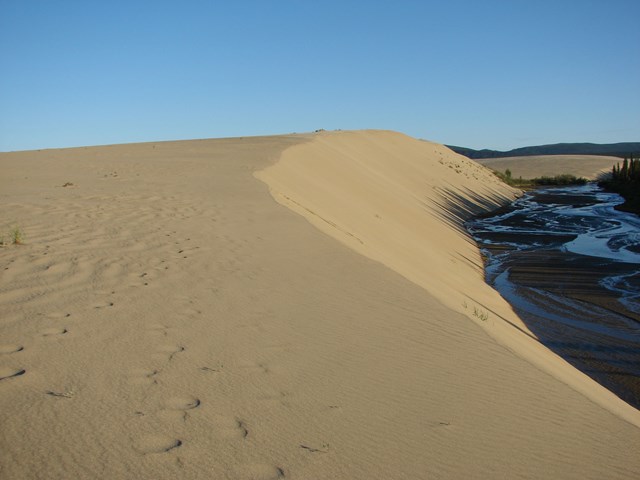
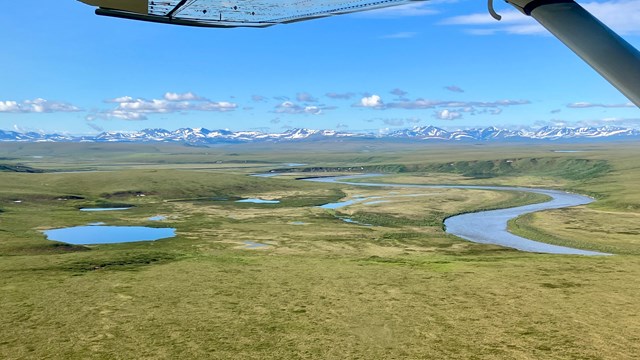
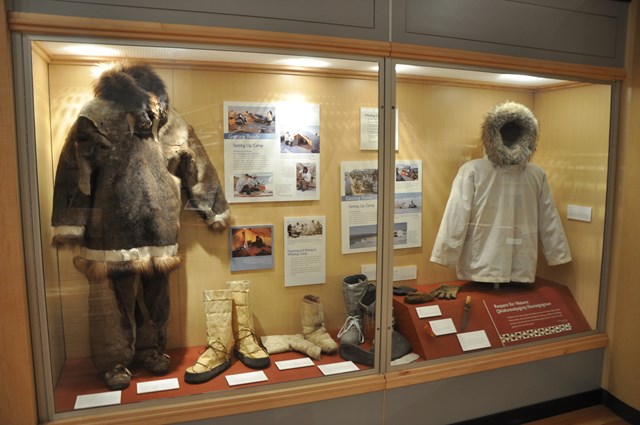
This vast landscape does not contain any roads or trails. Visitors discover intact ecosystems where people have lived with the land for over ten thousand years. Wild rivers meander through glacier-carved valleys, caribou migrate along age-old trails, endless summer light fades into aurora-lit night skies of winter. Virtually unchanged, except by the forces of nature.
Alerts
- CautionNPS ↗Food-Conditioned Bear in Arrigetch Peaks
On August 13, 2026 a brown bear entered camps and food caches in the Arrigetch Peaks area, obtaining food from a soft-sided, bag-type Bear Resistant Food Container (BRFC). At this time, we strongly recommend hard-sided BRFCs for all visitors to the Arrigetch Peaks area. Hard-sided BRFCs can be checked out at the Bettles Ranger Station.
Fees & passes
Free. No entrance fee here.
Hours
| Park & Preserve are always open | Daily · All Day |
When to go
July draws the most visits here and January the fewest, averaged over 2021 to 2025.
Visitor centers
- Fairbanks Alaska Public Lands Information Center ↗Passport stamp
Explore world-class exhibits, watch a free informative movie, and receive assistance on your trip planning needs while at the Alaska Public Lands Information Center, located inside of the Morris Thompson Cultural & Visitors Center in Fairbanks, Alaska.
- Bettles Ranger Station and Visitor Center ↗Passport stamp
Bettles Ranger Station is situated outside of the boundaries of Gates of the Arctic National Park & Preserve, in Bettles, Alaska. This small ranger station and visitor center has exhibits, park-related films, interpretive programs, and trip-planning tools.
- Arctic Interagency Visitor Center ↗Passport stamp
Multi-agency visitor center located on the Dalton Highway in Coldfoot, Alaska
- Anaktuvuk Pass Ranger Station ↗Passport stamp
The Anaktuvuk Pass Ranger Station is staffed during the summer season from April through September, typically Monday-Friday, 9-5:30. Here you can learn about the park, and gain advice on hiking routes in the area. Bear Resistant Food Containers are available to borrow as well.
No campgrounds, no webcams or events in Park Service data. What is here comes from the official page. The rest lives there.
Checked nightly. Modules appear as soon as the Park Service publishes the data.
Explore
Things to do
- Backpack the Brooks Range's Arctic Wilderness
Traveling through the park on foot affords opportunities of exploration and discovery. Mountain ridges and passes reveal splendid vistas and can take you to the most remote and least traveled areas of the entire National Parks system.
Opens on the Park Service site - Float a Wild & Scenic River
From wide glacial valleys to sweeping vistas in the headwaters, to rolling tundra, the wild rivers of Gates of the Arctic can take you on an adventure you’ll never forget. Rivers have been byways for wildlife and humans for centuries.
Opens on the Park Service site
Films
National Park Service productions, public domain.
Map
Interactive map by the National Park Service
Public land nearby
Distances are approximate. Wilderness Atlas publishes a center point and an acreage for each area rather than a boundary, so each area is treated here as a circle of the same size and the figure is the gap to that circle.
Guidebooks for Gates Of The Arctic National Park & Preserve and Alaska
We earn a small commission if you buy through these links. It does not change what we list.
Titles come from Open Library's catalog, matched by subject.
Reference
Wildlife
Full checklist: 130 birds, 38 mammalsHide
Raptors & owlsAmerican kestrel · Bald eagle · Boreal owl · Golden eagle · Great gray owl · Great horned owl · Merlin · Northen harrier · Northern hawk owl · Osprey · Peregrin falcon · Red-tailed hawk · Rough-legged hawk · Sharp-shinned hawk · Short-eared owl · Snowy owl
Waterfowl & wadersAmerican wigeon · Bufflehead · Canada goose · Common goldeneye · Common loon · Greater scaup · Greater white-fronted goose · Green-winged teal · Harlequin duck · Horned grebe · Lesser scaup · Northern pintail · Pacific loon · Red-breasted merganser · Red-necked grebe · Red-throated loon · Sandhill crane · Snow goose · Tundra swan · Yellow-billed loon
Shorebirds & seabirdsAmerican golden-plover · Arctic tern · Baird's sandpiper · Black-bellied plover · Bonaparte's gull · Buff-breasted sandpiper · Common snipe · Dunlin · Glaucus gull · Herring gull · Least sandpiper · Lesser yellowlegs · Long-billed dowitcher · Long-tailed jaeger · Mew gull · Parasitic jaeger · Pectoral sandpiper · Pomarine jaeger · Red phalarope · Red-necked phalarope · Sanderling · Semipalmated plover · Semipalmated sandpiper · Solitary sandpiper · Spotted sandpiper · Upland sandpiper · White-rumped sandpiper
Gamebirds & dovesRock ptarmigan · Spruce grouse · Willow ptarmigan
WoodpeckersDowny woodpecker · Hairy woodpecker · Northern flicker · Three-toed woodpecker
Also on the checklistAlder flycatcher · American pipit · American robin · American tree sparrow · Arctic warbler · Bank swallow · Belted kingfisher · Black scoter · Black-capped chickadee · Blackpoll warbler · Bohemian wagwing · Boreal Chickadee · Canvasback · Cliff swallow · Common raven · Common redpoll · Dark-eyed junco · Fox sparrow · Golden-crowned sparrow · Gray jay · Gray-cheeked thrush · Gray-crowned Rosy-Finch · Gyrfalcon · Hermit thrush · Hoary redpoll · Horned lark · Lapland longspur · Lincoln's sparrow · Mallard · Myrtle warbler · Northern goshawk · Northern shoveler · Northern shrike · Northern waterthrush · Northern wheatear · Oldsquaw · Olive-sided flycatcher · Orange-crowned warbler · Pine grosbeak · Red-breasted nuthatch · Ruby-crowned kinglet · Rusty blackbird · Savannah sparrow · Say's phoebe · Smith's longspur · Snow bunting · Surf scoter · Swainson's thrush · Townsend's solitaire · Tree swallow · Varied thrush · Violet-green swallow · Wandering tattler · Whimbrel · White-crowned sparrow · White-winged crossbill · White-winged scoter · Wilson's warbler · Yellow wagtail · Yellow warbler
Small mammalsAlaska marmot · American beaver · Arctic ground squirrel · Barren ground shrew · Brown lemming · Cinereus shrew · Collared lemming · Dusky shrew · Meadow vole · Muskrat · Northern bog lemming · Northern red-backed vole · Porcupine · Pygmy shrew · Red squirrel · Singing vole · Snowshoe hare · Taiga vole · Tiny shrew · Tundra shrew · Tundra vole
PredatorsAmerican black bear · American marten · Arctic fox · Brown bear · Coyote · Ermine · Gray Wolf · Land otter · Least weasel · Lynx · Mink · Red fox · Wolverine
Hoofed mammalsCaribou · Dall's sheep · Moose
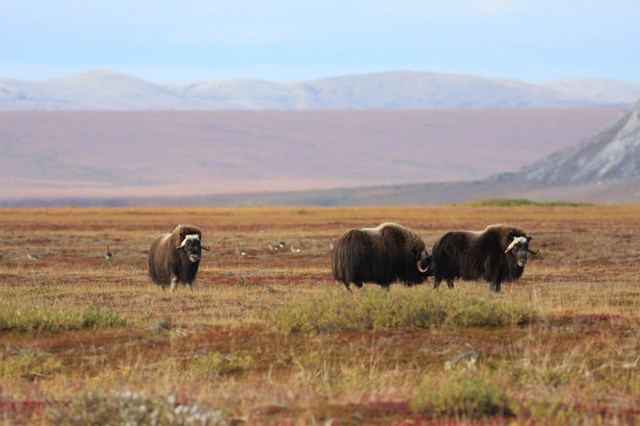
Also on the checklistMuskox
Activities
Activity guides for this park Camping in the national parks · Canoeing and kayaking in the national parks · Hiking in the national parks · Rock climbing in the national parks
All 16 activitiesHide
Weather & climate
The climate of Gates of the Arctic National Park & Preserve is generally classified as arctic and sub-arctic, with exceptionally cold winters, relatively mild summers, low annual precipitation, and generally high winds. The weather is influenced by many different systems, and can change rapidly.!!
Questions people ask
Does Gates Of The Arctic charge an entrance fee?
No. Gates Of The Arctic is free to enter.
Source: National Park Service
Is Gates Of The Arctic open year-round?
Yes. The grounds are open 24 hours a day, year-round.
Source: National Park Service
Is anything closed at Gates Of The Arctic right now?
1 active alert as of October 14, 2026: Food-Conditioned Bear in Arrigetch Peaks.
Source: Alerts
How busy is Gates Of The Arctic?
14,923 recreation visits in 2025, number 340 of 387 units that report visitation.
Source: Most visited parks
Follow this park
- Alerts feed (RSS)
- Every active Park Service alert for this unit, one item each, rebuilt with the nightly data refresh.
- Add dates to your calendar (.ics file)
- Fee-free entrance days that apply here and each published hours exception, as all-day events.