Five park units list canyoneering. That single word covers different ground: a Zion slot with a permit and water, a dry Death Valley descent with a dozen or more rappels, a Capitol Reef canyon where a storm miles away can send a flood through your route. This is not a sport to choose from a postcard. The route, season, anchor rules and exit are the trip.
Five parks, five rulebooks
Zion: reserve, then pick up the permit
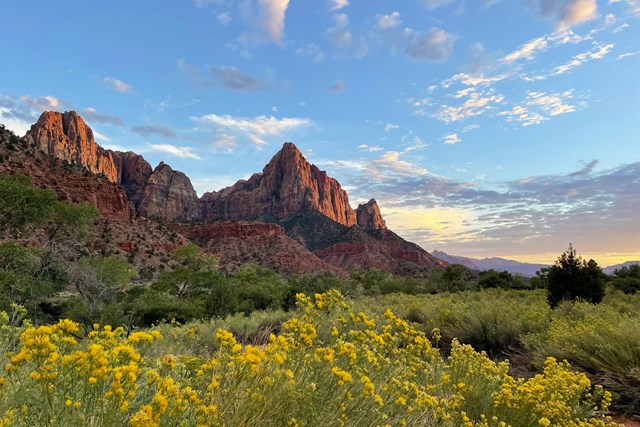
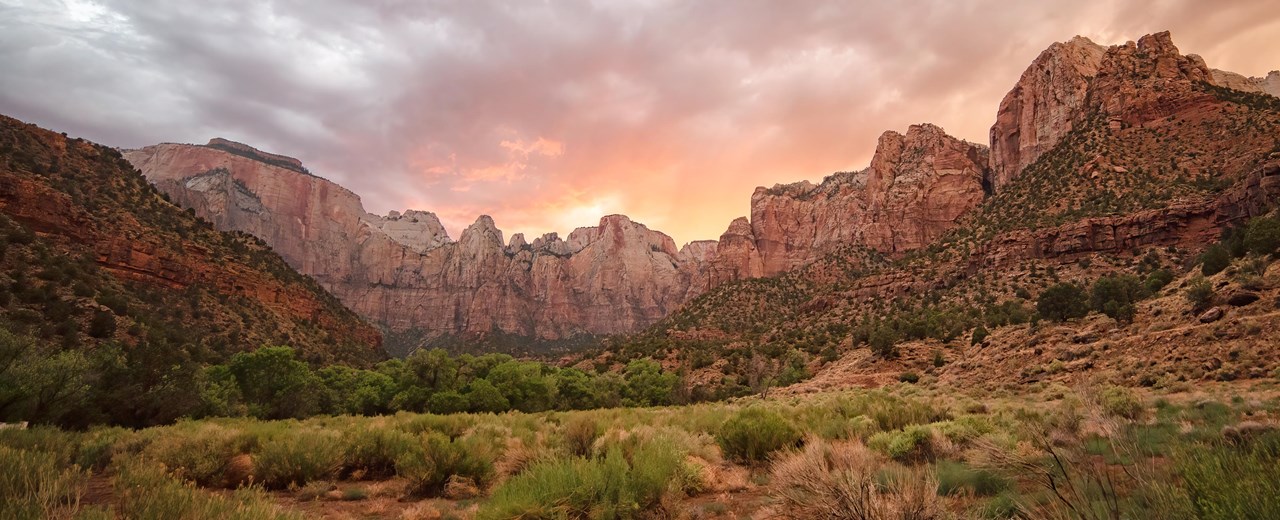
Zion requires permits for canyons that need ropes or descending gear, the top-down Narrows and the Subway. An advance reservation is not the permit itself. NPS directs visitors to collect the permit at the wilderness desk, normally the day before or day of the trip. The permit also does not promise that a canyon will be open: flood and other hazards can change the plan. If you're new to the activity, do not confuse the bottom-up Narrows river walk with a technical canyon descent.
Capitol Reef: one permit for each route
At Capitol Reef, routes cut through different sandstone layers. Wingate drainages can be deep with long drops, while Navajo sandstone often makes tighter slots and potholes. NPS requires a free day-use permit for canyoneering, requested by email, with a separate permit for each route; an overnight trip also needs a backcountry permit. The park prohibits installing new fixed anchors. Read the current rules before packing a rope, and never enter a narrow canyon when rain threatens, even if the sky above you is blue.
Arches: a route permit, not a guided commercial trip
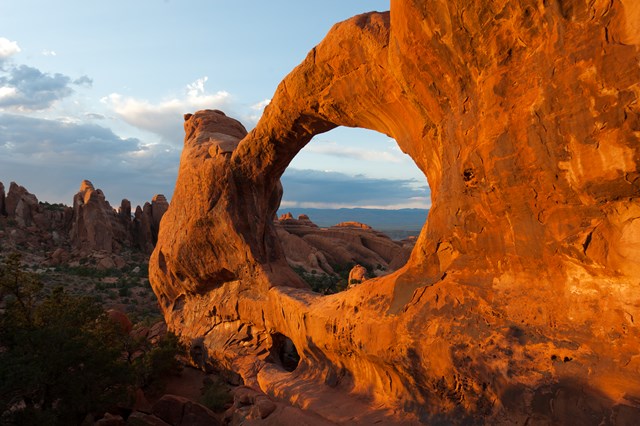
Arches requires each canyoneering party to carry a permit for its route. In-person self-issued permits are free; NPS also lists an online option for a fee. Fiery Furnace has its own limited-entry requirement. The park expressly prohibits guided canyoneering services, so an advertised guided Arches descent deserves scrutiny. Established anchors are not NPS-maintained equipment. Inspect what you depend on, and know the park's restrictions on new fixed gear.
Death Valley: long, dry and technical
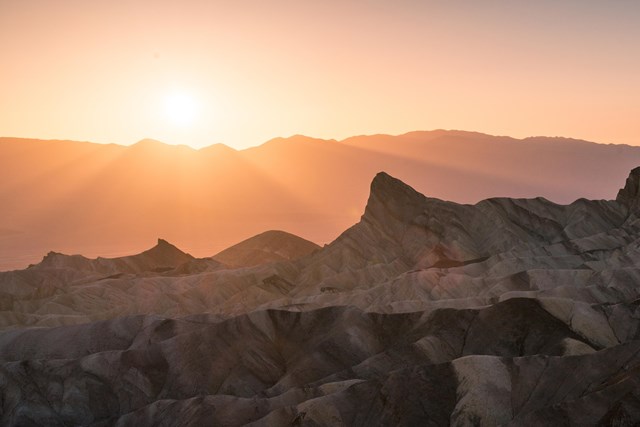
Death Valley is not a smaller Zion. NPS describes wide, dry canyons with big vertical drops, long approaches and routes that may take an experienced group more than ten hours. Its canyoneering page says no canyoneering permit is currently required, but guided canyoneering and new fixed hardware are prohibited. Natural anchors are part of the skill set, not a detail to learn on the first rappel. Heat, wind, sparse cell coverage and short winter daylight all matter. Go with people who can build and assess anchors, and leave a trip plan with someone outside the canyon.
Wrangell-St. Elias: remote backcountry, not a standard canyon itinerary
Wrangell-St. Elias completes the activity list. Its park backcountry guidance describes river crossings, glacier travel, unstable slopes and extreme weather. Its presence on the Park Service canyoneering list does not establish a standard route. Plan a specific objective with the park and a qualified local guide if needed; confirm access, conditions and any permit requirements for that exact trip.
The question before the route
Can every person in your group descend, navigate and exit without a rescue team? Can you identify the drainage feeding the canyon and the forecast over that entire area? Have you checked today's closure and permit status, not last season's trip report? If any answer is no, choose a nontechnical hike instead. A permit manages access, not your safety.
All five parks with canyoneering
Below is every Park Service unit that lists canyoneering. Check park alerts and each park's official route and permit guidance before entering a canyon.
Free to enter Charges an entrance feePoints are the Park Service reference point for each unit, not a boundary.