A tube gives you the river's speed and very little say over its direction. That is the pleasure, provided you checked the water, know where to get out, and wear the life jacket. The Park Service lists 14 units with tubing, covering very different trips: a family float, a cold dam-fed river, a seasonal creek, and even a winter tubing hill.
These ten picks favor an identifiable float or hill. A water-trail designation alone does not promise a tubing route; check the specific reach and access before going.
The ten best places to go tubing in the national parks
01Yosemite: Merced River
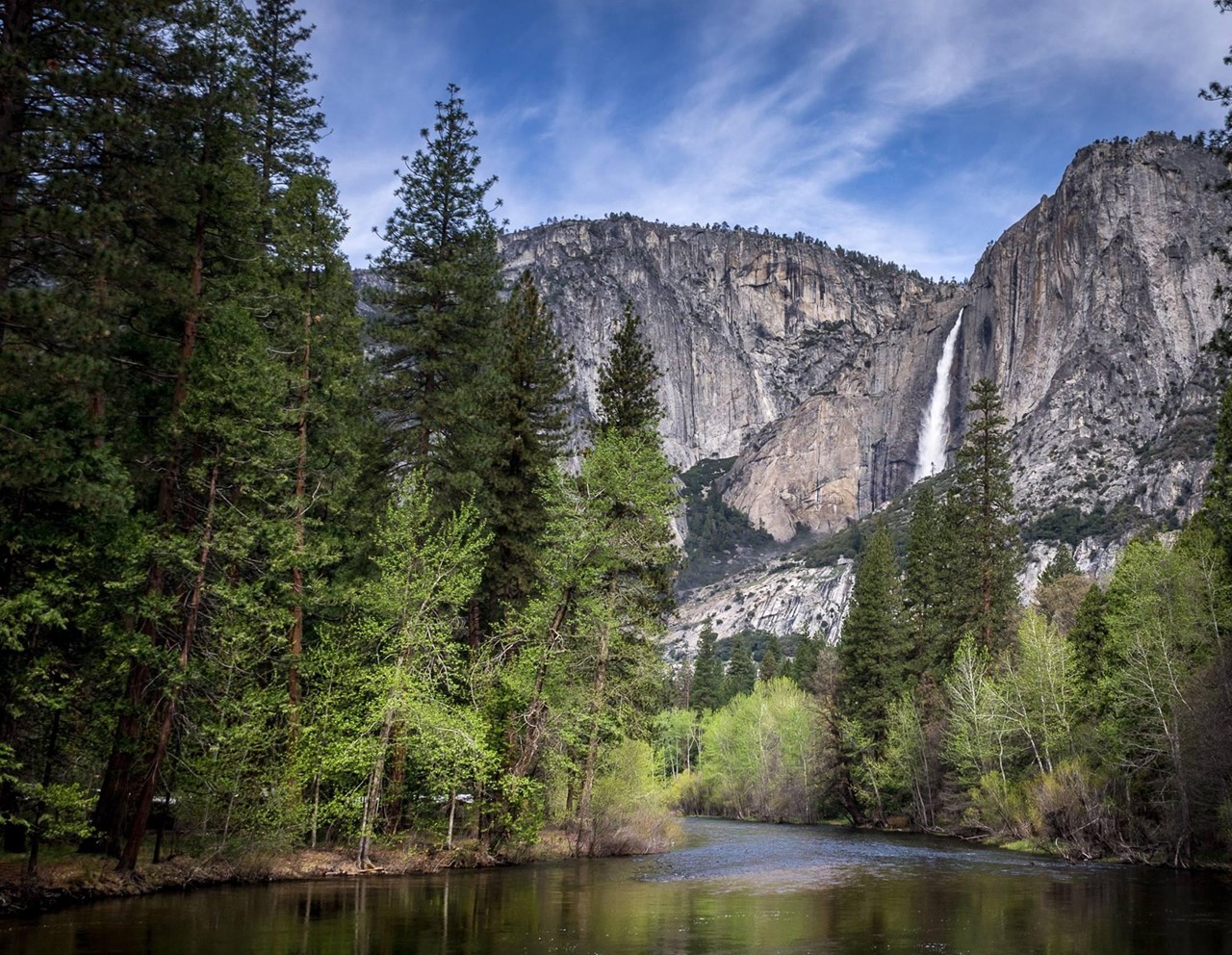
Yosemite fees, hours and alertsThe valley float beneath granite walls is the scenic prize, but the Merced answers to snowmelt, not a reservation calendar. NPS describes the usual trip from Stoneman Bridge near Curry Village to Sentinel Beach Picnic Area. That section is open to boating and rafting when the Pohono Bridge gage reads below 7 feet at 8 a.m.; put in and take out only where allowed. Rental rafts may be available in summer, depending on the river. The park specifies when flotation devices must be worn and when they must be immediately available; children under 13 wear one. Check that day's conditions rather than driving in with an inflatable and a guess.
02Niobrara National Scenic River
Niobrara fees, hours and alertsNebraska's Niobrara is a river built for a long, unhurried day: springs, canyon walls and Smith Falls on a side trip. NPS lists tubes among the ways visitors float it; local outfitters handle the craft and shuttle. Pick a stretch whose length fits your group and ask about the current level before leaving the launch. You have time to look at the banks here, which is a fine reason not to spend all of it checking your phone.
03Sleeping Bear Dunes: Platte River
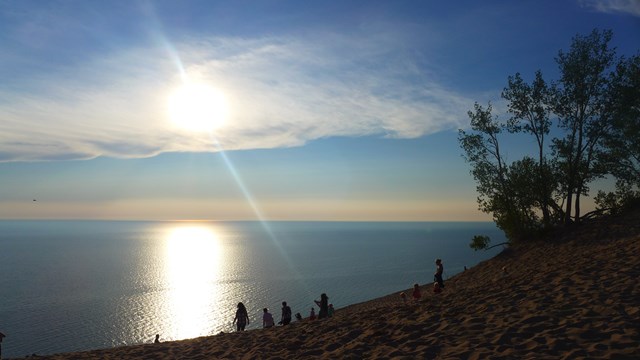
Sleeping Bear Dunes fees, hours and alertsAt Sleeping Bear, the Platte offers a gentler trip through sandy Michigan river country toward Lake Michigan. The park's paddling and floating guidance treats it as a real water outing, not a guaranteed lazy ride at every level. Outfitters around Honor can arrange tubes and transport; confirm their current route and the take-out before you go. The river mouth makes a satisfying finish, but lake conditions are a separate decision from the float itself.
04Chattahoochee River
Chattahoochee River fees, hours and alertsAtlanta's familiar float has a hidden switch: dam releases. The Powers Island-to-Paces Mill route is below Morgan Falls, so check that dam and the lower-river gauge; upstream reaches respond to Buford Dam and its colder water. The Chattahoochee can rise without rain at your launch. Use a park-authorized outfitter for the tube, shuttle and Coast Guard-approved PFD, then wear it. A weekday buys more river and fewer neighboring tubes.
05Ozark National Scenic Riverways
Ozark Riverways fees, hours and alertsThe Current and Jacks Fork are the Missouri float-country classics. Springs keep the water clear and cold; gravel bars make the natural pauses. Choose a reach and a local livery rather than asking for "the Ozark float," which is too broad to book. The Current is a good pick for a warm summer day when that cold water feels like a benefit, not a surprise. The shuttle solves the two-car puzzle; it does not absolve you from checking the day's river conditions.
06Great Sand Dunes: Medano Creek
Great Sand Dunes fees, hours and alertsMedano Creek is tubing's oddest cousin: shallow snowmelt water at the foot of the dunes, sometimes arriving in pulses called surge flow. The spectacle depends on that year's snowpack and can fade quickly. NPS posts flow conditions and seasonal guidance; a date that worked last year proves nothing about this one. Bring a small float for the water that is actually there, not a promise of a full river. The sand will follow you home regardless.
07Upper Delaware
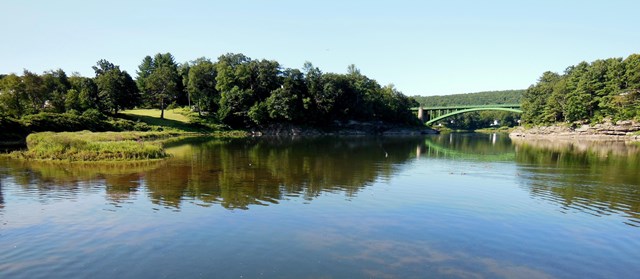
Upper Delaware fees, hours and alertsThe Upper Delaware gives New York and Pennsylvania a long wooded river corridor with outfitters listed by the Park Service. Rent a tube and shuttle for a reach suited to your group, and ask about today's current before committing. A broad, calm-looking surface can still hide a snag or a cold-water problem. The river's appeal is the drift past wooded banks, not a race to the take-out.
08Saint Croix National Scenic Riverway
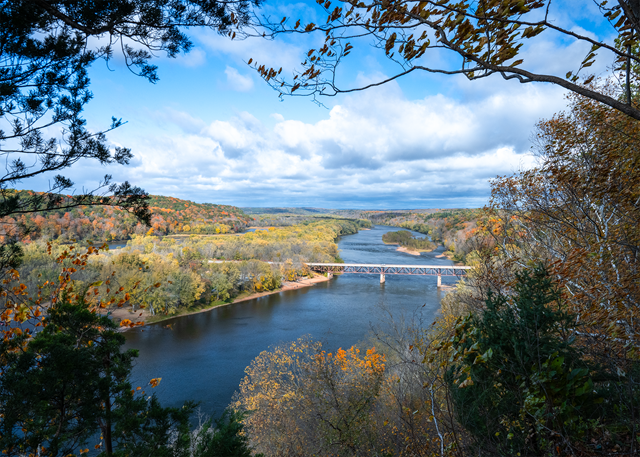
Saint Croix fees, hours and alertsThe St. Croix and Namekagon give the Twin Cities region a nearby river day with sandbars and plenty of room to slow down. Tubing near Taylors Falls is a summer institution, but choose a specific stretch and confirm the livery's shuttle rather than assuming every reach suits a tube. Water level changes the pace, and a sandbar is only useful if the group knows where to reunite. This is the float for lingering.
09Great Egg Harbor River
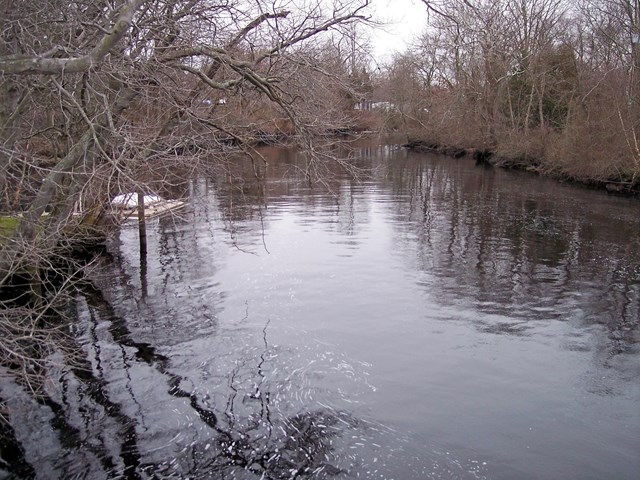
Great Egg Harbor River fees, hours and alertsIn southern New Jersey, tea-colored water runs through the Pine Barrens. The Great Egg Harbor is a designated wild and scenic river system, but the Park Service does not run a tubing program for you. Find a local outfitter and confirm the specific reach, access and current conditions. The dark water is part of the landscape, not evidence that you can skip a life jacket. This is a quieter-looking trip than the shore towns suggest.
10Olympic: Hurricane Ridge in winter
Olympic fees, hours and alertsOlympic offers snow tubing, not a river float. The Hurricane Ridge Ski Area has a tubing park with its own ticketing and tubes during its winter operation, subject to weather and road access. NPS separately describes a children's snowplay area near the parking lot. Check the current ski-area and road notices before driving up the ridge. It is the only pick on this list where a warm coat matters more than a swimsuit.




When to go: let the water set the calendar
Spring is snowmelt, not an opening promise. Yosemite's Merced may be too high for the usual valley float; Medano Creek's brief surge-flow period follows the snowpack. Check the actual NPS gage or flow update. A sunny day does not certify a safe channel.
Summer is the outfitter season. Niobrara, Ozark, Delaware and Platte floats are easier to plan when rental and shuttle operations are running. Weekends fill quickly, and a dam-fed reach may remain cold on a hot afternoon. Book the ride and check the river again close to departure.
Fall requires a phone call. A river can remain open after the last livery shuttle, and low water can make a familiar route awkward. Ask who will collect your group and where. If the answer is vague, take a walk along the bank instead.
Winter belongs to a different tube. Olympic's Hurricane Ridge is a snow outing, subject to road, ski-area and weather limits. The snow-tubing page covers that category separately; Olympic belongs to the winter plan, not a summer river float.
How to tube a park safely
- 1
Name the reach and take-out. "The river" is not a route. Check the legal put-in, take-out, float time and who runs the shuttle; Yosemite permits launch and retrieval only at specified spots.
- 2
Check the source of the water. Look up the Pohono Bridge gage for Yosemite's usual valley float, Morgan Falls releases for the lower Chattahoochee and Buford releases for upper reaches. Read the park's current alert, not last summer's blog post.
- 3
Wear the PFD. Requirements vary by park and river level, but a tube flips easily and cold water changes the stakes fast. Yosemite's wear rule depends on the gage and age; an outfitter's supplied jacket should go on, not under your arm.
- 4
Ask an outfitter what changed today. A new tree, a lower channel or a closed access point may not appear in an old itinerary. If no outfitter or park page confirms a usable reach, don't assume one exists.
All 14 parks with tubing
Below are Park Service units that list tubing. A listing does not identify a safe float or a working winter hill: check the park's current water, road and outfitter conditions before setting out.
Free to enter Charges an entrance feePoints are the Park Service reference point for each unit, not a boundary.