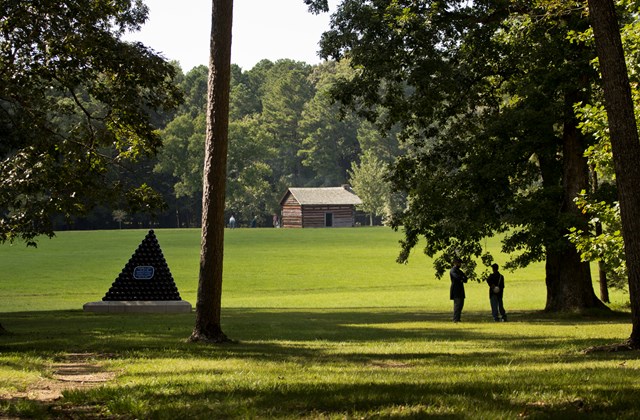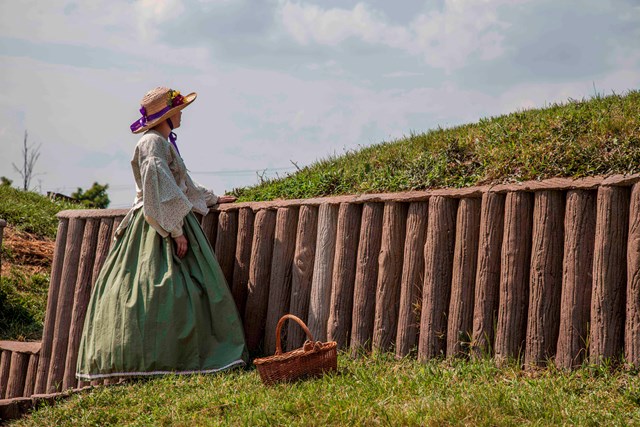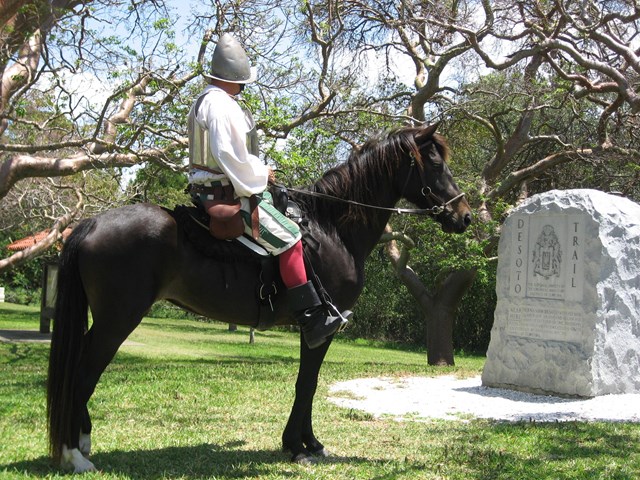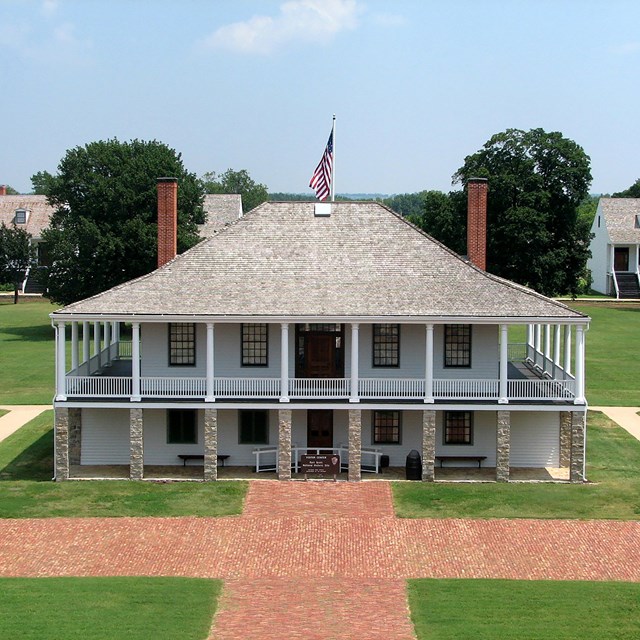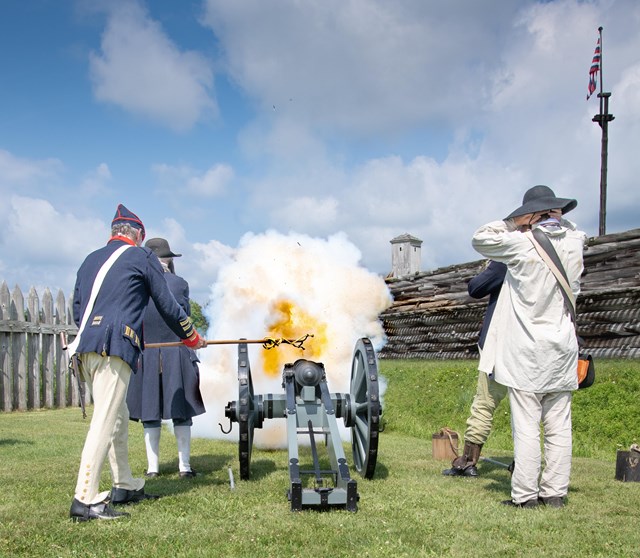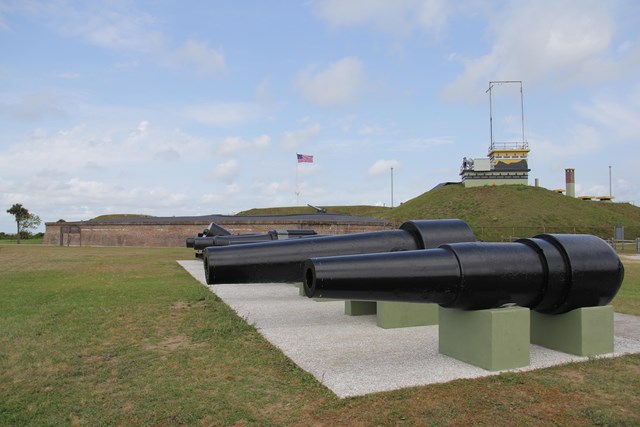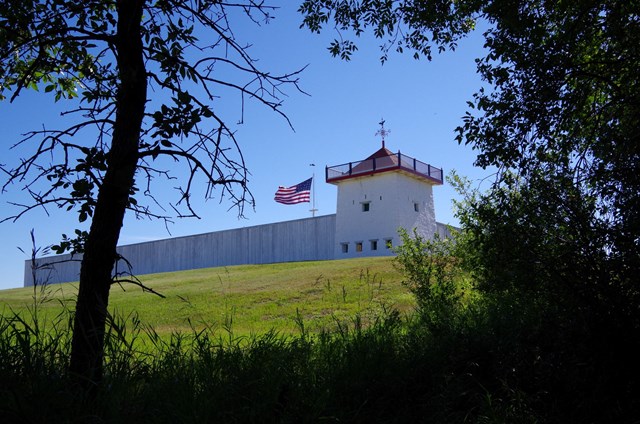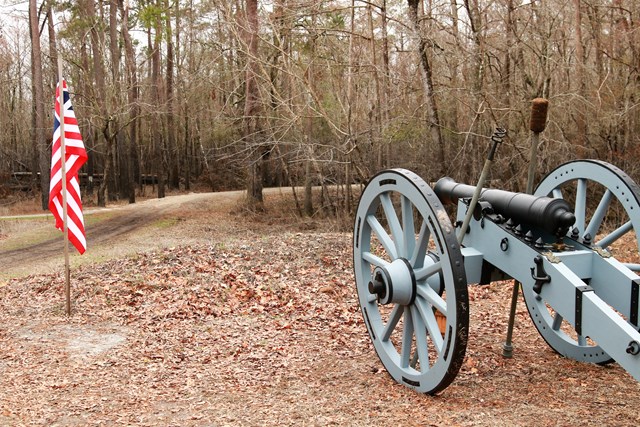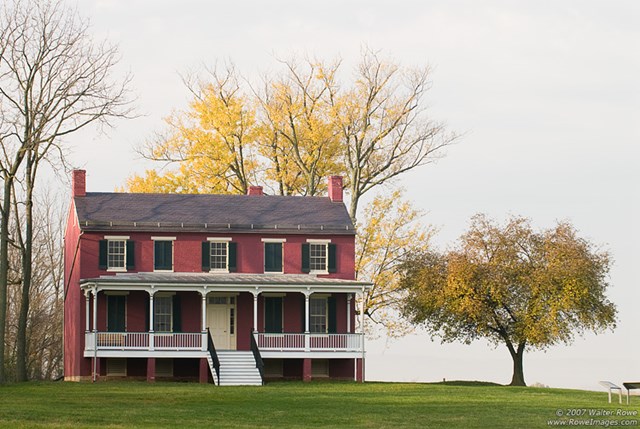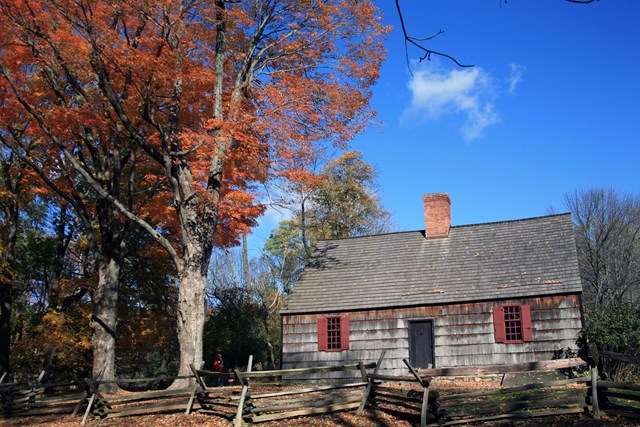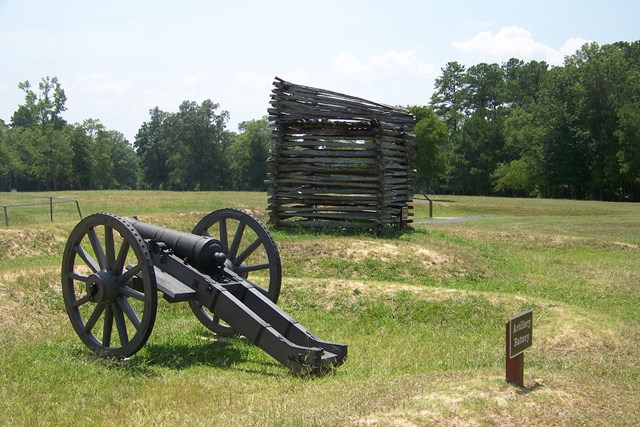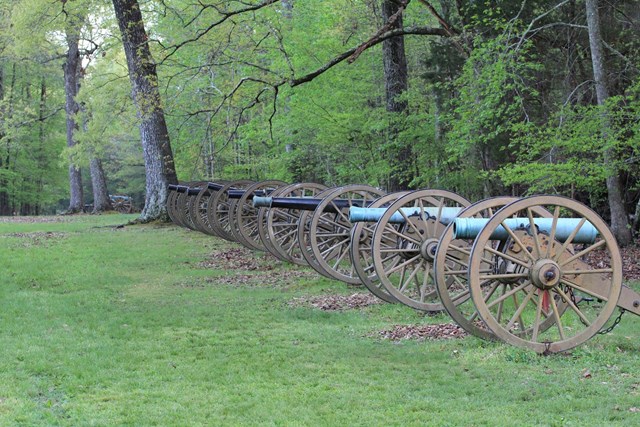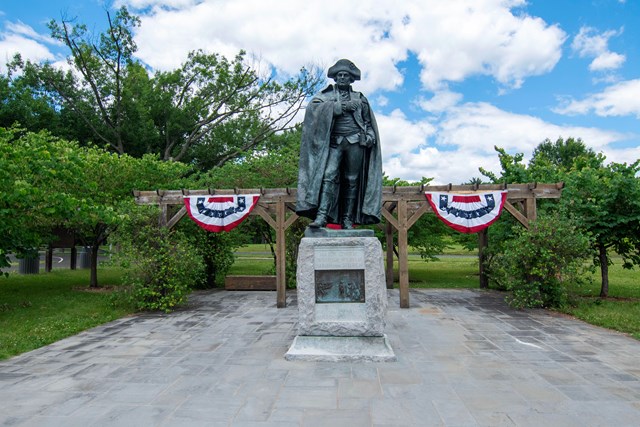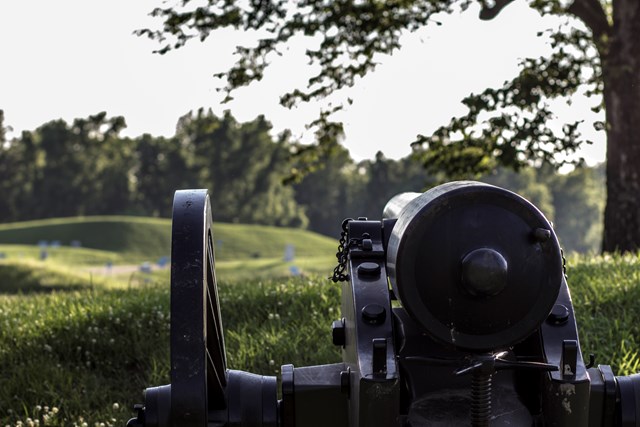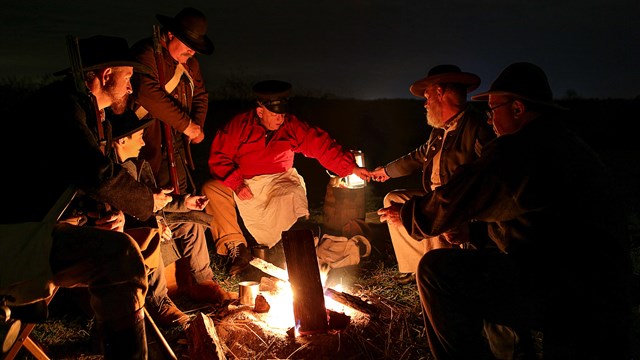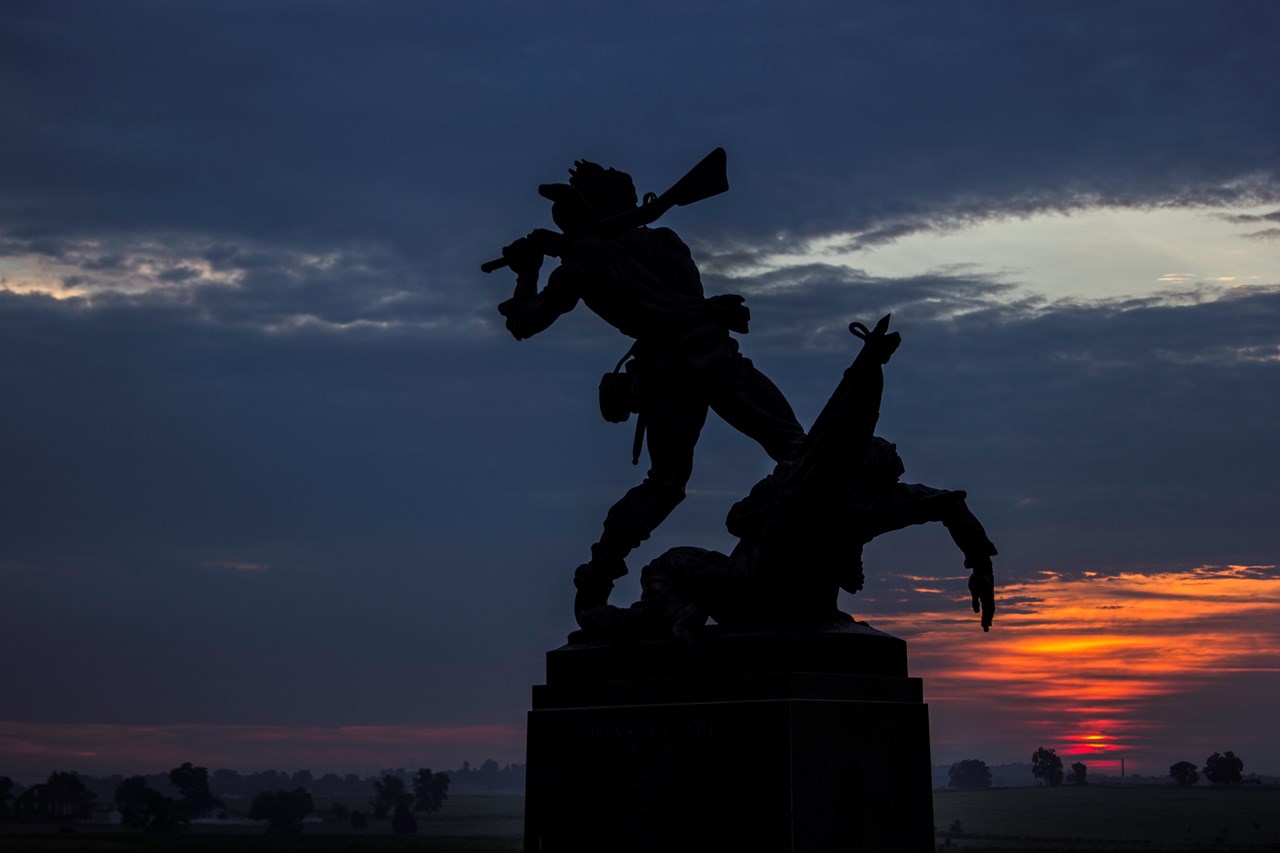
A cannon crew can explain its work better than a silent gun. So can someone cooking at a fort, weaving at a mill or making a sand mold beside a furnace. Living history puts a skilled action back in the place where that work mattered. The best programs let you ask what the interpreter is doing and why, rather than hoping the clothing will tell the whole story.
The Park Service lists 108 units with living history. That includes programs with very different rhythms: a weekly encampment, a seasonal demonstration, a once-a-year ride that crosses eight states. Our ten picks rank the specificity of the interpretation and the value of being there while it happens. A park listing is not a guarantee that someone will be in costume on Tuesday. Start with the park's dated calendar, then build the trip around the program you can actually catch.
The ten best national parks for living history
01Gettysburg
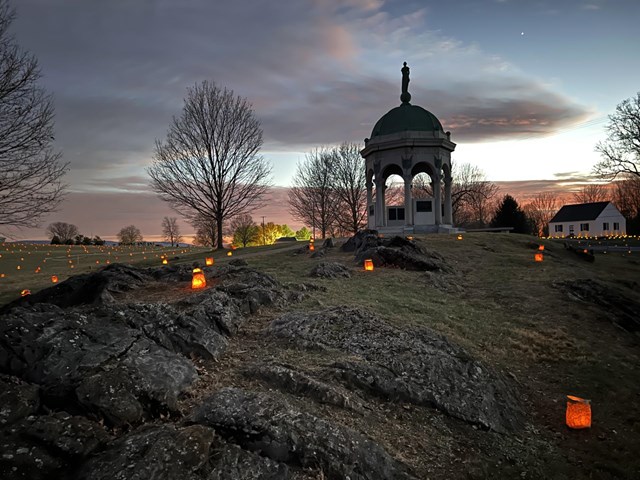
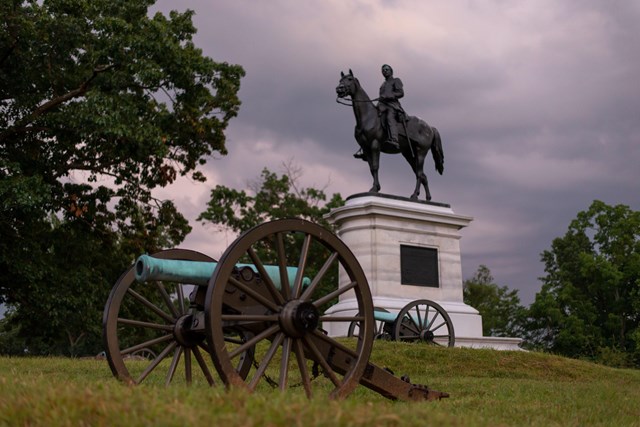
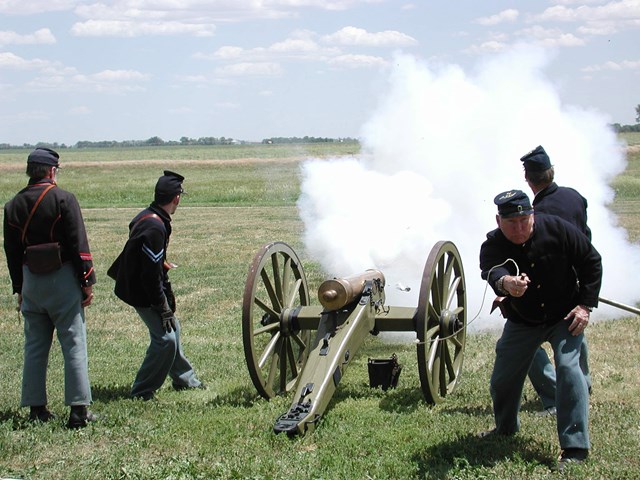
Gettysburg fees, hours and alertsGettysburg publishes a schedule detailed enough to choose a battlefield stop, a weekend and a volunteer unit. Living-history programs run on summer weekends, with events into October. Different weekends may bring groups to Spangler's Spring, the Pennsylvania Memorial or Pitzer Woods. Pick the program on the park calendar and drive to its stated stop; do not expect the same group at every monument. Some programs involve loud firing demonstrations, while others are non-firing. The interpreters give the battlefield a human scale without pretending to replay the battle itself.
02Fort McHenry
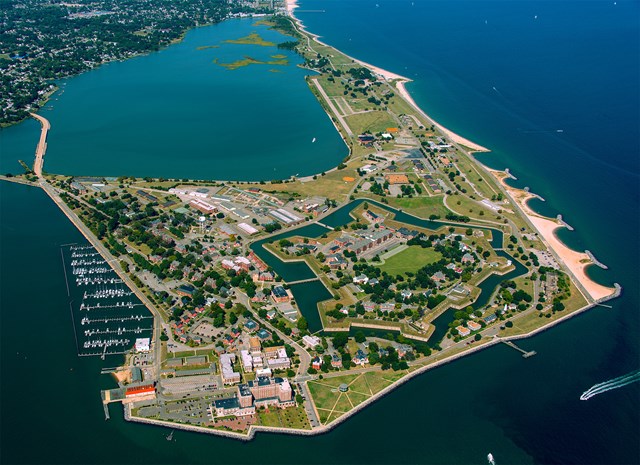
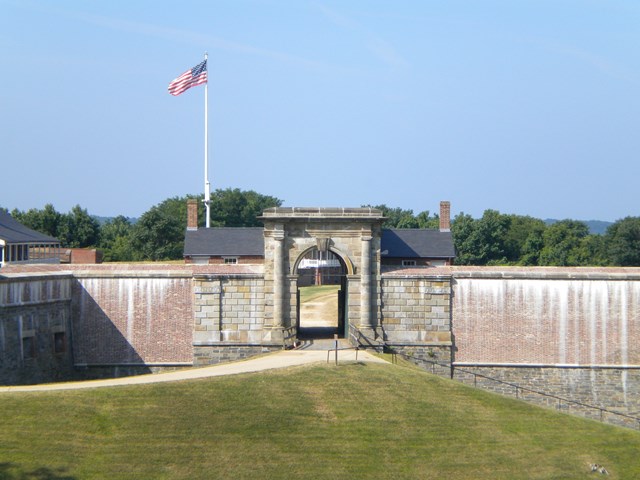
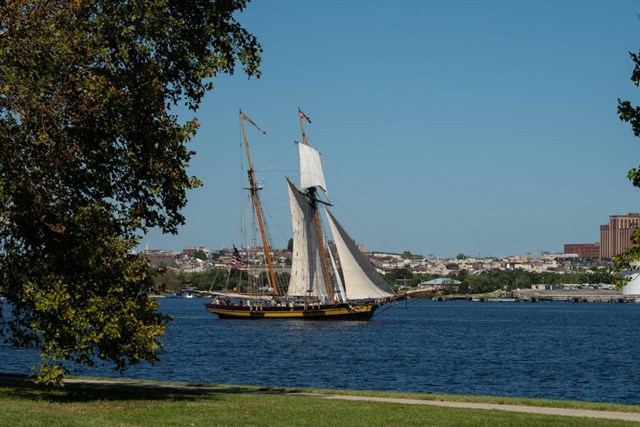
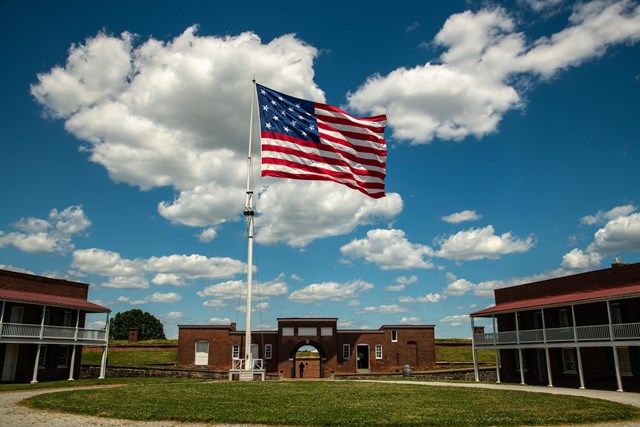
Fort McHenry fees, hours and alertsAt the fort associated with the 1814 defense of Baltimore and the anthem it inspired, living historians interpret more than one era. NPS volunteers, youth employees and rangers demonstrate trades, black-powder firing and fife-and-drum music, with programs spanning the War of 1812, the Civil War and World War I. The park describes regular activity Wednesdays through Sundays in summer and on fall weekends, with heavier programming around Memorial Day, Defenders' Day and Veterans Day. Firings depend on weather and are not promised. Programs outside the historic zone are free; the park page lists a fee for adults entering the historic zone. Find out where today's demonstration will be before choosing the gate.
03Hopewell Furnace
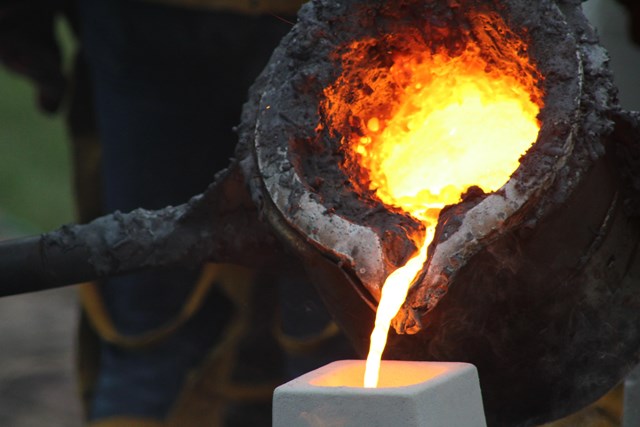
Hopewell Furnace fees, hours and alertsHopewell operated as an iron plantation from 1771 to 1883. The NPS now uses that landscape to show the work behind ironmaking and the people whose labor sustained it. Depending on the calendar, a visit may bring costumed interpreters showing blacksmithing, fiber arts or baking, a walking tour of the furnace community, or a hands-on sand-mold activity using plaster. The park also describes demonstrations of molten aluminum poured into molds with historic methods; that is a demonstration, not a claim that the old iron furnace is operating again. Programs depend on staffing. Choose a date with the activity you want, then spend the rest of the visit seeing how the buildings fit together.
04Fort Larned
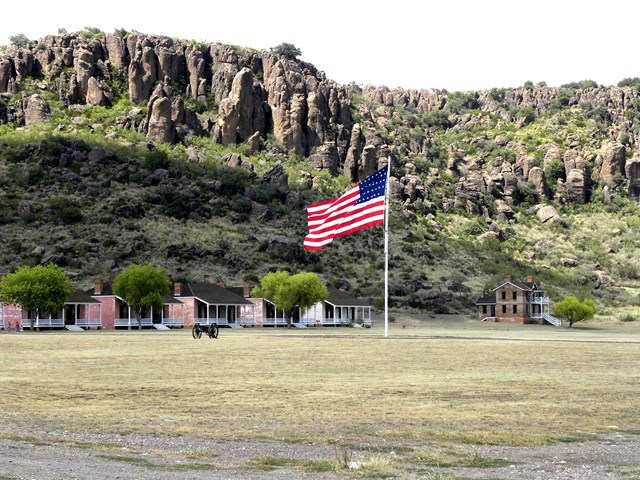
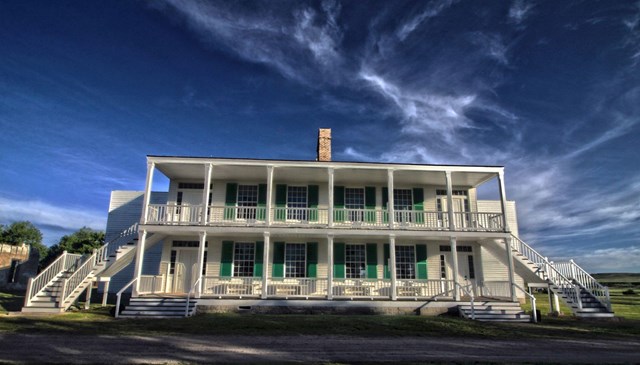
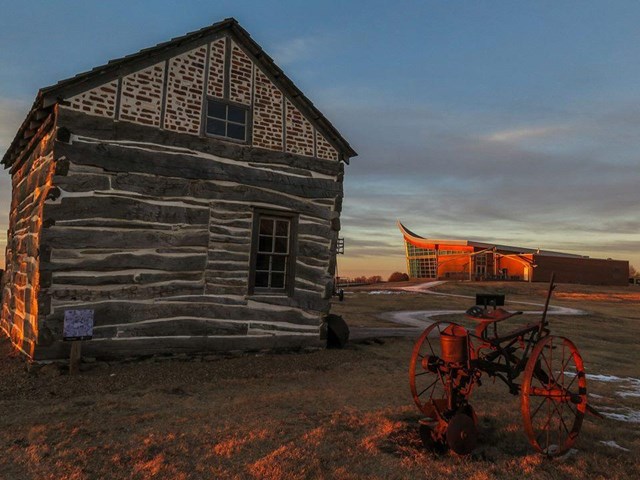
Fort Larned fees, hours and alertsFort Larned's rooms give interpreters a job to do. Its NPS page names the commissary, infantry barracks, hospital, blacksmith shop, schoolroom, arsenal and officers' quarters as settings where staff or volunteers may appear. Demonstrations can include cooking, sewing, wood and leather work, blacksmithing, games and historic weapons. A visitor can move through an army post and ask how supplies, care and ordinary life worked, rather than treating the fort as a row of empty rooms. The park emphasizes special events and staffing-dependent activity for the rest of the year. Look up an event date if you are traveling for living history; the historic buildings remain worth visiting without a full cast.
05Fort Matanzas
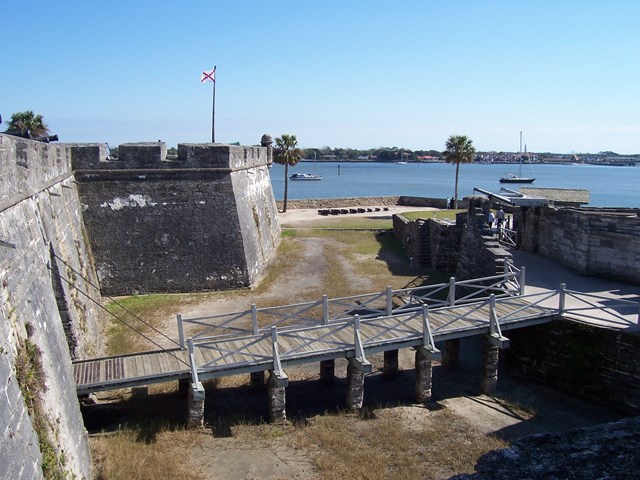
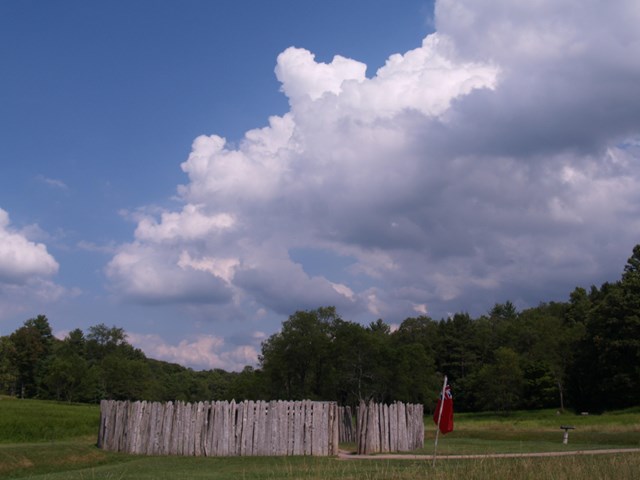
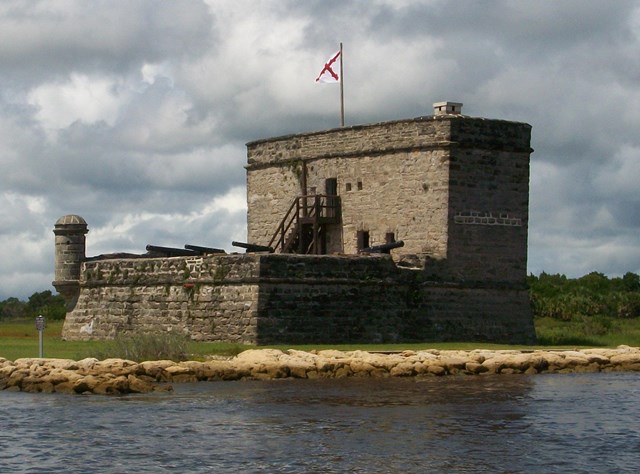
Fort Matanzas fees, hours and alertsThe fort's interpreters explain how 18th-century soldiers lived through the things they carried and used. Its park page invites you to look at a flintlock musket or cannon, examine the shot locker and ask about the tools of colonial life. Historic-weapon firing takes place on some weekends, not every visit. The NPS also describes select winter evening tours with cannon firings, which are calendar events rather than a nightly attraction. Check the current event listing before promising a child a boom. The small fort makes the material detail easy to see, and the questions are more interesting than the smoke.
06Yorktown Battlefield
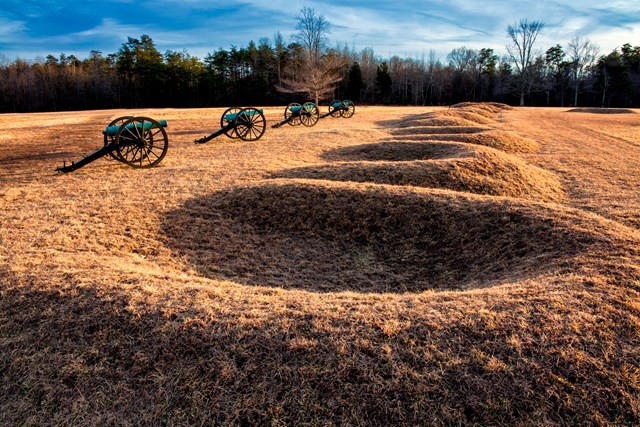
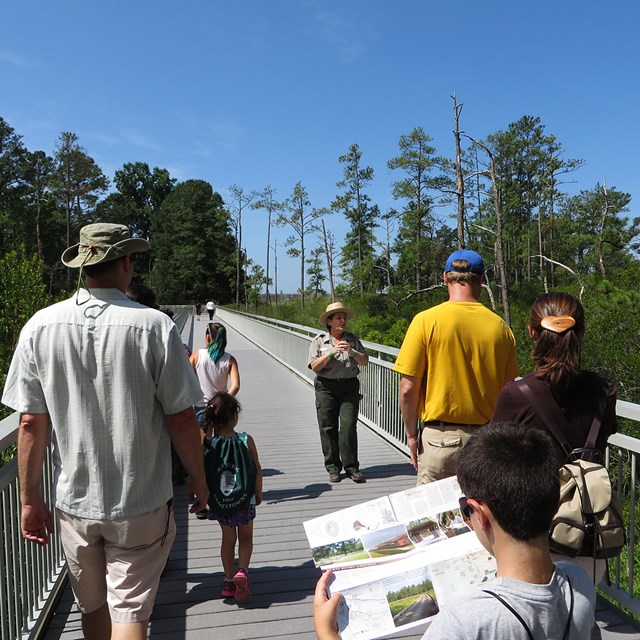
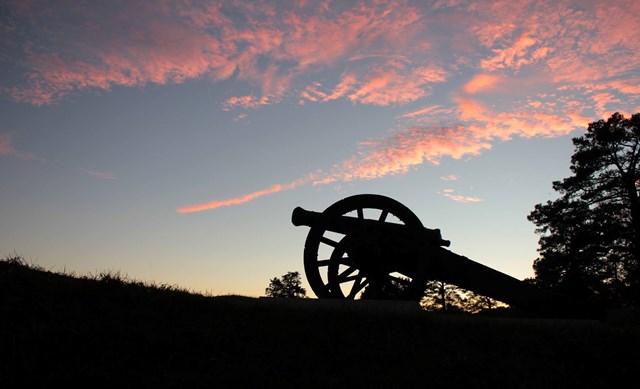
Yorktown Battlefield fees, hours and alertsYorktown's living-history associate can walk the British defenses with you, turning the lines of a siege into a route through the landscape. The park lists a roughly 45-minute Siege Line walk when staffing allows, plus a Young Soldiers program led by a costumed interpreter in the summer. Its non-firing artillery program lets children and adults learn how a crew worked without promising a live shot. Availability varies with staff, so do not confuse a program description with a reservation. The visitor center is the starting point for ranger-led offerings. Ask what's running that day, then let the earthworks explain what the demonstration cannot.
07Fort Union
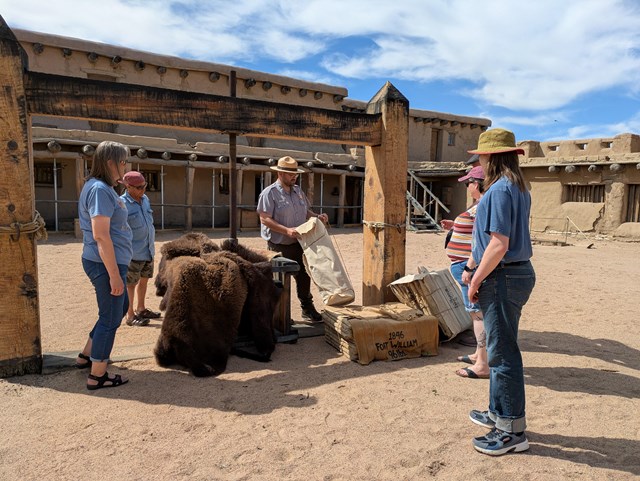
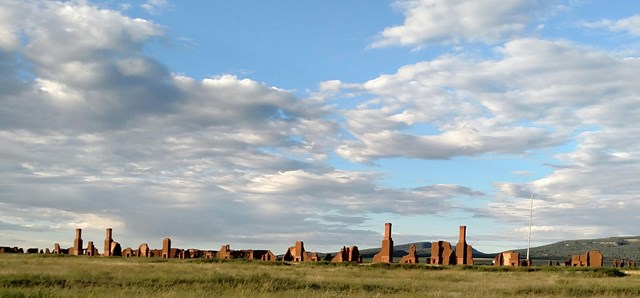
Fort Union fees, hours and alertsFort Union's calendar turns New Mexico history into specific appointments rather than a general claim of frontier atmosphere. The park lists costumed tours, historic clothing programs, weapons demonstrations and events at the fort, with 2026 and 2027 entries posted. An October program can focus on smoke and powder; another can bring a lantern tour through the ruins. Check the exact year and date before relying on a search result. The NPS warns that black-powder firing needs trained staff and suitable fire conditions, and that programs can change with weather or staffing. A ruin and a demonstration make a stronger pair than either one alone.
08Jean Lafitte
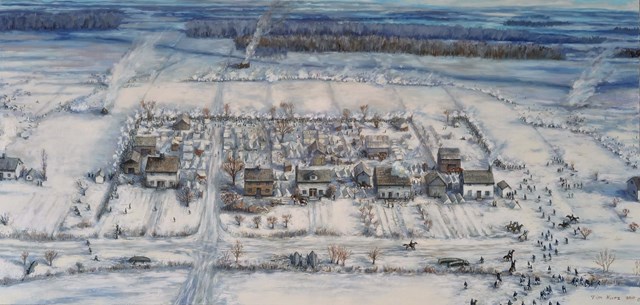
Jean Lafitte fees, hours and alertsAt Chalmette Battlefield, Jean Lafitte National Historical Park and Preserve interprets the 1815 Battle of New Orleans in a landscape also carrying later community and cemetery histories. The park's 2026 commemoration notice listed talks, wreath-laying and related programs; past living-history days brought the work of soldiers and civilians into view. Those past notices are evidence of what the park has offered, not a promise of a repeat on the same January dates. Use the current park calendar to find a demonstration, and go to the right site: Jean Lafitte includes several units around Louisiana. The battlefield is not the Prairie Acadian Cultural Center.
09Pony Express National Historic Trail
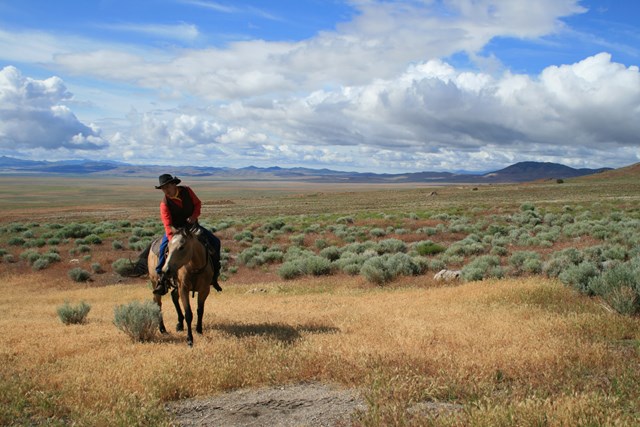
Pony Express National Historic Trail planningThe National Pony Express Association's annual re-ride is living history in motion. Each June, riders carry letters in a mochila along the old route over roughly 1,800 miles and eight states, riding day and night until the mail reaches its destination. That scale makes 'go to the Pony Express trail' useless advice. The NPS links a schedule and tracking map so you can choose a real viewing point, preferably in daylight, on the right date. The ride is an annual event, not a permanent demonstration stationed at a visitor center. It also shows why a historic trail needs more planning than a fort with a front door.
10Horseshoe Bend
Horseshoe Bend fees, hours and alertsHorseshoe Bend's living-history program is a useful reminder that these shows require training, people and a calendar. In June 2026 the park sought volunteers for an expanded program, describing hands-on weapons training and Saturday commitments rather than promising that demonstrations would appear every day. Its muster events have interpreted both American Indian and militia life connected to the Creek War, though an old event notice is not a schedule for this year. Check the current park calendar before traveling to hear a cannon. When a program is running, use the visit to ask whose accounts and labor are being represented, not only which weapon made the loudest report.

When to go: the demonstration year
Spring. Memorial Day programs often start the outdoor fort season. Fort McHenry names Memorial Day among its heavier program dates. Look for an actual listing before building a holiday weekend around a firing.
Summer. This is the easiest time to find regular programming. Fort McHenry describes Wednesday-through-Sunday living history; Yorktown lists summer Young Soldiers and non-firing artillery programs when staffed. Fort Larned's special events add a fuller cast than an ordinary afternoon.
Fall. Gettysburg's programs can continue into October, while Fort McHenry shifts to weekends. Fort Union's event page posts its own autumn programs and cautions that weather, staff and local fire limits may change them. A fall closure or changed firing plan is not a surprise worth discovering at the gate.
Winter. Programs thin out but do not vanish. Fort Matanzas describes select winter evening tours, and Jean Lafitte has held January commemorations. Those are dated events, not seasonal promises. Start with the live calendar for the year you are traveling.
How to catch the real program
- 1
Read the dated entry. It should name a park unit, a place in that unit and a time. Gettysburg has more than one Auto Tour stop; Jean Lafitte has more than one park site.
- 2
Separate interpretation from reenactment. NPS living history explains a slice of work or life. It does not replay entire battles, and a person in period clothing need not pretend to be a named historic figure.
- 3
Treat a firing as conditional. Weather, staff training and fire danger can change a weapons demonstration. Fort McHenry says so directly; a quiet program may still be the better history lesson.
- 4
Know what the entry fee covers. Fort McHenry distinguishes programs outside the historic zone from those inside it. Check the current park fee page before promising a free interior visit.
- 5
Ask a specific question. What is the tool for? Who did the work? How do we know? A living historian should be able to connect the skilled action to the park's story.
How the interpretation changed
The fort and battlefield parks did not always define 'living history' the way they do now. The National Park Service's own account of Antietam describes 1980s disputes over who was allowed to demonstrate historic weapons and portray soldiers. Seasonal interpreter Pat Lammers challenged the exclusion of women from cannon demonstrations. Those disputes changed how the agency thought about authenticity, safety and the interpreter's role.
By the early 1990s another case involving living historian Lauren Cook Burgess had led to a court ruling against excluding a woman from a Civil War portrayal solely on gender. The park service's article says its current practice emphasizes educational, third-person demonstrations: interpreters explain the past rather than claim to restore it. It also states that simulated battle reenactments are prohibited in national parks.
That distinction helps a visitor. At Hopewell you can watch a casting demonstration and ask what the original furnace produced; at Gettysburg you can learn a cannon crew's work without watching a staged battle. The useful question is what the demonstration can show, and what it cannot.
All 108 parks with living history
Below are Park Service units that list living history. Open the park page for trip basics, then find the current program calendar; a listing does not mean a demonstration runs on the day you arrive.
Free to enter Charges an entrance feePoints are the Park Service reference point for each unit, not a boundary.