
A battlefield can be full of uniforms without staging the battle again. The Park Service prohibits simulated warfare with opposing lines and mock casualties in its parks. You can still hear a cannon demonstration, walk through a living-history camp or join a ceremony on the ground where something happened. That difference is more than a technical rule. At a memorial, the place and the people lost there should not become the backdrop to a pretend victory.
The Park Service lists 29 units with reenactments. What you will actually find is a varied calendar of anniversary observances, period trades, drill, music and interpretation. Some gatherings happen on a particular weekend; others return more often in season. These ten are the strongest reasons to choose a date rather than merely a destination. The park's current event calendar decides what runs, and a large battle reenactment advertised nearby may take place on private land outside park boundaries.
The ten best living-history events in the national parks
01Fort McHenry
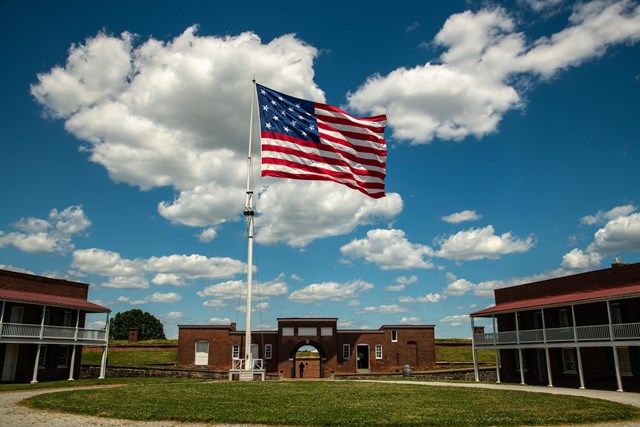
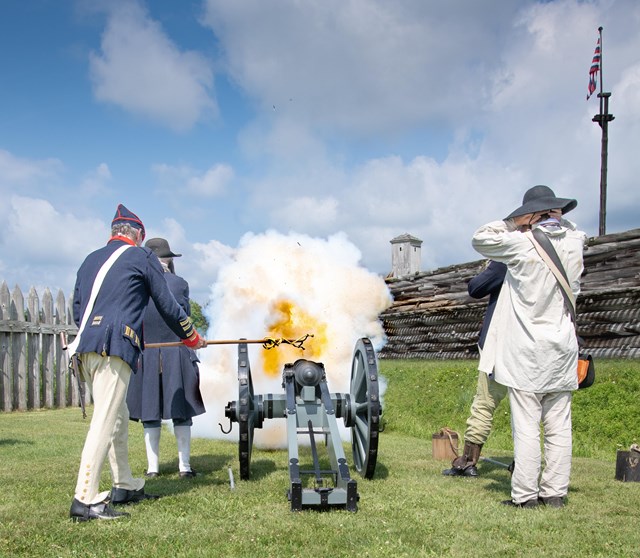
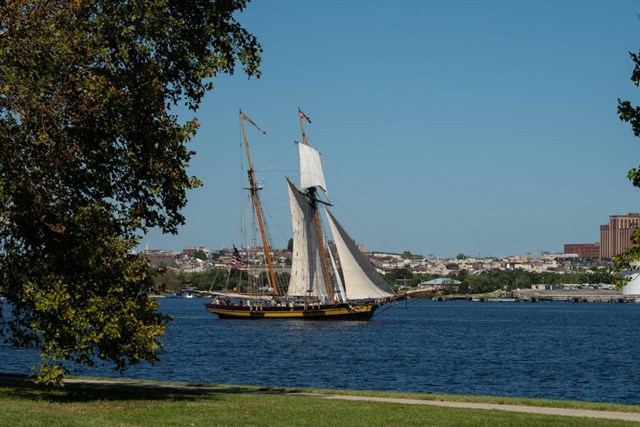
Fort McHenry fees, hours and alertsFort McHenry's Defenders' Day remembers Baltimore's defense during the War of 1812 and the bombardment behind "The Star-Spangled Banner." Living-history guards, music, flag ceremony and historic-weapons demonstrations put human work back into a fort often reduced to its famous flag. The park's Guard represents soldiers, sailors, musicians and civilians, so the story need not depend on a single costumed gunner. It is an anniversary observance on the real ground, not a reenactment of opposing armies exchanging fire.
Check this year's program for the flag events, firing demonstrations and any evening activities. A general admission plan does not tell you when a particular part happens. Arrive with enough time to walk the fort before the ceremony; seeing the gun positions makes the drill more than a burst of noise. The strongest moment may be the flag over the ramparts after you have spent time with the people who kept the place working.
02Yorktown Battlefield
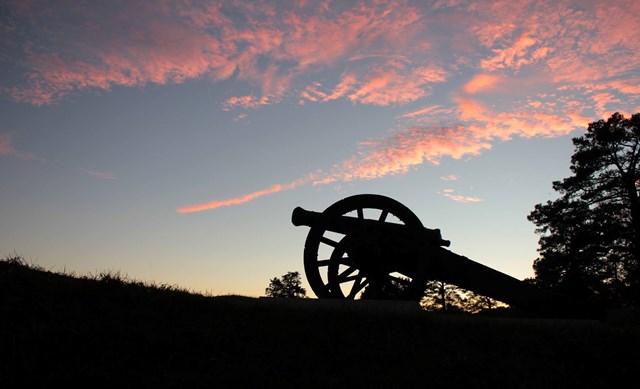
Yorktown Battlefield fees, hours and alertsAt Yorktown Battlefield, Yorktown Day marks the surrender that ended the major fighting of the American Revolution. Ceremonies, music and commemorative programs connect the battlefield to the town and to an anniversary that still shapes its public life. The park also offers changing ranger and living-history programming during the visitor season. A wreath laid on the actual field can be more affecting than a scripted final attack somewhere else.
Look at both the park and town schedules to understand which event is where. An anniversary parade is not the same thing as a fortification tour or a historic-weapons demonstration, and travel between them takes time. Check the current year's timetable rather than assuming a past program repeats unchanged. The landscape is broad; a short ranger talk before the ceremony helps place the guns, roads and surrender in relation to one another.
03Golden Spike
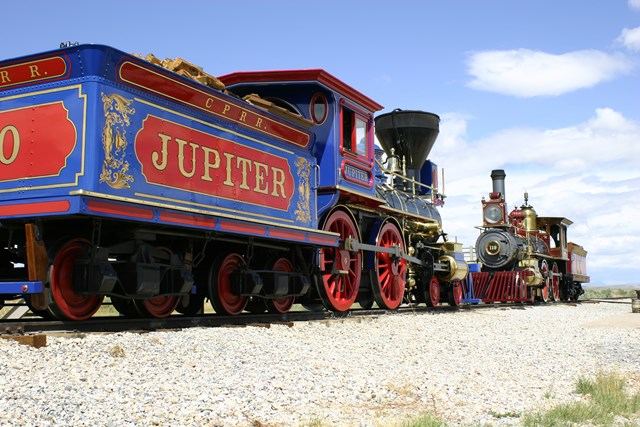
Golden Spike fees, hours and alertsThe transcontinental railroad's meeting at Promontory Summit invites a kind of restaging parks can do without pretending at a battle. Golden Spike uses replica locomotives, Jupiter and No. 119, to make the joining of the rails visible. Its completion anniversary has included period dress and ceremony around the famous final spike. The machines do not have to be original to show why two engines facing one another became an enduring image.
Check locomotive operating status and the current anniversary schedule before making the trip. A locomotive demonstration in another month may give you more room to look, while the anniversary adds a crowd and a sense of occasion. Promontory is a place to ask who built the railroad as well as who stood in the photograph. The celebration is better when the laborers remain in the story alongside the dignitaries.
04Fort Union Trading Post
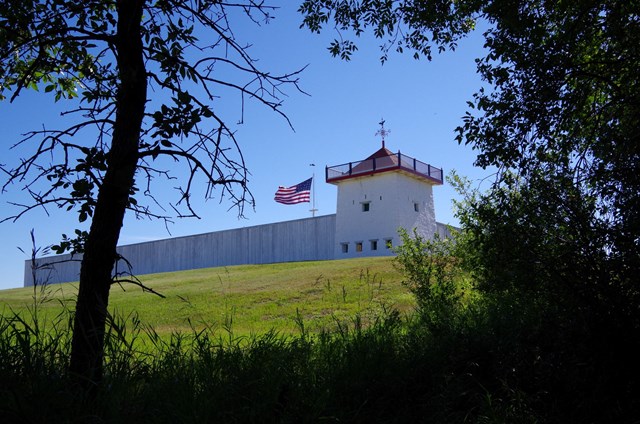
Fort Union Trading Post fees, hours and alertsThe Rendezvous at Fort Union Trading Post brings traders, artisans and interpreters to a reconstructed post along the Upper Missouri. The park's 2026 event notice describes blacksmithing, pottery, frontier cooking, vendors and historical programs. Those activities can show the work behind a fur-trade economy that a bare building does not explain. Look for the many people involved in trade, including Native nations, rather than accepting a lone mountain-man story as the whole place.
The Rendezvous is an event with its own dates, not the daily state of the fort. Find the next program before you go and distinguish an artisan demonstration from a scripted scene. This is the North Dakota trading post, park code fous, not Fort Union National Monument in New Mexico. The shared name is an easy way to end up on the wrong itinerary. Confirm the site and the weekend before you leave.
05Grand Portage
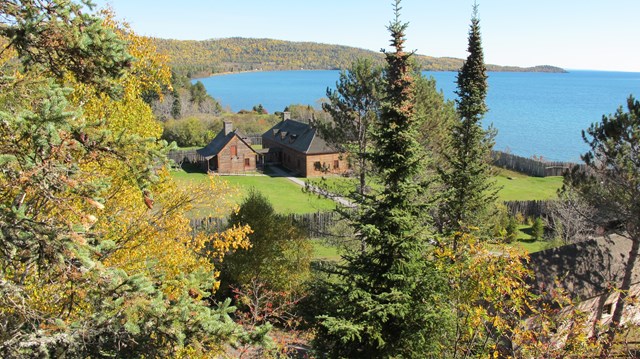
Grand Portage fees, hours and alertsGrand Portage marks the fur-trade gathering through Rendezvous Days at its reconstructed North West Company depot on Lake Superior. Voyageur interpretation, camps, music and trade demonstrations can fill the place with people again. The nearby Grand Portage Band powwow is a living community gathering with its own meaning, not a historical reenactment arranged as a prop for the depot. Attend each on its own terms.
Find the current schedule from both organizers and allow time for the depot and the wider shore. A canoe, a trading room and a campfire each answer a different question about moving goods through this country. Weather along the lake can change a program, and a popular weekend can make logistics matter. Grand Portage rewards visitors who look past period clothing to the relationships that made the route possible.
06Fort Stanwix
Fort Stanwix fees, hours and alertsThe reconstructed fort at Fort Stanwix makes the 1777 siege visible through garrison life and siege-themed interpretation. The park has scheduled special weekends with muskets, cannon and period camp work. A demonstration of loading or keeping watch explains a soldier's day more effectively than actors pretending casualties outside the walls. The full-scale structure helps you see why its position mattered.
Check the next event's actual title and lineup; a past "Siege 1777" weekend is not a standing daily show. Walk the fort with a ranger or park materials before the firing so that the entrances, walls and nearby town have a geography in your head. The reconstruction is a tool for understanding the old site, not the original building. Treat the people interpreting it as guides to the evidence, not as proof that everything happened exactly where a performer stands.
07River Raisin
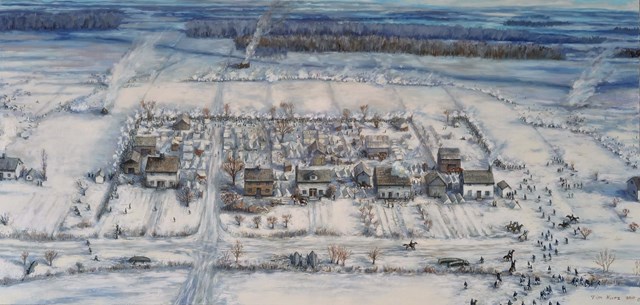
River Raisin fees, hours and alertsRiver Raisin commemorates the 1813 battles whose aftermath gave Americans the cry "Remember the Raisin." A winter anniversary can bring ceremonies and living-history programs to Monroe, while tactical battle reenactments take place off park land. That line matters: the park protects the battlefield and interprets the dead; a separate event may stage combat elsewhere. Do not confuse the two when buying a ticket or planning where to park.
Read the current commemoration program for times and locations. The cold is part of the setting, but dress for the conditions now rather than trying to approximate a soldier's kit. Begin with the park's account of the battles and their consequences, including the roles and suffering of people the rallying cry can flatten. A ceremony is most meaningful after you know what is being remembered.
08Pony Express National Historic Trail
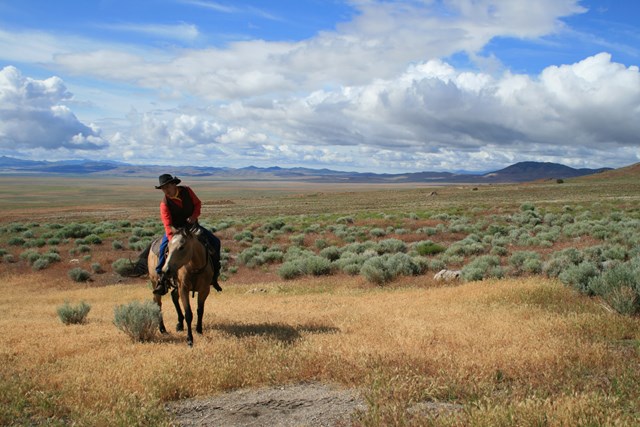
Pony Express Trail fees, hours and alertsThe Pony Express Trail has a reenactment made of motion. The National Pony Express Association's annual commemorative Re-Ride carries letters in a mochila over the historic route, with riders handing the mail onward across states. The trail's park page describes a journey lasting days, not a single performance at a visitor center. You can watch a relay without pretending to see an original nineteenth-century rider.
The practical question is where and when the re-ride passes near you. Consult the current route and handoff schedule from the association, and remember that a moving relay may not hit a roadside point to the minute. This is a good event for someone who likes the logistics behind history: horses, riders, mail and a long line of people making a delivery possible. Do not assume every point on the trail offers a formal NPS-hosted program.
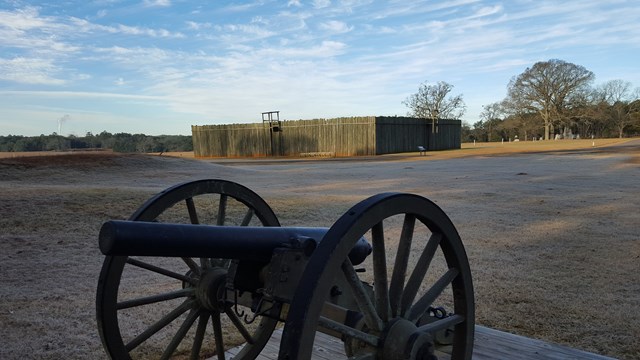
09Andersonville
Andersonville fees, hours and alertsAt Andersonville, Civil War Living History Weekend has brought interpreters together to speak about prisoners, guards and civilians at the former prison. The park has scheduled infantry and artillery demonstrations within a larger program. A place with this history requires more than a thrilling weapons display; the talks and museum help keep suffering, choices and responsibility at the center of the visit.
The park's 2026 weekend is past, so look for a new announcement rather than traveling on an old timetable. Each edition may take up different aspects of prison life. Before a firing demonstration, spend time at the National Prisoner of War Museum or on the grounds, then ask what the day's interpreters are trying to explain. Andersonville is not a battlefield where an imagined exchange of fire could tell the main story. The work of remembering is harder and better.
10De Soto National Memorial
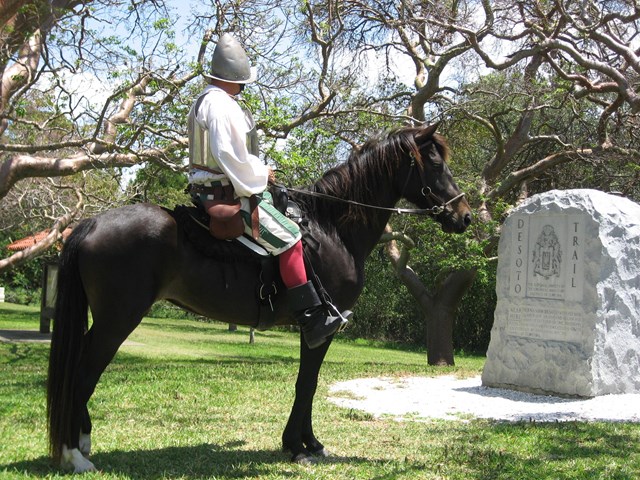
De Soto fees, hours and alertsCamp Uzita at De Soto National Memorial has offered winter living-history talks, period clothing, replica objects and demonstrations about the expedition and Indigenous societies in Florida. The park's outdoor activities page describes historic weapons and crafts as part of that seasonal program. Handling a piece of replica armor can make its burden plain; the larger history asks who bore the costs of the expedition beyond the people wearing it.
The camp operates to a schedule and can cancel for weather. Check the next winter program before going, especially if you are aiming for a particular demonstration. The park's interpretation should make room for Indigenous perspectives rather than turn a conquest story into a costume parade. Visit the grounds with that question in mind. A re-created camp is a starting point for historical inquiry, not the event itself repeated without consequence.
When to go: follow the anniversary, then the calendar
Winter has its own history season. River Raisin commemorations and De Soto's living-history camp make winter an active time for interpretation, but outdoor programs may change with weather. Read the park schedule close to departure. A museum can keep the visit meaningful when a demonstration is canceled.
Spring brings ceremonies and careful dates. Golden Spike's railroad anniversary and Andersonville's past spring living-history weekends belong to different schedules. Do not assume an annual weekend lands on last year's dates. Book travel after the park publishes the next edition and leave room for weather or a changing locomotive demonstration.
Summer fills forts and trade posts. Fort Union's Rendezvous, Grand Portage's gathering, the Pony Express Re-Ride and Fort Stanwix programs can make a long trip worth the timing. Each is run by different people and sometimes alongside separate community events. Verify the organizer and exact location before linking activities into one day.
Fall puts the anniversary back on the battlefield. Fort McHenry's Defenders' Day and Yorktown Day can draw crowds to events with narrow starting windows. Arrive early, walk the site and check where the ceremony begins. The battlefield does not need a staged battle to make an anniversary land.
How to choose the right event
- 1
Read what is staged. NPS policy does not permit simulated battle with opposing fire and casualties in parks. A program may instead offer drill, a firing demonstration, encampment or ceremony. Choose the form you actually want and check whether a separate tactical reenactment is off park land.
- 2
Match event to place. Fort Union Trading Post in North Dakota is fous; Fort Union National Monument in New Mexico is another park. San Juan Island in Washington is sajh, while San Juan National Historic Site is in Puerto Rico. Similar names can wreck a long-distance plan.
- 3
Use the current-year calendar. An archived poster proves a past event took place, not that it runs next weekend. Confirm date, program times, demonstration location and the operator. Moving events such as the Pony Express Re-Ride need a current route schedule as well.
- 4
Give interpretation time to work. See an exhibit or ranger talk before the cannon. At Andersonville the prison story is not a weapons story; at Grand Portage the powwow is not a fur-trade scene. An event gains meaning when you know whose history it is.
- 5
Keep a weather and access fallback. Outdoor firings can be canceled and special-event crowds can alter entry or parking. If you cannot see the one scheduled demonstration, have a tour, museum or landscape walk that makes the trip worthwhile on its own.
A short history of restaging the past
Anniversaries have long brought communities back to battlefields, forts and ceremonial places. A wreath, a flag or a speech can make remembrance public without pretending to replay death. As historical reenacting grew into a major hobby, large mock battles also became spectacles. The Park Service chose to keep simulated warfare off the ground it manages, while using living history, military drill and demonstrations to help visitors understand the past.
Reconstructed places offer another kind of stage. Fort Union Trading Post and Fort Stanwix can fill rooms and walls with people explaining work and defense, even though the buildings themselves are interpretations of earlier structures. Golden Spike's replica engines likewise bring the joining of the rails into view without claiming to be the original locomotives. Accuracy begins with naming the reconstruction, then asking what it helps reveal.
The best park event does not make a visitor forget the distance between then and now. A first-person interpreter, a firing crew or a present-day tribal gathering belongs to a specific place and purpose. Each deserves its own explanation. The past cannot be run again on a schedule; an observance can help us look at what remains.
All 29 parks with reenactments
Below are Park Service units that list reenactments. Open the current park and event-organizer calendars for this year's actual ceremonies, demonstrations and locations; a listing is not a daily show.
Free to enter Charges an entrance feePoints are the Park Service reference point for each unit, not a boundary.


Keep planning
- Living historyInterpretation outside the big anniversary.
- Cultural demonstrationsPeople sharing practices in their own voice.
- Historic weapons demonstrationsFiring rules and schedules.
- First-person interpretationA historical character's narrower viewpoint.
- The best time to visit a national parkChoose a season before traveling.