The first question is not which reef looks best in a photo. It is how you get to the water and back. Some national-park snorkeling begins with a beach walk. Some requires a reserved boat, and some is only sensible when the wind, current and your swimming ability match. The Park Service lists 14 units with snorkeling, from the reefs of the Virgin Islands to Biscayne’s boat-access sites. A park listing is not a water-safety rating or an open-tour calendar.
Four parks make a useful comparison: a guided underwater trail at Buck Island, several different shore entries on St. John, the fort-and-reef combination at Dry Tortugas, and a boat-led reef trip in Biscayne. Each rewards a different plan.
Four national park snorkel trips, ranked
01Buck Island Reef: let a guide introduce the reef
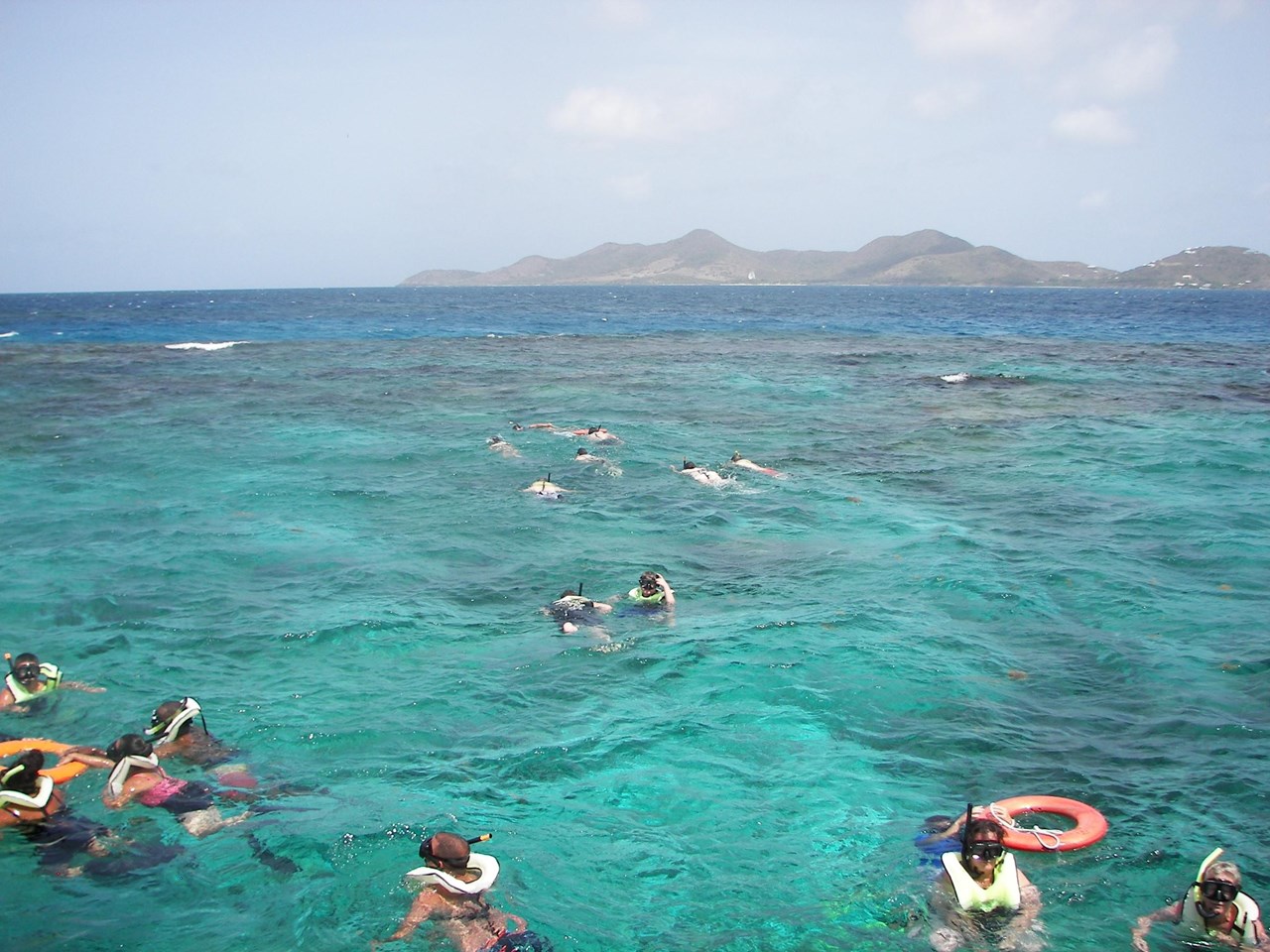
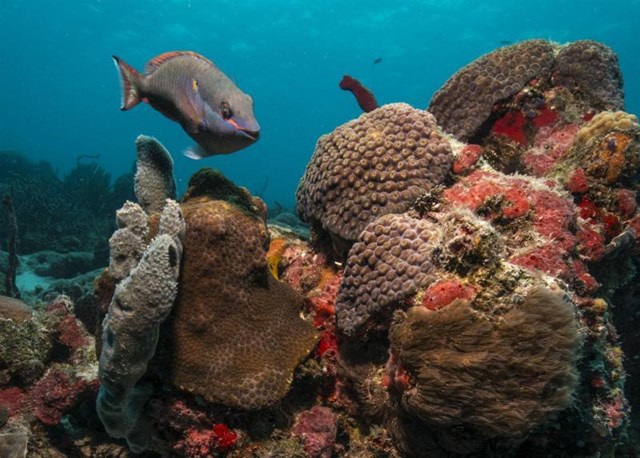
Buck Island Reef fees, hours and alertsBuck Island Reef National Monument is an offshore stop near St. Croix, not a shore-entry beach you can reach by car. NPS describes boat crews giving beginners a short lesson, then guiding groups of six through coral grottoes and an underwater interpretive trail. Signs explain what swimmers are seeing. The grottoes are no deeper than about 12 feet, but an introductory lesson is not a substitute for comfort in open water. Snorkel with a buddy and stay ahead of moored boats, as NPS instructs.
For a first visit, find a currently authorized trip and ask whether instruction, mask, fins, flotation, island time and transport are included. Confirm its departure and weather-cancellation terms. If using a private boat, check directly with the park for today's boating, anchoring and permit rules; public park pages have not been consistent enough to generalize here. The trail is closed from sunset to sunrise. Coral and marine life are for looking, not handling.
02Virgin Islands: choose a bay for the swimmer, not just the view
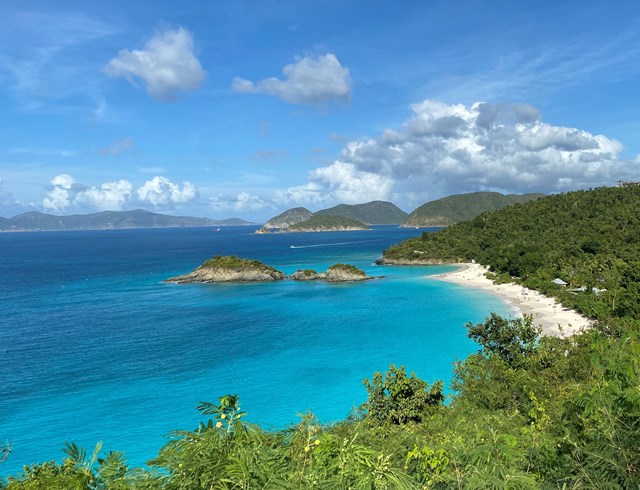
Virgin Islands fees, hours and alertsOver 40 percent of Virgin Islands National Park is underwater. The park's snorkeling guide points to reefs, mangrove shores and seagrass beds around St. John, while warning that the "best" spot depends on the swimmer and the day's wind and water. Trunk Bay has a short underwater interpretive trail along the west side of Trunk Cay, with beach amenities and equipment rentals. It is a convenient first look, but an amenity charge and on-the-day conditions still apply.
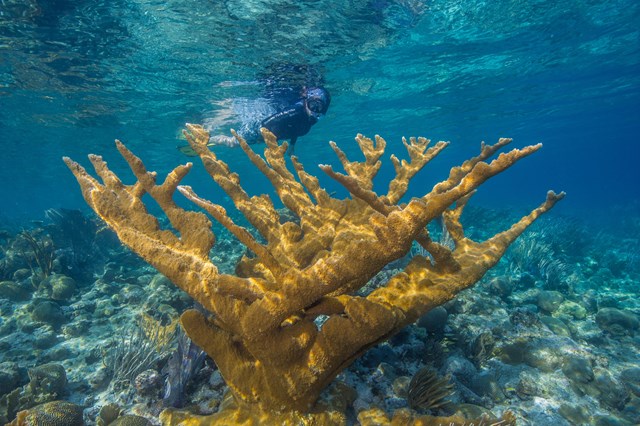
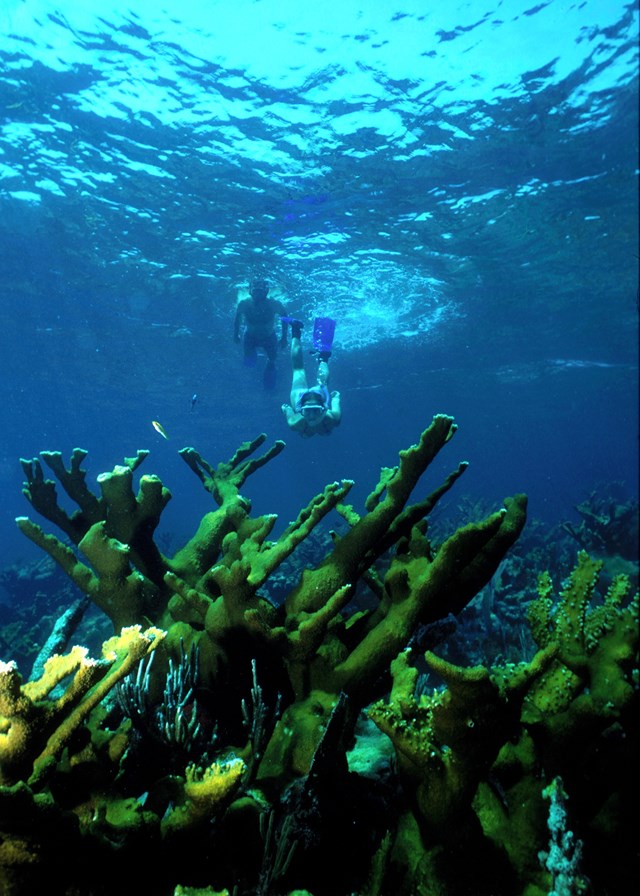
A quieter comparison is Francis Bay, which NPS describes as an option for beginners in calm conditions, with juvenile fish, small coral heads and occasional turtle sightings. Maho Bay's seagrass habitat is known for green turtles, though stirred-up water can cut visibility. At Hawksnest, NPS specifically advises snorkeling around, not directly over, the shallow coral fingers: fragile protected elkhorn coral and a swimmer's body can both be hurt in rough water. The point is not to swim all the bays. Pick one that suits your ability and return route, and switch plans if swell changes.
Even familiar beach names do not settle a sea-state decision. Check the park's current conditions, watch the entry before getting in, do not stand on coral, and keep enough energy to come back against the current. A turtle sighting is a bonus, not a reason to follow it into deeper water.
03Dry Tortugas: a ferry schedule shapes the snorkel
Dry Tortugas fees, hours and alertsAt Dry Tortugas National Park, the best-known visitor entry is Garden Key, reached by commercial ferry, seaplane or private vessel. The NPS snorkeling guide describes marine life and historic material outside Fort Jefferson's moat wall and around the old coaling-pier pilings. Swimming inside the moat is prohibited. Artifacts, shells and coral stay where they are; the underwater setting is both a habitat and a historic site.
The ferry or seaplane sets the arrival and return window. Decide whether snorkeling, a fort visit or both are the priority, then allow time to change and board. Snorkel with a buddy, check the marked swim area on arrival and follow NPS's dive-flag rule if you go outside designated snorkeling water. The pilings' drop-off and boat traffic call for more caution than a sheltered beach entry. NPS's general page still contains a 2023 moat-wall closure notice, which is historical, not evidence of a 2026 closure. Ask about current marked restrictions on the day.
The remote setting changes the stakes of small mistakes. Carry what your transport permits and you need for sun and water, know your return time, and do not chase a wreck or coral head beyond a comfortable swim back.
04Biscayne: book a departure, not a vague reef idea
Biscayne fees, hours and alertsBiscayne National Park is mostly water. The park's guided-tours page lists the Biscayne National Park Institute's eco-adventures, including snorkeling at reefs and a shipwreck on the Maritime Heritage Trail, along with other authorized boat operators. A boat trip is the practical beginning for many reef visits; arriving at a visitor center with gear does not put you at a snorkel site.
Choose the actual departure and ask the operator which site it plans to visit, minimum swimming ability, gear and flotation policy, cost, weather cancellation and return time. A shipwreck trip and a shallow reef trip may have different conditions. The park's 2026 operator list is a lead, not a seat reservation. Avoid planning around one named reef when the captain may need to change the site for weather or water quality.

A good snorkel starts before the mask goes on
- Match entry to experience. A guide and boat can help orient beginners, but neither removes current, swell or fatigue. Shore snorkeling gives you more control over departure time, not automatic safety. - Check the actual water. Look at the park forecast, posted notices, visibility and the exit before entering. If you must fight the current at the start, reconsider the return. Stay with a buddy. - Respect the reef. Float above coral without touching or standing on it; keep fins and loose gear clear. Do not take shells, wildlife or artifacts. Check sunscreen ingredients rather than trusting a vague "reef safe" label. - Know the boundary. Designated swim areas, boat channels, closures, moorings and dive-flag rules vary by park. Read the specific park's current guidance and ask a ranger or operator about a doubtful area. - Leave room for a no-water day. Weather can cancel boats or make a beautiful reef a poor choice. Buck Island has an island visit, Dry Tortugas has Fort Jefferson, and St. John has shore walks; the backup should be part of the trip rather than an emergency improvisation.
All 14 parks with snorkeling
Below is every Park Service unit that lists snorkeling. Click through for fees, hours and alerts; before committing, identify the exact water entry, current access, weather and return route.
Free to enter Charges an entrance feePoints are the Park Service reference point for each unit, not a boundary.