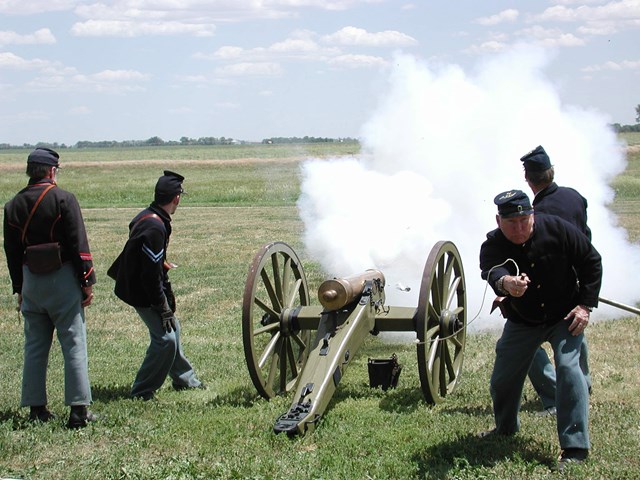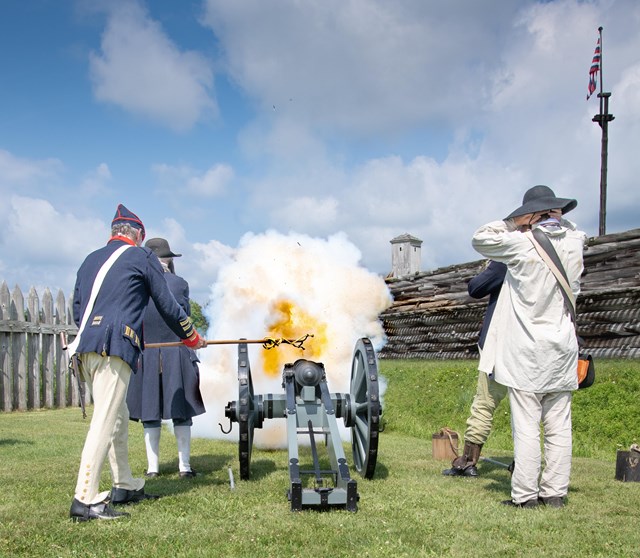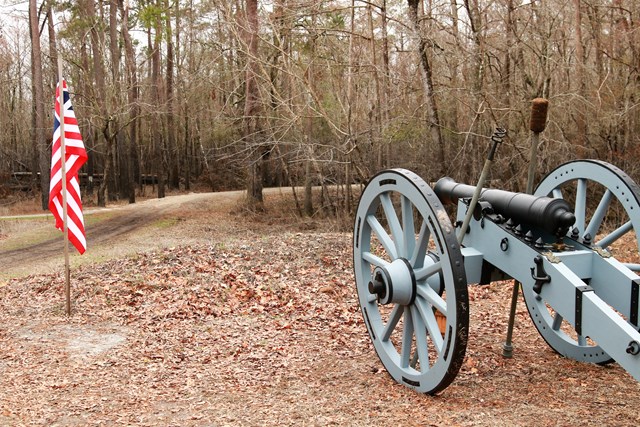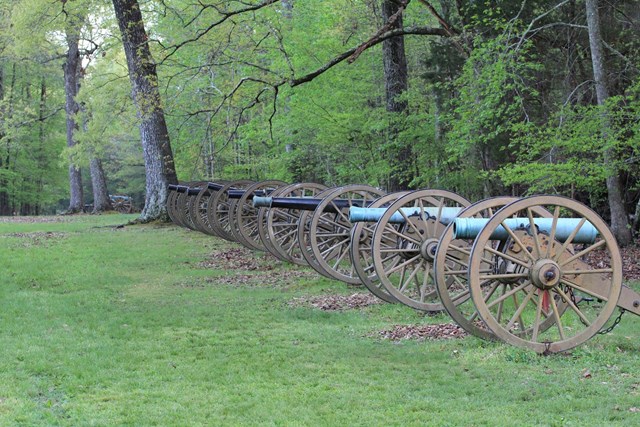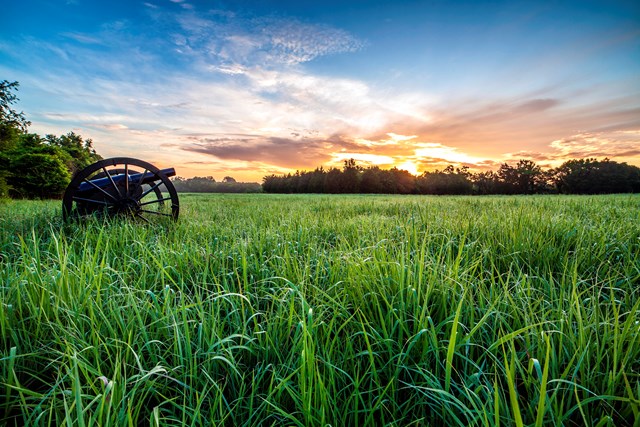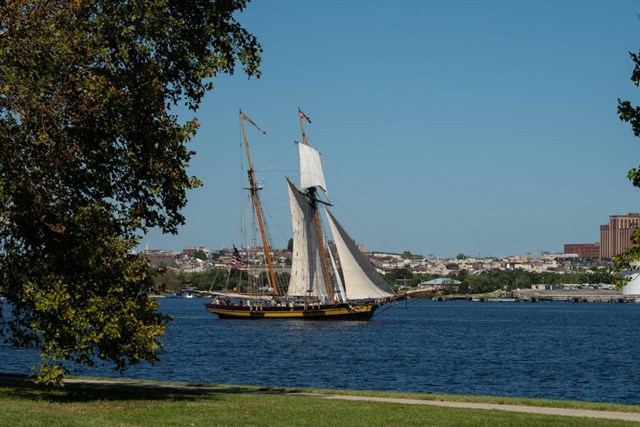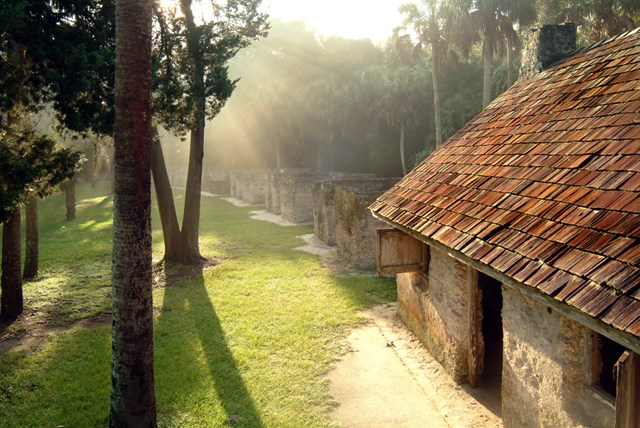
A cannon on a fort wall is a historical object. A trained crew loading and firing one is something else entirely: the labor, coordination and danger that the object alone cannot explain, delivered in about ninety seconds and one very loud bang. The Park Service lists 56 units with historic weapons demonstrations, from Spanish colonial forts to Civil War battlefields, and the best of them treat the firing as a lesson rather than a spectacle.
One warning before the picks: a listing is not a firing schedule. Weather, heat, staffing, preservation and safety rules can change what happens even on a posted program day, and some parks demonstrate weapons without ever firing them. Build the visit around a dated park event, keep a flexible attitude, and you will almost always come away knowing more than a blast alone could teach.
The ten best parks for historic weapons demonstrations
01Castillo de San Marcos: a Spanish fort's gun deck
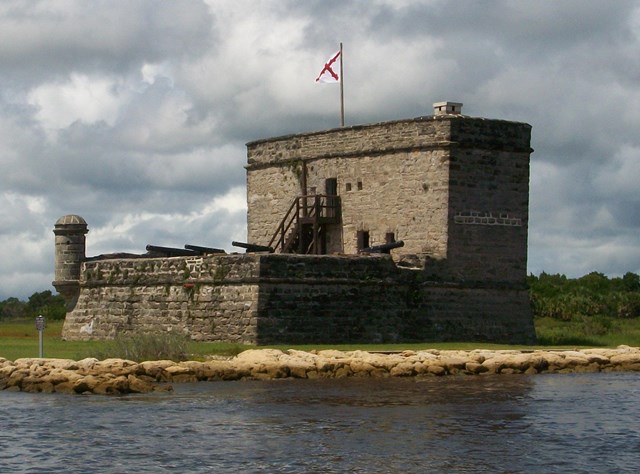
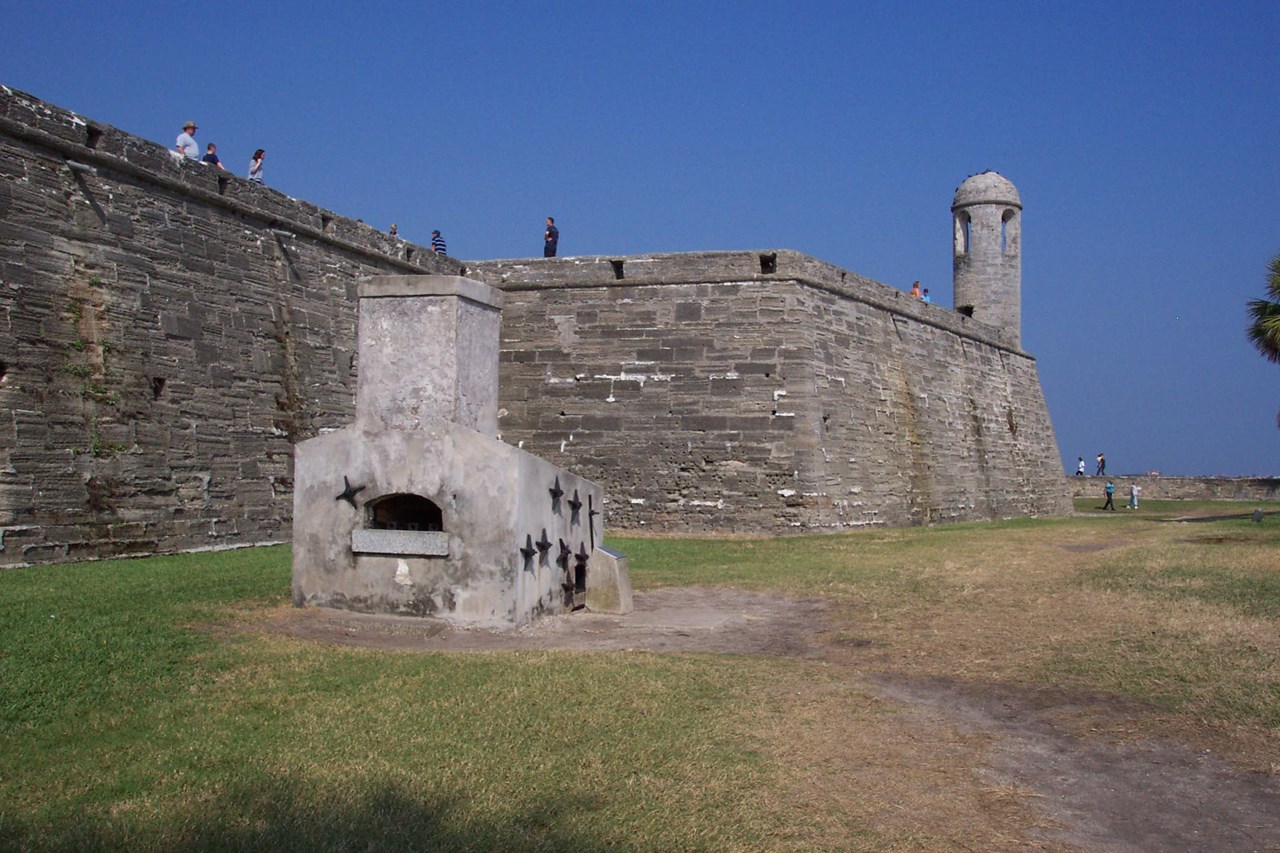
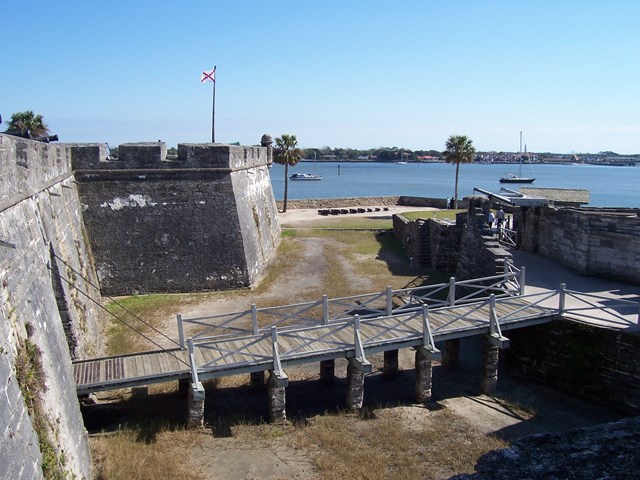
Castillo de San Marcos fees, hours and alertsAt Castillo de San Marcos in St. Augustine, staff and volunteers dressed as colonial soldiers demonstrate replica cannon and muskets on the oldest masonry fort in the continental United States. The NPS firing page posts selected dates with several demonstration times per day; it is not a standing daily schedule, so ask a ranger on arrival which weapon is planned.
Demonstrations take place on the upper gun deck, reached by a staircase from the courtyard, and can also be watched from the seawall outside, a ramped alternative for visitors who skip the stairs. Thunderstorms, heat or staffing can cancel a firing, and the park compares the noise to fireworks: give kids, pets and noise-sensitive companions fair warning. Then watch the whole crew, not just the flash. The commands, the loading tools and the choreography of moving a fort gun are the actual exhibit.
02Fort McHenry: a short demonstration inside a longer story
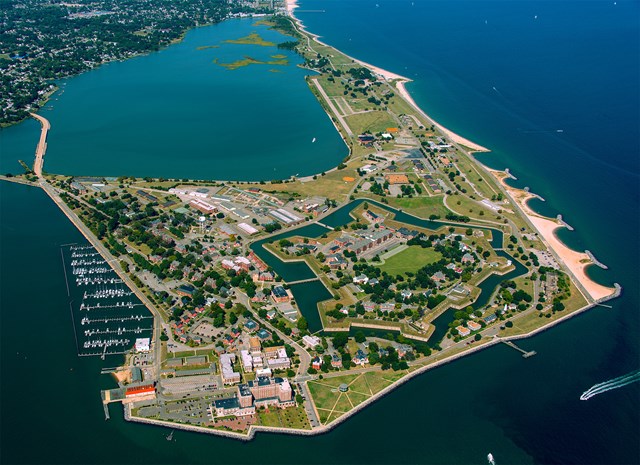
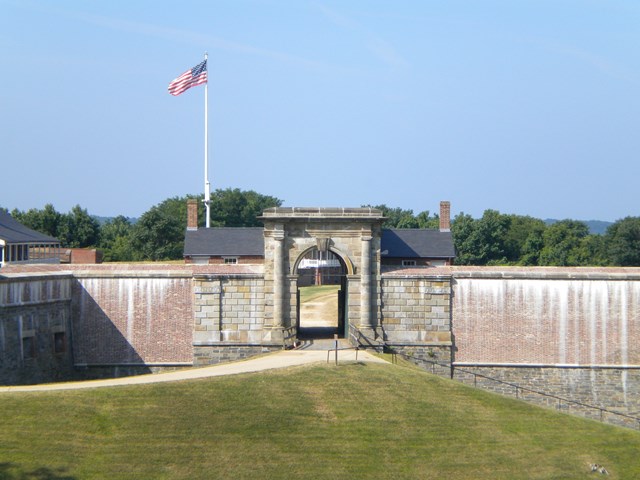
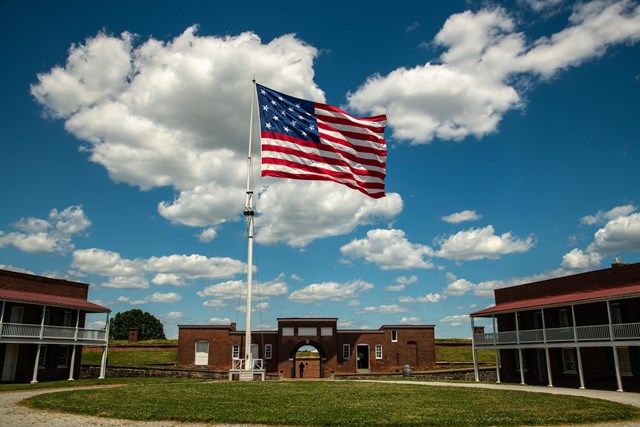
Fort McHenry fees, hours and alertsFort McHenry in Baltimore runs historic-weapons programs explaining War of 1812 arms and the people who used them. The NPS listing describes a 10-to-15-minute program, often at the Water Battery beside a paved path with accessible viewing, and warns plainly that the program may include firing but firing is not guaranteed.
The wider living-history program fills out the picture with period dress, trades and fife and drum, concentrated on summer weeks and fall weekends. Programs outside the fee-charging historic zone are free; entry into the zone is separate. The right question here is bigger than "will it go off": music, maintenance and drill were what made weapons usable, and the fort's Guard tells that whole story.
03Yorktown: a calendar with real cancellations
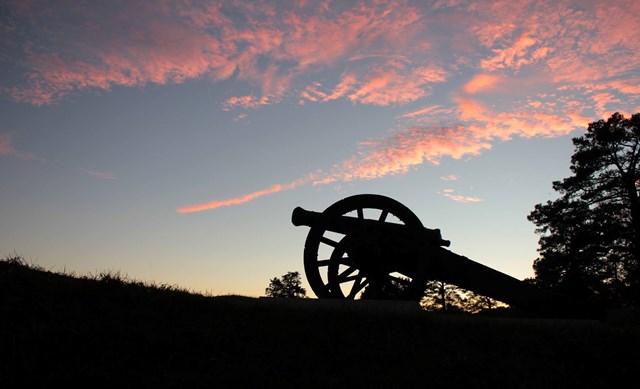
Yorktown fees, hours and alertsAt Yorktown, within Colonial National Historical Park, NPS publishes a dated artillery schedule rather than promising a cannon every day. Recent seasons have fielded separate Royal Artillery and Lamb's Artillery teams with their own dates, and the schedule is honest about its limits: summer dates have been canceled for heat and air quality, which is exactly why a printed schedule is a plan, not a promise.
The setting earns the uncertainty. A firing here connects the gun crew to the siege that effectively ended the Revolutionary War, on the ground where it happened. If you are traveling specifically for artillery, verify with the park shortly before leaving and keep the battlefield tour as a worthy fallback.
04Gettysburg: read "firing" and "non-firing" carefully
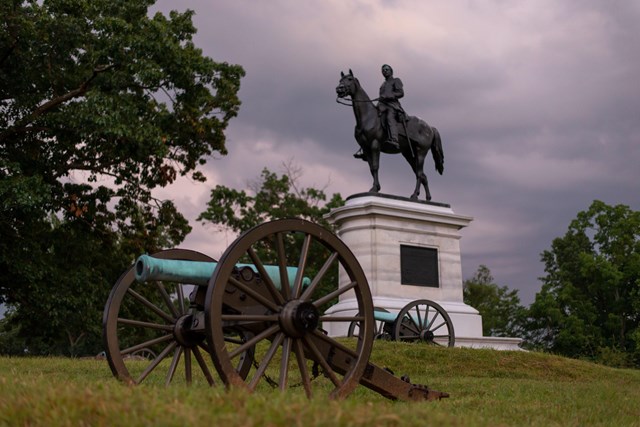
Gettysburg fees, hours and alertsGettysburg maintains a living-history calendar of named groups, locations and dates through its season. Some encampments include artillery or infantry firing; others are explicitly marked non-firing, and a costumed camp without powder is a different outing for someone expecting a cannon. Match the date to the named program before setting out.
Accessibility varies by program location, and a group can change its plans with weather or staffing, so confirm close to the day. When you do catch a firing battery on this field, the scale clicks: a single crew is loud, and the battle had hundreds of guns. That multiplication is the lesson no marker can give you.
05Fort Necessity: daily programs, real powder, deep context
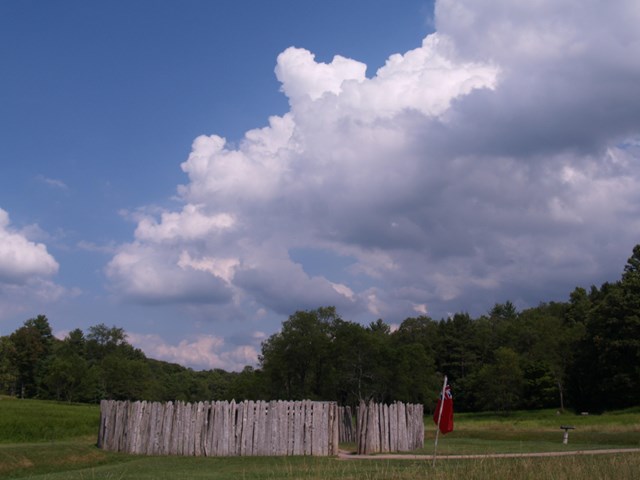
Fort Necessity fees, hours and alertsFort Necessity in the Pennsylvania mountains runs daily living-history programs through the summer, and most conclude with a loading and firing demonstration of a black-powder weapon from the 1754 campaign, per the park's historic weapons page. Every staff member who fires is certified through NPS black-powder training under the park's weapons supervisor.
What sets Fort Necessity apart is the explanation around the bang. The park walks you through why smoothbore muskets ruled the field despite hitting aimed targets only out to 60 or 80 yards, why armies fought in tight ranks to compensate, and why Washington's nine little swivel guns barely mattered. You leave understanding 18th-century war, not just hearing it.
06Fort Pulaski: rifled cannon that changed warfare
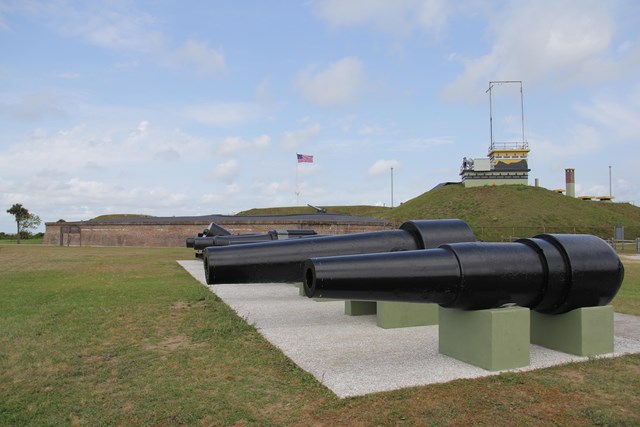
Fort Pulaski fees, hours and alertsFort Pulaski, guarding the Savannah River, schedules artillery and musket programs around the fort where rifled cannon made masonry forts obsolete in a single 1862 bombardment. The fort's own walls, still scarred, are the visual aid: you can stand in the powder magazine's ruins and see the breach the new guns opened.
Programs cluster on weekends and event days rather than running daily, so check the park calendar first. The combination here is the draw: a beautiful brick fort, a marsh setting worth the walk on its own, and the most consequential artillery story of the Civil War told by crews working the same kind of guns.
07Minute Man: muskets where the Revolution started
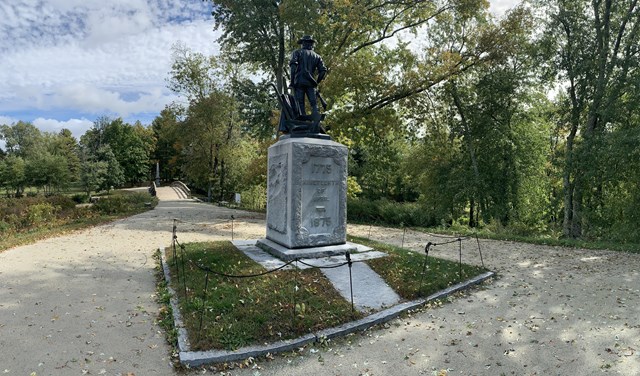
Minute Man fees, hours and alertsMinute Man runs musket-firing programs through its season, with the biggest days around Patriot's Day in April, when the park reenacts the fighting along Battle Road. A ranger with a flintlock explaining the loading drill, then firing, compresses the entire tactical logic of 1775 into a few minutes beside the North Bridge or Hartwell Tavern.
The park spreads along a corridor rather than a single fort, so pair the demonstration with a walk or ride on Battle Road itself. Programs vary by day and season; the calendar decides. For Revolutionary War arms, this is the most atmospheric place in the system to hear one go off.
08Chickamauga and Chattanooga: artillery on the mountain
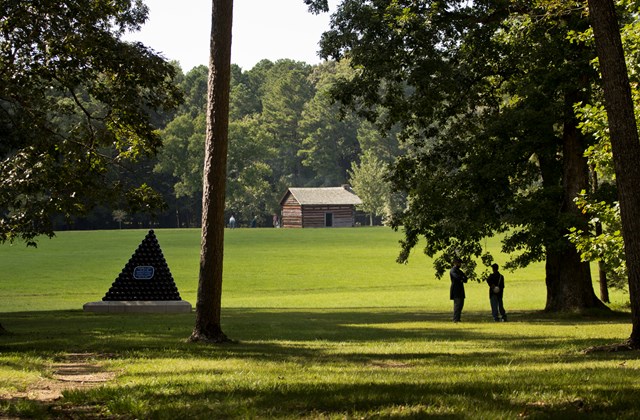
Chickamauga & Chattanooga National Military Park fees, hours and alertsChickamauga and Chattanooga fields artillery-firing programs on the ground of the war's bloodiest two days, with crews demonstrating the smoothbore and rifled guns that dominated these fields. Seeing a battery work at Chickamauga's Brotherton Field or near Lookout Mountain makes the battle's arithmetic physical: ranges, rates of fire, and why holding high ground mattered.
Programs run on selected dates rather than daily, concentrated in the warmer months and around anniversaries. Check the calendar, then build in time for the battlefield driving tour, because the terrain is the other half of the explanation.
09De Soto: winter weapons in a Florida camp
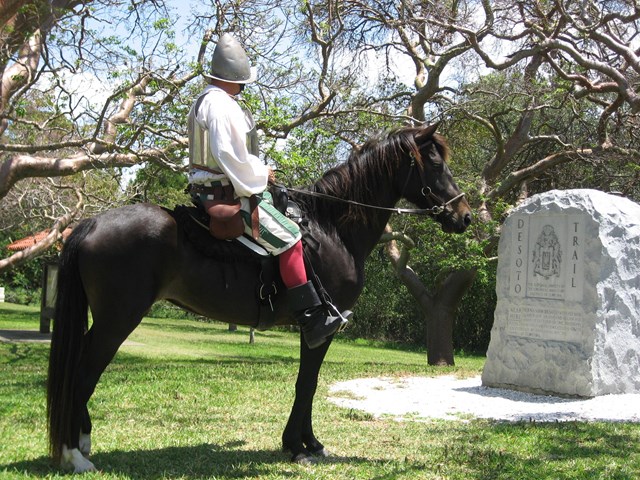
De Soto fees, hours and alertsDe Soto near Bradenton runs its living-history season in winter, when Florida is actually pleasant: from January into April, rangers and volunteers staff Camp Uzita on Fridays through Sundays with talks, replica armor you can try on, and historic weapons demonstrations at 10:00, 12:00 and 2:00. The focus is 16th-century Spanish arms and the Indigenous world they collided with.
This is the contrarian pick: while the northern battlefields sleep, De Soto is in full swing, and the try-on armor makes it the most tactile entry on the list. Rain cancels, so have a beach morning as backup, which on this coast is hardly a sacrifice.
10Fort Sumter and Fort Moultrie: where the war opened
Fort Sumter and Fort Moultrie fees, hours and alertsFort Sumter and Fort Moultrie cover both ends of the story: the harbor fort where the Civil War's first shots landed, reachable only by boat, and Moultrie's long evolution of coastal defense on Sullivan's Island. Weapons programs and anniversary firings run through the year, with the biggest around the Battle of Sullivan's Island commemoration in late June.
The boat ride to Sumter is half the experience and dictates the schedule: demonstrations happen around ferry times, so book first and plan the firing around your crossing. Moultrie, drive-up and free-form, is the flexible half of the pair.

When to go
Summer is firing season. Fort Necessity runs daily programs, the battlefields staff up, and every park on this list posts its fullest calendar between Memorial Day and Labor Day. It is also when heat cancels artillery, so morning programs are the smart money.
Anniversary weekends are the big shows. Gettysburg in early July, Antietam in mid-September, Yorktown in mid-October, Patriot's Day at Minute Man in April and Sullivan's Island in late June all concentrate firing, encampments and crowds. Book early, arrive earlier, and expect the park's best day of the year.
Winter belongs to Florida. De Soto runs its full living-history camp from January into April, and Castillo de San Marcos keeps posting dates through the off-season. If you need black powder in February, head south.
How to plan a weapons-demo visit
- 1
Find the dated schedule. A park that demonstrates weapons and a park firing on your date are different things. The park's current event page is the only roster that counts.
- 2
Ask whether it fires. Many programs explain weapons without discharging them, and some parks mark encampments explicitly non-firing. Know which outing you are getting.
- 3
Check the weather rule. Heat, storms and air quality cancel firings more often than visitors expect; Yorktown's canceled July dates are the standing example.
- 4
Plan for the noise. The sound compares to fireworks. Warn kids, leave pets behind or well back, and choose a quieter program when noise would ruin the visit.
- 5
Watch the crew, not the flash. The commands, the tools and the choreography are the exhibit. The bang is the punctuation.
How the parks learned to fire the guns
Firing historic weapons for the public started as commemoration. Through the early 20th century, battlefield parks kept their cannon as silent monuments, and the loudest thing at Gettysburg was a guide's voice. That changed with the Civil War Centennial from 1961 to 1965, when artillery crews in wool uniforms became fixtures at the battlefields and parks discovered that a firing demonstration could teach in ninety seconds what a wayside panel could not.
The Bicentennial in 1976 turned the experiment into a movement. Living-history programs spread from battlefields to forts, trading posts and missions, and black-powder demonstrations followed the flintlock back through the Revolution and the French and Indian War. Parks like Fort Necessity built their interpretation around the question the weapon itself poses: why did armies fight the way they did?
Today's programs run on formal structure. NPS historic weapons crews train and certify under park weapons supervisors, with written safety standards governing everything from powder storage to where visitors stand. The result is the modern demonstration: part theater, part physics lesson, part memorial. The cannon on the wall is still an object. But on the right day, in the right park, it gets to explain itself.
All 56 parks with historic weapons demonstrations
Below is every Park Service unit that lists historic weapons demonstrations. Click through for each park's fees, hours and alerts. The cards are not a firing roster: check each park's event notice and visitor guidance before traveling for a demonstration.
Free to enter Charges an entrance feePoints are the Park Service reference point for each unit, not a boundary.