A finished object explains very little about the work that made it. At Lowell, a floor of working looms supplies the noise and speed missing from a folded piece of cotton. At Bandelier, a Native artist can tell you why a material or technique matters in their own practice. Those are different kinds of demonstration, and the differences are worth keeping. One interprets an industrial past; the other gives a living maker a place to speak.
The Park Service lists 39 units with craft demonstrations. No entry in that directory guarantees that a maker will be present when you arrive. Some work happens at regular museum hours, some at festivals and some only when an artist has a scheduled visit. These ten reward the calendar check. Find out who is doing the making and where, then plan enough time to watch without treating the person at work as a photo opportunity on the way to something else.
The ten best craft demonstrations in the national parks
01Bandelier
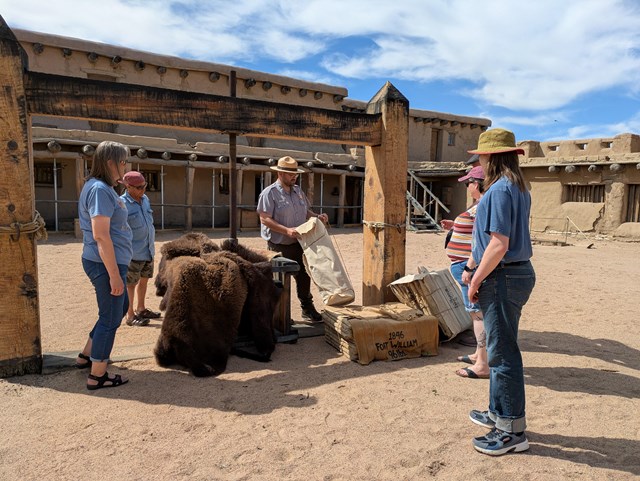
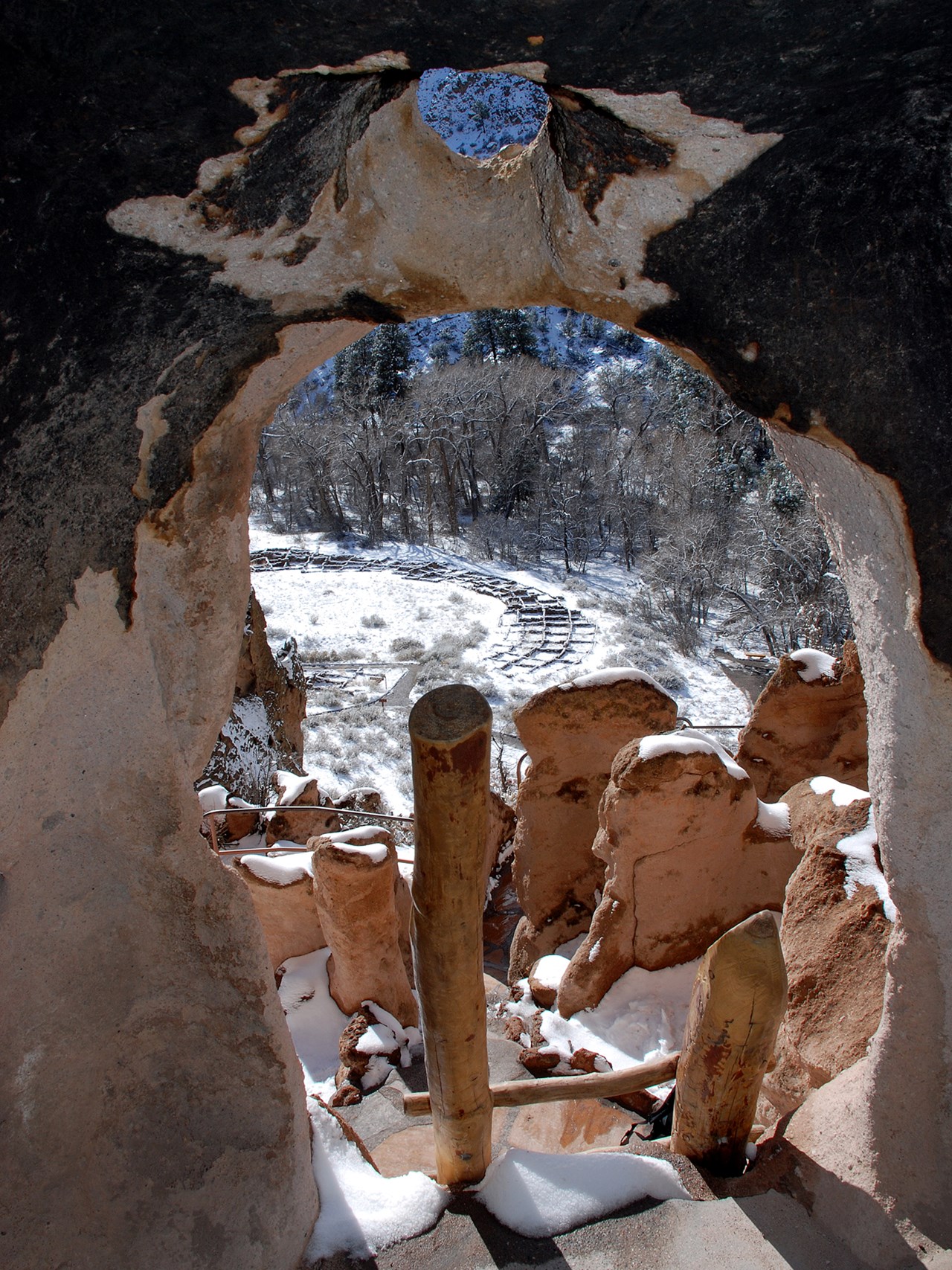
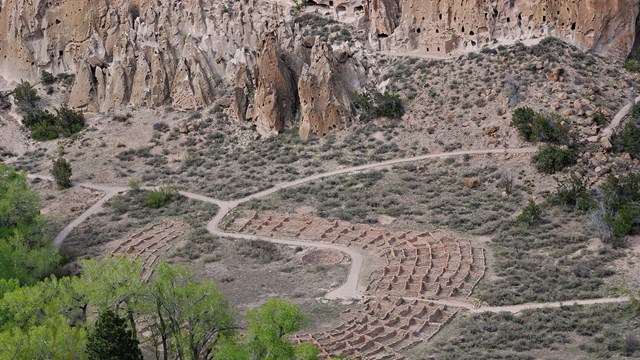
Bandelier fees, hours and alertsBandelier invites Native American artists from traditionally associated tribes to demonstrate traditional and modern crafts on the visitor center's back patio. The park says the program is meant to elevate artists' voices, and it funds their travel and time with support from Friends of Bandelier. The strongest part is the conversation: an artist can describe what they are making and how their practice belongs to the present, instead of letting a visitor assign a story to a finished pot or piece of jewelry.
The demonstration is free, but its schedule is not a standing promise of daily makers. Look for a named artist on the current event calendar before arranging a visit around one. Ask before photographing a person or a work in progress; if an artist offers pieces for sale, follow their lead. Bandelier's history belongs to communities still here. Its demonstration program is a good place to hear from them directly.
02Sitka
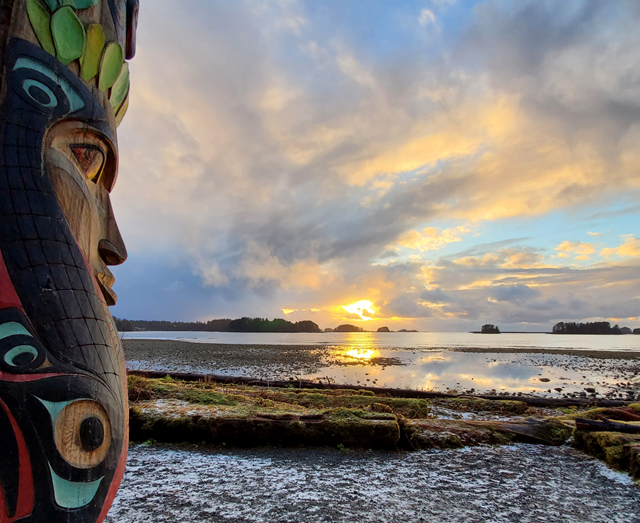
Sitka fees, hours and alertsCarving, beading, weaving and metalwork all appear in Sitka's demonstrating-artists program. The park partners with the Sitka Tribe of Alaska to bring artists into dedicated studio spaces, where visitors may watch and talk with them. Traditional adzes and chisels in the wood studio are tools for ongoing work, not props for a vanished past. The coastal trail's poles and the visitor center's collections gain another dimension when an artist can explain a material or technique in person.
The park warns that demonstrating artists are not always at the visitor center. Check the current studio schedule before building a short port visit around a particular craft. If someone is working, leave space for conversation and follow their guidance on photography and handling. The temptation is to race from pole to pole; the better visit makes time for the person who knows how the wood is shaped.
03Lowell
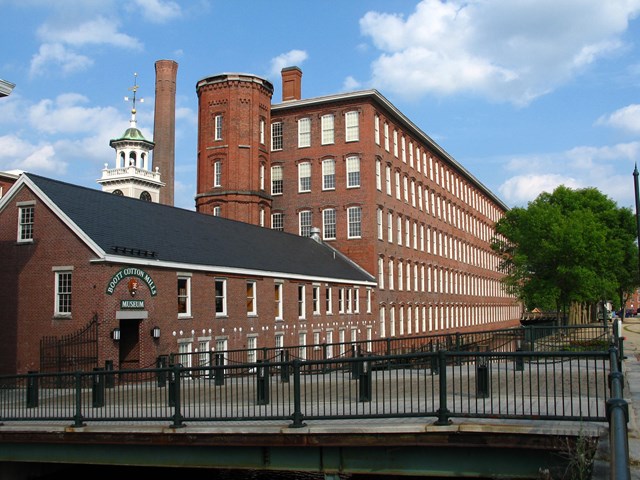
Lowell fees, hours and alertsThe Boott Cotton Mills Museum at Lowell has more than eighty historic power looms in its weave room, and operating looms still turn out cotton cloth. It is a demonstration you can hear before you see. The speed and crowded sound help explain the conditions faced by the mill's workers, while rangers and weavers put the machinery into the broader story of labor, migration and industry. A beautiful finished textile cannot supply that noise.
The museum charges admission and operates a seasonal schedule; demonstrations have their own posted times and staffing. Check both before going. If loud machinery is a barrier, ask about quieter access or how best to view the room. Lowell also has hands-on workshops, but they are separate from operating the historic power looms. Watch the machine, then spend time with the workers' stories. A loom without the people beside it is only half the lesson.
04Tumacácori
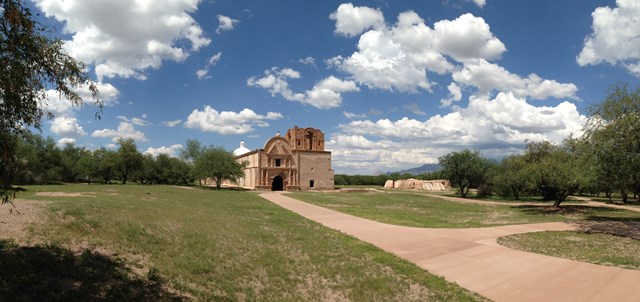
Tumacácori fees, hours and alertsAt Tumacácori, historic craft demonstrators work on the grounds of Mission San José. The park names tortilla making, O'odham basket weaving, leatherwork, paper flowers and ironwork among its programs. That range keeps the site from collapsing into one tidy period scene. You might learn about a living basket tradition from its maker, or watch the repeat work of preparing food that rarely survives in a museum case.
The park profiles artists and posts a calendar of what craft is expected on which day. Look up the specific demonstration instead of treating the mission's opening hours as an artist schedule. Arrive with a question about a material, then listen to the maker's answer before continuing around the grounds. A few minutes of careful attention can make a building or a landscape read differently for the rest of the visit.
05Fort Union Trading Post
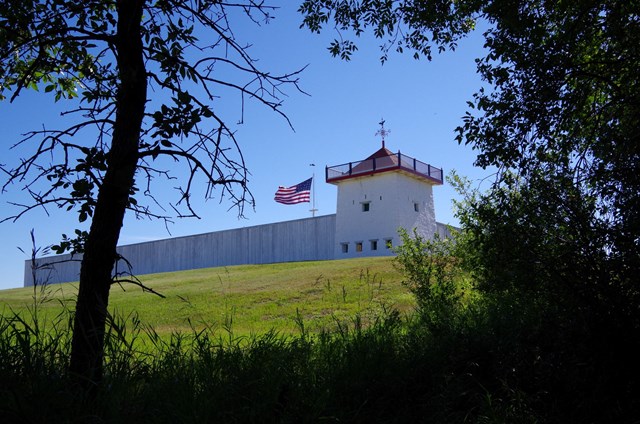
Fort Union Trading Post fees, hours and alertsThe annual Rendezvous at Fort Union Trading Post has brought artisans to demonstrate blacksmithing, pottery and frontier cooking alongside a broader living-history program. The reconstructed trading post makes a setting for understanding how work and commerce met along the Upper Missouri. Watch how an object is made, then ask where its materials came from and who might have used or traded it. The craft is not merely a decorative flourish on a frontier costume.
This is an event-led choice. The park's 2026 announcement described specific festival days; it does not promise that the same artisans are there on a random Tuesday. Look for the next Rendezvous schedule and its named activities before making travel plans. If you are interested in a workshop rather than watching, check whether the park has opened registration for one. Bring enough time to see the trade story around the demonstration, not just the flame at the forge.
06Hopewell Furnace
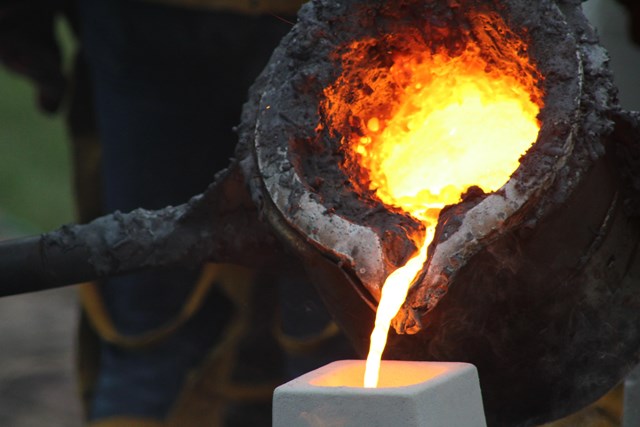
Hopewell Furnace fees, hours and alertsHopewell Furnace demonstrates skills from the community that sustained an iron plantation: blacksmithing, fiber arts, baking and casting. Rangers and volunteers have shown molten aluminum going into sand molds using historic methods. It is important to name the metal correctly. The event helps explain molding work at an iron furnace; it is not the original furnace smelting iron again.
Check the park's program calendar for a specific craft and date. A hands-on molding activity may use plaster, while a scheduled casting demonstration has its own staffing and safety boundaries. Seeing the work alongside the furnace grounds makes the site's buildings more than a set of preserved shapes. If no demonstrator is scheduled, explore the history anyway, but do not sell that visit to a companion as a chance to watch metal pour.
07Puʻukoholā Heiau
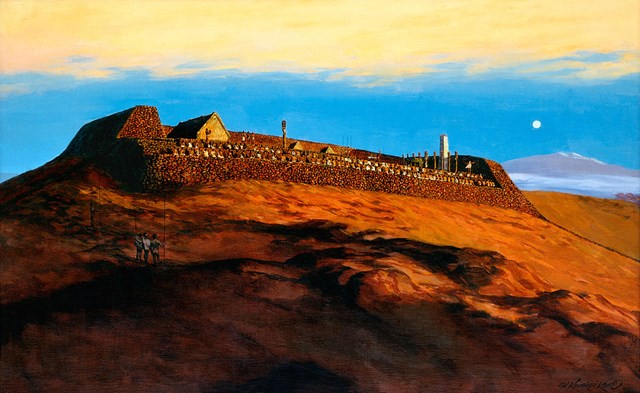
Puʻukoholā Heiau fees, hours and alertsPuʻukoholā Heiau describes cultural demonstrations and hands-on activities in its visitor center during the week. Its displays include traditional-style objects, and the park illustrates the program with a ranger working on a feather cape. When a practitioner is present, a visitor can ask how an object is made and why the knowledge matters instead of reading a case label and moving on.
The specific craft depends on the schedule. Ask staff what is happening before planning the day around featherwork or any other technique. Then carry what you heard outside to the heiau and its wider history. Demonstrations at a place like this are not a substitute for learning about the site; they can give you a better way to begin. Respect any limits on touching, photographing or repeating what a practitioner shares.
08Nez Perce
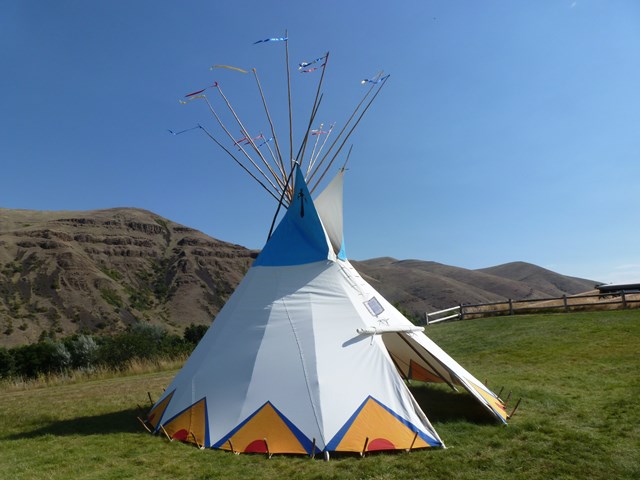
Nez Perce fees, hours and alertsNez Perce National Historical Park has brought artists to the Spalding Visitor Center for moccasin making and beadwork as part of summer event series. Past park announcements name the demonstrator and the particular skill, which is exactly the information a visitor needs. A maker can tell the story of a stitch, material or design in a way an unsigned object cannot. It is better to hear from the artist than to guess what the finished work means.
Do not travel on the strength of an archived event notice. The series changes from year to year, and the park encompasses places far beyond Spalding. Check the current calendar, named artist and exact visitor-center location. If the day matches, allow time for a conversation and ask whether photographs or purchases are welcome. The encounter belongs to the person doing the work, not to a fixed program template.
09Fort Vancouver
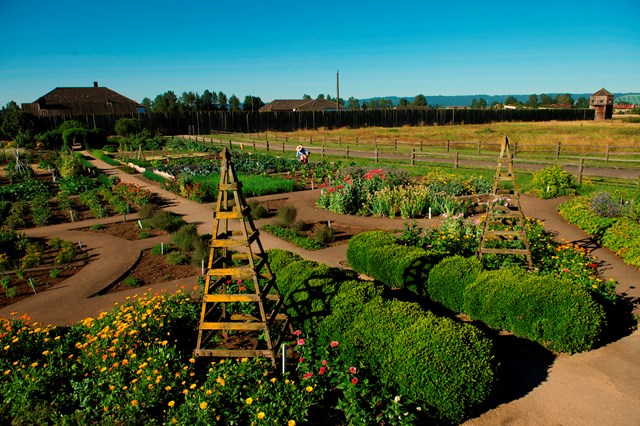
Fort Vancouver fees, hours and alertsA blacksmith working at Fort Vancouver can make the fort's trading history tangible. Tools had to be made, repaired and moved among people; a functioning forge shows the labor hidden behind the rooms of a reconstructed post. The park lists watching a blacksmith among its indoor activities and has hosted historical blacksmithing demonstrations. Pair that work with the rest of the fort instead of making a short video and leaving.
The forge is not a guaranteed daily show. Check this season's event calendar and ask whether the demonstration is running before treating it as the centerpiece of a visit. Other interpreted spaces can still make the fort worth your time if staffing changes. Be precise about who is making something now and what is being interpreted from the past. The park has room for both, but they should not be confused.
10Alibates Flint Quarries
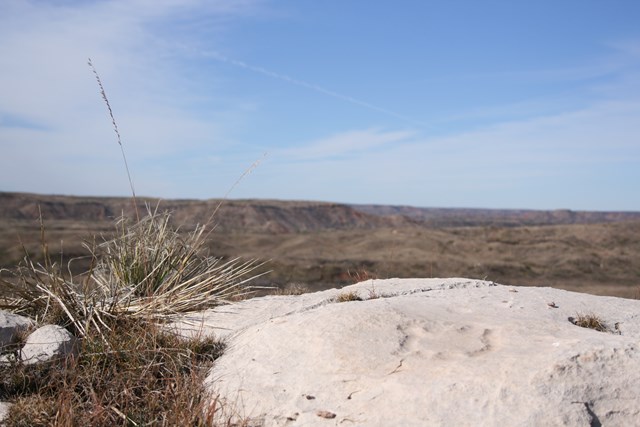
Alibates Flint Quarries fees, hours and alertsAlibates Flint Quarries teaches a craft story through its raw material. Flint from the Texas Panhandle fractures into sharp edges and has a long history of human use. A ranger-led quarry hike shows where it came from and explains that history. The park also describes seasonal demonstrations, but a quarry tour by itself is not a promise that someone will knap stone when you reach the trailhead.
If you want to watch a maker, ask the park for a dated flintknapping program. Reserve a ranger-led hike separately and prepare for exposed weather. The source draft found conflicting summer departure times on the park's tour pages, so use the current confirmation from the park rather than an old schedule in an itinerary. Alibates belongs here because understanding a material can sharpen your understanding of its craft. Just do not mistake a source landscape for a live workshop.
When to go: follow the maker
Spring brings the first event calendars. Before assuming a season has begun, ask Bandelier which artists are scheduled and whether Tumacácori has a demonstration on your date. An outdoor event can change with weather, while a seasonal museum may have a separate opening date from the rest of the park. Choose the person or process you want to see, then check its actual hours.
Summer is the broadest festival season. Sitka's artists may work in visitor-center studios; Fort Union's Rendezvous has a narrower event window. A summer park visit is not the same as a festival ticket. Look up the next edition of the event and allow time to speak with a maker when it is less crowded.
Fall calls for a second confirmation. Lowell's museum and weaving demonstrations follow a seasonal timetable that can differ from park operating hours. At Hopewell, casting and living-history events rely on scheduled staff or volunteers. Check again close to departure, especially if a demonstration rather than the historic site itself is your reason to go.
Winter favors the deliberate small visit. A visitor center may have a scheduled cultural practitioner while an outdoor craft fair has ended. Some sites offer no live work in a particular week. If the calendar is empty, choose a museum or a historic-site tour for what it actually provides; do not describe an exhibit as a demonstration that did not happen.
How to see the work well
- 1
Look for a person and a date. An activity listing, old photograph or museum exhibit does not mean a maker is working today. Find the named artist, current event, exact location and any reservation requirements before you leave. Contact the park if two schedule pages disagree.
- 2
Distinguish living practice from historic interpretation. At Bandelier or Sitka, a contemporary artist speaks for their own work. Lowell uses operating historic machinery to explain factory labor; Hopewell may demonstrate a historic method with modern aluminum. Ask what is happening rather than describing all of it as "old-time crafts."
- 3
Ask before taking a photo. Makers may welcome questions, decline photographs or ask you not to handle the work. Follow their lead and credit them by name and community when they provide it. An artist is not an anonymous part of the scenery.
- 4
Check comfort and access. Lowell's weave room is loud. Outdoor demonstrations can be canceled; Bent's Old Fort has restricted room access. If noise, mobility or a seat matters, ask the park what the particular program can accommodate.
- 5
Make room for the rest of the story. A woven object leads to workers and markets at Lowell; a trade tool leads to the economy around Fort Union. Watch the making, then walk the place with what you learned. If the craftsperson sells work, ask whether you can buy directly rather than assuming every demonstration is a shop.
A short history of making for visitors
The park demonstration can be both a way of explaining work and a record of who was allowed to explain it. At Grand Canyon's Hopi House, the park records potter Nampeyo demonstrating her craft in the early twentieth century. That history is not proof that an Indigenous tradition exists only in the past. Living artists continue to make and interpret their own work, and programs such as Bandelier's explicitly give them a platform.
Industrial parks ask a different question. At Lowell, the historic looms show what textile production sounded and felt like, while the museum tells the story of the mill workers around them. At Hopewell, molding and casting help explain an iron-making economy without claiming the old furnace has returned to full operation. A demonstration can be a model, an original machine at work or a contemporary craft. Name which one it is.
Today a visitor can see an artist in a studio, a ranger at a loom or a smith at a reconstructed fort. The common value is proximity to skill: hands making choices that a finished object hides. The responsibility is to keep the maker and the history visible together. Without that, even a good demonstration becomes another thing behind glass.
All 39 parks with craft demonstrations
Below are Park Service units that list craft demonstrations. Use the current park calendar to find the artist or interpreter, the specific craft and the date; the park directory alone does not guarantee live work.
Free to enter Charges an entrance feePoints are the Park Service reference point for each unit, not a boundary.