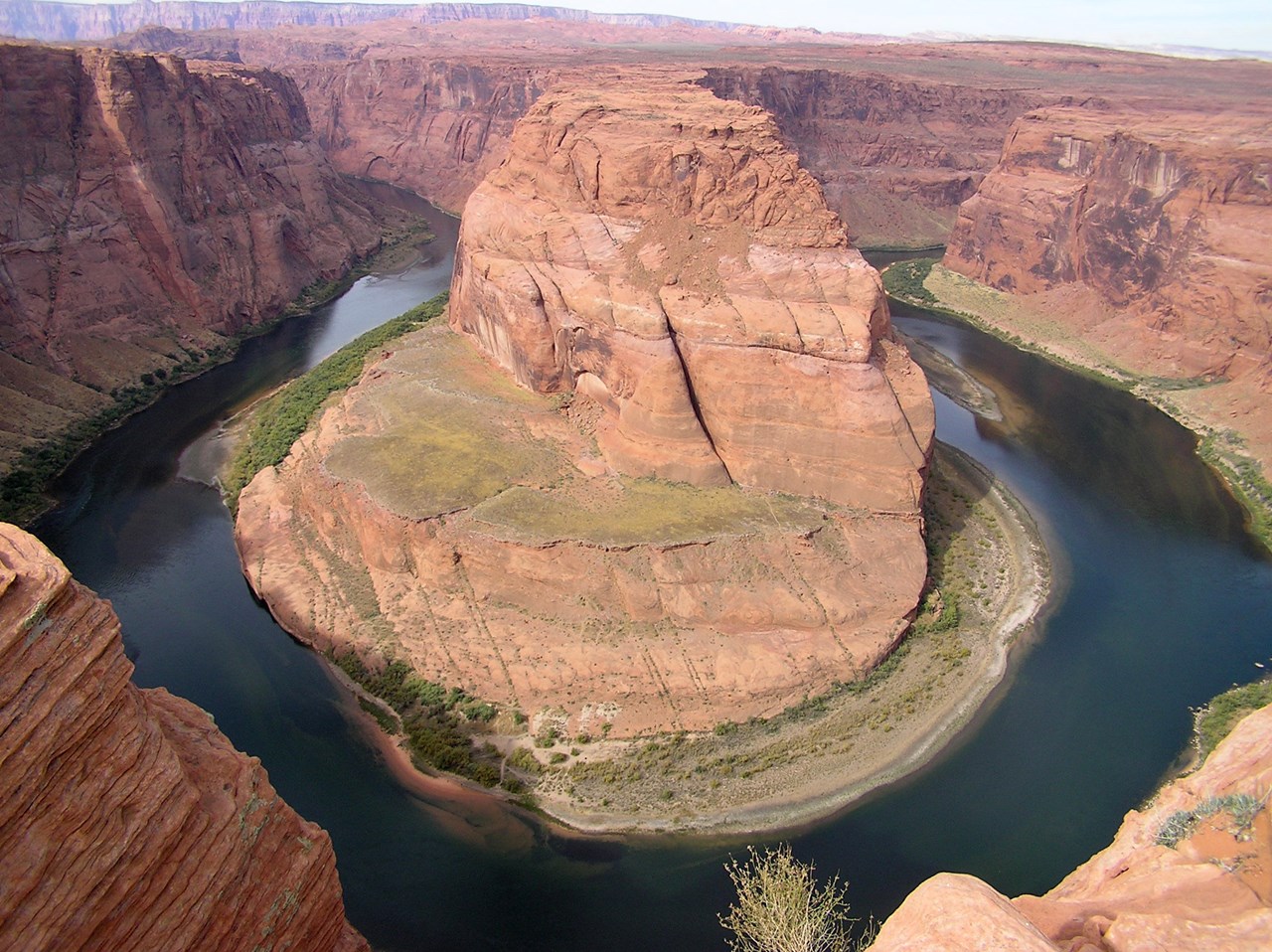
The jet ski is the most divisive machine in outdoor recreation, and the Park Service has spent thirty years deciding exactly where it belongs. The answer, park by park, turns out to be specific enough to map: this lake but not that river, outside this buoy line, not on Sundays, and please, a four-stroke.
The Park Service lists 8 units with jet skiing, and all eight deliver a real, documented ride. They are ranked here on the quality of the water and the clarity of the welcome. One vocabulary note before the throttle: regulations say personal watercraft, or PWC, and the distinction matters, because a cove open to a motorboat may still be closed to you. Check the park's current map before the ramp, every time.
The eight best park waters for jet skiing
01Glen Canyon
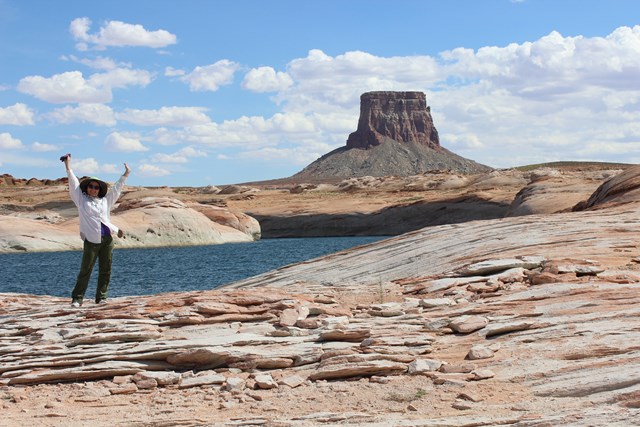
Glen Canyon fees, hours and alertsLake Powell is the PWC capital of the park system, and it is not close. Glen Canyon allows compliant machines across most of the lake's 186 miles and nearly 2,000 miles of shoreline, which means side-canyon runs, beach camping by water and some of the most surreal riding on Earth. The boundaries are real: no PWC on the Colorado between the dam and the Grand Canyon-side boundary, on parts of the upper Colorado and San Juan, or in the upper Escalante and Dirty Devil, plus a flat-wake segment on the Escalante from Cow Canyon to Coyote Creek. Your machine must meet the 2006 EPA two-stroke emissions standard; a noncompliant carbureted two-stroke can ride the trailer all the way to the ramp and still not get a vessel pass. Check the water level and open ramps before you go, because Powell's shoreline moves more than its rules do.
02Lake Mead
Lake Mead fees, hours and alertsThe rental-friendly giant. Lake Mead puts two huge desert lakes, Mead and Mohave, within an hour of the Las Vegas airport, and marinas rent machines with the vessel pass and invasive-species decal bundled in. Everyone aboard wears a Coast Guard-approved life jacket, Nevada sets the minimum operator age at 14, and the same 2006 EPA engine rule as Glen Canyon applies. The quirk to plan around is Black Canyon, the gorgeous stretch between Willow Beach and Hoover Dam: no PWC on Sundays and Mondays, and the rest of the week only during the main Memorial Day-to-Labor Day boating season. Ride the open lake any day; save Black Canyon for a Wednesday.
03Gulf Islands
Gulf Islands fees, hours and alertsThe saltwater option, newly expanded. Gulf Islands stretches along the Florida and Mississippi coasts, and an August 2026 final rule cut its flat-wake zones to 300 yards from shore in Mississippi and 150 yards in Florida, opening faster riding outside those lines. The same rule formalized closures around West Petit Bois Island and the Fort Pickens ferry pier, so the map still matters. The reward is turquoise water, barrier-island beaches and a riding day that ends with your feet in the sand. Watch for swimmers, paddlers, ferries and seagrass shallows, and confirm the state rules on whichever side you launch, because the seashore spans two of them.
04Amistad
Amistad fees, hours and alertsThe wide-open border reservoir. Amistad runs its huge international lake under Texas boating rules, and personal watercraft are part of the scene: the park's regulations set PWC-specific behavior, including a ban on circling other vessels except to retrieve a downed skier, and close areas to hydro-jet gadgets like flyboards. A Lake Use Pass covers registered motorboats, numbered buoys mark the Mexican border, and the ramps at Diablo East, Rough Canyon, Box Canyon and Southwinds open and close with the lake level. Warm water, canyon walls and room to run, provided you bring your own machine, because there is no rental counter waiting.
05Curecanti
Curecanti fees, hours and alertsThe comeback lake. Curecanti closed Blue Mesa Reservoir to PWC in 2002 under a court settlement and brought them back on September 21, 2006 under special regulations that mapped allowed areas and flat-wake zones. The result is a high-country ride on Colorado's largest lake, with 96 miles of shoreline and summer afternoons that demand an eye on the wind. As of the Park Service's August 24, 2026 notice, low water limits all developed Blue Mesa ramps to hand launches of non-trailered watercraft, so a normal trailered PWC launch is not available. Check the current ramp status before planning a ride. Machines need the same invasive-species inspection and launch permit as any motorized boat. Blue Mesa's rules do not extend to the narrow Morrow Point and Crystal reservoirs downstream, so plan the ride on the big water where the welcome is written down.
06Bighorn Canyon
Bighorn Canyon fees, hours and alertsThe sleeper pick. Bighorn Canyon allows personal watercraft on Bighorn Lake, a 71-mile reservoir winding through thousand-foot canyon walls on the Montana-Wyoming line, with one clear boundary: riders stay north of the buoyed line at the South Narrows. No special permit is required beyond valid state registration, and the usual equipment rules apply, including life jackets sized to each rider. The lake's size and the canyon's walls make the riding spectacular, and the crowds are a fraction of Powell's. Bring everything you need, because services are as sparse as the landscape is grand.
07Chickasaw
Chickasaw fees, hours and alertsThe small, easy one. Chickasaw allows jet skis on the Lake of the Arbuckles outside its marked closed areas, while Veterans Lake stays paddle and no-wake territory. That makes the Arbuckle the motor lake: four ramps, warm Oklahoma water and a shoreline small enough to learn in an afternoon. There are no rentals inside the park, so bring your own machine or arrange delivery from an authorized vendor ahead of time. For a first PWC day in the park system, this is the gentlest welcome on the list.
08Pictured Rocks
Pictured Rocks fees, hours and alertsThe short, spectacular leash. Pictured Rocks allows PWC along one Lake Superior corridor, from the western boundary near Sand Point to the eastern end of Miners Beach, and nowhere else along the lakeshore's quarter-mile offshore jurisdiction or on its inland lakes. Within 200 feet of shore the rule is slow, no wake and perpendicular approach, and Michigan law bars PWC from one hour before sunset until 8 a.m. The water is Superior: cold, beautiful and quick to turn rough, so plan a short weather-windowed run rather than an all-day expedition. The cliffs you came to see are best admired from a kayak anyway, but this stretch of sand and surf is a genuine ride.







When to go: a PWC year in the parks
Summer is the season everywhere, with crowds to match. Desert lakes run hot and busy, Gulf Islands runs perfect, and even Lake Superior turns briefly kind. Book rentals ahead at Mead, launch early at Powell, and treat afternoon wind at Curecanti and afternoon storms at Gulf Islands as hard stops.
Spring and fall are the connoisseur's windows. Mead, Amistad and Gulf Islands stay warm with a fraction of the boat traffic, and Bighorn Canyon goes quiet. Watch for ramp closures as reservoirs drop, and check the seasonal rules: Black Canyon's weekday window closes outside the main boating season.
Winter is desert-only. Lake Mead rides through the mild months while the mountain lakes freeze or draw down and Superior turns hostile. Everywhere else, winter is for maintenance and for reading next year's rules before they read you.
How to ride legal and come back smiling
- 1
Map the whole route, not just the launch. Every park on this list draws its own lines: river exclusions at Glen Canyon, the South Narrows buoys at Bighorn, one corridor at Pictured Rocks, flat-wake zones everywhere. Trace the full ride on the park's current map before you trailer.
- 2
Check the machine against the rulebook. Glen Canyon and Lake Mead both bar carbureted two-strokes that miss the 2006 EPA standard, and model year alone does not prove compliance. Read the emissions label before you drive to a ramp that will turn you away.
- 3
Sort the passes and the state law. Entrance pass, vessel pass, registration, invasive-species decal and the launching state's age and education rules all stack on one ride. A marina rental bundles most of it; your own trailer bundles none of it.
- 4
Respect the slow zones as hard lines. Flat-wake areas, shore approaches and closed islands are buoyed or mapped, not announced. Slow before the line, not after the patrol boat.
- 5
Ride the water you actually have. Superior turns rough in an hour, Blue Mesa builds afternoon whitecaps and Powell's side canyons all look alike on the way back. File a plan, carry a way to call for help and leave margin for the return.
A short history of the machine the parks argued about
The personal watercraft arrived in 1973 when Kawasaki put the Jet Ski on the market, a stand-up machine that turned any calm cove into a playground. By the 1990s the sit-down runabout had made the sport enormous, and the backlash had made it famous: the noise, the wakes and the shoreline conflicts landed on ranger desks from Lake Powell to the Everglades.
The Park Service answered park by park. Around 2000 it moved to a default of closure unless a park opened specific waters by special regulation, which is why the rules on this page are so precise. Blue Mesa shows the whole arc: closed in 2002 under a court settlement, reopened in 2006 with mapped zones and flat-wake areas, though low water has since restricted trailered launches.
The newest chapters are expansions, not bans. Gulf Islands' August 2026 rule shrank its flat-wake zones and opened more Gulf water to the machines its managers decided the shore could absorb. The argument is settled where it was always going to be settled: in the buoy lines, one lake at a time.
All 8 parks with jet skiing
Below is every Park Service unit that lists jet skiing. Click through for each park's fees, hours and alerts, and read the park's boating page and current map for the zones, engine rules and ramp status that apply this season. A listing names a park, never an open throttle.
Free to enter Charges an entrance feePoints are the Park Service reference point for each unit, not a boundary.