.jpg/1280px-Buck_Island_Reef_National_Monument%2C_Virgin_Islands_(06523f05-6c64-4c00-abe8-c14d9a46efab).jpg)
Seventeen Park Service units list scuba diving, and the range of them is absurd in the best way: 34-degree shipwrecks in Lake Superior, coral reefs in the Caribbean and the South Pacific, kelp forests off California, and a desert reservoir that regularly lands on lists of the best freshwater diving in the world. The parks protect two kinds of underwater treasure - wrecks and reefs - and the rules everywhere are the same two: look, don't touch, and take nothing but the photo. Federal law backs both.
The best park diving, ranked
01Isle Royale: the shipwreck museum
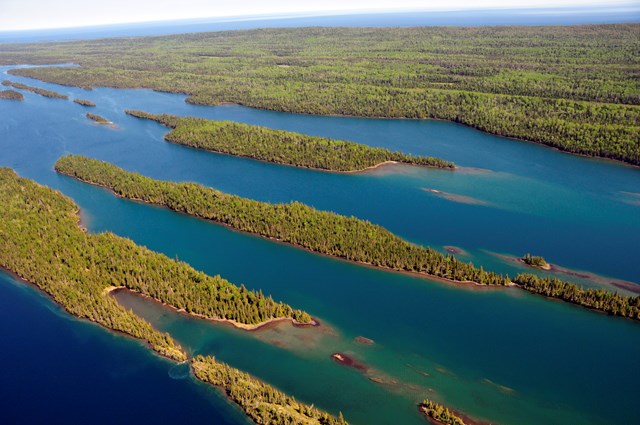
Isle Royale fees, hours and alertsThe Park Service's most intact collection of shipwrecks sits in the coldest water on this list. Ten major wrecks ring the island - seventy years of Great Lakes shipping, from wooden side-paddle steamers to steel freighters - moored, mapped and protected for experienced divers. The water sets the terms: surface temperatures rarely top 55 degrees even in summer, and below 50 feet it runs 34 to 37, cold enough that the park recommends a drysuit and warns that decompression risk rises with the chill. Every diver registers at the Rock Harbor, Windigo or Houghton visitor center and returns the permit after the trip; the wreck of the America closes to divers from 10 a.m. to noon so ferry passengers can see her; and there are no air fills on the island - bring full cylinders or plan around the limited compressor windows on your permit. It is the most demanding and most rewarding diving in the system.
02Biscayne: the Maritime Heritage Trail
Biscayne fees, hours and alertsMiami's offshore national park is 95 percent water, and its signature dive is a trail: the Maritime Heritage Trail strings together six mapped shipwrecks plus the Fowey Rocks Lighthouse on the park's reef line, marked by mooring buoys in warm, clear water. The park splits the trail honestly - Erl King, Alicia and Lugano are the divers' wrecks, while the shallower sites, Mandalay above all, are some of the best wreck snorkeling in the country. How you book depends on which you are: the Biscayne National Park Institute, the park's concession partner, runs snorkel eco-adventures out to the trail (reserve ahead online, at 786-335-3644, or at the park store), while certified divers book with the park's authorized scuba charter operators - Ace Diving, Diver's Paradise or Coastal Runners are on the park's current list. Either way it is the most accessible wreck diving in the system: no drysuit, an hour from downtown. Watch for the resident goliath groupers, which treat the wrecks as condos.
03Channel Islands: the kelp forests
Channel Islands fees, hours and alertsThe Galapagos of North America is better below the waterline. The cold, nutrient-rich currents around the five islands grow some of the finest kelp forests on the planet - cathedral-light dives among garibaldi, sea lions and giant sea bass - with dive boats running from Ventura and Santa Barbara harbors. The water is California-cold (50s to 60s) and the sites range from beginner-friendly coves to current-swept pinnacles at the outer islands. Anacapa's Landing Cove and Santa Barbara Island are the famous days. Book boats ahead in summer; the crossing is weather-dependent year-round.
04Dry Tortugas
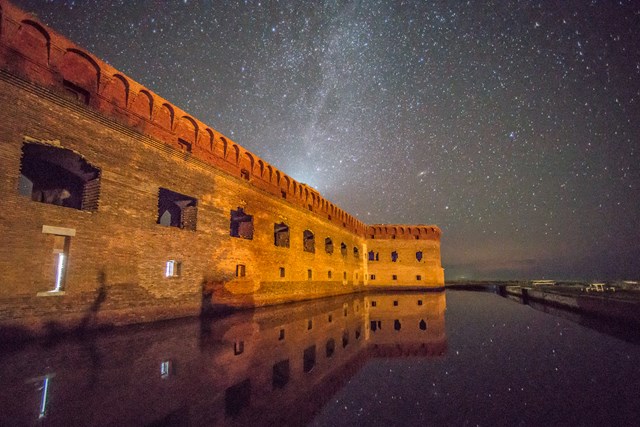
Dry Tortugas fees, hours and alertsSeventy miles past Key West, a brick fortress rings a harbor of coral heads and seagrass, and the diving is as remote as the setting: no dive shop, no rentals, no air fills - you bring everything or you don't dive. The reward is some of the healthiest reef in the continental United States, plus the 1907 Windjammer wreck off Loggerhead Key for those who come equipped. Most visitors snorkel the moat wall and are happy; divers should talk to the park's permitted operators or arrive on a liveaboard.
05Lake Mead
Lake Mead fees, hours and alertsThe desert's dive site, and routinely cited as one of the top freshwater dive lakes in the world. Two lakes, actually - Mead and Mohave - with submerged sites for everyone from novices to technical divers: walls in Black Canyon, the twin boat wrecks off Cabinsite Point on Lake Mohave, drowned river channel in the upper lake. The lake's famously fluctuating water level rewrites the sites year to year, which local dive shops track closely; use one. Summer surface temperatures are bathtub-warm; the thermocline drops into the 50s within the first ten feet.
06The Virgin Islands trio
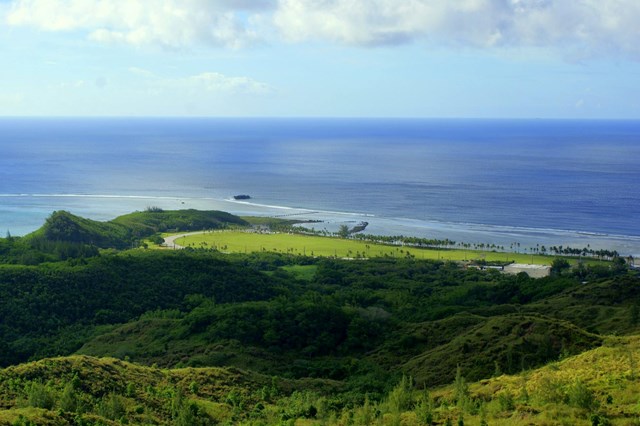
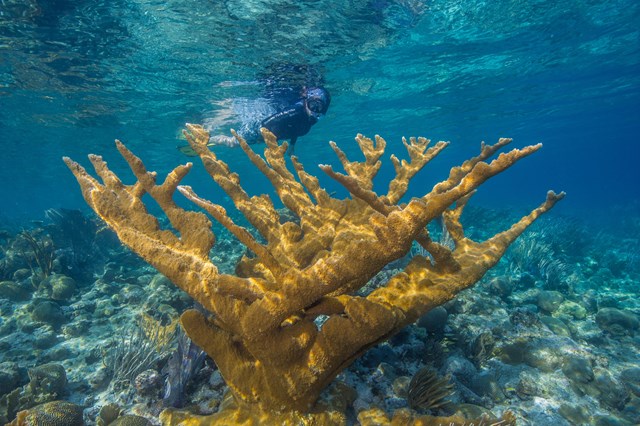
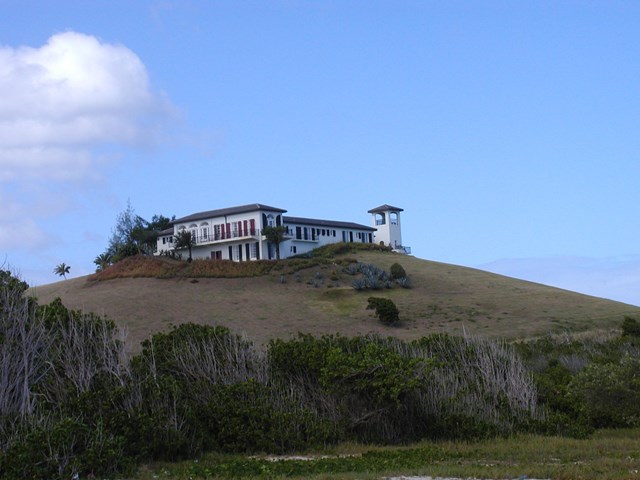
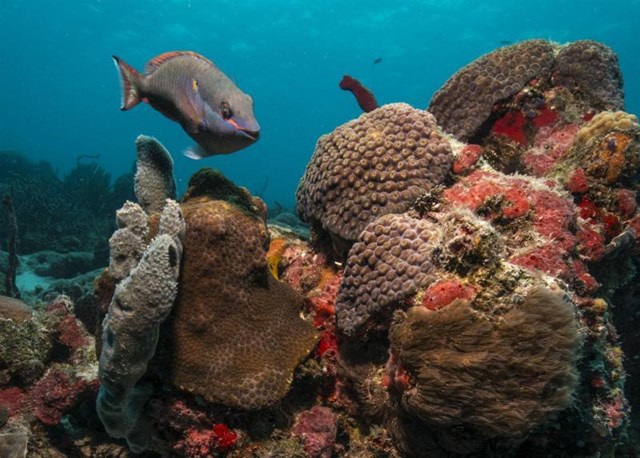
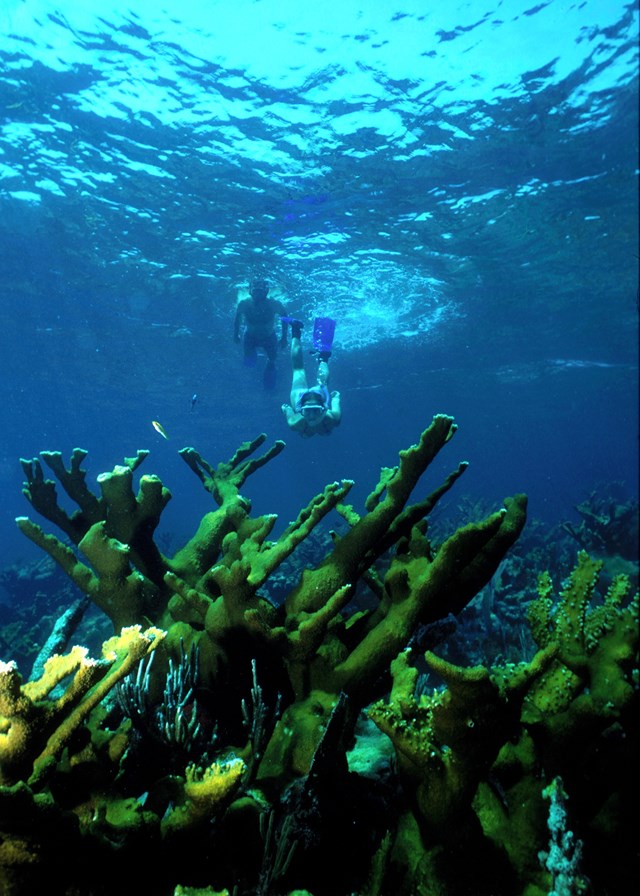
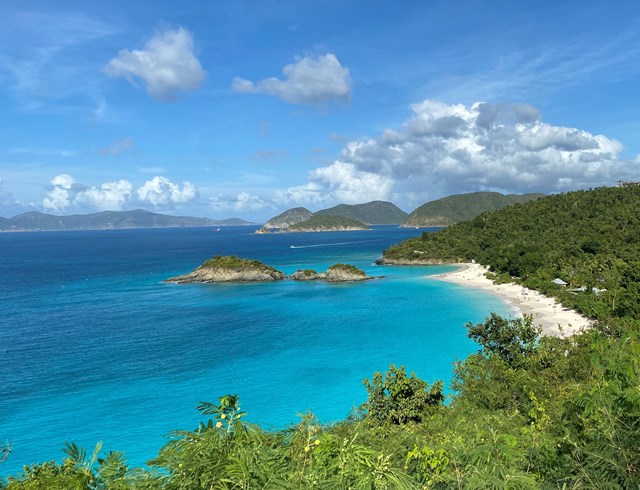
Virgin Islands National Park fees, hours and alertsVirgin Islands National Park, Buck Island Reef and Virgin Islands Coral Reef National Monument hold the system's Caribbean portfolio: elkhorn coral gardens, turtle grass beds and Buck Island's famous underwater snorkel trail, one of the first in the world. Divers here trade wrecks for reefs - warm water, easy entries, and the mooring-buoy rules that keep anchors off the coral. Most visitors snorkel; certified divers will find the deeper walls off St. Croix's north shore worth a boat day.
07Amistad
Amistad fees, hours and alertsThe sleeper on the list: a desert reservoir on the Rio Grande with exceptional clarity - visibility that can run 50 feet or more - sheer underwater cliffs and submerged caves for the advanced. Warm in summer, quiet in winter, and largely unknown outside Texas diving circles. Lake levels move the sites, so local knowledge matters.
08The Great Lakes wrecks: Apostle Islands and Pictured Rocks
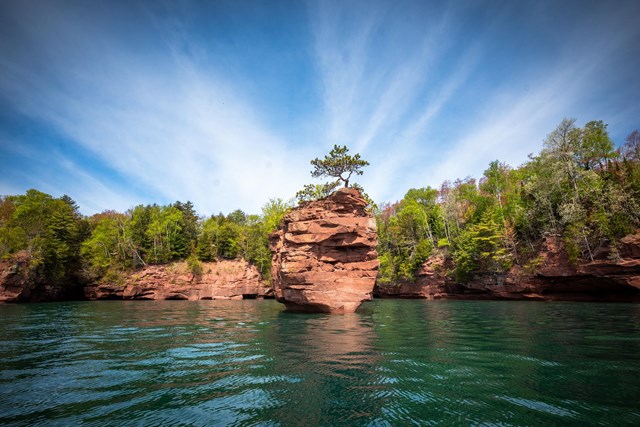
Apostle Islands National Lakeshore fees, hours and alertsLake Superior's southern shore holds the cold-water cousins of Isle Royale's fleet. Apostle Islands guards several documented wrecks in the island chain - wooden steamers in 40-degree water, dived by charter out of Bayfield - and Pictured Rocks sits beside the Alger Underwater Preserve's wrecks, some in less than 30 feet of gin-clear water. Same rules as Isle Royale: drysuit water, federal protection, leave everything where it lies.



Also on the list
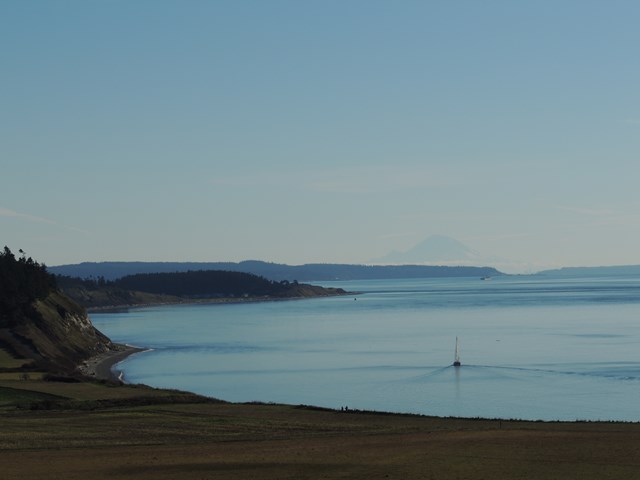
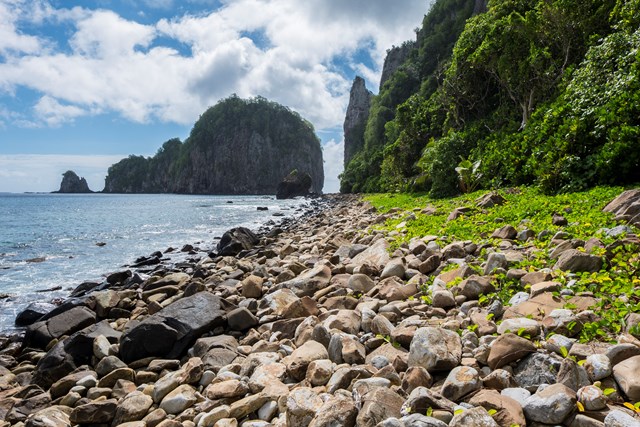
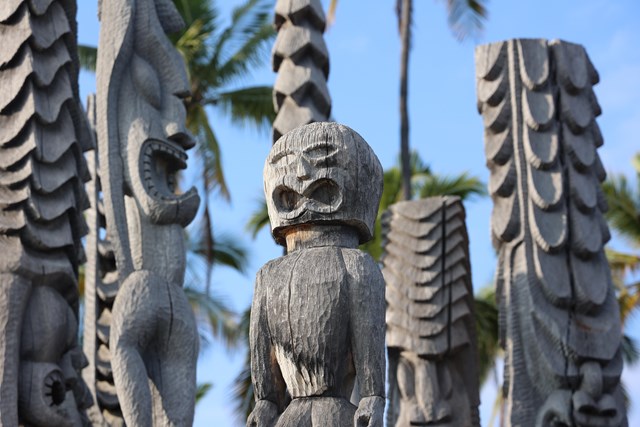
Whiskeytown offers warm, clear, mountain-lake diving an hour from Redding, and Gulf Islands lists diving on its Gulf-side waters - mostly shallow snorkeling in practice. The National Park of American Samoa protects some of the most remote coral reefs in the U.S. system. Two listings look like tag quirks - Ebey's Landing and Hawaii's Ala Kahakai trail have no managed dive program we could confirm - so treat their presence in the grid as data, not a promise.
How to dive the parks
- 1
Bring proof, and sometimes a permit. Certification cards are required by every boat operator; Isle Royale additionally requires free diver registration at a visitor center.
- 2
Respect the no-take rule. Wrecks and reefs in parks are protected by federal law; moving an artifact or anchoring on coral is a federal offense, not a faux pas.
- 3
Match the water to your training. Superior is drysuit territory with real decompression stakes; the Tortugas have no support at all. The tropical reefs are beginner-friendly; the cold wrecks are not.
- 4
Use park-authorized boats. Biscayne, Channel Islands, Buck Island and Dry Tortugas all work through permitted operators; the park pages list them.
All 17 parks with scuba diving
The full list is below. Click through for each park's fees, hours, alerts and campgrounds.
Free to enter Charges an entrance feePoints are the Park Service reference point for each unit, not a boundary.